Understanding Self-Harm: Signs, Support, and Recovery


Self-harm is a topic that many of us find difficult to discuss, yet it affects countless individuals and families across India and the world. As a psychologist with over 15 years of clinical experience, I have worked with many individuals who struggle with self-harming behaviors, and I have witnessed the profound confusion and pain that both they and their loved ones experience.
This article aims to provide a compassionate, informed perspective on self-harm—what it is, why people engage in it, how to recognize the signs, and most importantly, how healing is possible. If you or someone you know is struggling, please know that help is available and recovery is achievable.
Important Note: If you or someone you know is in immediate danger, please contact emergency services or a crisis helpline immediately. In India, you can reach iCall at 9152987821 or Vandrevala Foundation at 1860-2662-345.
What Is Self-Harm?
Self-harm, also known as self-injury or non-suicidal self-injury (NSSI), refers to the deliberate act of hurting oneself physically as a way to cope with emotional pain, intense feelings, or difficult circumstances. It is important to understand that self-harm is typically not a suicide attempt—rather, it is often a maladaptive coping mechanism that individuals use to manage overwhelming emotions.
Common forms of self-harm include cutting, burning, hitting oneself, scratching, or other behaviors that cause physical injury. While these behaviors may seem incomprehensible to those who have not experienced them, they often serve a purpose for the person engaging in them—even though that purpose can be achieved through healthier means with proper support.
Why Do People Self-Harm?
Understanding the reasons behind self-harm is crucial for providing appropriate support. Through my practice in Hyderabad, I have encountered various underlying factors that contribute to self-harming behaviors.
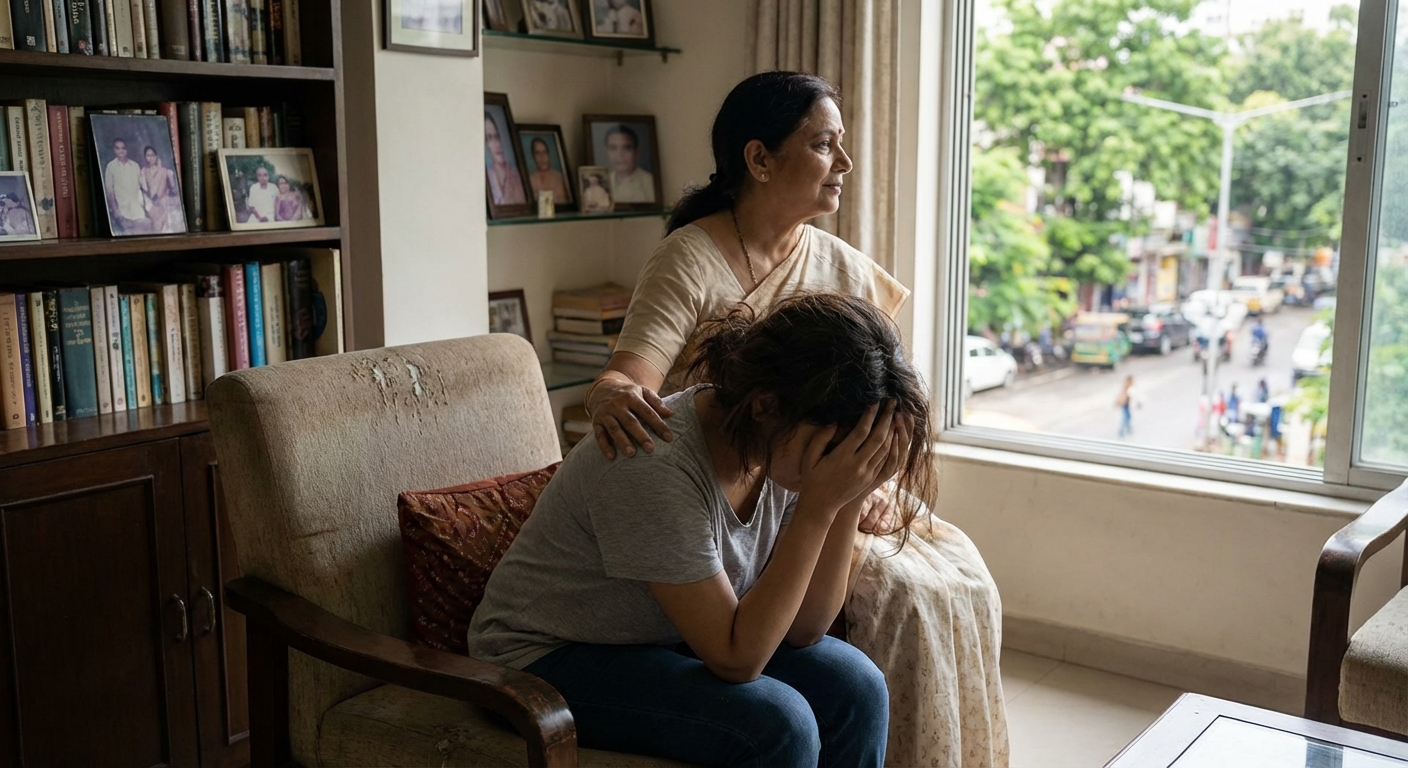
Emotional Regulation
Many individuals who self-harm describe feeling emotionally numb or overwhelmed. The physical sensation of pain can sometimes provide temporary relief from emotional numbness or help release intense emotional pressure. As one of my clients, whom I will call Priya (name changed), described: "When everything inside feels too much, the physical pain gives me something concrete to focus on. It is the only way I know how to make the emotional pain stop."
Expression of Inner Pain
For some, self-harm becomes a way to express emotional suffering that they cannot put into words. Physical wounds can represent internal wounds that feel invisible to others. Rohit (name changed), a 22-year-old engineering student I worked with, shared: "Nobody could see how much I was hurting inside. The marks became a way to show—even just to myself—that my pain was real."
Self-Punishment
Feelings of guilt, shame, or self-hatred can drive individuals to harm themselves as a form of punishment. This is often rooted in negative self-beliefs that develop from difficult experiences, trauma, or environments where one was made to feel inadequate or worthless.
Regaining Control
When life feels chaotic or out of control—whether due to family problems, academic pressure, relationship difficulties, or other stressors—self-harm can provide a sense of control over one's own body. Meera (name changed), a young professional dealing with workplace stress and family expectations, found that self-harm initially gave her a feeling of agency when everything else felt overwhelming.
Trauma Response
Past trauma, including childhood abuse, neglect, or other adverse experiences, significantly increases the risk of self-harming behaviors. The body and mind develop coping mechanisms to survive difficult circumstances, and sometimes these mechanisms become harmful in themselves.
Recognizing the Warning Signs
Early recognition of self-harm can lead to earlier intervention and better outcomes. Here are some signs that someone may be struggling:

Physical Signs
- Unexplained cuts, burns, bruises, or scars, often on arms, legs, or torso
- Wearing long sleeves or pants even in hot weather
- Frequent "accidents" or injuries
- Finding sharp objects or first aid supplies in unusual places
- Wounds that do not seem to heal or new wounds appearing regularly
Behavioral Signs
- Increased isolation and withdrawal from friends and family
- Avoiding activities that involve showing skin (such as swimming)
- Spending long periods alone, especially in the bathroom or bedroom
- Changes in eating or sleeping patterns
- Declining academic or work performance
- Expressions of hopelessness, worthlessness, or self-criticism
Emotional Signs
- Mood swings or emotional instability
- Expressing feelings of being a burden to others
- Difficulty handling emotions or describing feelings
- Sudden calmness after periods of distress (which may indicate relief after self-harm)
How to Support Someone Who Self-Harms
If you discover that someone you care about is self-harming, your response can significantly impact their willingness to seek help. Here are some guidelines:
Approach with Compassion, Not Judgment
Your initial reaction matters greatly. Avoid expressions of shock, anger, or disgust. Instead, approach with calm concern. You might say, "I have noticed you have been going through a difficult time. I am here for you, and I want to understand how you are feeling."
Listen Without Trying to Fix
Often, people who self-harm need to feel heard more than they need immediate solutions. Listen actively, validate their feelings, and avoid minimizing their experience. Statements like "It is not that bad" or "You have so much to be grateful for" can feel dismissive and push them further away.
Avoid Ultimatums
Demanding that someone stop self-harming immediately rarely works and can damage trust. Recovery is a process that takes time and professional support. Instead of ultimatums, express your concern and encourage them to seek help.
Educate Yourself
Understanding self-harm helps you respond more effectively. Learn about the condition, available treatments, and local resources. This knowledge will help you provide informed support.
Encourage Professional Help
While your support is valuable, professional intervention is often necessary. Gently encourage your loved one to speak with a mental health professional. Offer to help them find a therapist, accompany them to appointments, or support them in other practical ways.
Take Care of Yourself
Supporting someone who self-harms can be emotionally taxing. Ensure you have your own support system and consider speaking with a counselor yourself. You cannot pour from an empty cup.
The Path to Recovery
Recovery from self-harm is absolutely possible. I have had the privilege of witnessing many individuals transform their relationship with themselves and develop healthier coping mechanisms. Here is what the recovery journey often involves:

Professional Therapy
Evidence-based therapies such as Dialectical Behavior Therapy (DBT), Cognitive Behavioral Therapy (CBT), and trauma-informed approaches have shown significant effectiveness in treating self-harm. These therapies help individuals:
- Identify triggers and understand the function of self-harm
- Develop healthier coping strategies
- Process underlying emotions and trauma
- Build distress tolerance skills
- Improve emotional regulation
- Strengthen interpersonal relationships
Building a Support Network
Recovery rarely happens in isolation. Building connections with supportive friends, family members, or support groups provides crucial emotional support. Many of my clients have found peer support groups particularly helpful, as connecting with others who understand their experience reduces feelings of shame and isolation.
Developing Alternative Coping Strategies
A crucial part of recovery involves learning and practicing healthier ways to cope with emotional distress. These might include:
- Mindfulness and meditation practices
- Physical exercise and yoga
- Creative expression through art, music, or writing
- Breathing exercises and relaxation techniques
- Reaching out to a trusted person when struggling
- Engaging in activities that bring joy or meaning
Addressing Underlying Issues
Self-harm often occurs alongside other mental health conditions such as depression, anxiety, trauma-related disorders, or personality disorders. Comprehensive treatment addresses these underlying issues, which often reduces the urge to self-harm.
Patience and Self-Compassion
Recovery is not linear. There may be setbacks along the way, and that is okay. What matters is the overall direction of progress. Learning to treat oneself with compassion—rather than criticism—is often a transformative part of the healing process.
A Message of Hope
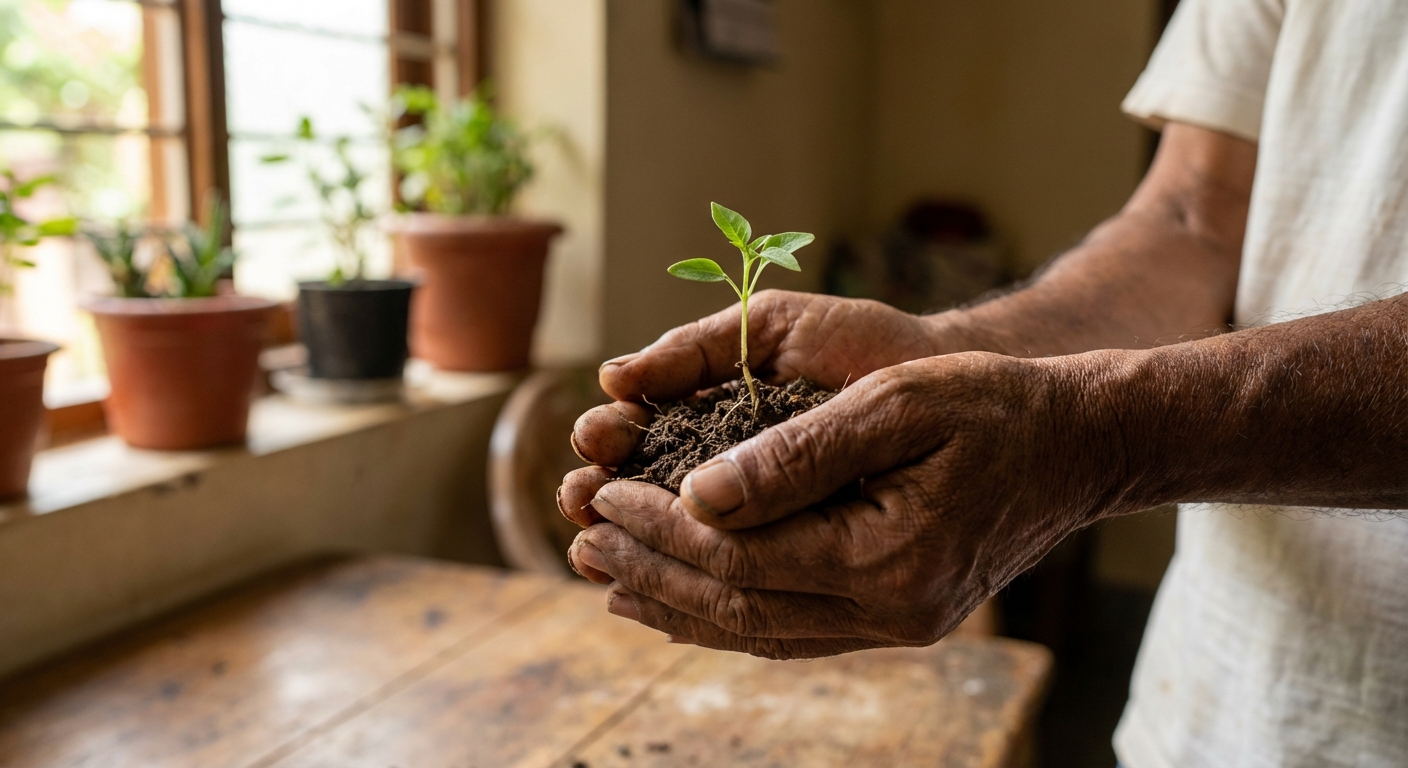
If you are struggling with self-harm, please know that you are not alone, and you are not beyond help. Your pain is valid, and there are healthier ways to cope that you can learn with proper support. Seeking help is not a sign of weakness—it is an act of courage and self-care.
If you are supporting someone who self-harms, your patience, compassion, and encouragement can make a meaningful difference. Trust the process, even when it feels slow, and remember that professional guidance benefits both of you.
Self-harm does not define who you are or limit who you can become. With appropriate support, healing is not only possible—it is probable. I have seen it happen countless times in my practice, and I believe in the possibility of recovery for everyone.
Seeking Professional Support
Understanding and overcoming self-harm requires compassionate, professional guidance. If you or a loved one is struggling with self-harming behaviors, I invite you to reach out for a confidential consultation at my practice in Hyderabad.
With over 15 years of experience in clinical psychology, I specialize in helping individuals navigate anxiety, depression, relationship issues, and the complex emotions that often underlie self-harm. Together, we can work toward understanding your unique experience and developing a personalized path to healing.
You do not have to face this alone. Taking the first step toward getting help is one of the most important decisions you can make for your wellbeing and your future.
To schedule an appointment or learn more about my services, please contact my Hyderabad practice today. Your journey toward healing can begin with a single conversation.
---Sudheer Sandra is a licensed psychologist and career counselor based in Hyderabad, India, with over 15 years of clinical experience. He specializes in anxiety, depression, relationship issues, and career counseling, and is committed to providing compassionate, evidence-based care to all his clients.