Understanding Panic Attacks: What They Are and How to Manage Them

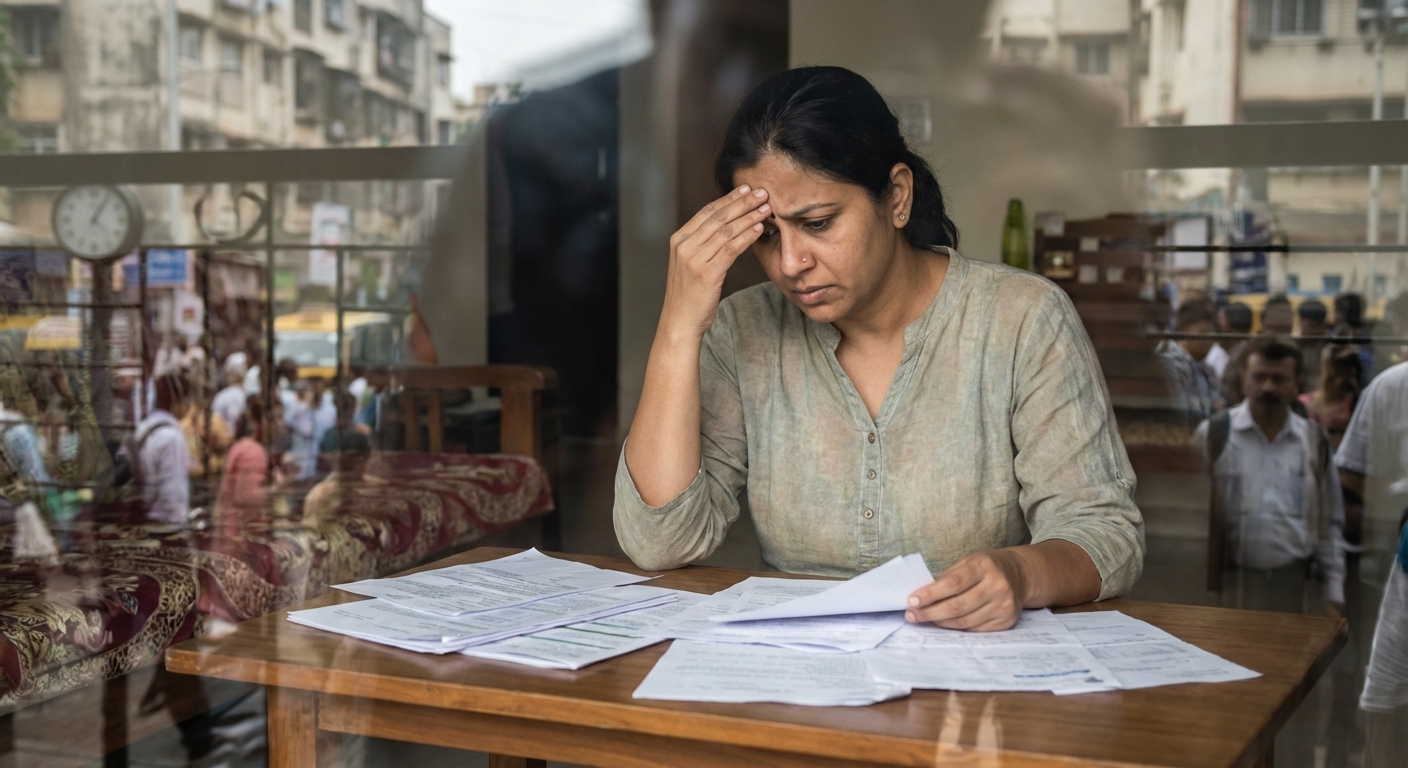
Panic attacks are among the most frightening experiences a person can have. They strike suddenly, often without warning, and can leave you feeling completely overwhelmed and out of control. If you have ever experienced a panic attack, you know how terrifying it can be. Your heart races, you cannot breathe properly, and you may genuinely believe you are dying or going insane.
The good news is that panic attacks, while distressing, are not dangerous and are highly treatable. In my fifteen years of clinical practice in Hyderabad, I have helped hundreds of individuals understand, manage, and ultimately overcome their panic attacks. This article will help you understand what panic attacks are, why they happen, and most importantly, what you can do about them.
What Exactly Is a Panic Attack?
A panic attack is a sudden episode of intense fear that triggers severe physical reactions when there is no real danger or apparent cause. It is essentially your body's fight-or-flight response activating inappropriately. When this alarm system goes off without a genuine threat, the result is a panic attack.
Panic attacks typically reach their peak within ten minutes and rarely last longer than thirty minutes. However, those minutes can feel like an eternity when you are in the middle of one.
Common Symptoms of Panic Attacks
The symptoms of panic attacks can vary from person to person, but they typically include several of the following:
Physical Symptoms:
- Rapid, pounding heartbeat or palpitations
- Shortness of breath or feeling of being smothered
- Chest pain or discomfort
- Trembling or shaking
- Sweating
- Nausea or stomach distress
- Dizziness, lightheadedness, or feeling faint
- Numbness or tingling sensations
- Chills or hot flashes
- Intense fear of dying
- Fear of losing control or "going crazy"
- Feeling of unreality or detachment from oneself
- Sense of impending doom
A Real-Life Example: Priya's Story
Let me share the story of a patient I will call Priya (name changed for confidentiality). Priya, a 32-year-old software professional from Gachibowli, came to my clinic after experiencing her first panic attack during a client presentation.
"I was standing in front of everyone when suddenly my heart started racing," she told me. "I could not catch my breath. My hands went numb, and I was convinced I was having a heart attack. I had to excuse myself and ended up in the emergency room. The doctors said my heart was fine, but I was terrified it would happen again."
Priya's experience is remarkably common. Many people experiencing their first panic attack end up in emergency rooms, genuinely believing they are having a cardiac event. Understanding that panic attacks, while frightening, are not medically dangerous is the first step toward managing them.

What Causes Panic Attacks?
Panic attacks arise from a complex interplay of factors. Understanding these can help you identify your personal triggers and work toward prevention.
Biological Factors
Research suggests that panic attacks may have a genetic component. If you have a close family member with panic disorder, you may be more susceptible. Additionally, certain medical conditions such as thyroid problems, low blood sugar, or heart conditions can trigger panic-like symptoms.
Psychological Factors
People who are highly sensitive to stress, have a tendency toward negative thinking, or have experienced trauma are more prone to panic attacks. Perfectionism and a need for control are also common traits among those who experience panic disorder.
Environmental Triggers
Common triggers include:
- Major life transitions (job changes, marriage, relocating)
- Work pressure and deadlines
- Financial stress
- Relationship difficulties
- Caffeine and certain medications
- Sleep deprivation
- Crowded or enclosed spaces
The Case of Rajesh: Understanding Triggers
Rajesh (name changed), a 28-year-old bank manager from Secunderabad, began experiencing panic attacks after his promotion. Through our sessions, we discovered that his attacks were triggered by a combination of increased responsibility, fear of failure, and irregular sleep patterns. Once he understood his triggers, he was better equipped to manage his condition.

Immediate Coping Techniques: What to Do During a Panic Attack
When a panic attack strikes, having a toolkit of coping strategies can make a significant difference. Here are techniques I teach my patients:
1. The 4-7-8 Breathing Technique
This is one of the most effective immediate interventions:
- Breathe in through your nose for 4 seconds
- Hold your breath for 7 seconds
- Exhale slowly through your mouth for 8 seconds
- Repeat until you feel calmer
2. Grounding with the 5-4-3-2-1 Method
This sensory grounding technique helps bring you back to the present moment:
- Identify 5 things you can see
- Identify 4 things you can touch
- Identify 3 things you can hear
- Identify 2 things you can smell
- Identify 1 thing you can taste
3. Progressive Muscle Relaxation
Systematically tensing and releasing muscle groups can help reduce physical tension:
- Start with your toes, tense for 5 seconds, then release
- Move up through your calves, thighs, abdomen, chest, arms, and face
- Notice the contrast between tension and relaxation
4. Acceptance and Reassurance
Remind yourself:
- "This is a panic attack. It will pass."
- "I am not in danger. My body is just responding to a false alarm."
- "I have survived this before, and I will survive it again."
5. The STOP Technique
- Stop what you are doing
- Take a breath
- Observe your thoughts and feelings without judgment
- Proceed with something that will help you in the moment
Long-Term Treatment Approaches
While coping techniques are essential for managing acute episodes, long-term treatment addresses the root causes and helps prevent future attacks.
Cognitive Behavioral Therapy (CBT)
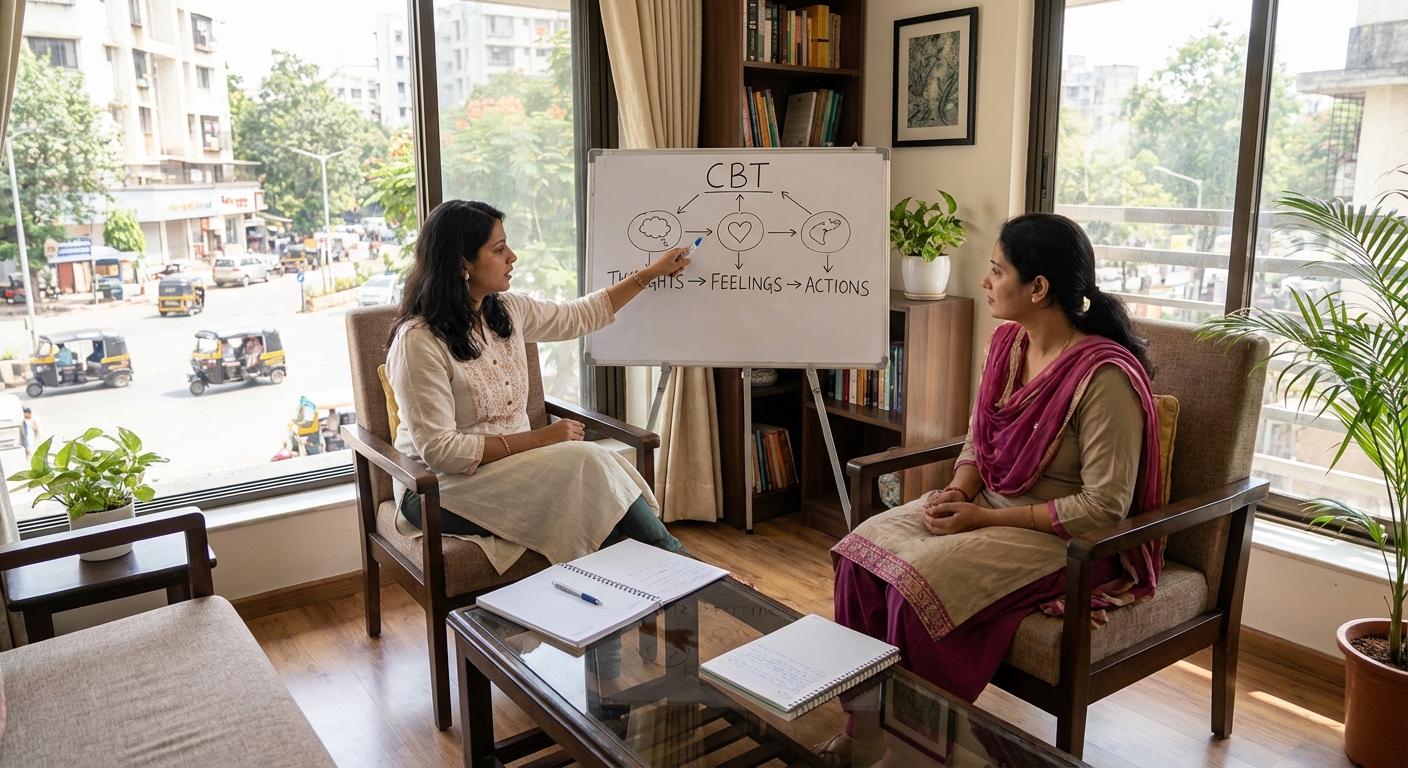
CBT is considered the gold standard treatment for panic disorder. In my practice, I use CBT to help patients:
- Identify and challenge catastrophic thoughts
- Understand the connection between thoughts, feelings, and physical sensations
- Gradually face feared situations through controlled exposure
- Develop healthier thinking patterns
Mindfulness-Based Approaches
Mindfulness meditation trains the mind to observe thoughts and sensations without reacting to them. Regular practice can:
- Reduce overall anxiety levels
- Improve awareness of early warning signs
- Decrease the intensity of panic attacks when they occur
Lifestyle Modifications
Several lifestyle changes can significantly reduce panic attack frequency:
Exercise: Regular physical activity releases endorphins and reduces stress hormones. I recommend at least 30 minutes of moderate exercise five times a week.
Sleep Hygiene: Poor sleep increases vulnerability to panic attacks. Aim for 7-8 hours of quality sleep each night.
Dietary Considerations: Reduce caffeine and alcohol intake, both of which can trigger or worsen panic attacks.
Stress Management: Incorporate relaxation practices into your daily routine, whether yoga, meditation, or simply spending time in nature.
Medication
In some cases, medication may be recommended as part of a comprehensive treatment plan. This is typically considered when:
- Panic attacks are severe and frequent
- CBT alone is not providing sufficient relief
- There are co-occurring conditions like depression
Meera's Journey to Recovery
Meera (name changed), a 45-year-old school teacher from Kukatpally, had been suffering from panic attacks for three years before seeking help. She had become so afraid of having an attack in public that she had stopped attending social functions and was considering early retirement.
Through a combination of CBT, mindfulness training, and lifestyle modifications, Meera made remarkable progress over six months. She learned to recognize her triggers, challenge her catastrophic thoughts, and respond to panic symptoms with calm acceptance rather than fear.
"I still get anxious sometimes," she told me at our final session, "but I no longer fear the anxiety. I know what to do, and I know it will pass. I feel like I have my life back."

When to Seek Professional Help
While occasional anxiety is normal, you should consider seeking professional help if:
- Panic attacks are occurring frequently
- You are avoiding places or situations due to fear of having an attack
- Panic attacks are affecting your work, relationships, or quality of life
- You are experiencing persistent worry about having another attack
- You are using alcohol or other substances to cope
Moving Forward with Hope
Panic attacks, while terrifying, are highly treatable. With the right understanding, coping strategies, and professional support, most people can significantly reduce or eliminate their panic attacks and live full, unrestricted lives.
Recovery is not about never feeling anxious again. It is about developing a different relationship with anxiety, one where you understand it, accept it, and know you can handle it. Every person I have worked with who committed to treatment has seen meaningful improvement.
If you are struggling with panic attacks, please know that you do not have to face this alone. Understanding your condition is the first step, and seeking appropriate help is the next.
---Take the First Step Toward Recovery
If panic attacks are affecting your quality of life, I invite you to schedule a consultation at my practice in Hyderabad. Together, we can develop a personalized treatment plan that addresses your specific needs and helps you regain control over your life.
With over fifteen years of experience treating anxiety disorders, including panic attacks, I am committed to providing compassionate, evidence-based care in a supportive environment. Whether you are experiencing your first panic attack or have been struggling for years, it is never too late to seek help.
Contact Information: Dr. Sudheer Sandra Licensed Psychologist and Career Counselor Hyderabad, India
Take that first step today. A calmer, more confident tomorrow is within your reach.
---Disclaimer: This article is for informational purposes only and should not be considered a substitute for professional medical advice, diagnosis, or treatment. If you are experiencing severe symptoms, please consult a qualified healthcare provider.