Understanding and Managing Childhood Anxiety: What Every Indian Parent Should Know

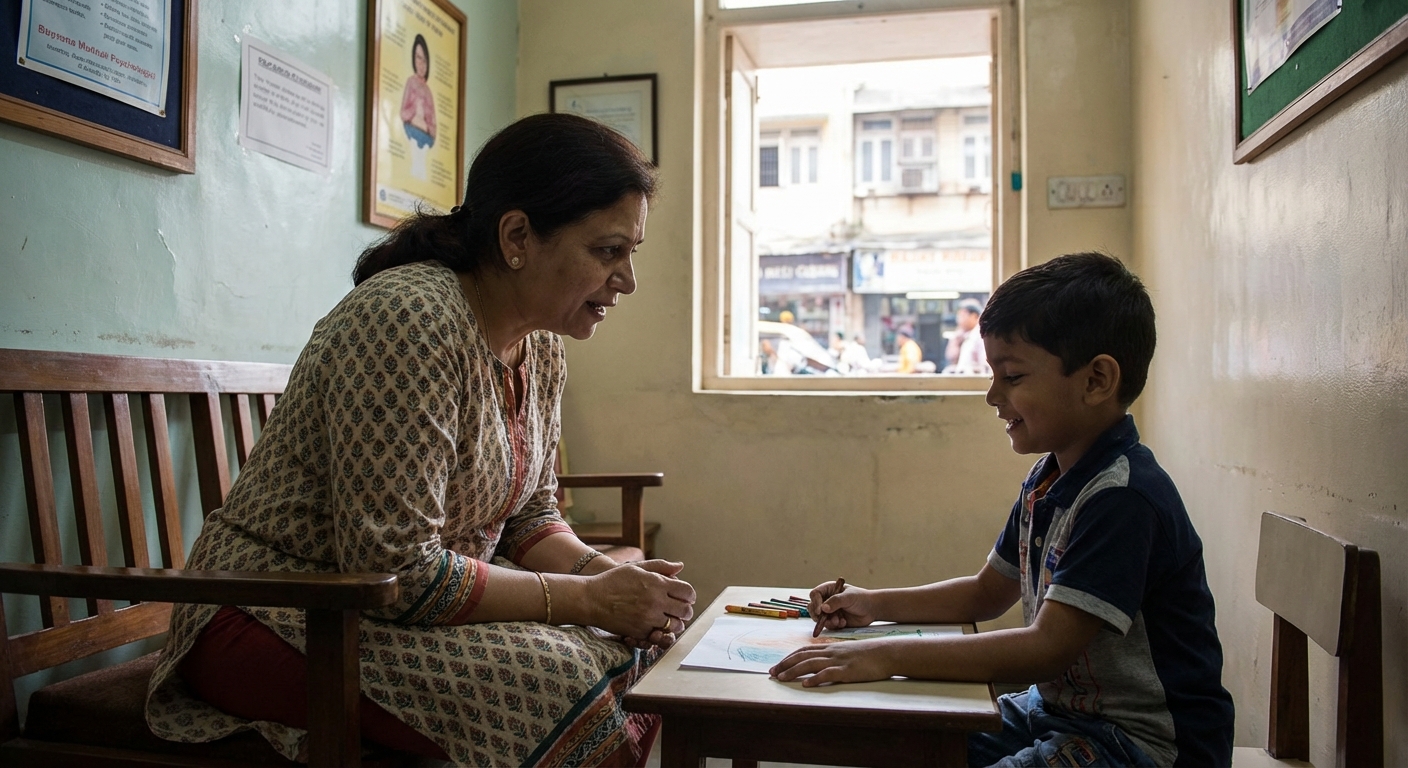
As I sit in my Hyderabad clinic on a typical Monday morning, I am reminded of a conversation I had with a mother last week. She came to me worried about her 9-year-old daughter, Priya, who had been refusing to go to school, complaining of stomach aches every morning, and crying inconsolably at bedtime. "Is she just being dramatic?" the mother asked, her own anxiety visible in her eyes. "Or is something seriously wrong?"
This question echoes in my consulting room more often than you might imagine. After fifteen years of working with children and families across Hyderabad, I can tell you that childhood anxiety is far more common than most Indian parents realize, and unfortunately, it is also one of the most misunderstood conditions in our society.
Why Childhood Anxiety Is Often Overlooked in Indian Families
In our culture, we have a tendency to dismiss children's emotional struggles. "Bacche hain, sab theek ho jayega" (They are children, everything will be fine) is something I hear regularly. We expect children to be resilient, to focus on their studies, and to not create problems. When a child expresses fear or worry, our first instinct is often to tell them to "be brave" or "stop overthinking."
But here is what I have learned from working with hundreds of anxious children: dismissing their fears does not make them go away. In fact, it often makes things worse. Children who feel unheard learn to suppress their emotions, and those suppressed feelings can manifest in various ways, from physical symptoms to behavioral problems to academic decline.
I remember working with a 12-year-old boy named Arjun (name changed for privacy) whose parents brought him to me because his grades had suddenly dropped. When I spoke with Arjun privately, he revealed that he had been having panic attacks for months, terrified that something bad would happen to his parents while he was at school. He had not told anyone because he did not want to appear "weak." His anxiety had been eating away at his concentration, his sleep, and his overall well-being for nearly a year before anyone noticed.
Recognizing the Signs: What Does Childhood Anxiety Look Like?
One of the biggest challenges parents face is simply recognizing anxiety in their children. Unlike adults, children often cannot articulate that they are feeling anxious. Instead, their anxiety shows up in different ways.
Physical Symptoms
Many anxious children complain of physical ailments. Stomach aches, headaches, nausea, and fatigue are common. If your child frequently complains of feeling unwell, especially before school or social events, and medical tests show nothing wrong, anxiety could be the underlying cause.
Behavioral Changes
Watch for changes in behavior. Is your child suddenly clingy when they were previously independent? Are they avoiding activities they once enjoyed? Have their sleep patterns changed? Are they having more tantrums or emotional outbursts? These could all be signs of anxiety.
Academic Impact
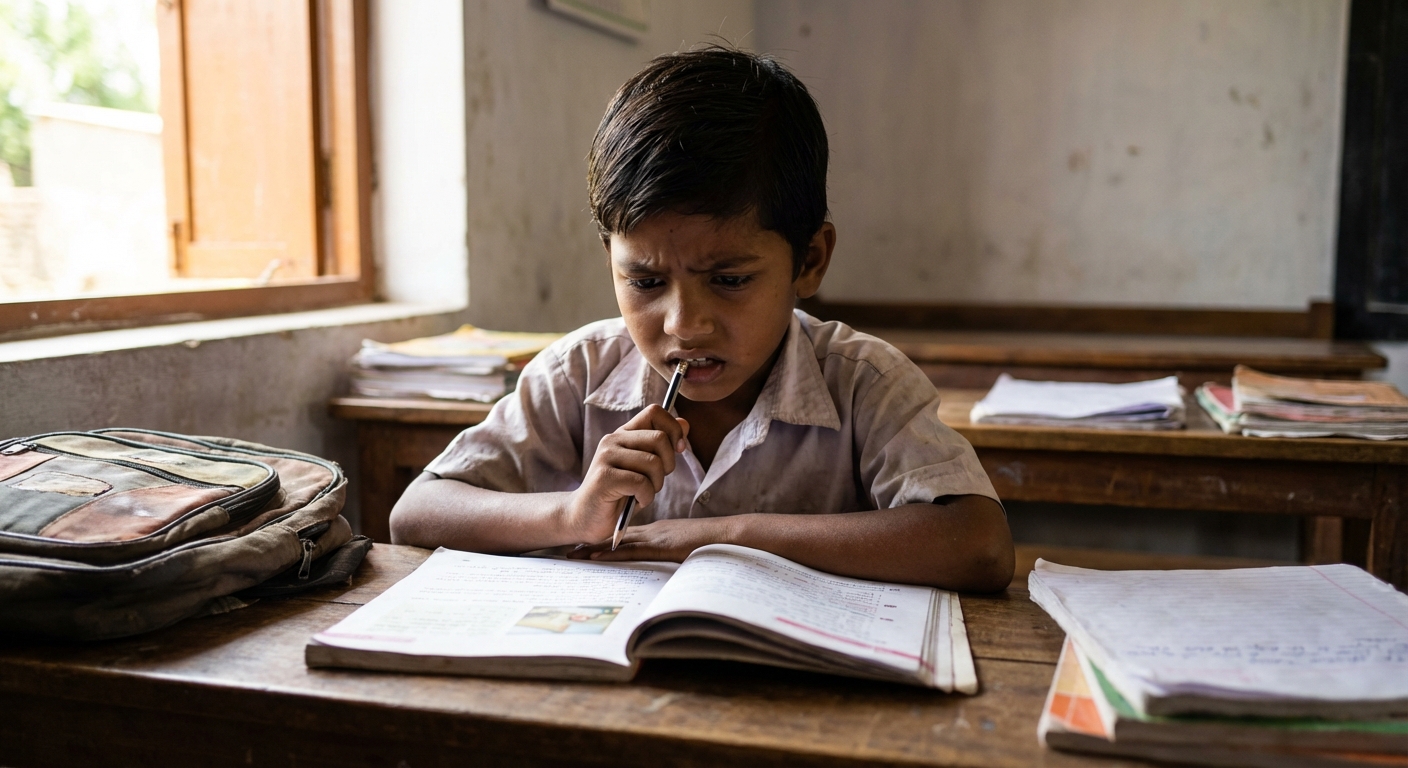
Anxiety can significantly affect school performance. Some anxious children become perfectionists, spending hours on homework out of fear of making mistakes. Others may avoid schoolwork altogether because the pressure feels overwhelming. Some develop test anxiety that causes them to blank out during exams, regardless of how well they have prepared.
Social Withdrawal
Does your child avoid birthday parties, school functions, or playing with other children? Social anxiety in children often manifests as extreme shyness, fear of being judged, or reluctance to speak in class. While some children are naturally introverted, a sudden change in social behavior or intense distress around social situations warrants attention.
Understanding the Causes: Why Is My Child Anxious?
Parents often ask me, "Did we do something wrong?" The answer, almost always, is no. Childhood anxiety arises from a complex interaction of factors.
Genetic predisposition plays a role. If anxiety runs in your family, your child may be more susceptible. This is not about blame; it is simply about awareness.
Temperament matters too. Some children are born with a more sensitive nervous system, making them more reactive to stress and uncertainty.
Environmental factors cannot be ignored. The academic pressure in our Indian education system is immense. Children as young as five face competition and comparison. Add to this the impact of nuclear families, reduced outdoor play, excessive screen time, and sometimes, family conflicts or major life changes like relocation or parental job loss.
The pandemic effect is something I have observed significantly in recent years. Many children who went through extended periods of isolation during COVID-19 lockdowns now struggle with social situations and have heightened health-related anxieties.
Practical Strategies for Parents: What You Can Do at Home
Now, let me share some approaches that I have found effective in my practice. These are strategies you can implement at home to help your anxious child.
1. Create a Safe Space for Emotional Expression
Make it clear to your child that all feelings are acceptable. When they express fear or worry, resist the urge to immediately dismiss or fix it. Instead, validate their feelings first. Say something like, "I can see you are feeling scared about the test tomorrow. That must be really uncomfortable." This simple act of acknowledgment can be tremendously healing.
2. Teach Breathing Techniques
Deep breathing is one of the most powerful tools we have for managing anxiety. Teach your child the "balloon breathing" technique: ask them to imagine their belly is a balloon that inflates when they breathe in slowly and deflates when they breathe out. Practice this together during calm moments so it becomes a natural response during stressful times.

3. Establish Predictable Routines
Anxious children thrive on predictability. Establish consistent morning routines, bedtime rituals, and study schedules. When children know what to expect, they feel more secure. If there are upcoming changes or transitions, prepare them in advance with clear, age-appropriate explanations.
4. Limit Exposure to Anxiety-Inducing Content
Be mindful of what your child is exposed to. News channels running disaster stories, violent video games, or even well-meaning relatives discussing worst-case scenarios can feed a child's anxiety. Monitor screen time and content, and create opportunities for calming activities like reading, art, or outdoor play.
5. Model Healthy Coping
Children learn more from watching us than from listening to us. How do you handle stress? Do you catastrophize or remain calm? Do you take breaks and practice self-care? Your own relationship with anxiety and stress will significantly influence your child's coping patterns.
6. Encourage Gradual Exposure
Avoiding anxiety triggers might provide short-term relief but creates long-term problems. Instead, help your child face their fears gradually. If your child is afraid of speaking in class, start by having them practice at home, then with a trusted friend, then in smaller groups, and so on. Celebrate each small step forward.
When to Seek Professional Help
While the strategies above can help manage mild to moderate anxiety, sometimes professional intervention is necessary. I encourage parents to consult a child psychologist or counselor if:
- Your child's anxiety is interfering significantly with daily life, school, or relationships
- Physical symptoms persist despite medical clearance
- Your child talks about harming themselves or expresses hopelessness
- Anxiety seems to be worsening over time despite your best efforts
- You feel overwhelmed and unsure how to help
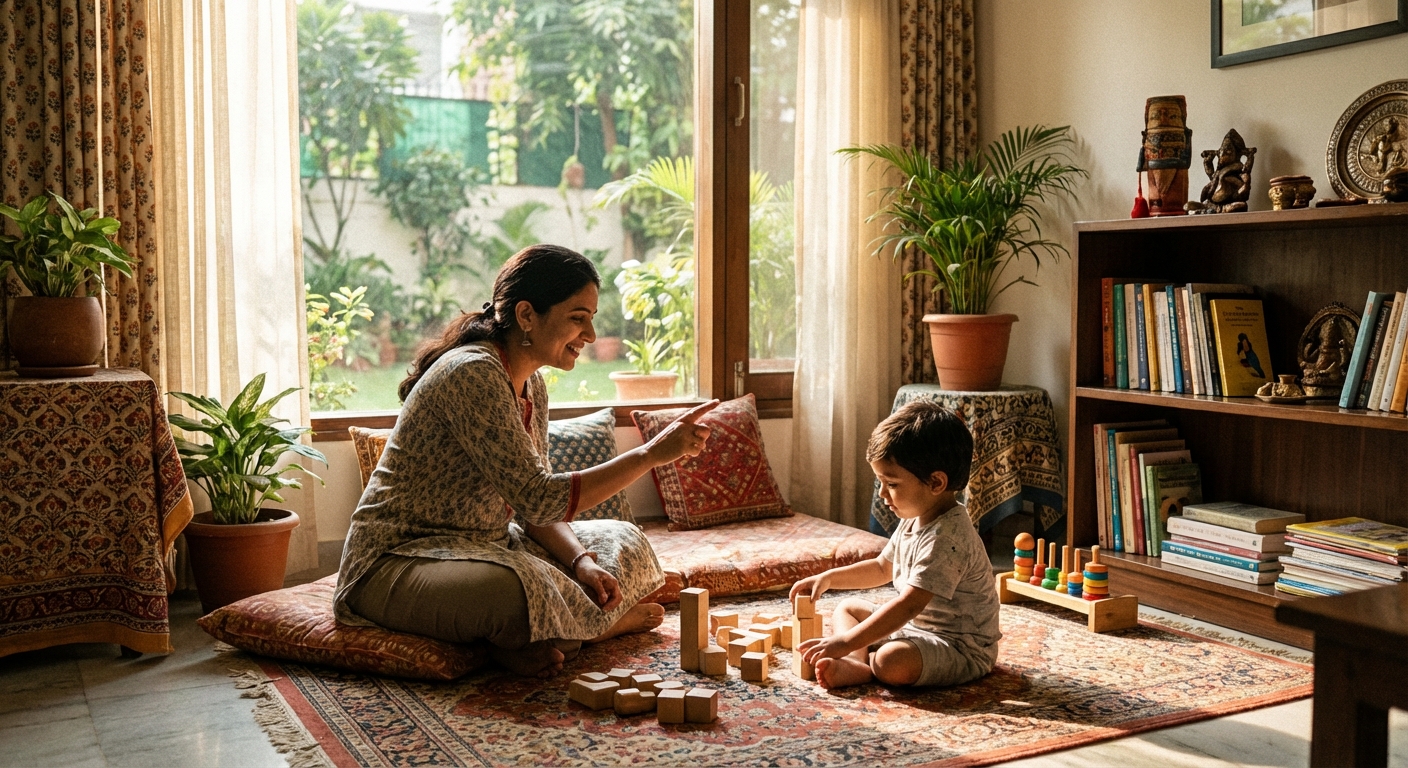
There is no shame in seeking help. Just as you would take your child to a doctor for a physical ailment, consulting a mental health professional for emotional struggles is equally important. Early intervention can make a significant difference in outcomes.
A Note on Academic Pressure and Parental Expectations
I would be remiss if I did not address the elephant in the room. As Indian parents, we often unknowingly contribute to our children's anxiety through our emphasis on academic achievement and comparison with peers. "Sharma ji ka beta" syndrome, as I sometimes call it, can be incredibly damaging.
I am not suggesting that academic success is unimportant. However, I urge you to examine whether your expectations are realistic and whether your child feels loved unconditionally or only when they perform well. A child who believes their worth is tied to their grades or achievements will live in constant fear of failure.
Some of the most anxious children I have worked with are high achievers. They push themselves relentlessly, not out of intrinsic motivation, but out of fear of disappointing their parents. This is not sustainable, and it takes a tremendous toll on their mental health.
Building Resilience for the Long Term
Our goal should not be to eliminate all anxiety from our children's lives. Some anxiety is normal and even helpful; it motivates us to prepare and stay alert. Instead, our goal should be to help our children develop resilience, the ability to face challenges, cope with setbacks, and bounce back.
Resilient children are not those who never feel anxious. They are children who know how to manage their anxiety, who believe in their ability to cope, and who have a support system they can turn to when things get tough.
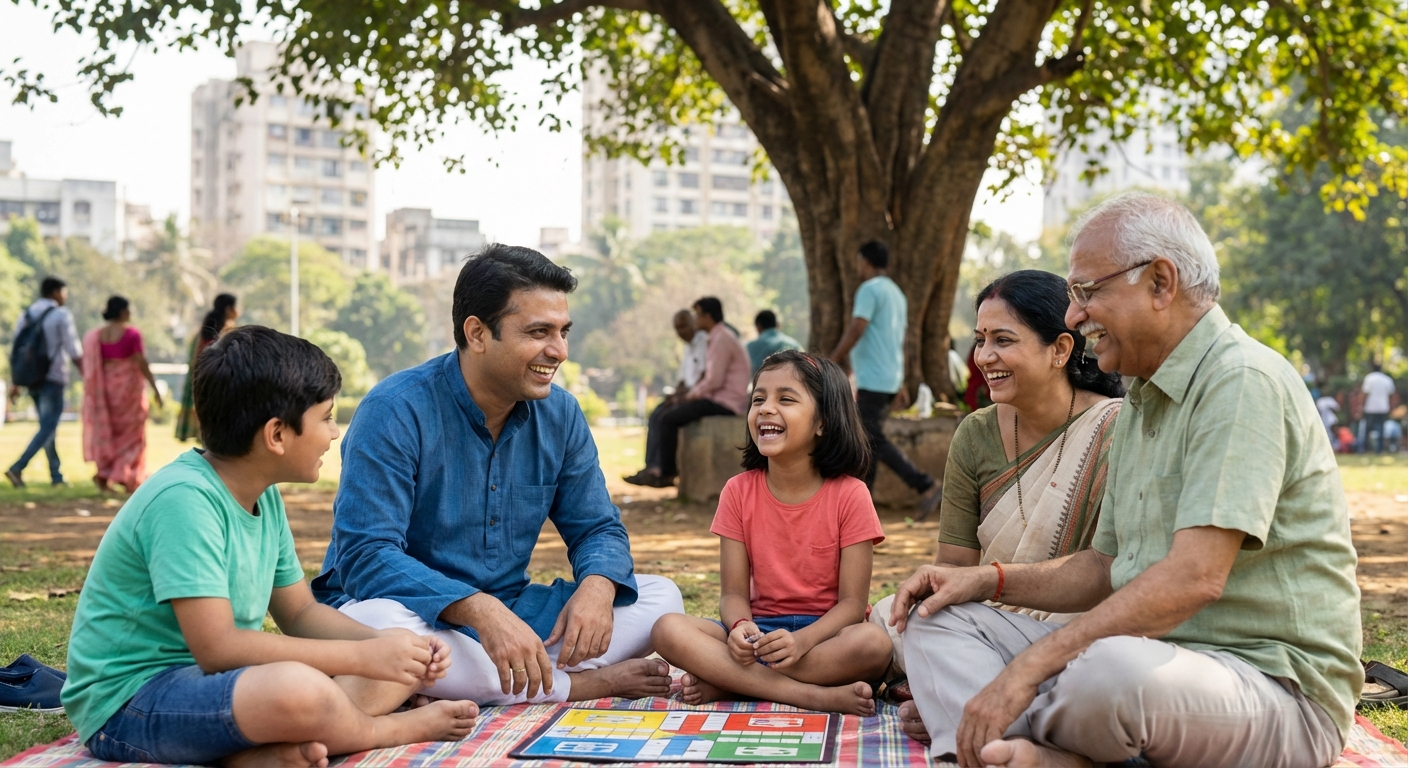
Build this resilience by spending quality time together, encouraging your child's interests and strengths, allowing them to make age-appropriate decisions, letting them experience natural consequences, and most importantly, being their safe harbor when the storms of life feel overwhelming.
Moving Forward with Hope
If you have read this article because you are worried about your child, I want you to know that there is hope. Childhood anxiety is highly treatable. With the right support, understanding, and intervention, anxious children can learn to manage their fears and lead fulfilling, successful lives.
The fact that you are educating yourself about this topic already shows that you are a caring, invested parent. That parental concern and love, when channeled appropriately, is your child's greatest asset.
If you would like to discuss your child's specific situation, I welcome you to visit my practice in Hyderabad. Together, we can understand what your child is experiencing and develop a personalized approach to help them thrive.
Remember, you do not have to navigate this journey alone. Sometimes, seeking guidance is the bravest and most loving thing a parent can do.
---Sudheer Sandra is a licensed psychologist and career counselor based in Hyderabad, India, with over 15 years of experience helping children, adolescents, and adults navigate mental health challenges and career decisions. His practice combines evidence-based psychological approaches with a deep understanding of the unique pressures faced by Indian families.