Understanding Autism Spectrum: A Guide for Parents and Families

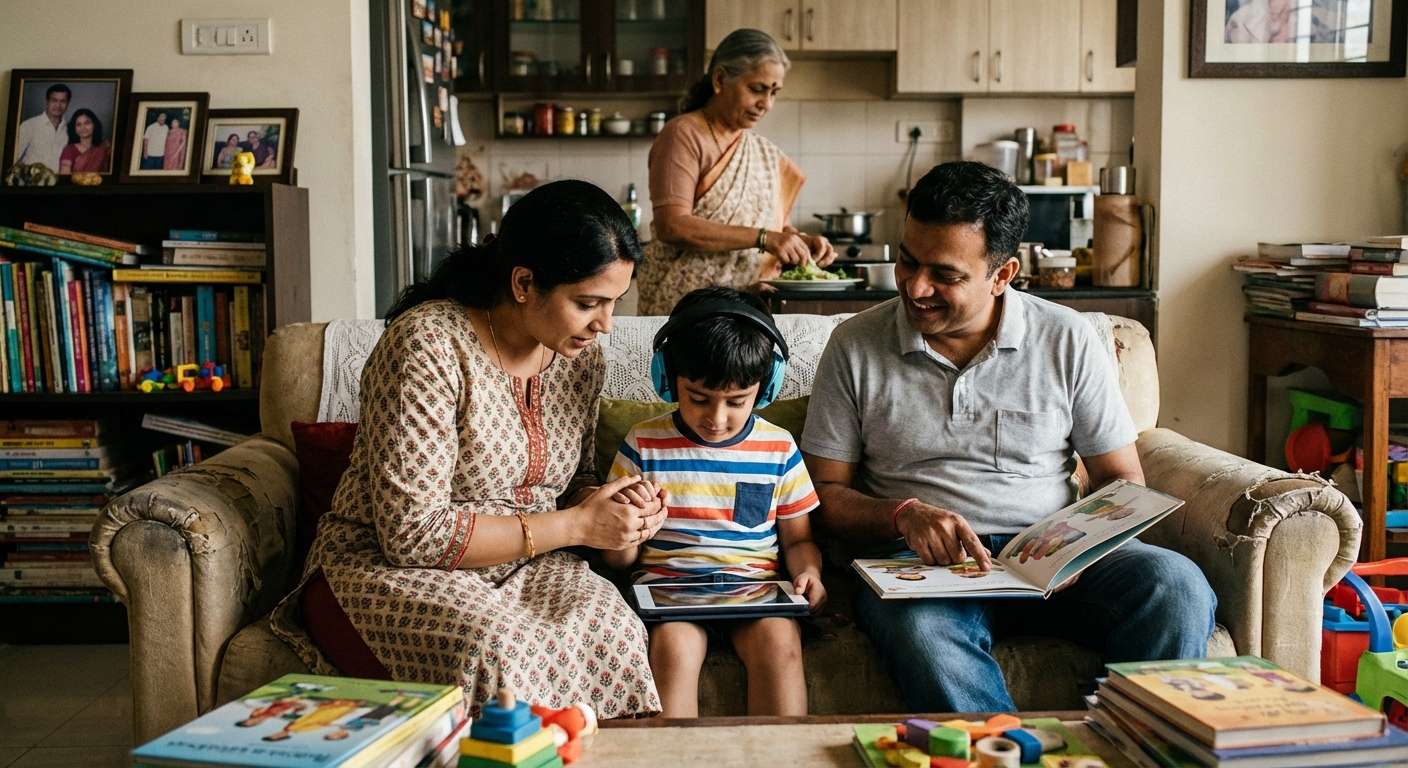
When Kavitha and Ramesh first noticed that their three-year-old son Arjun preferred lining up his toy cars in perfect rows rather than racing them around the room, they initially thought he was just an exceptionally organized child. It was only when his preschool teacher mentioned that Arjun rarely made eye contact with other children and seemed distressed by the classroom's morning music time that they began to wonder if something more was at play.
As a psychologist who has worked with hundreds of families in Hyderabad over the past fifteen years, I have witnessed countless parents navigate the journey of understanding their child's autism spectrum disorder (ASD). This guide aims to provide parents and families with comprehensive information about autism, from recognizing early signs to creating a supportive environment that helps their child thrive.
What Is Autism Spectrum Disorder?
Autism Spectrum Disorder is a neurodevelopmental condition that affects how a person perceives the world, processes information, and interacts with others. The term "spectrum" is crucial here because autism manifests differently in each individual. Some children may require significant support in daily activities, while others may need minimal assistance and possess exceptional abilities in specific areas.
It is important to understand that autism is not a disease or something that needs to be "cured." Rather, it represents a different way of experiencing and interacting with the world. Children with autism often have unique strengths, including exceptional memory, attention to detail, deep focus on areas of interest, and honest and direct communication styles.
According to recent studies, approximately 1 in 100 children globally are diagnosed with autism, though awareness and diagnostic capabilities continue to improve, particularly in India where historically many cases went unidentified.
Recognizing Early Signs of Autism
Early identification of autism can make a significant difference in a child's development. While every child develops at their own pace, certain patterns may warrant further evaluation.
Social Communication Differences
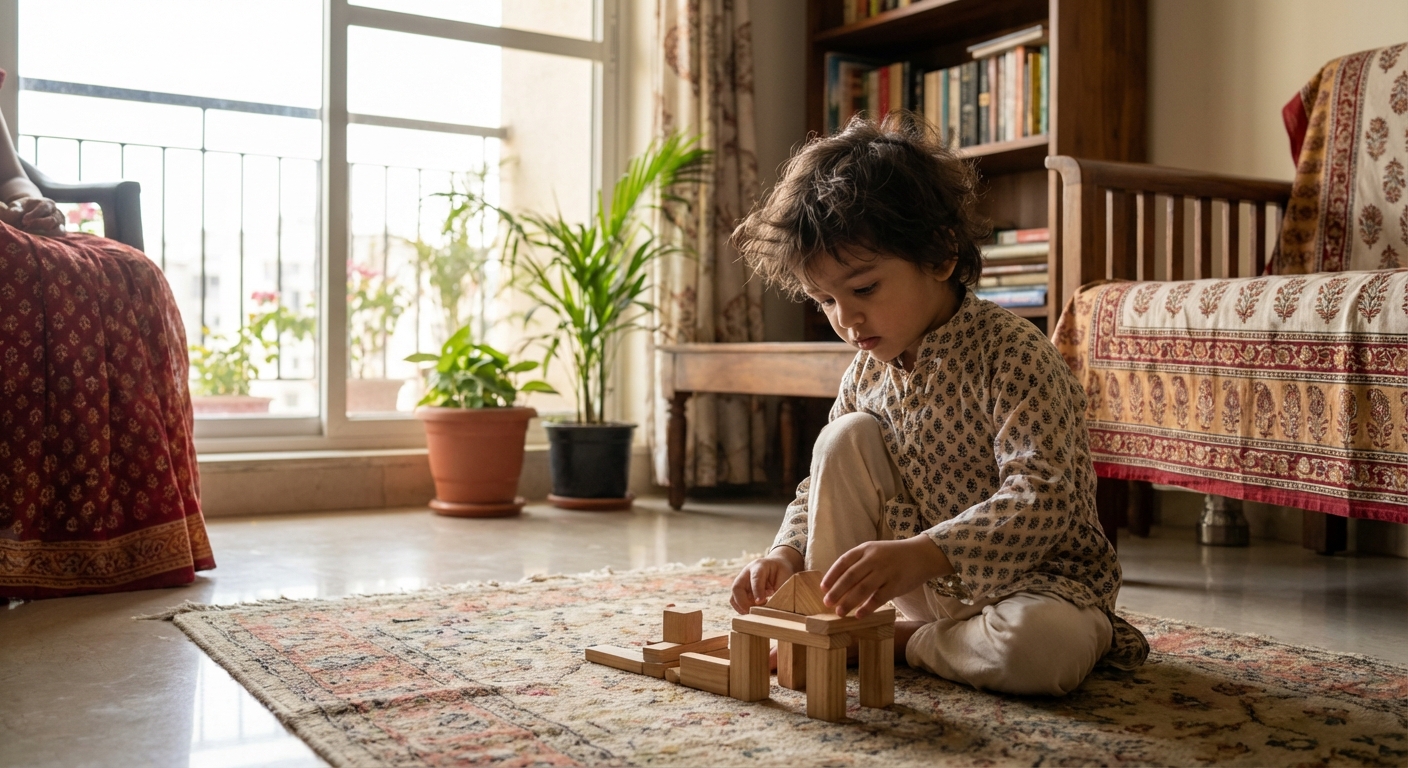
Children on the autism spectrum may show differences in how they communicate and connect with others. These can include:
- Limited or inconsistent eye contact during conversations
- Delayed speech development or unusual speech patterns
- Difficulty understanding non-verbal cues such as facial expressions and gestures
- Preference for solitary play rather than interactive games with peers
- Challenges in understanding the give-and-take of conversations
- Taking language very literally and missing implied meanings
Behavioral Patterns
Many children with autism display certain behavioral characteristics:
- Repetitive movements such as hand-flapping, rocking, or spinning
- Strong attachment to specific routines and distress when routines change
- Intense, focused interests in particular subjects or objects
- Unusual sensory responses, being either over-sensitive or under-sensitive to sounds, textures, lights, or smells
- Preference for sameness in food, clothing, or daily activities
The Diagnostic Process in India
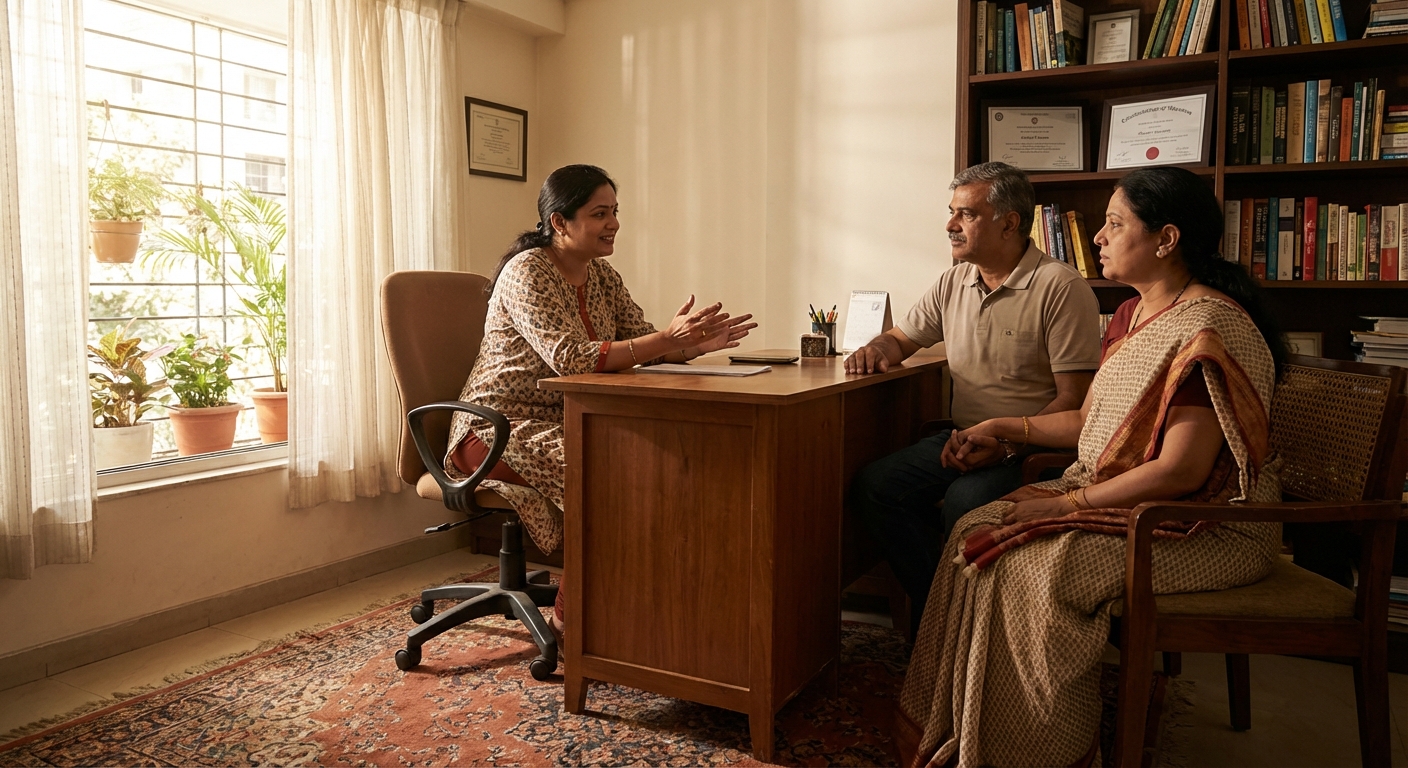
If you notice several of these signs in your child, the next step is seeking a professional evaluation. In India, the diagnostic process typically involves multiple specialists.
Who Can Diagnose Autism?
A comprehensive autism evaluation usually involves:
- A developmental pediatrician who assesses physical and developmental milestones
- A clinical psychologist who conducts standardized assessments and observations
- A speech and language therapist who evaluates communication abilities
- An occupational therapist who assesses sensory processing and motor skills
Understanding the Diagnosis
Receiving an autism diagnosis for your child can bring a mix of emotions. Many parents describe feelings of relief at finally having answers, grief for the expectations they may need to adjust, anxiety about the future, and determination to provide the best support possible.
All of these feelings are valid. Give yourself permission to process this information at your own pace. Remember that your child is the same person they were before the diagnosis. The label simply provides a framework for understanding their needs and accessing appropriate support.
Supporting Your Child's Development
Once you have a diagnosis, the focus shifts to creating an environment where your child can flourish. Here are evidence-based strategies that have helped many families I have worked with in Hyderabad.
Early Intervention
Research consistently shows that early intervention produces the best outcomes. Key therapies include:
Applied Behavior Analysis (ABA): This therapy focuses on developing social and communication skills while reducing challenging behaviors through positive reinforcement.
Speech and Language Therapy: This helps children develop communication abilities, whether through spoken language, sign language, or augmentative communication devices.
Occupational Therapy: This addresses sensory processing challenges, fine motor skills, and daily living activities.
Social Skills Training: Structured programs help children learn to navigate social situations and build peer relationships.
Creating a Supportive Home Environment
Your home should be a safe haven where your child feels understood and accepted. Consider these strategies:
Visual Supports: Many children with autism process visual information more easily than verbal instructions. Create visual schedules, use picture cards for routines, and provide visual timers for transitions.
Sensory Considerations: Identify your child's sensory preferences and challenges. Create a calm space where they can retreat when overwhelmed. Be mindful of lighting, sounds, and textures in your home.
Predictable Routines: Consistent daily routines help reduce anxiety. When changes are necessary, prepare your child in advance using social stories or visual previews.
Special Interests: Rather than discouraging your child's intense interests, use them as bridges for learning and connection. If your child loves trains, use trains to teach counting, reading, or social turn-taking.
Supporting Siblings and the Whole Family
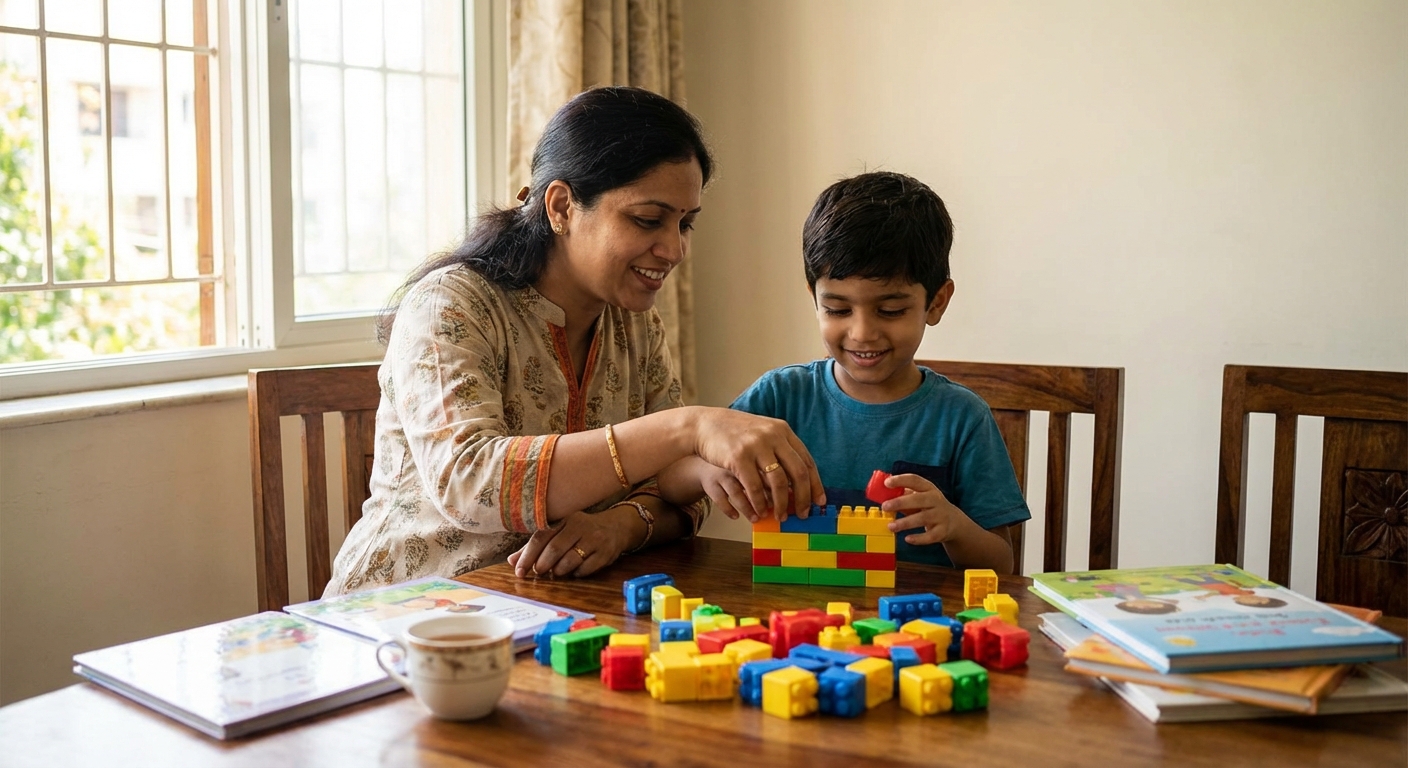
Autism affects the entire family system. Siblings may experience confusion about their brother's or sister's behaviors, feelings of being overlooked, embarrassment in social situations, pride and protectiveness toward their sibling, and development of exceptional empathy and patience.
Open, age-appropriate communication is essential. Help siblings understand autism in terms they can grasp. Create dedicated one-on-one time with each child. Consider sibling support groups where children can connect with others who share similar experiences.
The story of the Sharma family illustrates this well. When their son Vikram was diagnosed at age four, his older sister Ananya initially felt resentful of the attention he received. Through family counseling, we helped Ananya understand Vikram's needs and created special "sister time" activities. Today, Ananya is Vikram's strongest advocate and best friend.
Navigating the Educational System
Education is often a significant concern for parents. In India, options include:
Mainstream Schools with Support: Many children with autism thrive in regular classrooms with appropriate accommodations such as modified assignments, sensory breaks, and aide support.
Special Education Programs: Some children benefit from specialized programs designed specifically for children with developmental differences.
Inclusive Schools: These schools are specifically structured to integrate neurotypical children and children with special needs, providing benefits to all students.
Work closely with your child's school to develop an Individualized Education Program (IEP) that addresses their specific strengths and challenges. Regular communication between home and school is essential for consistency.
Self-Care for Parents and Caregivers
Caring for a child with autism can be both rewarding and exhausting. Your wellbeing matters not just for yourself, but for your entire family. Important self-care practices include:
Accept Support: Allow family members, friends, or professional caregivers to help. You cannot pour from an empty cup.
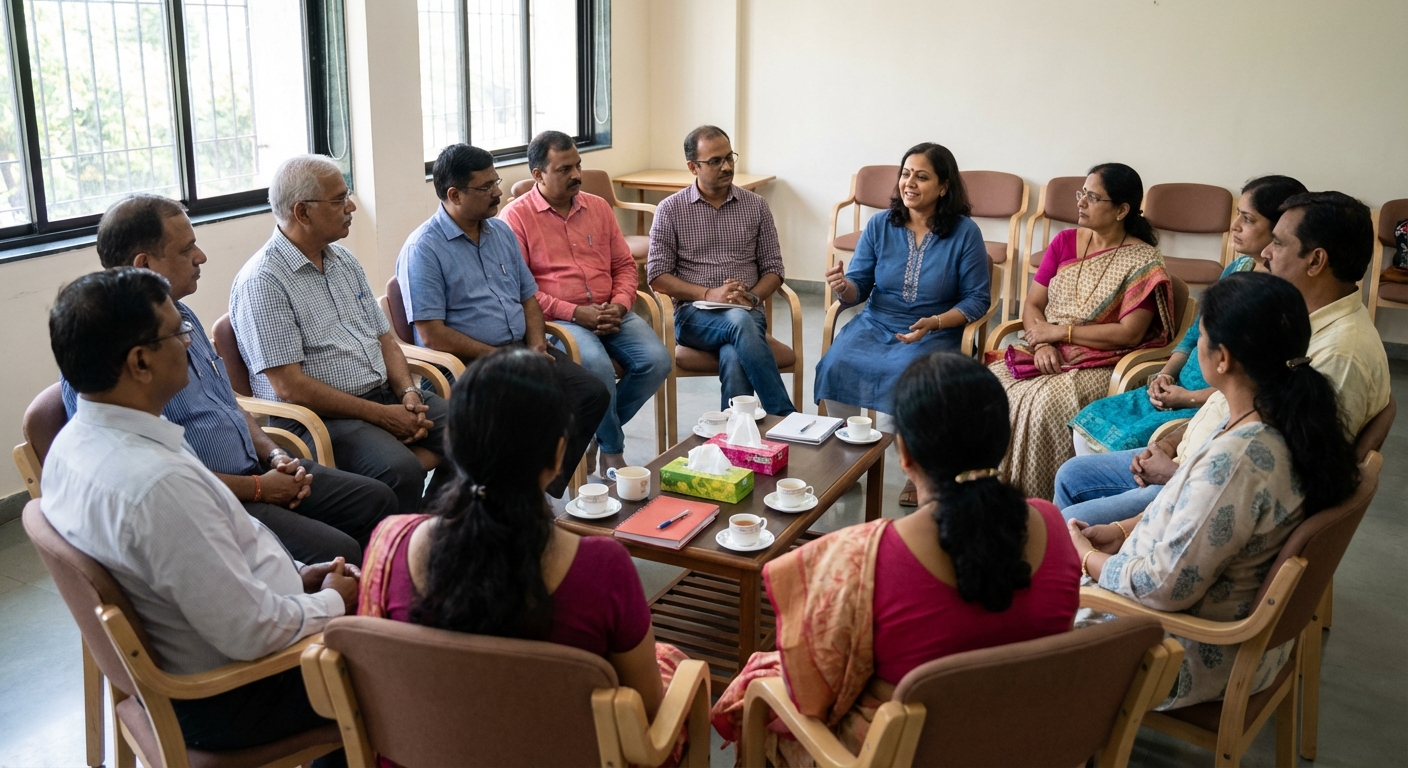
Connect with Other Parents: Parent support groups provide invaluable emotional support and practical advice from those who truly understand your journey.
Maintain Your Identity: While being a parent is a vital role, remember that you are also an individual with your own needs, interests, and relationships.
Seek Professional Support: Do not hesitate to consult a psychologist or counselor for yourself. Processing the emotions of this journey with professional guidance can be tremendously helpful.
Looking Toward the Future
One of the most common concerns parents express is worry about their child's future. While I cannot predict any individual child's trajectory, I can share that many individuals with autism lead fulfilling lives with meaningful relationships, employment, and independence.
The landscape for autism support in India is improving rapidly. More schools are becoming inclusive, workplaces are recognizing the valuable contributions of neurodiverse employees, and societal awareness is growing. Your advocacy for your child today contributes to a more accepting world for all individuals on the spectrum.
Focus on celebrating your child's progress, no matter how small it may seem. Every new word, every social connection, every mastered skill is a victory worth acknowledging.
A Message of Hope
If you are reading this as a parent who has just received a diagnosis for your child, or as someone who suspects their child may be on the autism spectrum, I want you to know that you are not alone. Thousands of families across India are navigating similar journeys, and with the right support, children with autism can lead happy, meaningful lives.
Your child is not defined by their diagnosis. They are a unique individual with their own personality, talents, and potential. Your role as a parent is to create an environment where that potential can flourish.
At my practice in Hyderabad, I work with families at every stage of the autism journey, from initial concerns and assessment to ongoing support and family counseling. If you would like to discuss your child's development or need guidance navigating this path, I invite you to schedule a consultation. Together, we can create a roadmap that honors your child's uniqueness while providing the support they need to thrive.
Remember, seeking help is a sign of strength, not weakness. Your willingness to learn and advocate for your child is already making a difference in their life.
---Sudheer Sandra is a licensed psychologist and career counselor based in Hyderabad, India, with over 15 years of clinical experience. He specializes in anxiety, depression, relationship issues, and career counseling. To schedule a consultation regarding autism assessment, family support, or any other psychological concerns, please contact his practice in Hyderabad.