Healing from Toxic Parents: Setting Boundaries While Honoring Your Roots


In my fifteen years of clinical practice in Hyderabad, few topics evoke as much internal conflict in my clients as the relationship with their parents. The cultural fabric of India is woven with deep respect for elders, filial piety, and the expectation that parents are always to be honored. Yet, when I sit across from someone whose childhood was marked by emotional neglect, constant criticism, or controlling behavior, I witness the profound struggle of reconciling cultural expectations with personal healing.
This article is for those of you who carry invisible wounds from your childhood home. It is possible to heal from toxic parenting while still honoring your roots. The two are not mutually exclusive, though the path requires courage, self-compassion, and often professional support.
Understanding Toxic Parenting: Beyond Physical Harm
When we speak of toxic parenting in Indian households, we must first acknowledge that it rarely appears in the forms depicted in Western psychology textbooks. Our cultural context shapes how toxicity manifests and how it is often normalized or dismissed.
Toxic parenting encompasses any consistent pattern of behavior that damages a child's emotional, psychological, or physical wellbeing. This includes:
Emotional Unavailability: Parents who provide food, shelter, and education but remain emotionally distant, dismissive of feelings, or unable to offer comfort during distress.
Excessive Control and Enmeshment: Parents who do not recognize their children as separate individuals, making all decisions for them well into adulthood, from career choices to marriage partners.
Constant Criticism and Comparison: The painful experience of never being good enough, always compared unfavorably to siblings, cousins, or neighbors' children.
Conditional Love: Affection and approval given only when the child meets certain expectations, withdrawn as punishment for independence or perceived failures.
Emotional Manipulation: Using guilt, shame, or threats of illness or abandonment to control behavior.
Parentification: Placing adult responsibilities on children, making them caregivers for parents' emotional needs or mediators in parental conflicts.

The Long Shadow: How Toxic Parenting Affects Adult Children
Consider Meera (name changed), a 32-year-old IT professional who came to me with severe anxiety and an inability to make decisions. Throughout her childhood, her mother made every choice for her, from what to wear to which friends were acceptable. Any attempt at independence was met with accusations of being ungrateful or selfish. Today, Meera freezes when faced with even simple choices, paralyzed by the fear of making mistakes and the deeply ingrained belief that she cannot trust her own judgment.
Or take Vikram (name changed), a successful businessman in his forties who struggles with chronic depression. His father's constant criticism and comparison to his academically brilliant sister left him with a persistent inner voice that tells him he is worthless, no matter how much external success he achieves.
The impact of toxic parenting extends far beyond childhood:
Self-Worth and Identity: Children raised in toxic environments often develop a fractured sense of self. They may struggle to know who they are outside of their parents' expectations or criticisms.
Relationship Patterns: We tend to recreate familiar dynamics. Those raised with controlling parents may either become controlling themselves or seek out controlling partners. Those who experienced conditional love may constantly work to earn affection, never feeling secure in relationships.
Anxiety and Depression: The hypervigilance required to navigate a toxic home often translates into chronic anxiety in adulthood. Depression frequently accompanies the grief of not having had the parents one needed.
Difficulty with Boundaries: If your boundaries were consistently violated as a child, learning to set and maintain them as an adult becomes incredibly challenging.
People-Pleasing and Perfectionism: When love was conditional on performance, perfectionism becomes a survival strategy that persists long after leaving the family home.
The Indian Family Context: Unique Challenges
In India, the concept of individual boundaries within families is relatively new and often misunderstood. The joint family system, while offering many benefits, can also create environments where toxic patterns become normalized and even romanticized.

Several cultural factors complicate healing from toxic parents in the Indian context:
The Sanctity of Parents: In our culture, parents are often placed on a pedestal close to divine figures. Acknowledging that parents can be harmful feels like a betrayal of sacred values.
Collective Identity Over Individual Needs: The emphasis on family reputation and collective harmony often means individual suffering is minimized or ignored. "Log kya kahenge" (What will people say) becomes more important than psychological wellbeing.
Marriage and Extended Family Pressures: Even as adults, interference in marriage choices, in-law dynamics, and extended family expectations can perpetuate toxic patterns.
Economic and Social Dependencies: Many adult children remain financially dependent on parents longer than in Western cultures, making boundary-setting more complex.
Lack of Mental Health Awareness: In many families, psychological concepts like boundaries, emotional needs, and trauma are foreign or dismissed as Western influences.
Setting Boundaries: A Practical Guide
Setting boundaries with toxic parents is not about punishment or revenge. It is about protecting your mental health while maintaining whatever relationship is possible and healthy.
Step 1: Acknowledge Your Reality
The first step is often the hardest: allowing yourself to see your parents clearly, as imperfect humans who may have caused harm, regardless of their intentions. This is not about blame but about truth. You cannot heal from wounds you refuse to acknowledge.
Step 2: Identify Your Non-Negotiables
What behaviors can you no longer tolerate? Perhaps it is criticism of your spouse, unsolicited opinions about your parenting, or invasive questions about your finances. Be specific about what crosses the line.
Step 3: Communicate Clearly and Calmly
When setting a boundary, be direct but respectful. Use "I" statements: "I feel hurt when my choices are criticized. I need you to trust my judgment as an adult." Avoid accusations or bringing up past grievances.
Step 4: Enforce Consequences Consistently
A boundary without consequences is merely a suggestion. If your boundary is violated, follow through with the stated consequence, whether that is ending a phone call, leaving a gathering, or limiting contact.
Step 5: Manage Your Guilt
Guilt is almost inevitable when setting boundaries with parents in Indian culture. Remind yourself that boundaries are not walls; they are gates. They determine what behavior you allow, not whether you love your parents.
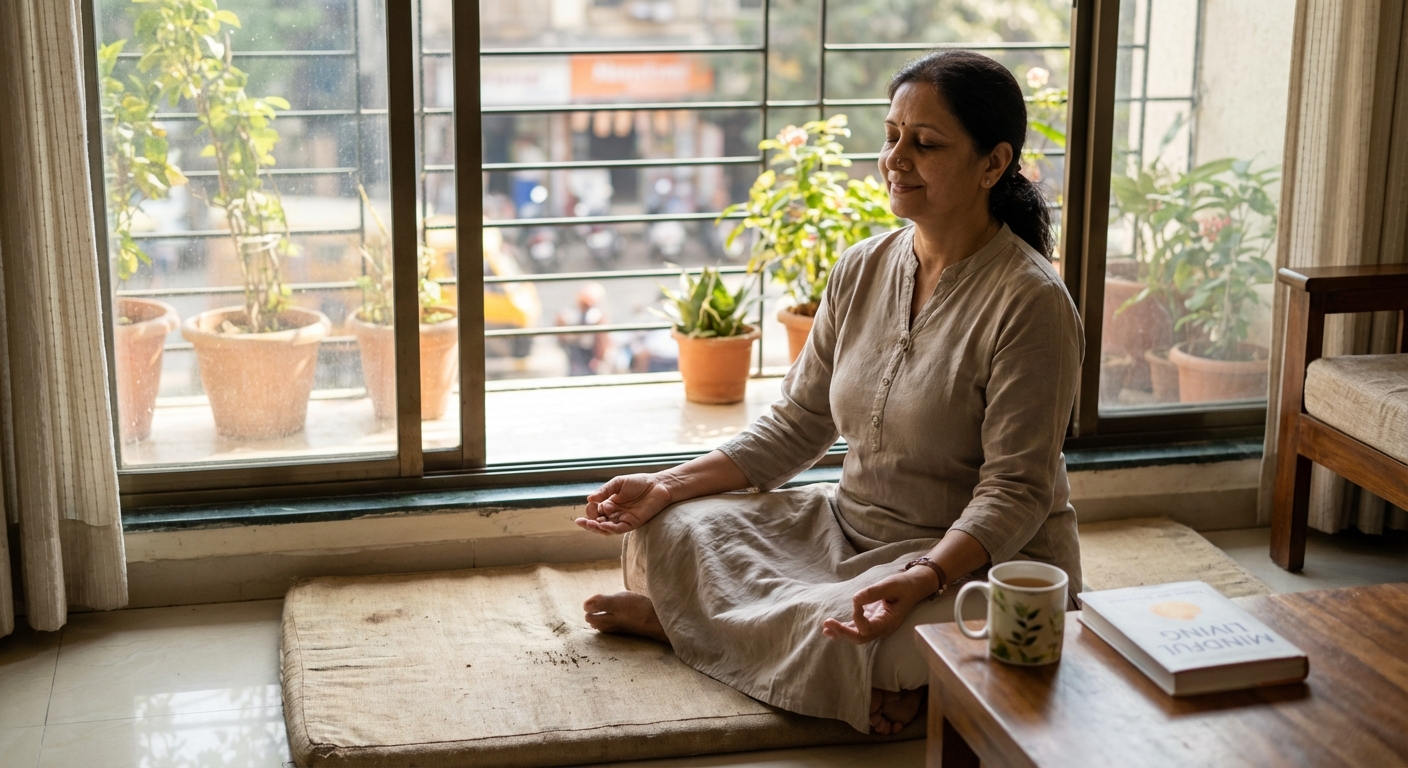
Healing: A Journey, Not a Destination
Healing from toxic parenting is not linear. It involves grief for the childhood you deserved but did not receive, anger that may feel uncomfortable, and eventually, a form of acceptance that does not mean approval.
Seek Professional Support: A trained therapist can provide the safe space needed to process childhood experiences, develop coping strategies, and guide you through the boundary-setting process.
Build Your Chosen Family: Surround yourself with friends and mentors who offer the healthy relationships your family of origin may not have provided.
Practice Self-Compassion: The inner critic developed in toxic homes can be brutal. Learning to speak to yourself with kindness is revolutionary.
Allow Space for Complexity: Your parents may have loved you in their capacity while still causing harm. Both can be true. You can acknowledge their struggles while still holding them accountable for their behavior.
Consider Limited Contact if Necessary: Sometimes, the healthiest choice is to limit contact with toxic parents. This is not abandonment; it is self-preservation.
Honoring Your Roots While Honoring Yourself
The beautiful truth is that you can love your culture, respect your heritage, and still break harmful patterns. In fact, by healing yourself, you honor your roots in the most profound way: by ensuring that the wounds of past generations do not pass to future ones.
You can attend family functions while maintaining boundaries. You can respect elders without accepting abuse. You can be a good son or daughter without sacrificing your mental health.
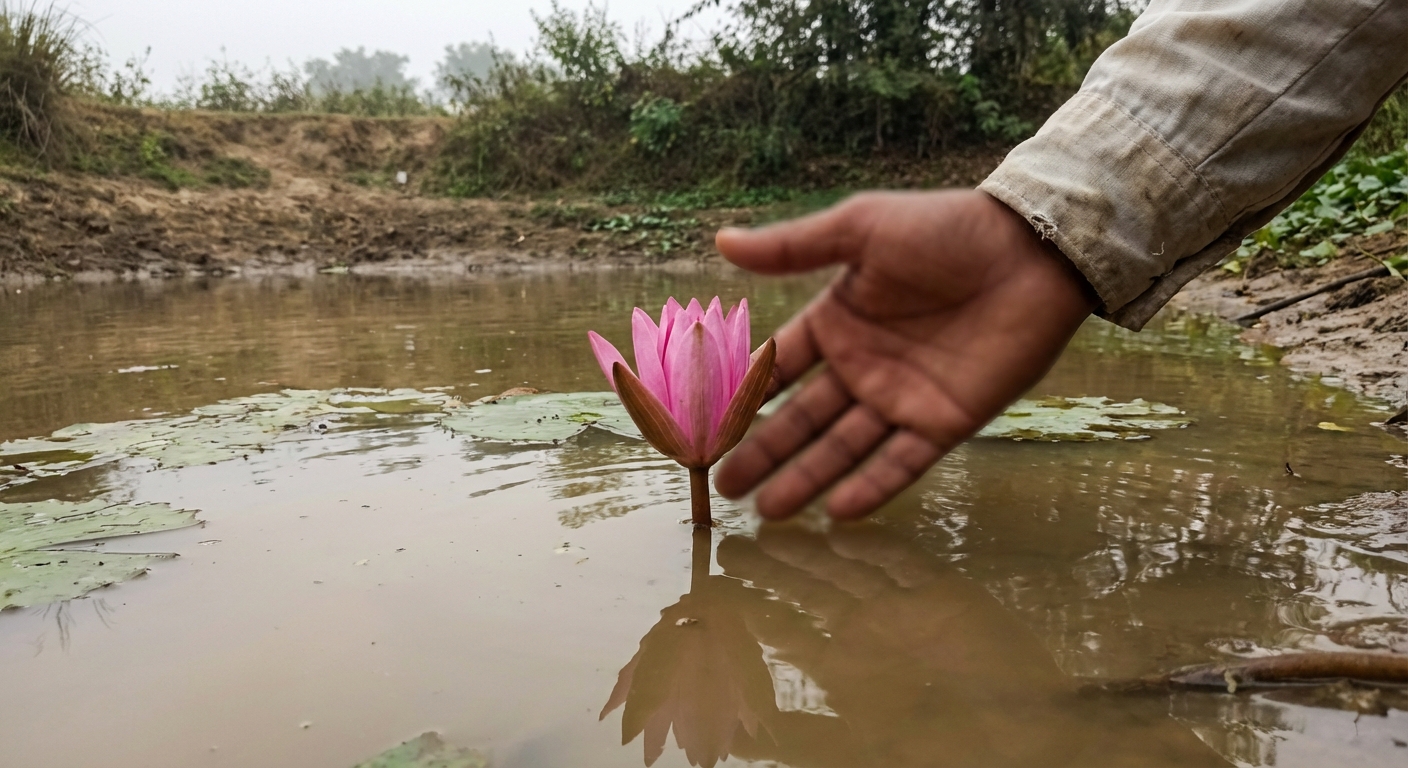
A Note on Forgiveness
I am often asked about forgiveness. My perspective is this: forgiveness is not required for healing. If it comes naturally, it can be liberating. But forced forgiveness that bypasses genuine healing often becomes another form of self-betrayal.
Focus first on healing, on understanding, on building a life that reflects your true self. Forgiveness, if it comes, will arrive in its own time.
Moving Forward
If you recognize yourself in this article, please know that you are not alone. The path from toxic family dynamics to healthy relationships is well-traveled, and healing is absolutely possible.
The wounds from our first relationships are deep, but they need not define us forever. With courage, support, and consistent effort, you can break free from destructive patterns while still holding space for the good that existed in your upbringing.
---If you are struggling with family relationship issues, anxiety, or the lasting effects of a difficult childhood, I invite you to reach out. At my practice in Hyderabad, I offer a safe, non-judgmental space to explore these sensitive issues. Whether through individual therapy or family counseling, I am here to support your journey toward healing and healthier relationships.
To schedule a consultation, please contact my clinic. Your story matters, and your healing is possible.
---About the Author: Sudheer Sandra is a licensed psychologist and career counselor based in Hyderabad, India, with over 15 years of clinical experience. He specializes in anxiety, depression, relationship issues, and career counseling. His approach combines evidence-based therapeutic techniques with cultural sensitivity, helping clients navigate the unique challenges of modern Indian life while honoring their roots.