Overcoming Phone Addiction in Teenagers: A Guide for Parents


In my fifteen years of clinical practice in Hyderabad, few concerns have become as pervasive as parents seeking help for their teenager's smartphone addiction. What began as a trickle of worried mothers and fathers has become a steady stream of families grappling with this modern challenge. The smartphone, while being an incredible tool for learning and connection, has also become a source of significant psychological distress for many young people and their families.
Understanding Phone Addiction in the Indian Context
Before we discuss solutions, it is essential to understand what we mean by phone addiction. Clinically, we look for patterns where smartphone use interferes with daily functioning, causes distress when the device is unavailable, and continues despite negative consequences. In teenagers, this often manifests as declining academic performance, disrupted sleep patterns, withdrawal from family activities, and irritability when asked to put the phone away.
I recall working with the Sharma family last year. Their sixteen-year-old son, Arjun (name changed), had gone from being a bright, socially active student to spending upwards of eight hours daily on his phone, primarily on social media and gaming apps. His grades had dropped significantly, he had stopped playing cricket with his friends, and family dinners had become battlegrounds over phone use. Mrs. Sharma told me through tears, "It feels like we have lost our son to that device."
The Sharmas' story is far from unique. Recent studies suggest that Indian teenagers spend an average of four to six hours daily on their smartphones, with many exceeding this significantly. The pandemic years accelerated this trend, as phones became the primary means of education and socialization, blurring the boundaries between necessary and excessive use.
Recognizing the Warning Signs
As parents, it is crucial to differentiate between normal teenage phone use and problematic addiction. Here are the key warning signs I advise parents to watch for:
Behavioral Changes:
- Increasing secrecy about phone activities
- Anger, anxiety, or depression when phone access is restricted
- Neglecting homework, hobbies, or responsibilities
- Declining interest in face-to-face interactions
- Using the phone during inappropriate times, such as family meals or late at night
- Disrupted sleep patterns or insomnia
- Eye strain or frequent headaches
- Poor posture and associated neck or back pain
- Neglecting personal hygiene
- Changes in appetite or eating habits
- Mood swings related to online interactions
- Withdrawal from family and friends
- Increased anxiety about missing out on online activities
- Low self-esteem, often linked to social media comparisons
- Difficulty concentrating on tasks that do not involve the phone

The Psychological Impact of Phone Addiction
Understanding the psychological mechanisms at play can help parents approach this issue with greater empathy and effectiveness. Smartphones, particularly social media platforms and games, are designed to be engaging. They trigger dopamine release in the brain, the same neurotransmitter associated with pleasure and reward. For a developing teenage brain, which is particularly susceptible to reward-seeking behavior, this can create a powerful pull that is difficult to resist.
The consequences extend far beyond mere distraction:
Impact on Mental Health: Excessive phone use has been linked to increased rates of anxiety and depression in teenagers. The constant comparison with curated online personas can damage self-esteem. Cyberbullying, a concern that many parents underestimate, can have devastating effects on a young person's mental health.
Impact on Cognitive Development: The brain continues developing well into the mid-twenties. Excessive screen time during these formative years can affect attention span, memory consolidation, and the development of critical thinking skills. I have observed many teenagers who struggle to focus on any task that does not provide the instant gratification their phones offer.
Impact on Social Development: Adolescence is a critical period for developing social skills. When face-to-face interactions are replaced by digital communication, teenagers miss opportunities to learn nuanced social cues, develop empathy, and build deep, meaningful relationships.
Impact on Physical Health: Beyond the obvious concerns of sedentary behavior and poor posture, sleep disruption is perhaps the most significant physical consequence. Blue light from screens interferes with melatonin production, and the stimulating content keeps the brain active when it should be winding down. Poor sleep, in turn, affects mood, academic performance, and overall health.
A Case Study: The Transformation of Priya
Let me share another case from my practice. Priya (name changed), a fourteen-year-old from a joint family in Secunderabad, was referred to me by her school counselor. Her parents were both working professionals, and Priya had been given a smartphone at twelve for safety and communication purposes. Over two years, her screen time had crept up to ten hours daily. She was failing in school, had stopped attending her Bharatanatyam classes, and had become increasingly isolated.

Working with Priya and her family over six months, we implemented a structured intervention. Today, Priya manages her phone use healthily, has reconnected with her dance, and reports feeling happier and more in control of her life. Her case illustrates that with proper support and strategies, recovery is absolutely possible.
Practical Intervention Strategies for Parents
Based on my clinical experience, here are evidence-based strategies that can help your family navigate this challenge:
1. Open Communication Without Judgment
Begin by having an honest conversation with your teenager about your concerns. Avoid accusatory language or ultimatums. Instead of saying "You are addicted to your phone," try "I have noticed you seem tired lately, and I am worried about you." Create a safe space for your child to share their perspective. Often, excessive phone use masks underlying issues such as social anxiety, academic pressure, or a need for connection that is not being met elsewhere.
2. Establish Clear Boundaries Together
Rather than imposing rules unilaterally, involve your teenager in creating phone use guidelines. This collaborative approach increases buy-in and teaches valuable self-regulation skills. Consider:
- Designating phone-free times, such as during meals, homework hours, and one hour before bedtime
- Creating phone-free zones, particularly bedrooms
- Setting daily screen time limits using built-in phone features
- Establishing consequences for violating agreed-upon rules
3. Model Healthy Phone Use
Children learn by observation. If parents are constantly on their phones, teenagers will likely mirror this behavior. Examine your own phone habits honestly. Make a family commitment to healthier technology use, and follow through visibly.
4. Provide Engaging Alternatives
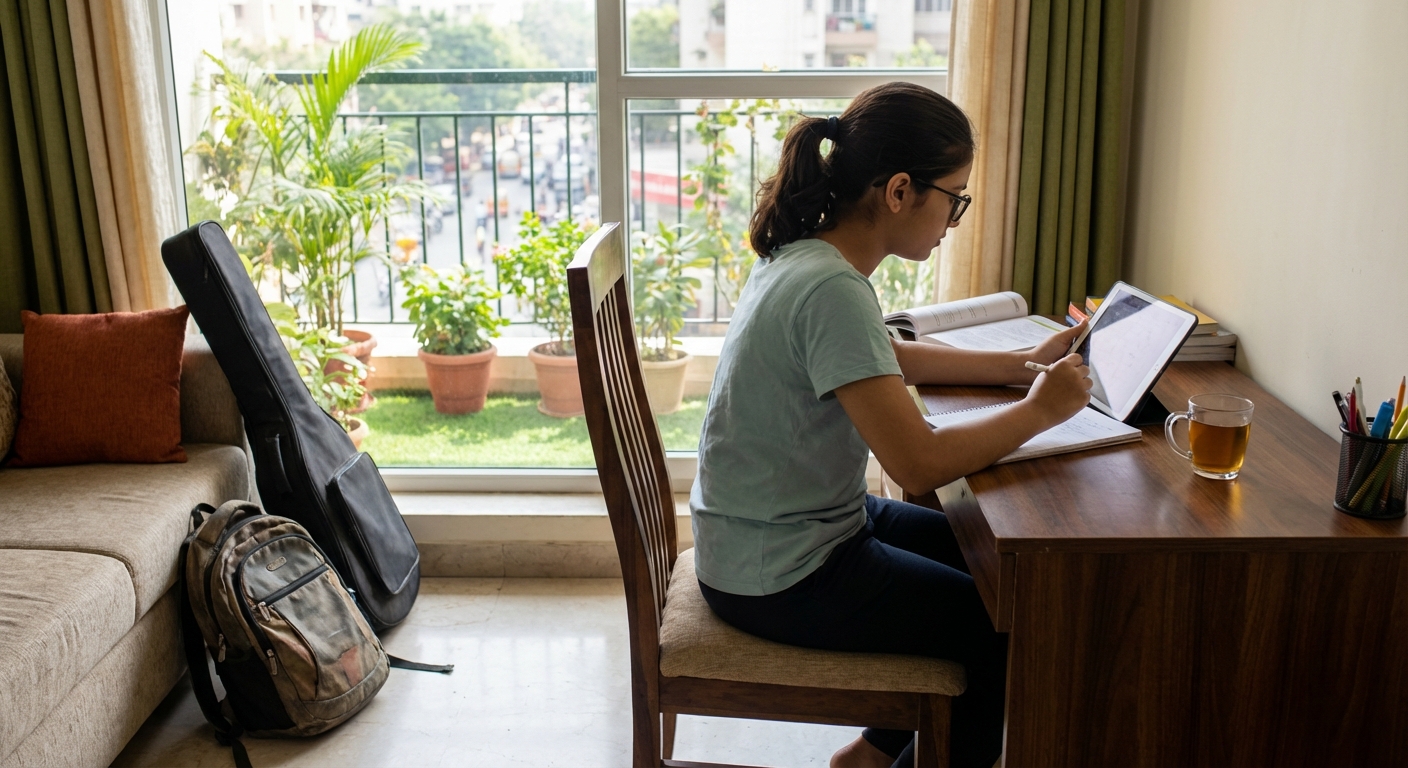
One common mistake parents make is removing the phone without providing alternatives. Teenagers turn to their phones partly out of boredom and the need for stimulation. Help your child discover or reconnect with offline activities they enjoy. This might include sports, music, art, reading, or spending time with friends in person.
5. Address Underlying Issues
As I mentioned, excessive phone use often masks deeper concerns. Is your teenager struggling with anxiety? Do they feel pressure to maintain an online persona? Are they escaping from academic stress or family conflict? Addressing these root causes is essential for lasting change.
6. Gradual Reduction Rather Than Cold Turkey
Abruptly removing phone access can backfire, leading to increased conflict and secretive behavior. Instead, work towards gradual reduction. If your teenager currently uses their phone for eight hours daily, aim for seven hours in the first week, then six, and so on.

7. Seek Professional Help When Needed
If your efforts at home are not yielding results, or if your teenager shows signs of severe depression, anxiety, or other mental health concerns, please do not hesitate to seek professional help. A trained psychologist can provide assessment, family therapy, and individualized intervention strategies.
Creating a Long-Term Healthy Relationship with Technology
The goal is not to eliminate smartphone use entirely. In today's world, that would be neither practical nor desirable. Instead, we aim to help teenagers develop a healthy, balanced relationship with technology, one where they control their phone use rather than being controlled by it.
This involves teaching digital literacy, helping young people understand how apps are designed to capture attention, recognize manipulation tactics, and make conscious choices about their online engagement. It also means fostering critical thinking about online content and developing healthy coping mechanisms for stress and boredom that do not involve reaching for the phone.
A Message of Hope
To the parents reading this article, feeling worried or even desperate about your teenager's phone use, I want to offer a message of hope. In my years of practice, I have seen many families navigate this challenge successfully. With patience, understanding, appropriate boundaries, and sometimes professional support, teenagers can and do develop healthier relationships with their devices.
Remember that this is a journey, not a quick fix. There will be setbacks and difficult conversations. But the effort you put in now will benefit your child for the rest of their life, equipping them with self-regulation skills and healthy habits that extend far beyond phone use.
Take the First Step
If you are struggling with your teenager's phone addiction and would like professional guidance, I invite you to schedule a consultation at my practice in Hyderabad. Together, we can assess your family's specific situation, identify underlying factors, and develop a customized intervention plan that works for your unique circumstances.
Every family's journey is different, and there is no one-size-fits-all solution. What I can promise is a compassionate, evidence-based approach that respects both your concerns as a parent and your teenager's developmental needs.
Do not let phone addiction strain your relationship with your child or derail their potential. Help is available, and change is possible.
---Sudheer Sandra is a licensed psychologist and career counselor based in Hyderabad, India, with over 15 years of clinical experience. He specializes in anxiety, depression, relationship issues, and career counseling. To schedule a consultation, please contact his practice in Hyderabad.