Supporting a Loved One with Mental Illness: A Caregiver's Guide

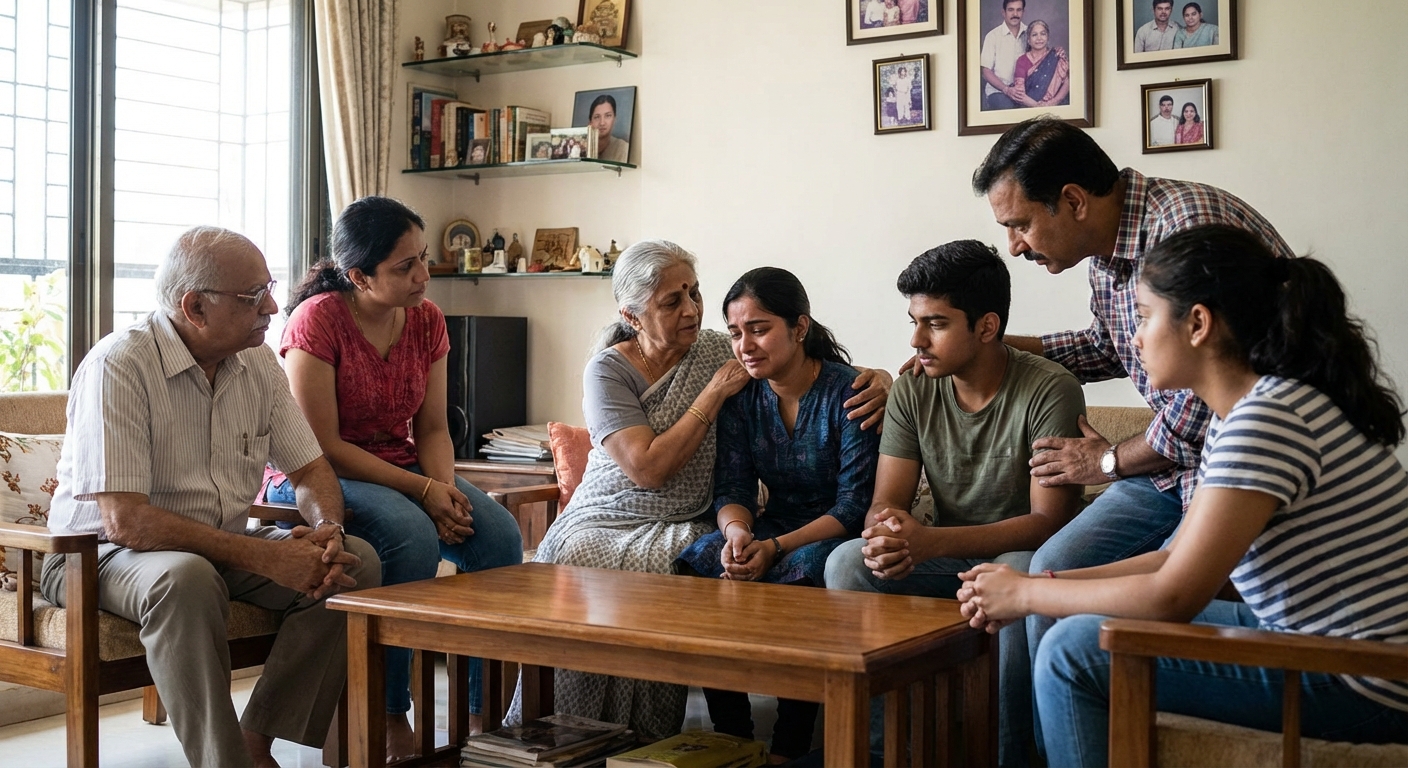
In my fifteen years as a psychologist in Hyderabad, I have sat across from countless family members whose eyes held the same mixture of love, confusion, and exhaustion. They come to my practice asking variations of the same question: "How do I help them?"
I remember Lakshmi (name changed), a mother in her fifties who came to see me after her son was diagnosed with bipolar disorder. She sat in my office, twisting the edge of her saree, and said something that has stayed with me: "I would give anything to take this illness from him and carry it myself." That moment crystallized for me what caregiving truly means in our Indian context - it is not just about managing symptoms or medications. It is about love that runs so deep it would bear any burden.
If you are reading this, you are likely on a similar journey. Perhaps your spouse struggles with depression, your aging parent has developed anxiety, or your child has been diagnosed with a condition you barely understand. I want you to know that you are not alone, and there is a path forward - one that honors both your loved one's needs and your own.
Understanding What Your Loved One Is Experiencing
Before we can support someone effectively, we must first try to understand their inner world. Mental illness is not a character flaw or a lack of willpower - it is a medical condition that affects how the brain functions.
When Rajesh (name changed), a successful IT professional, developed severe anxiety, his family initially struggled to understand why he could not "just relax." His father, a retired army officer, would say, "In my time, we did not have these problems. We just got on with life." This generational gap in understanding is something I encounter frequently in my practice.
Research from the National Institute of Mental Health and Neurosciences (NIMHANS) tells us that approximately 150 million Indians need active mental health intervention. Yet our cultural frameworks often lack the vocabulary to discuss these challenges openly. We might describe someone as "pagal" or "weak-minded" when what they actually need is compassion and treatment.
I often explain to families that mental illness changes the brain's chemistry and functioning. Telling someone with depression to "cheer up" is like telling someone with diabetes to simply "produce more insulin." The intention may be good, but it misses the fundamental nature of the condition.
The Unique Challenges of Caregiving in Indian Families
Our joint family system, while a source of tremendous support, also presents unique challenges when mental illness enters the picture.
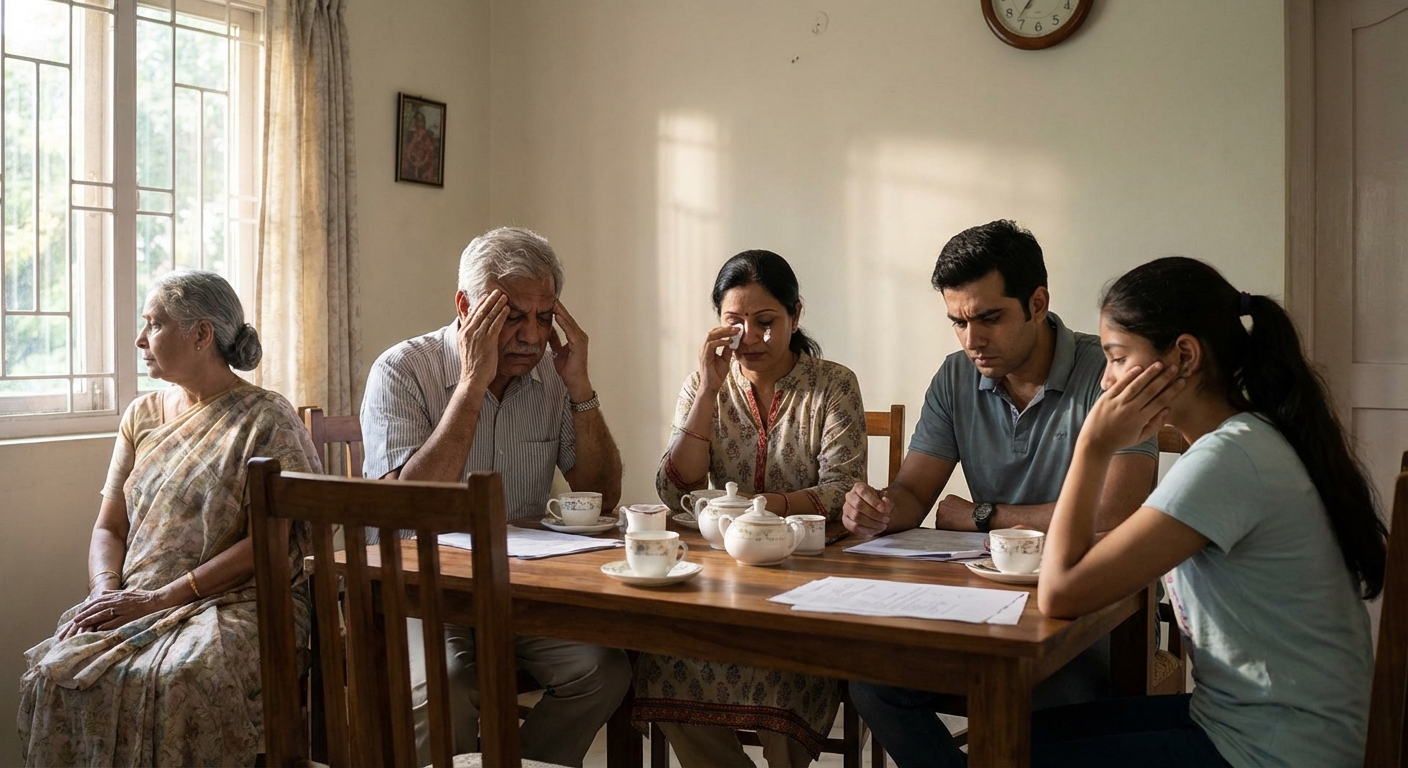
In many households I work with, there are multiple opinions about how to handle a family member's mental health condition. Grandmother might advocate for temple visits and traditional remedies. Father might insist on keeping things private to protect the family's reputation. Mother might want to try modern treatment but feels caught between these perspectives.
I worked with a family where the young daughter, Priya (name changed), was experiencing severe depression following a traumatic event. The family's initial instinct was to arrange her marriage quickly, believing that a husband and children would "cure" her sadness. It took several sessions to help them understand that untreated depression would only create more suffering - for Priya and for any future family she might have.
The stigma surrounding mental illness in our society remains one of the biggest barriers to treatment. Families worry about marriage prospects, social standing, and what the neighbors will think. These concerns are real and valid - I do not dismiss them. But I also remind families that untreated mental illness has far greater consequences than seeking help ever could.
Practical Strategies for Daily Caregiving
Let me share some concrete approaches that have helped the families I work with:
1. Educate Yourself About the Condition
Knowledge reduces fear. Learn about your loved one's specific diagnosis - its symptoms, treatment options, and typical course. When you understand that your wife's irritability during a depressive episode is a symptom, not a personal attack, you can respond with patience rather than hurt.
I recommend resources from organizations like the Vandrevala Foundation and iCall, which offer information in multiple Indian languages.
2. Create a Supportive Home Environment
Small changes can make a significant difference. Maintain predictable routines, as structure provides comfort when the mind feels chaotic. Reduce sources of unnecessary stress. Ensure the home has quiet spaces for rest.
One family I counseled created a "peace corner" in their Hyderabad apartment - a small space with comfortable seating, soft lighting, and calming music. Their son with anxiety would retreat there during overwhelming moments, and it became a signal to the family that he needed some space without having to explain himself each time.

3. Practice Compassionate Communication
How we speak to our loved ones matters immensely. Avoid phrases that minimize their experience, such as:
- "Others have it worse"
- "Just think positive"
- "You have everything - what is there to be sad about?"
- "I am here for you"
- "This must be really difficult"
- "How can I support you today?"
- "Your feelings are valid"
4. Establish Boundaries with Love
This is perhaps the most challenging aspect of caregiving. Supporting someone does not mean sacrificing your own wellbeing entirely. You cannot pour from an empty cup, as the saying goes.
I counsel caregivers to set clear boundaries while expressing love. For instance: "I love you and want to support you. I will not, however, accept being spoken to disrespectfully when you are having a difficult day. Let us find other ways to communicate during those moments."
5. Build a Treatment Team
Mental health care works best as a collaborative effort. This might include:
- A psychiatrist for medication management
- A psychologist or counselor for therapy
- A support group for your loved one
- A caregiver support group for yourself
- Trusted family members who can share responsibilities
Taking Care of Yourself: The Caregiver's Wellbeing
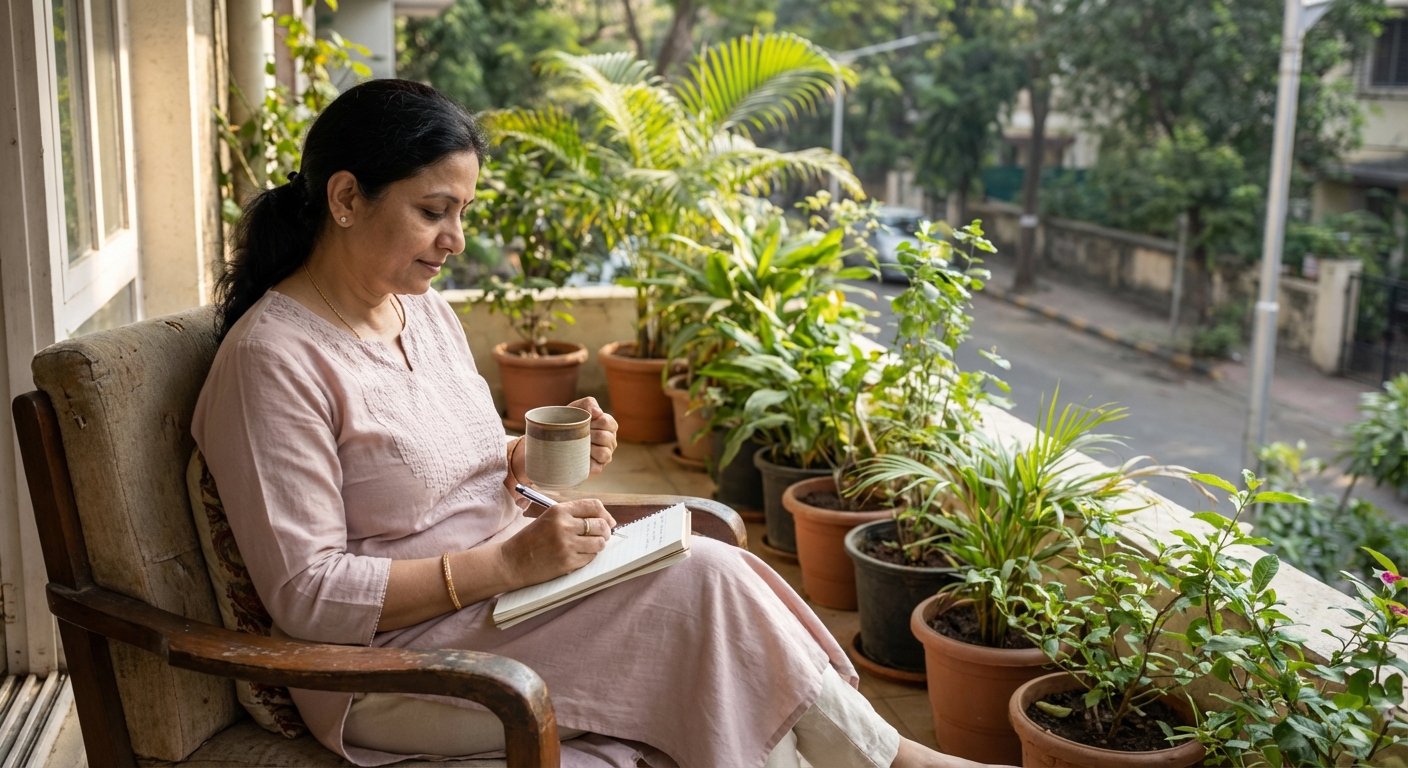
I cannot emphasize this enough: your wellbeing matters. Not just for yourself, but for your loved one as well. Research published in the Indian Journal of Psychiatry shows that caregiver burnout is a significant issue in Indian families dealing with mental illness, yet it is rarely addressed.
Signs that you might be experiencing caregiver burnout include:
- Persistent exhaustion that sleep does not relieve
- Increasing irritability or emotional numbness
- Neglecting your own health needs
- Withdrawing from friends and activities you once enjoyed
- Feeling hopeless about the situation ever improving
Remember Lakshmi, whom I mentioned at the beginning? After several months of working together, she learned to balance her devotion to her son with attention to her own needs. She joined a caregiver support group, reconnected with old friends, and started attending yoga classes. Interestingly, as her own wellbeing improved, so did her capacity to support her son effectively.
Navigating Crisis Situations
Despite our best efforts, crises may occur. It is important to be prepared.
Know the warning signs specific to your loved one's condition. For depression, this might include talk of hopelessness, giving away possessions, or sudden calm after a period of severe depression. For bipolar disorder, watch for signs of escalating mania or depressive episodes.
Have a crisis plan in place:
- Keep emergency numbers readily available (Vandrevala Foundation: 1860-2662-345; iCall: 9152987821)
- Know the nearest hospital with psychiatric services
- Identify family members or friends who can help during emergencies
- If your loved one is stable, discuss with them what kind of help they would want during a crisis
A Message of Hope
I have witnessed remarkable recoveries over my fifteen years in practice. I have seen families torn apart by mental illness find their way back to each other. I have watched individuals who once could not leave their beds go on to live fulfilling lives.
Recovery is not always linear - there will be setbacks and difficult days. But with proper treatment, family support, and patience, improvement is possible. Mental illness is not a life sentence to suffering; it is a condition that can be managed and often overcome.
To every caregiver reading this: your love and dedication make a difference, even when it does not feel that way. You are doing something profoundly important. And you do not have to do it alone.
---Reach Out for Support
If you are supporting a loved one with mental illness and feeling overwhelmed, I invite you to reach out. At my practice in Hyderabad, I offer individual counseling for caregivers, family therapy sessions, and guidance on navigating the mental health system in India. Together, we can develop strategies tailored to your specific situation and family dynamics.
You can contact my practice to schedule a consultation. Taking this step is not a sign of weakness - it is a sign of wisdom and love for your family.
---About the Author
Sudheer Sandra is a licensed psychologist and career counselor based in Hyderabad, India, with over 15 years of experience in mental health practice. He specializes in individual therapy, family counseling, career guidance, and supporting families affected by mental illness. Sudheer is passionate about reducing mental health stigma in Indian society and making psychological support accessible to all. He combines evidence-based therapeutic approaches with cultural sensitivity, understanding the unique dynamics of Indian families. When not in his practice, Sudheer conducts workshops on mental health awareness and contributes to community education initiatives across Telangana.