Understanding Substance Abuse: Signs, Support, and Recovery

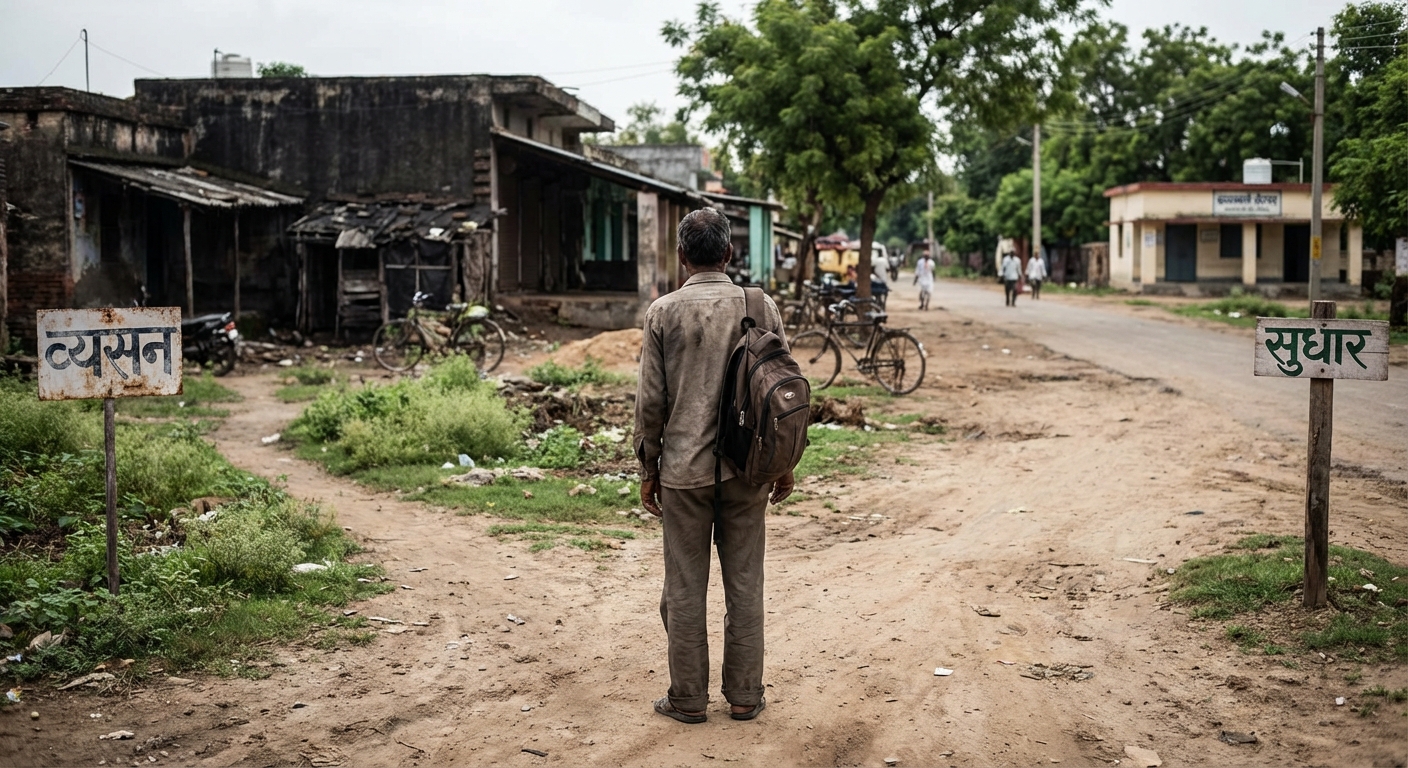
Substance abuse remains one of the most challenging mental health issues we face in our society today. It affects not just the individual struggling with addiction, but ripples outward to impact families, relationships, careers, and communities. As a psychologist who has worked with countless individuals on their journey to recovery, I want to share insights that can help you or someone you love recognize the signs of substance abuse, understand its complexities, and find hope in the many pathways to recovery.
What Is Substance Abuse?
Substance abuse refers to the harmful or hazardous use of psychoactive substances, including alcohol, prescription medications, and illicit drugs. It exists on a spectrum, from misuse to dependence to full addiction. Understanding this spectrum is crucial because early intervention can prevent the progression to more severe forms of substance use disorders.
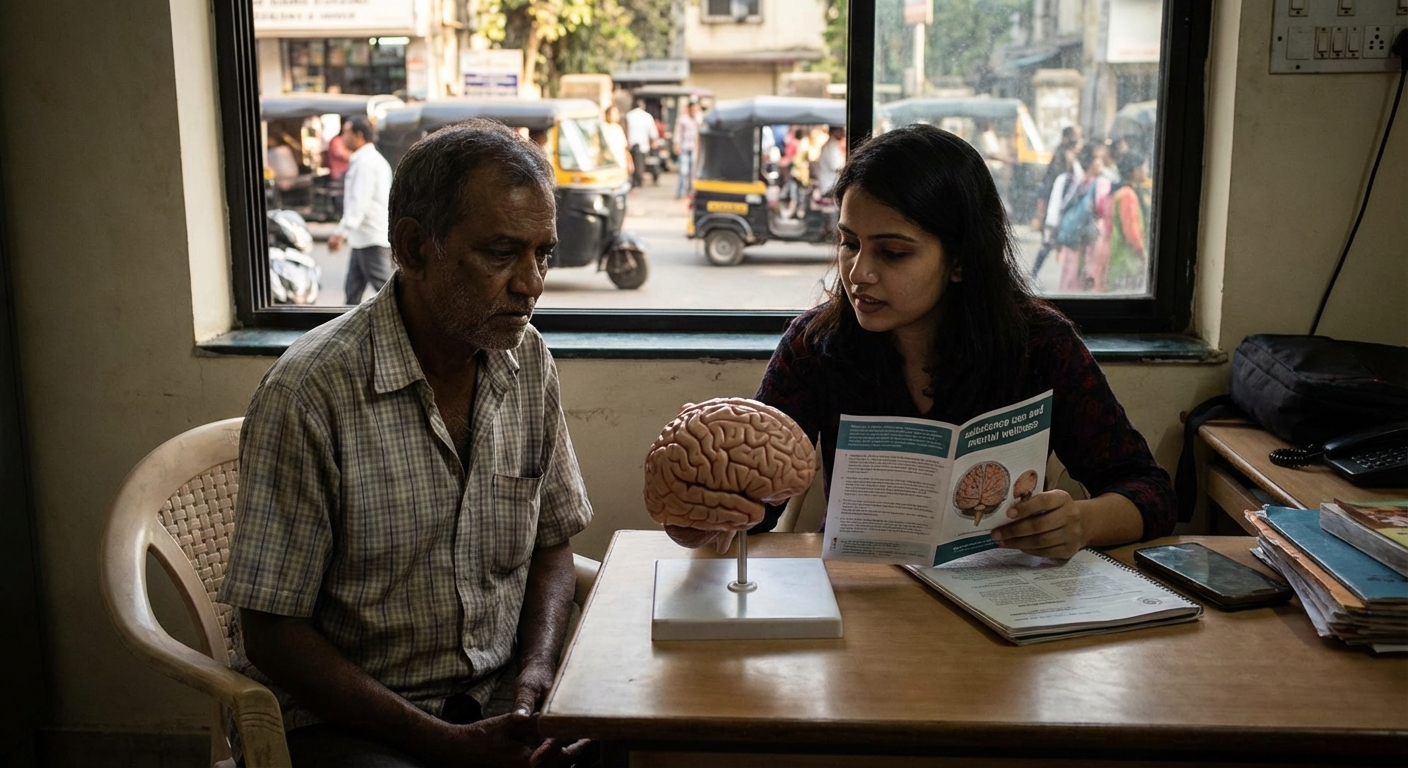
When we talk about substance abuse, we must recognize that it is not a moral failing or a lack of willpower. Modern neuroscience has shown us that addiction fundamentally changes brain chemistry and function, particularly in areas related to reward, motivation, memory, and impulse control. This understanding helps remove the stigma and opens doors to compassionate, effective treatment.
Recognizing the Warning Signs
One of the most important steps in addressing substance abuse is early recognition. Here are the key warning signs to watch for:
Behavioral Changes
- Sudden changes in social circles and withdrawal from family
- Declining performance at work or school
- Financial difficulties or unexplained need for money
- Secretive behavior and lying about activities
- Loss of interest in hobbies and activities once enjoyed
- Neglecting responsibilities and commitments
Physical Signs
- Changes in sleep patterns (insomnia or excessive sleeping)
- Unexplained weight loss or gain
- Bloodshot eyes, dilated or constricted pupils
- Deterioration in personal hygiene and appearance
- Tremors, slurred speech, or coordination problems
- Frequent nosebleeds (in cases of snorted substances)
Psychological Indicators
- Sudden mood swings and irritability
- Unexplained paranoia or anxiety
- Periods of unusual hyperactivity or lethargy
- Memory problems and difficulty concentrating
- Depression or emotional numbness
- Defensiveness when questioned about substance use

Types of Substance Addiction
Understanding the different types of substances people become addicted to helps in recognizing specific patterns and seeking appropriate treatment.
Alcohol
Alcohol remains the most commonly abused substance in India. Its social acceptability often masks the severity of alcohol use disorders. Signs specific to alcohol abuse include drinking alone, needing more alcohol to achieve the same effect, experiencing withdrawal symptoms like shakiness or sweating, and continuing to drink despite health or relationship problems.
Prescription Medications
The misuse of prescription drugs, particularly painkillers, sedatives, and stimulants, has become increasingly common. I have seen cases like that of Vikram (name changed), a 45-year-old IT professional who began taking prescribed painkillers after a back injury. What started as legitimate medical use gradually became dependence, with Vikram visiting multiple doctors to obtain prescriptions. His story highlights how easily prescription drug abuse can develop.
Tobacco and Nicotine
While often overlooked in discussions of substance abuse, tobacco addiction affects millions of Indians and has severe health consequences. The psychological dependence on nicotine can be as powerful as dependence on illicit drugs.
Cannabis
Despite being normalized in certain social contexts, cannabis can lead to dependence, particularly when use begins in adolescence. Long-term use is associated with cognitive impairment and increased risk of mental health disorders.
Illicit Drugs
Substances like cocaine, heroin, methamphetamine, and synthetic drugs carry high risks of addiction and severe health consequences. These substances often require specialized medical intervention during detoxification.
The Impact on Mental Health
Substance abuse and mental health are deeply interconnected, often creating what we call a "dual diagnosis" or co-occurring disorders. Understanding this relationship is essential for effective treatment.
The Cycle of Self-Medication
Many individuals turn to substances as a way to cope with underlying mental health issues. Priya (name changed), a 32-year-old marketing executive, came to me struggling with both alcohol dependence and anxiety disorder. She had been using alcohol to manage her social anxiety for years, but over time, the alcohol itself began creating additional anxiety, depression, and panic attacks. This cycle of self-medication is tragically common.
Substance-Induced Mental Health Disorders
Prolonged substance use can trigger or exacerbate mental health conditions including:
- Depression and suicidal thoughts
- Anxiety disorders
- Psychosis and paranoid thinking
- Cognitive impairment and memory problems
- Sleep disorders
- Personality changes
The Neurological Impact
Substances hijack the brain's reward system, flooding it with dopamine and other neurotransmitters. Over time, the brain adapts by reducing its natural production of these chemicals, leading to tolerance (needing more of the substance to achieve the same effect) and withdrawal symptoms when the substance is not present.
Impact on Family and Relationships
Substance abuse rarely affects only the individual. Families often bear significant emotional, financial, and psychological burdens. I have worked with many families navigating the complex dynamics that addiction creates.
Consider the case of Rajesh (name changed), whose alcohol dependence affected his entire family. His wife Meera developed anxiety and depression from years of uncertainty and broken promises. Their teenage children struggled academically and showed signs of emotional withdrawal. Family therapy became an essential component of Rajesh's recovery, helping heal not just him but his entire family system.
Common family dynamics in households affected by substance abuse include:
- Enabling behaviors that unintentionally support continued substance use
- Codependency patterns
- Communication breakdown
- Financial stress
- Domestic conflict and in some cases, violence
- Intergenerational trauma transmission
Pathways to Recovery
Recovery from substance abuse is possible. I have witnessed remarkable transformations in individuals who committed to the journey of healing. There is no single path to recovery; what works varies from person to person.
Professional Treatment Options
Medical Detoxification: For many substances, particularly alcohol, opioids, and benzodiazepines, medically supervised detoxification is the safest first step. Withdrawal can be dangerous without proper medical support.
Inpatient Rehabilitation: Residential treatment programs provide intensive, structured care away from triggers and temptations. These programs typically last 30 to 90 days and include individual therapy, group sessions, and skill-building activities.
Outpatient Treatment: For those with less severe addictions or strong support systems, outpatient programs allow individuals to continue living at home while attending regular treatment sessions.
Medication-Assisted Treatment: Certain medications can help manage cravings and withdrawal symptoms, making recovery more achievable. These are particularly effective for alcohol and opioid use disorders.
Psychological Approaches
Cognitive Behavioral Therapy (CBT): This evidence-based approach helps individuals identify and change thought patterns and behaviors that contribute to substance use.
Motivational Interviewing: This technique helps individuals find their internal motivation for change, resolving ambivalence about recovery.
Dialectical Behavior Therapy (DBT): Particularly effective for those with co-occurring emotional regulation difficulties, DBT teaches mindfulness, distress tolerance, and interpersonal effectiveness.
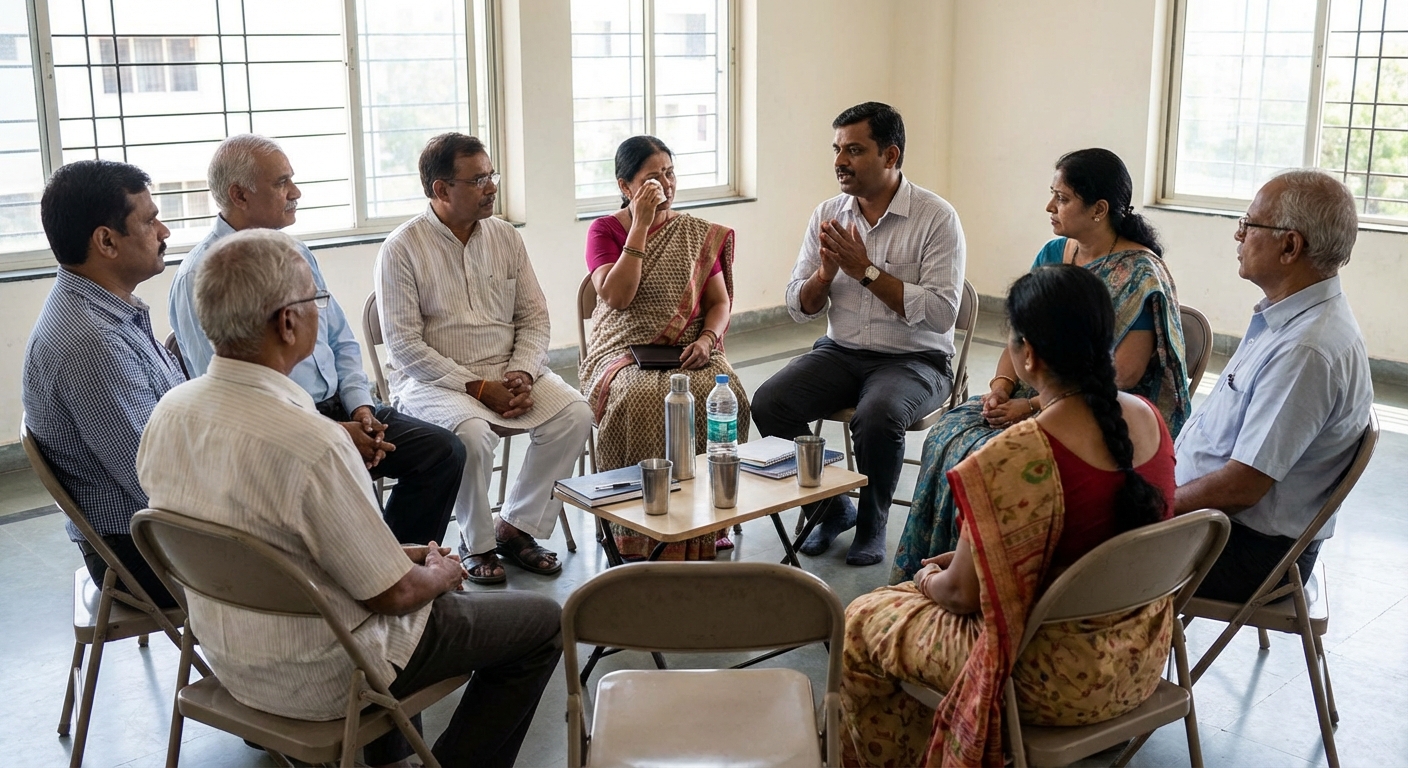
Family Therapy: Involving family members in treatment can repair relationships and create a supportive home environment for recovery.
Support Systems
12-Step Programs: Alcoholics Anonymous, Narcotics Anonymous, and similar programs provide community support and a structured approach to maintaining sobriety.
SMART Recovery: An alternative to 12-step programs, SMART Recovery uses science-based techniques to help individuals manage addictive behaviors.
Peer Support: Connecting with others in recovery can provide understanding, accountability, and hope.
Building a Sustainable Recovery
Recovery is not just about stopping substance use; it is about building a fulfilling life where substances are no longer needed. This involves:
Developing Healthy Coping Mechanisms
Learning to manage stress, emotions, and life challenges without turning to substances is essential. This might include mindfulness practices, exercise, creative expression, or spiritual development.
Creating Structure and Purpose
Having meaningful work, education, or volunteer activities provides structure and a sense of purpose that supports recovery.
Rebuilding Relationships
Repairing trust and reconnecting with loved ones is often a gradual process that requires patience, consistency, and sometimes professional guidance.
Addressing Underlying Issues
True recovery often requires addressing the root causes of substance abuse, whether trauma, mental health conditions, or unresolved emotional pain.

When to Seek Help
If you or someone you love is struggling with substance abuse, know that seeking help is a sign of strength, not weakness. Consider reaching out if:
- Substance use is affecting work, relationships, or health
- Attempts to cut down or stop have been unsuccessful
- More of the substance is needed to achieve the same effect
- Withdrawal symptoms occur when not using
- Significant time is spent obtaining, using, or recovering from substances
- Use continues despite knowing it causes problems
A Message of Hope
Recovery is a journey, not a destination. There will be challenges and possibly setbacks, but each day of sobriety is a victory. The brain has remarkable plasticity and can heal from the effects of substance abuse. Relationships can be rebuilt. Purpose and meaning can be rediscovered.
In my fifteen years of clinical practice, I have seen individuals transform their lives in ways that seemed impossible when they first walked into my office. The path is not easy, but it is possible, and you do not have to walk it alone.
---If you or a loved one is struggling with substance abuse, I invite you to reach out for a confidential consultation at my practice in Hyderabad. Together, we can explore your unique situation and develop a personalized approach to healing and recovery. Recovery begins with a single step, and that step might be making a call today. You deserve a life free from the grip of addiction, and professional support can make all the difference in achieving lasting change.