Breaking Free from Social Media Comparison: Protecting Your Self-Worth

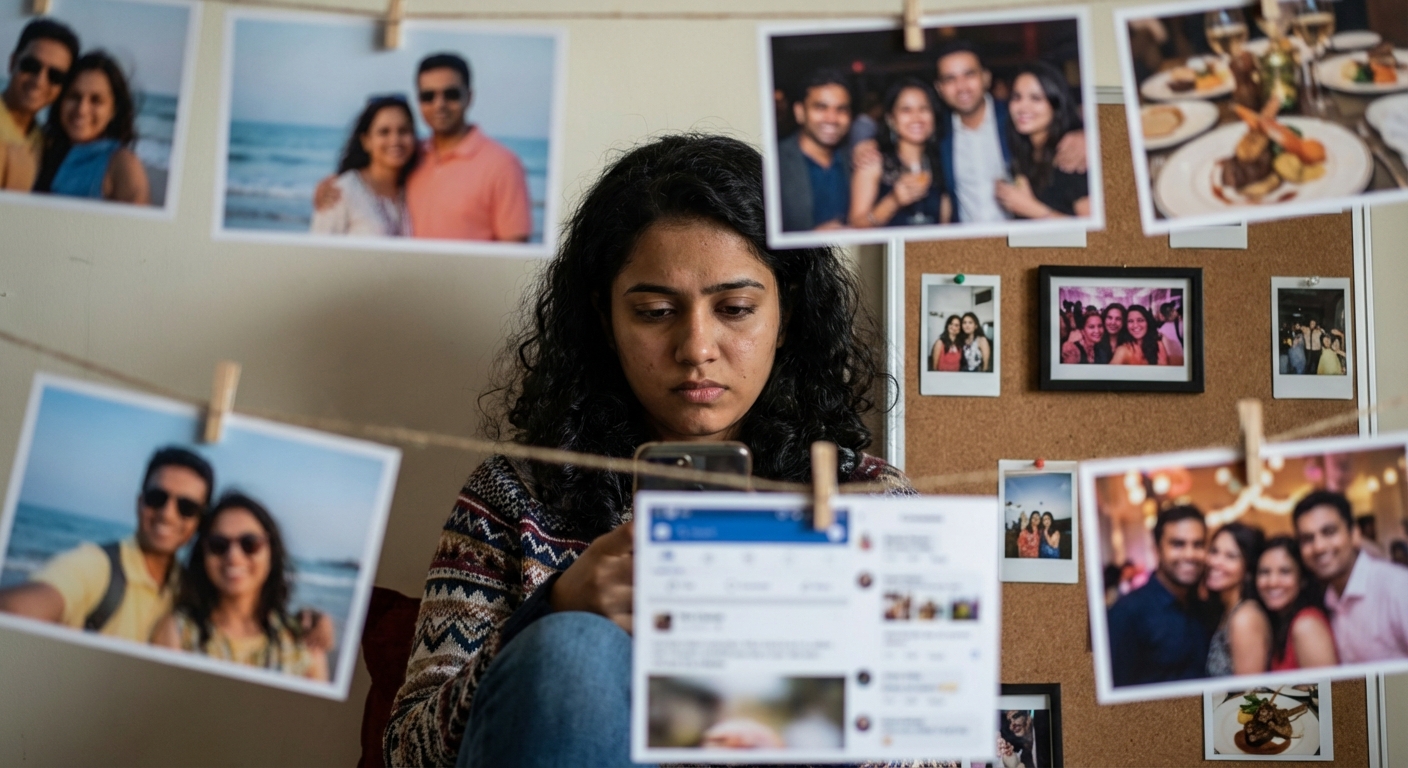
Ananya (name changed), a 26-year-old marketing professional, sat across from me in my Hyderabad practice, tears streaming down her face. "I know I should feel grateful for my life," she said, "but every time I open Instagram, I feel like a failure. My college friend just bought her third property. My cousin is traveling to Switzerland. Everyone seems to have perfect relationships, perfect bodies, perfect careers. What is wrong with me?"
Nothing was wrong with Ananya. She had a stable job, a loving family, and genuine friendships. Yet she was trapped in what I have come to call the "comparison cage"—a psychological prison constructed not by her reality, but by the curated highlight reels of others' lives that she consumed daily on social media.
In my 15 years as a psychologist and career counselor, I have witnessed a dramatic shift in the sources of self-esteem issues among my clients. While comparison is as old as humanity itself, social media has transformed it into a constant, relentless force that many people are ill-equipped to handle. This article explores the psychology behind social media comparison and offers practical strategies to protect your self-worth.
The Psychology of Comparison: Why We Cannot Help Ourselves
Social comparison is not a character flaw—it is a deeply ingrained psychological mechanism. In 1954, psychologist Leon Festinger proposed Social Comparison Theory, suggesting that humans have an innate drive to evaluate themselves by comparing with others. This served an evolutionary purpose: understanding where we stood in our social group helped our ancestors survive and thrive.
However, our brains evolved in small communities where we compared ourselves to perhaps a hundred people we actually knew. Today, social media exposes us to thousands of carefully curated lives, celebrity achievements, and unrealistic standards—all within minutes of scrolling.
The problem is compounded by two cognitive biases:
Upward comparison bias: We tend to compare ourselves with those who appear to be doing better than us, not those who are struggling. When Ananya scrolled through her feed, her brain automatically focused on friends who seemed more successful, not those facing difficulties.
Highlight reel effect: We compare our behind-the-scenes reality—complete with struggles, insecurities, and mundane moments—with others' carefully edited highlight reels. As I often tell my clients, "You are comparing your chapter one with someone else's chapter twenty, and wondering why your story seems less impressive."
The Indian Context: Cultural Amplifiers of Comparison
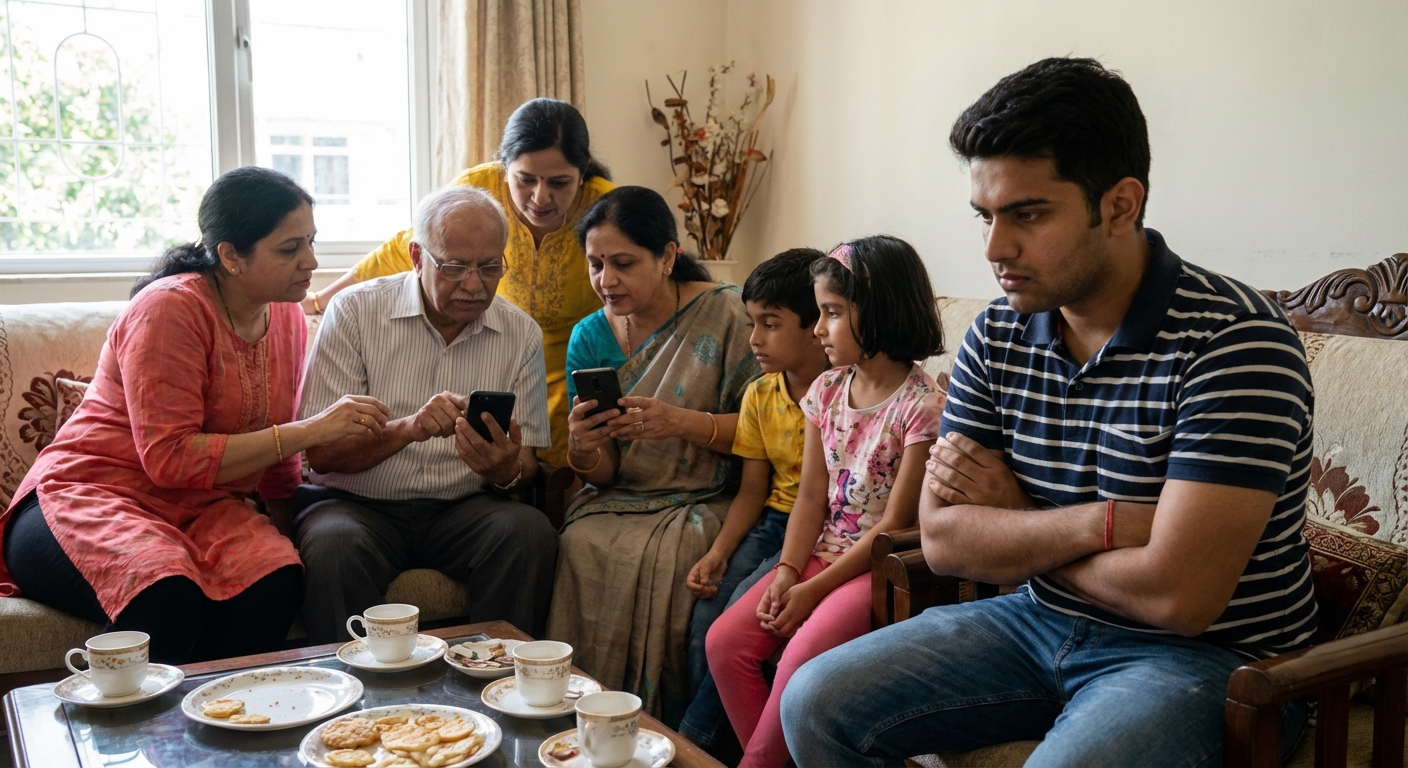
In our Indian society, social comparison carries additional weight. Our collectivist culture, while beautiful in many ways, can intensify comparison through family expectations, community judgments, and societal milestones.
I recall treating Vikram (name changed), a 32-year-old IT professional who developed severe anxiety after a family WhatsApp group became a platform for showcasing achievements. "Every week, someone shares their child's award, their new car, their foreign trip," he told me. "My parents see all this and ask me when I will achieve the same things. The group that was supposed to keep us connected is making me feel worthless."
The traditional markers of success in Indian society—educational achievements, career milestones, marriage, home ownership, children—are now broadcast and celebrated on social media with unprecedented visibility. A cousin's wedding in Udaipur, complete with professional photography, can make your own intimate ceremony feel inadequate. A school friend's promotion announcement can overshadow your own steady career progress.
The Mental Health Toll: Understanding the Damage
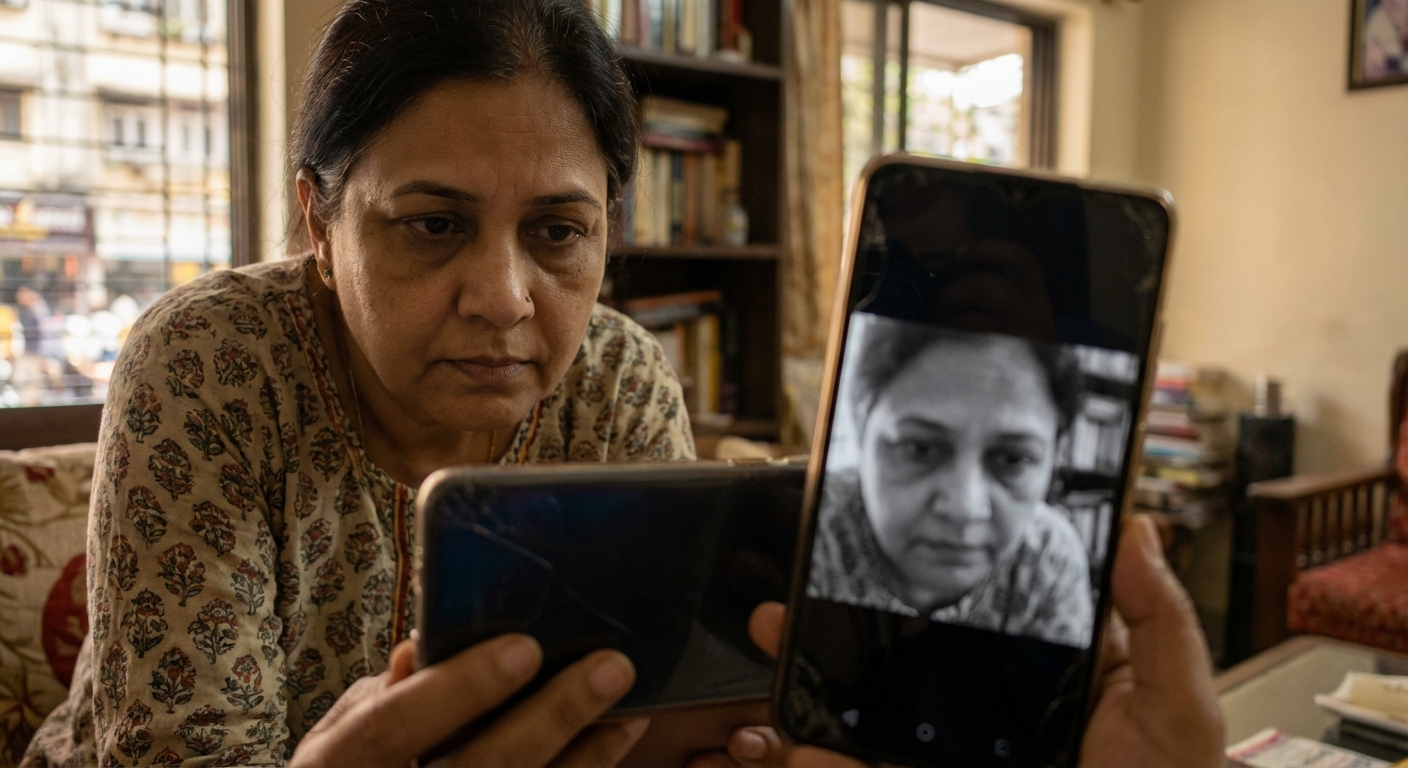
The consequences of chronic social media comparison extend far beyond momentary discomfort. Research published in the Journal of Social and Clinical Psychology found a direct causal link between social media use and decreased wellbeing, with comparison being the primary mechanism.
In my practice, I have observed the following patterns among clients struggling with social media comparison:
Diminished self-worth: Constant exposure to seemingly superior lives erodes confidence and self-esteem. Clients begin to define themselves by what they lack rather than what they have.
Anxiety and depression: The gap between perceived expectations (based on social media standards) and reality creates chronic psychological distress. Many clients report feeling anxious before opening social media, yet feeling compelled to check it repeatedly.
Distorted reality perception: Heavy social media users often lose sight of what constitutes a "normal" life. Expensive vacations, designer clothes, and picture-perfect relationships begin to seem standard rather than exceptional.
Reduced life satisfaction: Perhaps most insidiously, comparison diminishes our ability to appreciate our own lives. Achievements feel smaller, blessings feel insufficient, and contentment becomes elusive.
Deepika (name changed), a 34-year-old homemaker, captured this perfectly: "I have a good husband, healthy children, and a comfortable life. But after scrolling through social media, I feel like I have nothing. I have started resenting the very things that should bring me joy."
The Comparison Trap: Recognizing the Patterns
Before we can break free from comparison, we must recognize when we are trapped in it. Through my clinical work, I have identified several warning signs:
Physical responses: Notice if you experience tension in your shoulders, shallow breathing, or a sinking feeling in your stomach while scrolling through social media.
Emotional responses: Pay attention to feelings of inadequacy, envy, resentment, or sadness that arise after viewing certain content or accounts.
Behavioral responses: Watch for compulsive checking behaviors, the urge to post content to "prove" your worth, or avoidance of people whose lives seem "better" than yours.
Cognitive responses: Listen for internal dialogue like "Why can't I have that?", "I'm falling behind," or "Everyone is doing better than me."
If these patterns feel familiar, know that you are not alone—and that change is possible.
Breaking Free: Strategies to Protect Your Self-Worth
Having worked with hundreds of clients on this issue, I have developed a comprehensive approach to breaking free from the comparison trap:
1. Practice Radical Awareness
The first step is developing awareness of your comparison triggers. Keep a "comparison journal" for one week—note when you feel comparison arising, what triggered it, and how it affected your mood. This awareness alone can begin to break the automatic pattern.
One of my clients, Arjun (name changed), discovered that he felt worst after checking LinkedIn during his lunch break. Simply moving this activity to a different time, when he was more emotionally resourceful, reduced its negative impact significantly.
2. Curate Your Digital Environment
Your social media feed is not a neutral reflection of reality—it is a curated environment that you have more control over than you might realize.
Take these steps:
- Unfollow or mute accounts that consistently trigger comparison
- Follow accounts that inspire rather than intimidate
- Limit your exposure to platforms that affect you most negatively
- Use features like Instagram's "mute" function for people you cannot unfollow due to social obligations
3. Implement the "Reality Check" Practice
When you notice comparison arising, ask yourself these questions:
- Am I seeing the full picture, or just a curated highlight?
- What challenges might this person be facing that I cannot see?
- Would I trade my entire life for theirs, including all aspects I cannot see?
- What am I grateful for in my own life right now?
4. Cultivate an Internal Reference Point
The antidote to comparison is developing an internal sense of worth that does not depend on external validation or relative standing. This involves:
Defining your own success: What does a meaningful life look like for you—not your parents, not society, not social media? Write down your personal values and life goals.
Celebrating your progress: Compare yourself to your past self, not to others. Keep a record of your growth, achievements, and obstacles overcome.
Practicing self-compassion: Treat yourself with the kindness you would offer a good friend. When comparison arises, acknowledge it without judgment and gently redirect your attention.
5. Invest in Real-World Connection
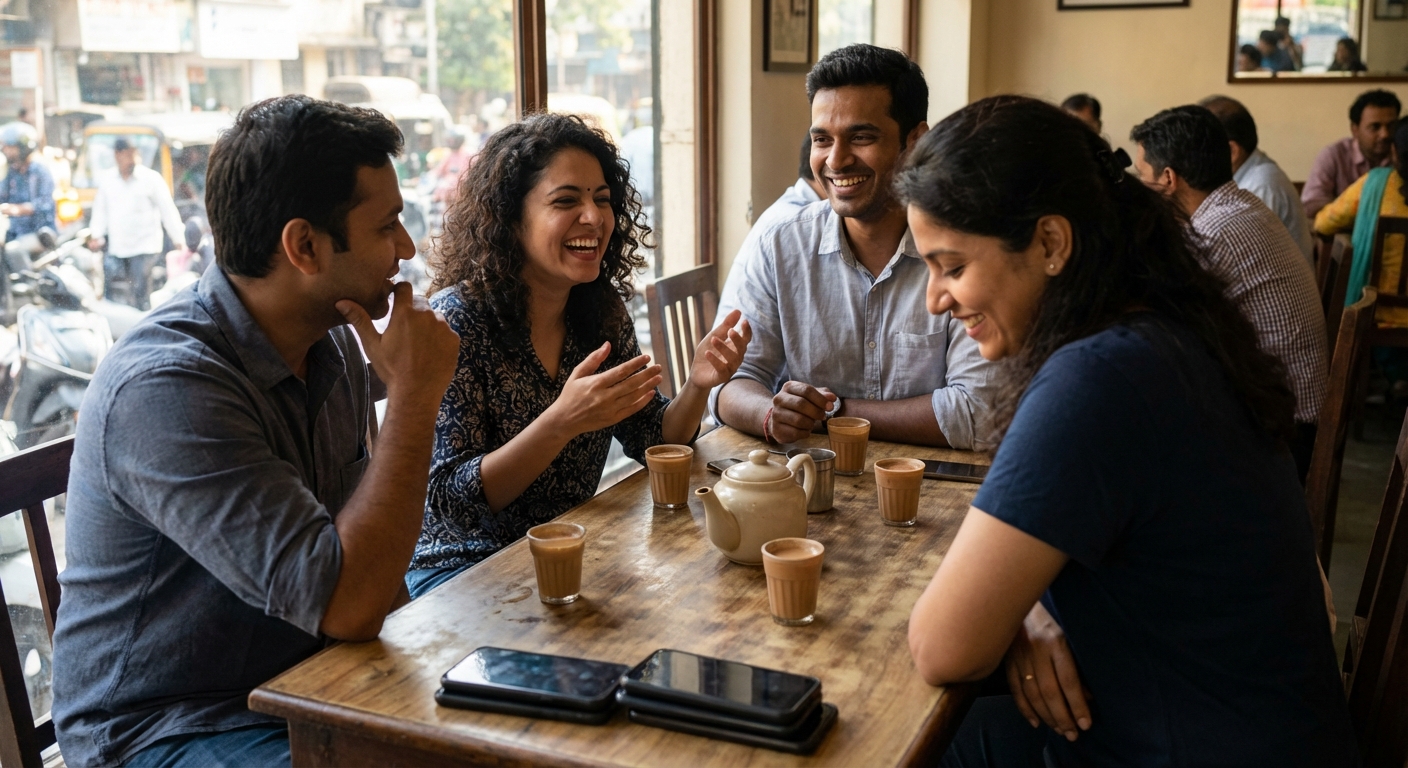
Social media comparison thrives in isolation. When we see others through screens, we forget that they are complex humans with their own struggles. Real-world connection provides perspective.
Make time for:
- Deep conversations with trusted friends (where vulnerabilities are shared, not just successes)
- Mentorship relationships that offer realistic guidance
- Community involvement that reminds you of shared humanity
6. Practice Digital Sabbaths
Regular breaks from social media allow your brain to reset and your sense of self to stabilize. I recommend:
- One day per week completely offline (Sundays work well for many)
- A morning routine free of social media for the first hour
- An evening cutoff at least one hour before sleep
- Occasional extended detoxes of one week or more
7. Transform Envy into Inspiration
Not all comparison is destructive. When handled skillfully, seeing others' achievements can motivate rather than diminish us. The key is transforming envy (which says "I should have what they have") into inspiration (which says "what they have achieved is possible, and I can work toward my own version").
When comparison arises, ask: "What specifically am I drawn to? How might I work toward something similar in a way that aligns with my values and circumstances?"
A Case Study in Recovery
Let me return to Ananya, whose story opened this article. Over three months of therapy, we worked through each of these strategies. She kept a comparison journal and discovered that certain accounts and certain times of day were particularly triggering. She curated her feed, unfollowing accounts that made her feel inadequate and following others that inspired her professionally without triggering comparison.
Most importantly, Ananya developed a clearer sense of her own values and definition of success. She realized that the life she envied on Instagram was not actually the life she wanted—she valued creativity, meaningful work, and close relationships over luxury and travel.
"I still use social media," she told me in our final session, "but differently now. I see a beautiful vacation photo and I can appreciate it without feeling diminished. I've stopped measuring my worth by someone else's highlights."

When to Seek Professional Help
While these strategies help many people, some individuals develop more severe conditions related to social media use and comparison. Consider seeking professional help if:
- You experience persistent depression or anxiety linked to social media
- Your self-worth has become entirely dependent on online validation
- You have developed disordered eating or body image issues influenced by social media
- Comparison has significantly impaired your relationships, work, or daily functioning
- You have had thoughts of self-harm related to feelings of inadequacy
Moving Forward with Self-Compassion
Breaking free from social media comparison is not about achieving perfect immunity to its effects. Even after years of working on this issue professionally, I sometimes notice comparison arising when I scroll through my own feeds. The goal is not elimination but transformation—developing a healthier relationship with social media and a more stable sense of self-worth.
Remember: your worth is not determined by how your life compares to someone else's curated posts. Your journey is unique, your challenges are real, and your progress matters—regardless of what anyone else is doing.
The ancient Indian concept of "Santosha"—contentment with what one has while working toward growth—offers wisdom for our digital age. True contentment comes not from having what others have, but from appreciating what is yours while staying true to your own path.
---If you are struggling with social media comparison and its effects on your mental health, know that you do not have to face this alone. At my practice in Hyderabad, I work with individuals and families to develop healthier relationships with technology and stronger foundations of self-worth.
I invite you to schedule a consultation where we can explore your unique situation and develop personalized strategies for protecting your mental wellbeing in the digital age. Together, we can help you break free from the comparison cage and reconnect with what truly matters in your life.
---Sudheer Sandra is a licensed psychologist and career counselor based in Hyderabad, India, with over 15 years of clinical experience. He specializes in anxiety, depression, relationship issues, and career counseling. He is passionate about helping clients navigate the unique mental health challenges of modern life while honoring their cultural context and individual values.