The Critical Connection Between Sleep and Mental Health

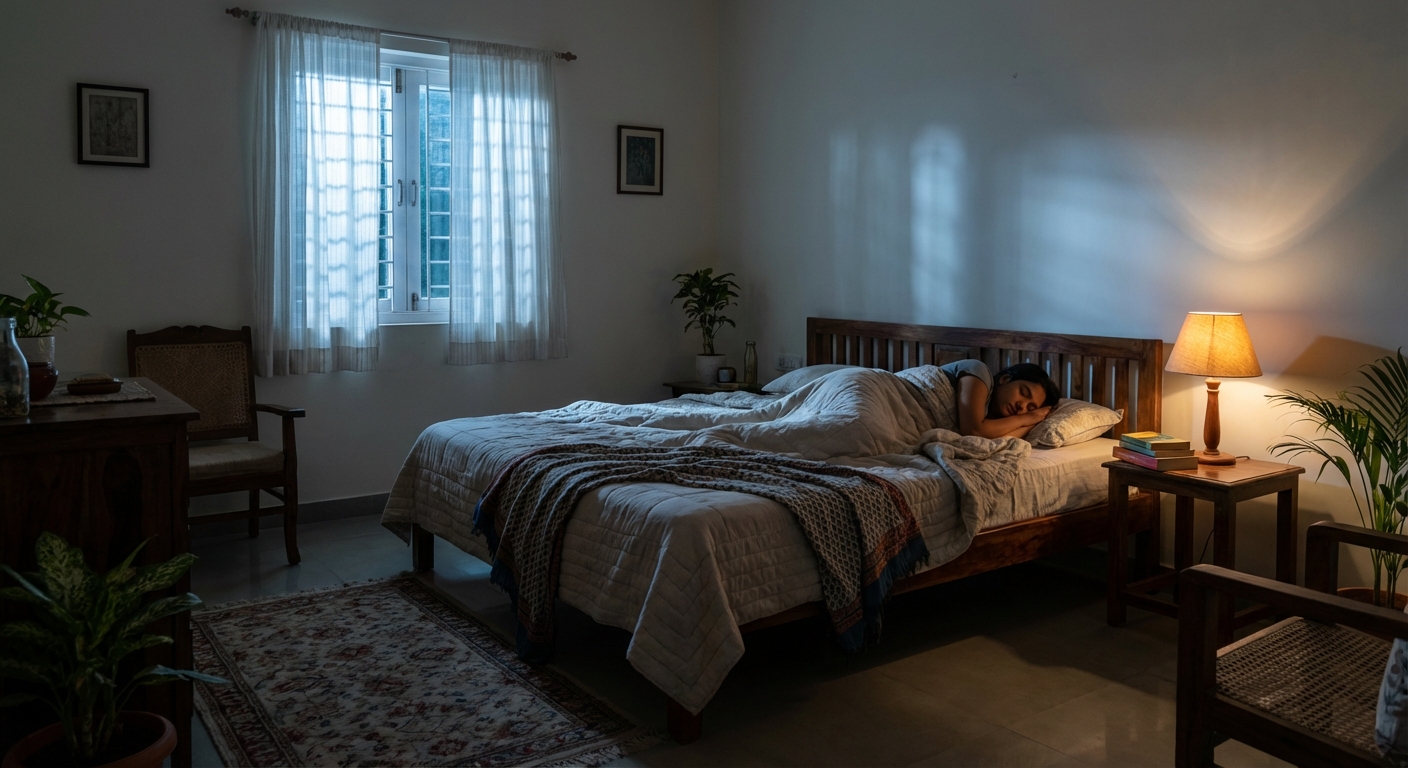
It was nearly midnight when Rahul (name changed) first walked into my clinic in Jubilee Hills. A 32-year-old software engineer working for one of Hyderabad's prominent IT companies, he had been referred by his physician for persistent anxiety and what he described as "brain fog." As we began our conversation, I asked him a question I ask almost every client: "Tell me about your sleep."
He laughed nervously. "Sleep? What sleep, sir? I'm lucky if I get four hours. There's always one more deployment, one more meeting with the US team, one more deadline."
In my fifteen years of practice as a psychologist and career counselor here in Hyderabad, I have witnessed a troubling pattern emerge. The same ambitious professionals who pride themselves on "hustling" through the night are the ones sitting across from me, struggling with anxiety, depression, irritability, and an inability to focus. And yet, when I suggest that sleep might be at the root of their struggles, many are genuinely surprised.
Today, I want to share with you what I have learned about the profound connection between sleep and mental health, and why prioritising rest might be the most important thing you do for your psychological wellbeing.
The Science Behind Sleep and Mental Health
The relationship between sleep and mental health is not merely correlational; it is deeply bidirectional. Research published in the journal Sleep Medicine Reviews has consistently demonstrated that sleep disturbances are not just symptoms of mental health conditions but can actually cause them.
During sleep, particularly during the REM (Rapid Eye Movement) stage, our brains engage in crucial processes. This is when emotional memories are processed, stress hormones are regulated, and the neural pathways associated with emotional regulation are restored. Think of it as your mind's nightly maintenance routine, much like how we service our vehicles regularly to keep them running smoothly.
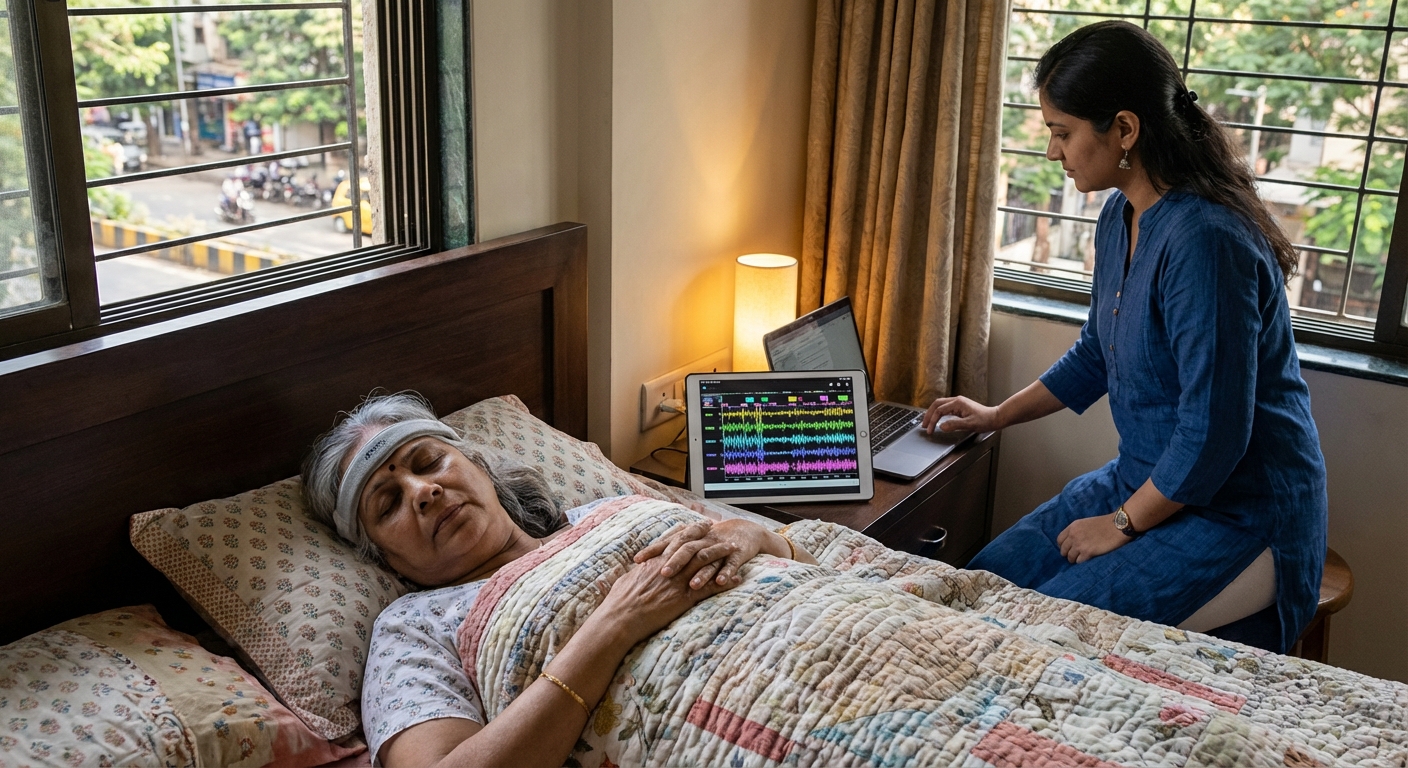
Dr. Matthew Walker, a renowned sleep scientist at UC Berkeley, has shown through his research that even a single night of poor sleep can increase activity in the amygdala (our brain's emotional centre) by up to 60%. This explains why we feel more irritable, anxious, and emotionally reactive after a sleepless night.
In my practice, I have observed this countless times. Priya (name changed), a young marketing professional, came to me convinced she had developed an anxiety disorder. Her heart would race during meetings, she would catastrophise about minor setbacks, and she found herself snapping at colleagues. When we tracked her sleep patterns, we discovered she was averaging just five hours of fragmented sleep, often interrupted by late-night Instagram scrolling.
The Indian Context: Why We Are Particularly Vulnerable
Let me be honest with you. Our Indian work culture, particularly in cities like Hyderabad, Bangalore, and Mumbai, has created a perfect storm for sleep deprivation. The IT sector, which employs millions of us, operates on global time zones. I have clients who finish their dinner at 10 PM, only to log back in for calls with American clients at 11 PM.
Add to this our cultural attitudes. There is an unspoken belief that sleeping less somehow equates to working harder, to being more dedicated. I remember my own father, a government officer, taking pride in waking at 4 AM. "Early to bed, early to rise," he would say. But somewhere along the way, we kept the "early to rise" and forgot the "early to bed."

The joint family system, while beautiful in many ways, can also pose challenges. Young couples living with extended family may struggle to establish consistent sleep routines. New parents receive conflicting advice. And in many households, the television runs until late into the night, creating an environment where winding down becomes nearly impossible.
What Poor Sleep Does to Your Mind
Let me walk you through what I explain to my clients about the cascade of effects that sleep deprivation triggers:
Emotional Dysregulation: Without adequate sleep, the prefrontal cortex, which helps us make rational decisions and regulate emotions, becomes disconnected from the amygdala. You become more reactive, more prone to anger, more likely to perceive threats where none exist.
Increased Anxiety: Sleep deprivation activates the body's stress response system. Cortisol levels rise. The nervous system remains in a state of heightened alertness. Many of my clients with generalised anxiety disorder find that improving their sleep reduces their symptoms more effectively than any other single intervention.
Depressive Symptoms: Research from the University of Pennsylvania found that subjects limited to 4.5 hours of sleep for one week reported feeling more stressed, angry, sad, and mentally exhausted. When normal sleep was resumed, their mood improved dramatically.
Cognitive Decline: Memory consolidation happens during sleep. Without it, learning becomes impaired, decision-making suffers, and that "brain fog" so many of my clients describe becomes a constant companion.
I recall working with Venkat (name changed), a 45-year-old senior manager who was convinced he was developing early-onset dementia. His memory was failing, he could not concentrate in meetings, and he was making uncharacteristic errors at work. After a thorough assessment, we discovered the culprit was not neurological decline but chronic sleep deprivation combined with untreated sleep apnoea. Within three months of addressing his sleep issues, his cognitive function had returned to normal.
Practical Sleep Hygiene for the Modern Indian Professional
Now, let me share the practical strategies I recommend to my clients. These are not theoretical ideals but actionable steps that have worked for hundreds of people I have counselled:
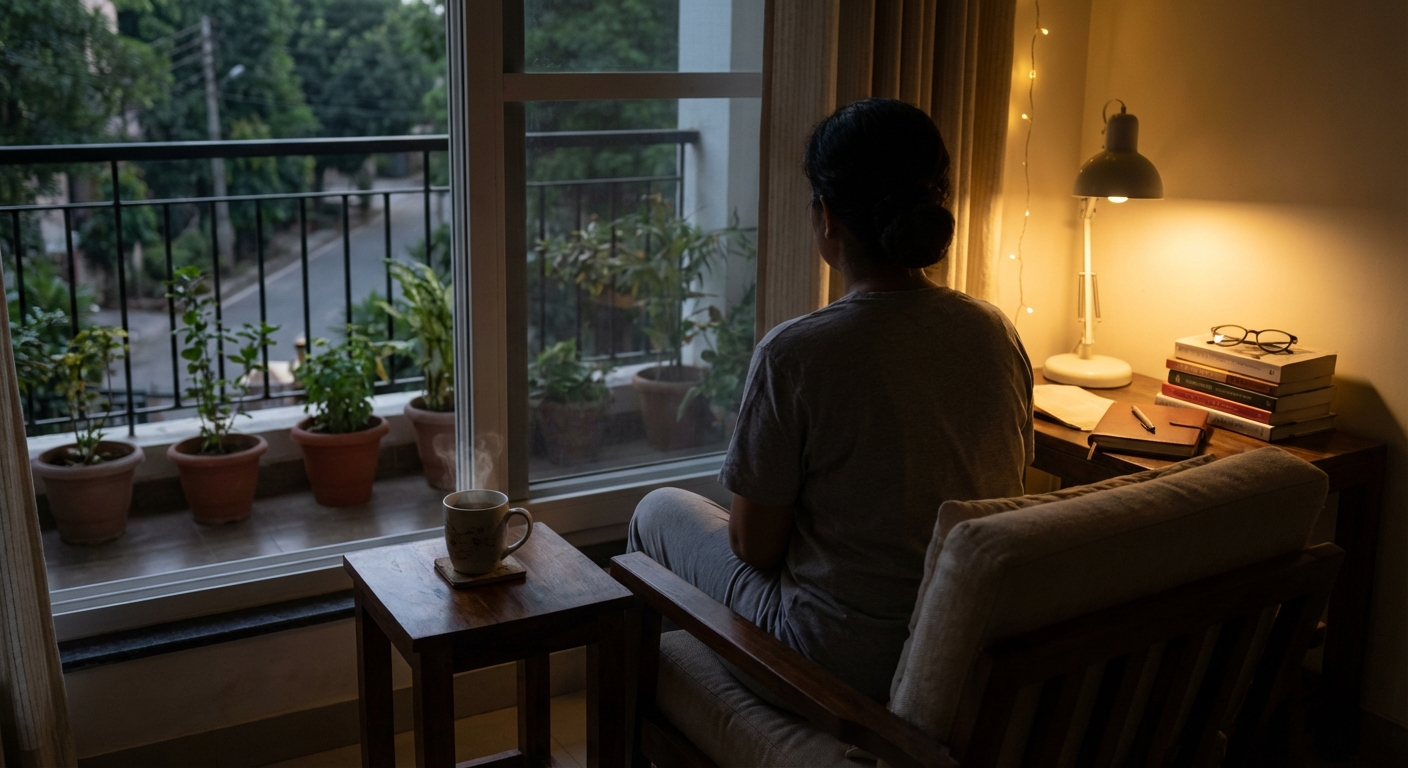
1. Establish a Non-Negotiable Wind-Down Routine
I recommend starting your wind-down process at least one hour before your intended sleep time. This might include:
- A warm shower or bath
- A cup of warm milk with turmeric (our traditional haldi doodh has genuine sleep-promoting properties)
- Light reading (physical books, not e-readers)
- Gentle stretching or pranayama breathing exercises
2. Create Boundaries with Technology
This is perhaps the most challenging recommendation for my clients, but also the most impactful. The blue light from our phones and laptops suppresses melatonin production. More importantly, the content we consume, whether work emails or social media, keeps our minds in an activated state.
I suggest:
- No screens for at least 45 minutes before bed
- Keeping phones outside the bedroom (yes, buy an alarm clock)
- Using "Do Not Disturb" mode after 9 PM
- Having a frank conversation with your manager about after-hours communication expectations
3. Optimise Your Sleep Environment
Your bedroom should be a sanctuary for sleep. In our hot and humid climate, this means:
- Investing in a good air conditioner or fan
- Using breathable cotton bedding
- Ensuring the room is as dark as possible (blackout curtains work wonders)
- Maintaining a slightly cool temperature (around 22-24 degrees Celsius is ideal)
4. Mind Your Consumption
Be mindful of:
- Caffeine after 2 PM (this includes chai and coffee)
- Heavy, spicy dinners close to bedtime
- Alcohol (while it may help you fall asleep, it disrupts sleep architecture)
- Large amounts of water before bed
5. Maintain Consistency
Our bodies thrive on routine. Try to sleep and wake at the same time every day, including weekends. I know this is difficult, especially when Friday night feels like the only time to unwind. But the "social jet lag" of sleeping till noon on Sunday makes Monday morning that much harder.
When to Seek Professional Help

Sleep difficulties that persist despite good sleep hygiene practices may indicate an underlying condition that requires professional attention. Please consider reaching out to a mental health professional if you experience:
- Difficulty falling asleep or staying asleep for more than three weeks
- Persistent daytime fatigue despite adequate time in bed
- Racing thoughts that prevent sleep
- Nightmares or night terrors
- Sleep that does not feel restorative
- Symptoms of sleep apnoea (loud snoring, gasping during sleep, excessive daytime sleepiness)
A Final Thought
I want to leave you with something one of my mentors told me years ago: "Sleep is not a luxury; it is a biological necessity." In our achievement-oriented culture, we have somehow convinced ourselves that rest is laziness, that pushing through exhaustion is strength.
But I have seen too many bright, talented individuals burn out, their mental health crumbling, their relationships strained, their careers derailed, all because they refused to honour their body's fundamental need for rest.
Rahul, the software engineer I mentioned at the beginning, is doing much better now. It took time, and it required him to have some difficult conversations at work about boundaries. But today, he sleeps seven hours most nights. His anxiety has reduced significantly. His focus has returned. And perhaps most importantly, he has rediscovered the joy in his work that sleep deprivation had stolen from him.
You deserve that too.
---Take the First Step Towards Better Mental Health
If you are struggling with sleep issues, anxiety, depression, or simply feeling overwhelmed by the demands of modern life, I invite you to reach out. At my practice in Hyderabad, I offer a safe, confidential space where we can work together to understand your challenges and develop practical strategies for improvement.
Whether you are a young professional navigating career pressures, a student facing academic stress, or anyone seeking to improve their psychological wellbeing, I am here to help.
Book a consultation today: Contact my Hyderabad clinic to schedule an appointment. Together, we can work towards better sleep, better mental health, and a more fulfilling life.
---About the Author
Sudheer Sandra is a licensed psychologist and career counselor based in Hyderabad, India, with over 15 years of experience in mental health practice. He specialises in anxiety disorders, depression, career counseling, and workplace mental health. Sudheer is passionate about making psychological support accessible and reducing the stigma around mental health in Indian society. When not in his clinic, he conducts workshops for corporate organisations and educational institutions across Telangana and Andhra Pradesh. He believes that mental wellness is not a destination but a journey, and he is committed to walking that path alongside his clients.