Managing Sibling Rivalry: Building Healthy Family Dynamics

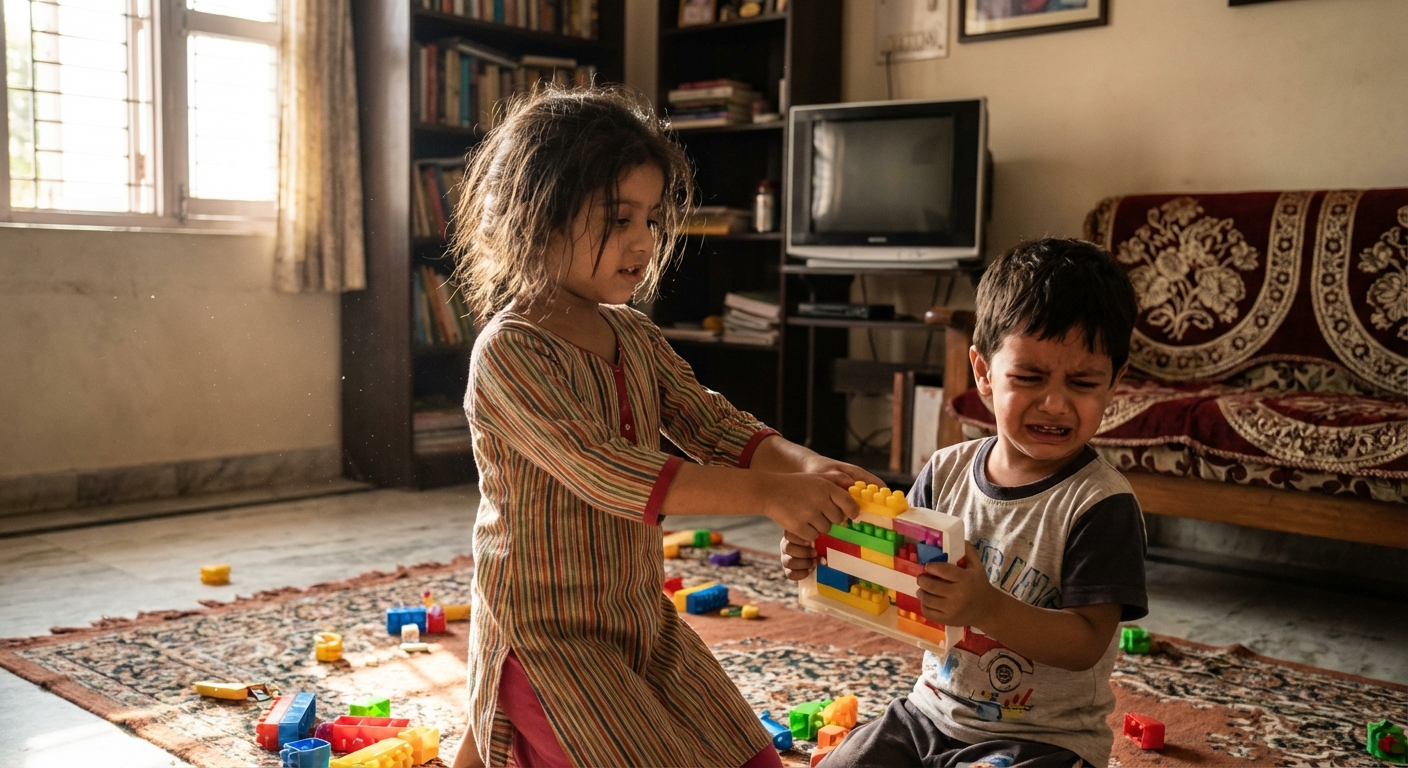
As a clinical psychologist practicing in Hyderabad for over fifteen years, I have witnessed countless families navigate the turbulent waters of sibling rivalry. From the bustling joint families of old Hyderabad to the nuclear households in Gachibowli, the dynamics may differ, but the underlying challenges remain remarkably similar. Sibling rivalry is one of the most common concerns parents bring to my practice, and I want to assure you that with the right understanding and strategies, these conflicts can transform into opportunities for growth and deeper connection.
Understanding the Roots of Sibling Rivalry
Sibling rivalry is as old as human civilization itself. From the mythological tales of Rama and Bharata to the everyday squabbles in our homes, competition between siblings has always existed. But what drives this behavior?
At its core, sibling rivalry stems from a child's fundamental need for parental love, attention, and resources. When a new sibling arrives, the older child may perceive this as a threat to their secure position in the family. Even as children grow, the competition for parental approval, material possessions, and recognition continues.
I often explain to parents that sibling rivalry is not a sign of failed parenting. In fact, it is a natural developmental phenomenon. Children are learning to navigate relationships, assert their identities, and compete for limited resources. These early experiences, when handled well, prepare them for the competitive world outside the home.
Consider the case of Arjun and Priya (names changed), two siblings I worked with in my practice. Arjun, aged twelve, had always been an excellent student. When his younger sister Priya, aged nine, began excelling in academics and received praise from relatives, Arjun's behavior changed dramatically. He became withdrawn, started criticizing his sister constantly, and his grades declined. The parents were perplexed, as they believed they treated both children equally. Through our sessions, we discovered that Arjun had built his entire identity around being "the smart one" in the family, and he felt his position was being threatened.
Normal vs Concerning Rivalry Behaviors
Not all sibling conflict requires intervention. In fact, some degree of rivalry is healthy and helps children develop important life skills such as negotiation, compromise, and conflict resolution. However, parents must learn to distinguish between normal rivalry and concerning behaviors.
Normal rivalry behaviors include:
- Occasional arguments over toys, space, or screen time
- Tattling on each other
- Comparing achievements or possessions
- Mild teasing
- Competing for parental attention
- Physical aggression causing injury
- Persistent emotional abuse or humiliation
- One child consistently dominating or bullying the other
- Extreme withdrawal or fear in one sibling
- Rivalry that significantly impacts academic performance or mental health
- Destruction of sibling's belongings with intent to hurt
Age-Appropriate Expectations
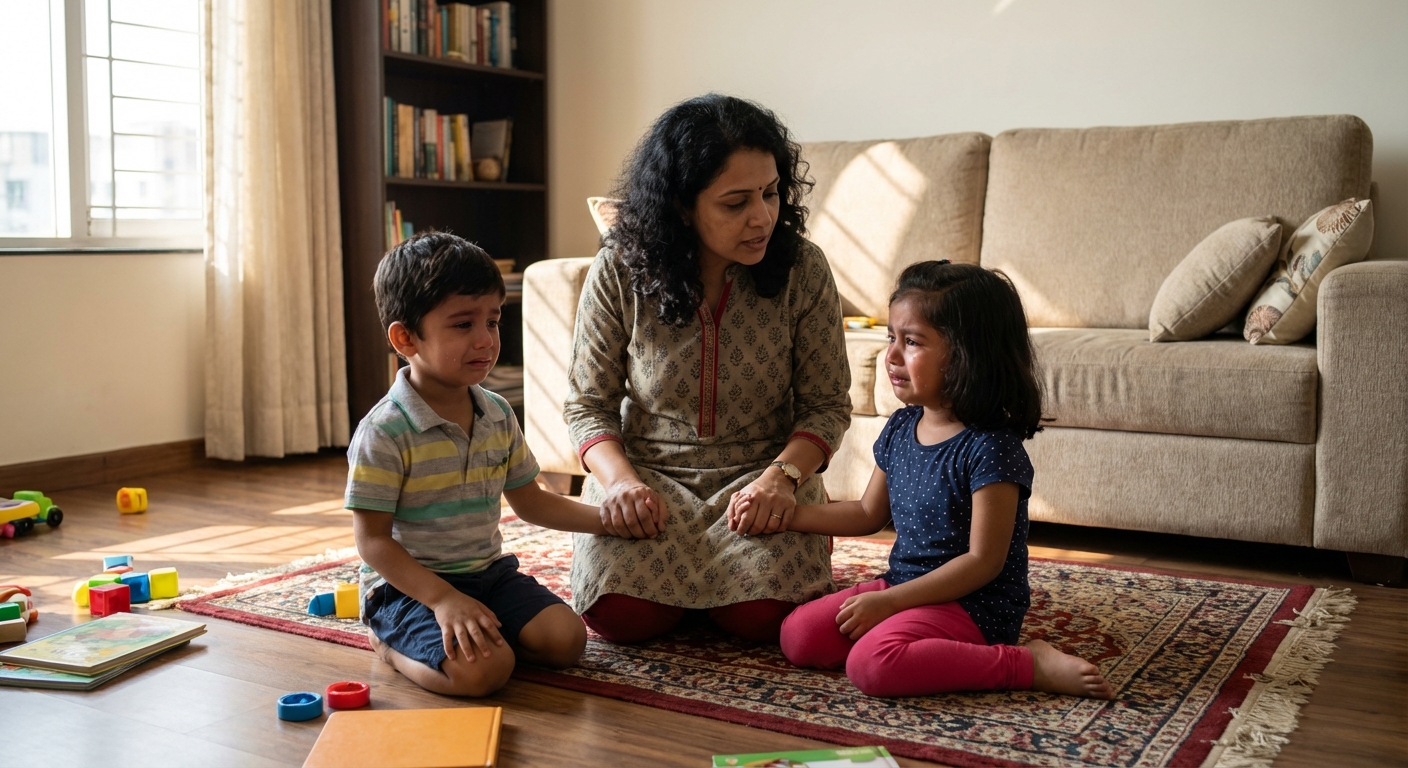
Understanding what to expect at different developmental stages can help parents respond appropriately to sibling conflicts.
Toddlers (1-3 years): At this age, children lack the cognitive ability to share or understand another's perspective. Physical responses such as hitting or grabbing are common. Parents should focus on supervision and redirection rather than punishment.
Preschoolers (3-5 years): Children begin to understand rules but struggle with impulse control. They may engage in frequent tattling and have difficulty taking turns. Teaching simple conflict resolution phrases can be helpful.
School-age children (6-12 years): Rivalry often peaks during this period as children become more aware of comparisons and fairness. They can learn more sophisticated conflict resolution skills and begin to understand consequences.
Adolescents (13-18 years): While physical fights typically decrease, verbal conflicts and competition for privileges increase. Teenagers need more autonomy in resolving their conflicts, with parents serving as guides rather than direct mediators.
The Role of Parental Behavior
In my clinical experience, I have observed that certain parental behaviors, often unintentional, can exacerbate sibling rivalry. Being aware of these patterns is the first step toward change.
The Comparison Trap: This is perhaps the most common issue I encounter, particularly in Indian families. Phrases like "Why can't you be more like your sister?" or "Your brother never gave us trouble in studies" can be deeply damaging. Each child is unique, with their own strengths, challenges, and developmental timeline. Comparisons, even when intended to motivate, often breed resentment and damage sibling relationships.
I worked with a family where the father, Mr. Venkat, constantly compared his two sons. Rahul, the elder, was athletic but struggled academically, while Karthik excelled in studies but showed little interest in sports. The father's frequent comparisons had created deep animosity between the brothers. It took several family therapy sessions for the parents to recognize and appreciate each child's unique gifts.
Favoritism: Even subtle favoritism can poison sibling relationships. Children are remarkably perceptive and can detect preferential treatment, even when parents believe they are being fair. This is particularly relevant in Indian families where gender preferences or favoritism toward the firstborn may exist, sometimes unconsciously.
Over-involvement in Conflicts: While parents should intervene in dangerous situations, constantly stepping in to resolve every dispute prevents children from developing their own conflict resolution skills.
Practical Conflict Resolution Strategies for Children
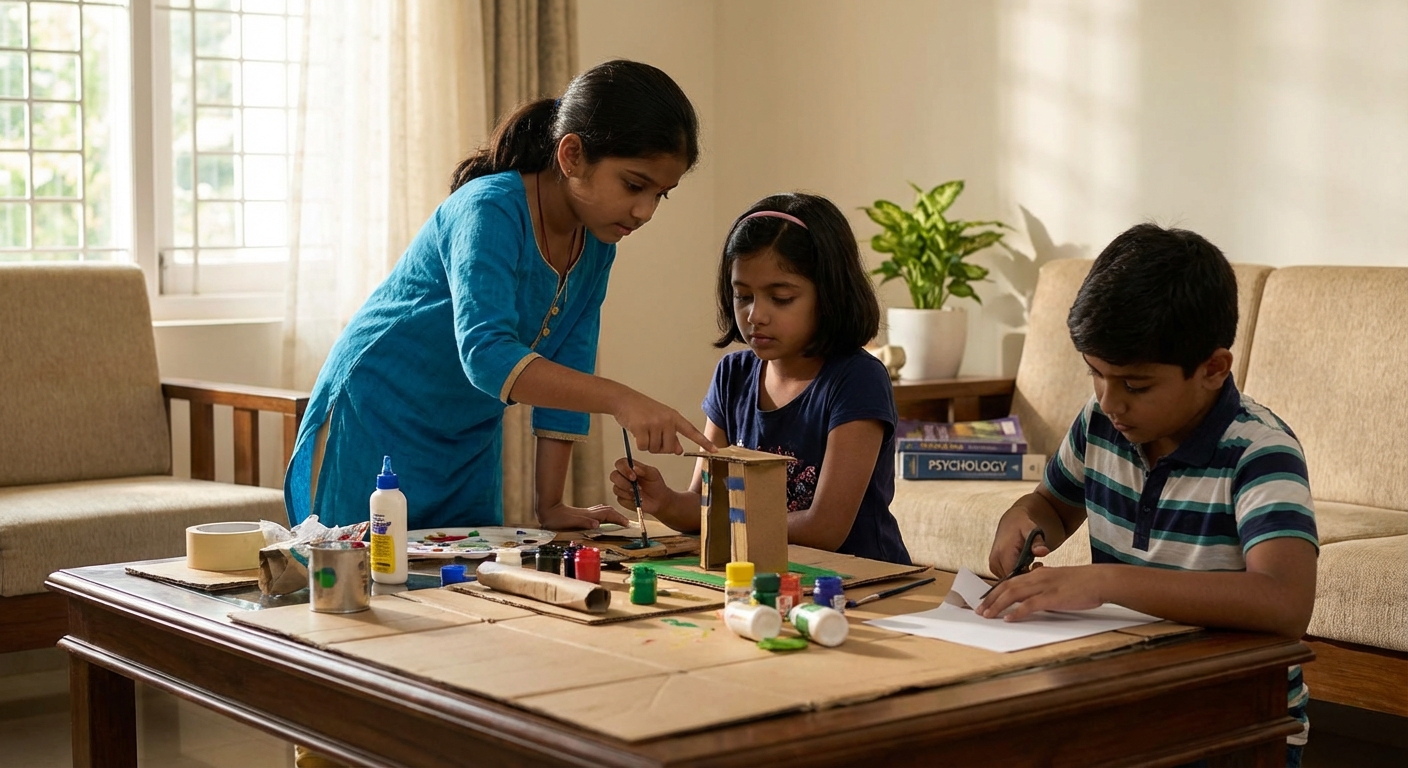
Teaching children to resolve their own conflicts is one of the greatest gifts parents can give. Here are strategies I recommend to families in my practice:
The STOP Technique:
- S - Stop and step back from the conflict
- T - Take three deep breaths
- O - Observe how you and your sibling are feeling
- P - Proceed with respectful communication
The Problem-Solving Meeting: For recurring conflicts, gather the siblings and guide them through identifying the problem, brainstorming solutions, evaluating options, and choosing a solution together. This approach empowers children and teaches democratic decision-making.
Creating Fair Systems: For disputes over shared resources or turn-taking, help children create their own systems. Rotating schedules, timers, or drawing lots can reduce daily conflicts.
Building Cooperation and Teamwork
While managing conflicts is important, proactively building cooperation can reduce rivalry significantly.
Team Activities: Assign tasks that require siblings to work together rather than compete. Cooking a meal together, completing a puzzle, or planning a family event as a team can strengthen bonds.
Celebrating Together: When one child achieves something, involve siblings in the celebration. This shifts the dynamic from competition to mutual support.
Special Time: Ensure each child receives dedicated one-on-one time with each parent. This reduces competition for attention and helps each child feel valued as an individual.
Family Meetings: Regular family meetings where everyone has a voice can address grievances before they escalate and build a sense of team identity.
I recall working with the Sharma family, where three siblings aged eight, eleven, and fourteen were in constant conflict. We introduced weekly family meetings and assigned collaborative household projects. Within three months, the parents reported a significant reduction in fights and, more importantly, observed the children beginning to support each other's endeavors.
The Indian Family Context
Sibling dynamics in Indian families carry unique dimensions that must be acknowledged.
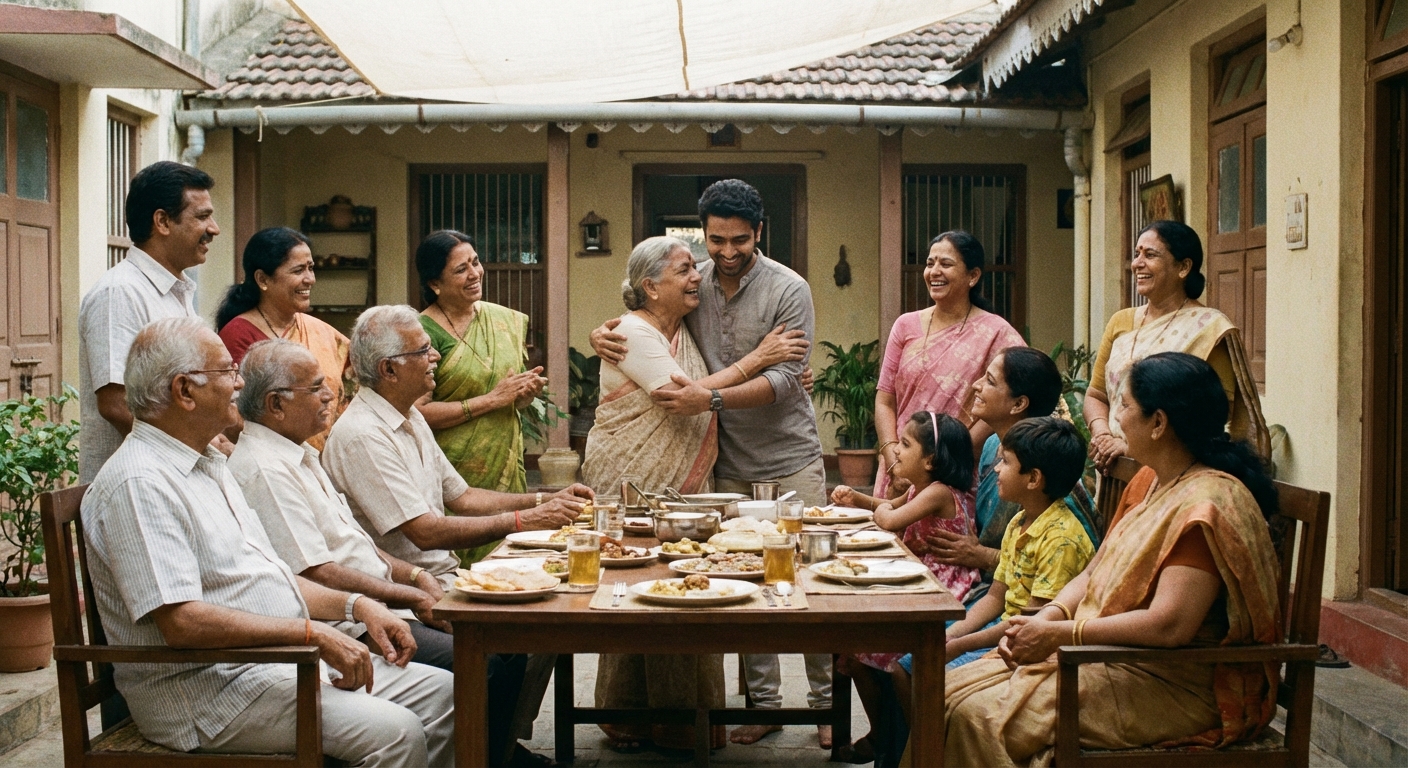
Joint Family Dynamics: In joint families, multiple relationships influence sibling dynamics. Grandparents, aunts, and uncles may unknowingly fuel rivalry through comparisons or differential treatment. While joint families offer wonderful support systems, parents must actively ensure that extended family members respect each child's individuality.
Academic Pressure: The intense focus on academic achievement in Indian culture can create unhealthy competition between siblings. When one child is labeled "the bright one" and another struggles, lasting psychological damage can occur. I encourage parents to broaden their definition of success and celebrate diverse talents.
Inheritance and Property Issues: As children grow into adulthood, disputes over family property and inheritance can reignite childhood rivalries. Open communication about these matters and fair, transparent decision-making can prevent lifelong estrangement.
Gender Expectations: In some families, differential treatment based on gender persists. Sons and daughters may receive different privileges, responsibilities, and opportunities, creating resentment. Conscious effort to treat children equitably regardless of gender is essential.
When to Seek Professional Help
While most sibling rivalry can be managed at home, certain situations warrant professional intervention:
- Physical aggression that causes injury or escalates in intensity
- One child showing signs of depression, anxiety, or severe behavioral changes
- Rivalry that significantly impacts academic performance
- Siblings who refuse to interact or show extreme avoidance
- Conflict that is tearing the family apart and affecting parental mental health
- Situations where bullying or abuse dynamics exist between siblings
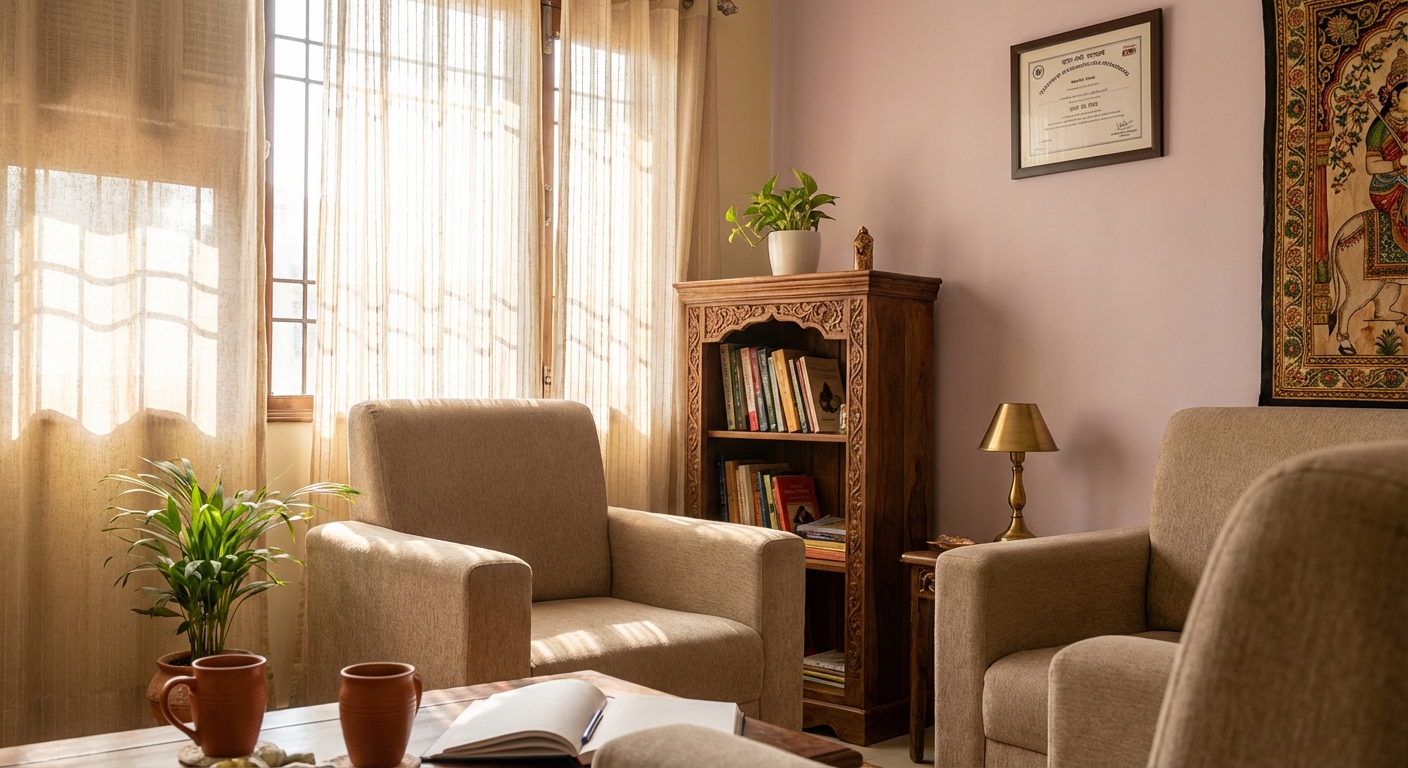
In my practice, I use a combination of individual sessions with each child, joint sibling sessions, and family therapy to address complex rivalry issues. Sometimes, what appears as sibling rivalry is actually a symptom of deeper family dynamics or individual psychological issues that require careful exploration.
A Final Word
Sibling relationships are among the longest-lasting relationships in our lives. The brother or sister who irritates us today may become our closest confidant and support system in adulthood. The goal of managing sibling rivalry is not to eliminate all conflict but to help children develop the skills to navigate disagreements respectfully while building a foundation of love and mutual respect.
As parents, your role is not to referee every fight but to create an environment where each child feels secure, valued, and loved for who they are. When children know that their place in the family is secure and that there is enough love to go around, the intensity of rivalry naturally diminishes.
If you are struggling with sibling dynamics in your family and would like professional guidance, I invite you to consult with me at my practice in Hyderabad. Together, we can explore the unique dynamics in your family and develop strategies tailored to your children's needs. Remember, seeking help is not a sign of failure but a sign of commitment to your family's wellbeing.
---About the Author
Sudheer Sandra is a clinical psychologist based in Hyderabad with over fifteen years of experience in child and family psychology. He specializes in helping families navigate complex dynamics, including sibling rivalry, parenting challenges, and child behavioral issues. Sudheer holds a doctorate in clinical psychology and has worked with hundreds of families across Telangana and Andhra Pradesh. He is known for his compassionate, culturally-sensitive approach that honors the unique context of Indian families while incorporating evidence-based psychological interventions. Sudheer is available for consultations at his Hyderabad practice and also offers online sessions for families across India and abroad. To schedule an appointment, please visit the contact page or reach out directly through the practice.