Dealing with Separation Anxiety in Children: A Guide for Parents

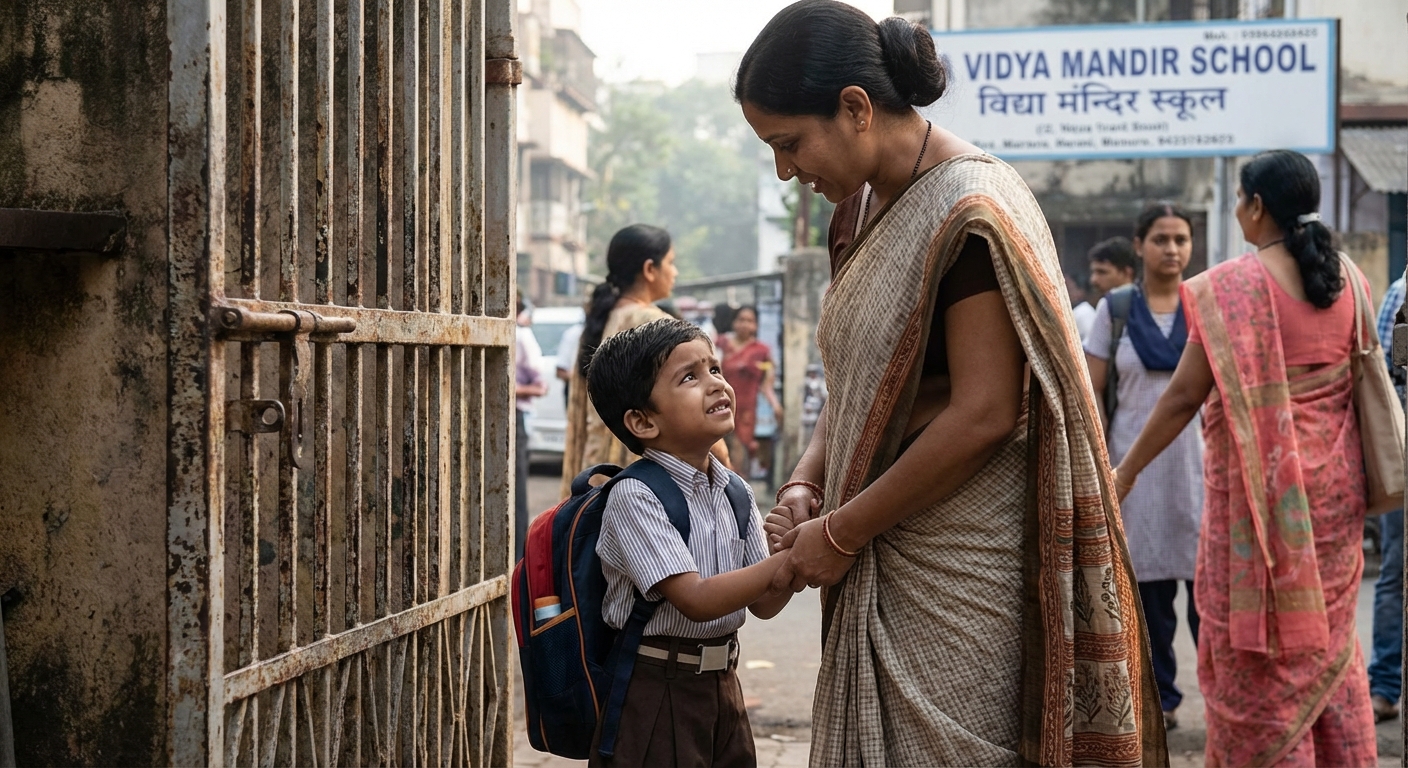
As parents, one of the most heart-wrenching experiences is watching your child cry inconsolably as you prepare to leave for work or drop them off at school. The tiny hands clutching your clothes, the tearful pleas of "Don't go, Amma!" or "Please stay, Papa!" can leave even the most composed parent feeling guilty and helpless.
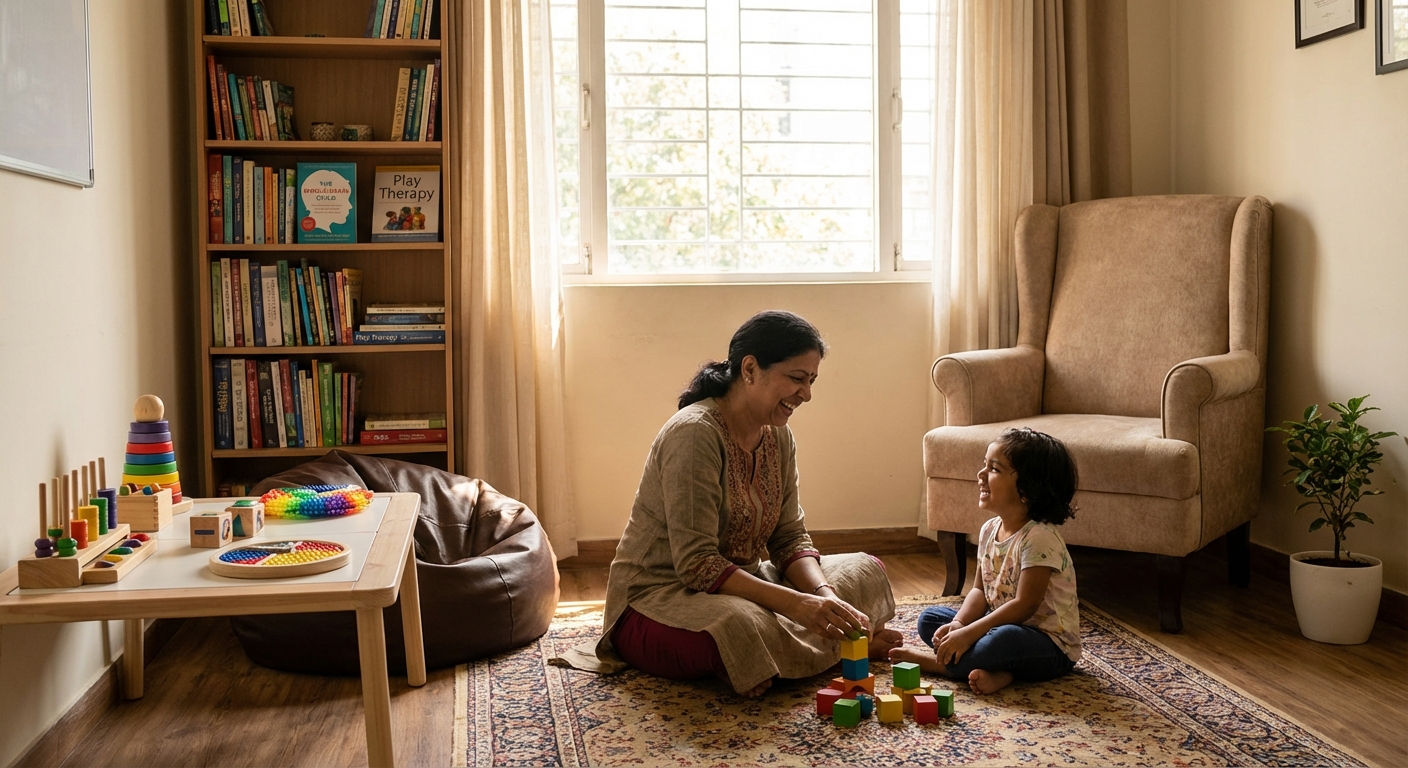
Separation anxiety is one of the most common concerns I encounter in my practice here in Hyderabad. Parents often arrive at my clinic exhausted, worried, and sometimes even questioning their parenting abilities. Let me assure you from the outset: if your child experiences separation anxiety, it is not a reflection of your parenting. In fact, it often indicates a healthy attachment bond between you and your child.
Understanding Separation Anxiety: What Is Normal?
Separation anxiety is a natural developmental stage that typically emerges around 8-10 months of age and can peak between 12-18 months. During this phase, children begin to understand that their caregivers exist even when out of sight—a cognitive milestone called object permanence. However, they have not yet developed the emotional capacity to trust that you will return.
For most children, this anxiety gradually decreases by age 3-4 as they develop language skills, understand time concepts, and build trust through repeated experiences of reunion. However, some children continue to experience intense separation anxiety that interferes with their daily functioning—this is when professional guidance becomes valuable.
When Does Separation Anxiety Become a Concern?
I remember working with Priya and Rajesh (names changed), parents of 6-year-old Ananya. They came to me after months of morning struggles. Ananya would wake up with stomach aches on school days, refuse to eat breakfast, and become hysterical when it was time to leave. The school had called multiple times because Ananya would spend hours in the nurse's office, unable to participate in class activities.
"We thought she would grow out of it," Priya told me, her voice heavy with exhaustion. "But it's been getting worse, not better."
This is a key distinction parents must understand. Normal separation anxiety is uncomfortable but manageable and tends to resolve relatively quickly once the child is engaged in an activity. Separation Anxiety Disorder (SAD), on the other hand, is persistent, excessive, and significantly impacts the child's ability to function in school, social settings, or at home.
The Science Behind Separation Anxiety
To help your child effectively, it helps to understand what is happening in their developing brain. When children experience separation anxiety, their amygdala—the brain's fear center—perceives the separation as a threat. This triggers a cascade of stress hormones including cortisol and adrenaline, which produce the physical symptoms we observe: rapid heartbeat, sweating, stomach upset, and the overwhelming urge to cry or cling.
Research published in the Journal of Child Psychology and Psychiatry demonstrates that children with separation anxiety often have heightened sensitivity in their threat-detection systems. This is not a character flaw or manipulation—their brains are genuinely perceiving danger, even when we as adults know they are safe.
Understanding this helps us respond with compassion rather than frustration. Your child is not giving you a hard time; they are having a hard time.
Evidence-Based Strategies for Parents
1. Create Predictable Goodbye Rituals
Children thrive on predictability. When they know exactly what to expect, their anxiety decreases significantly. Work with your child to create a special goodbye ritual that you follow every single time you separate.
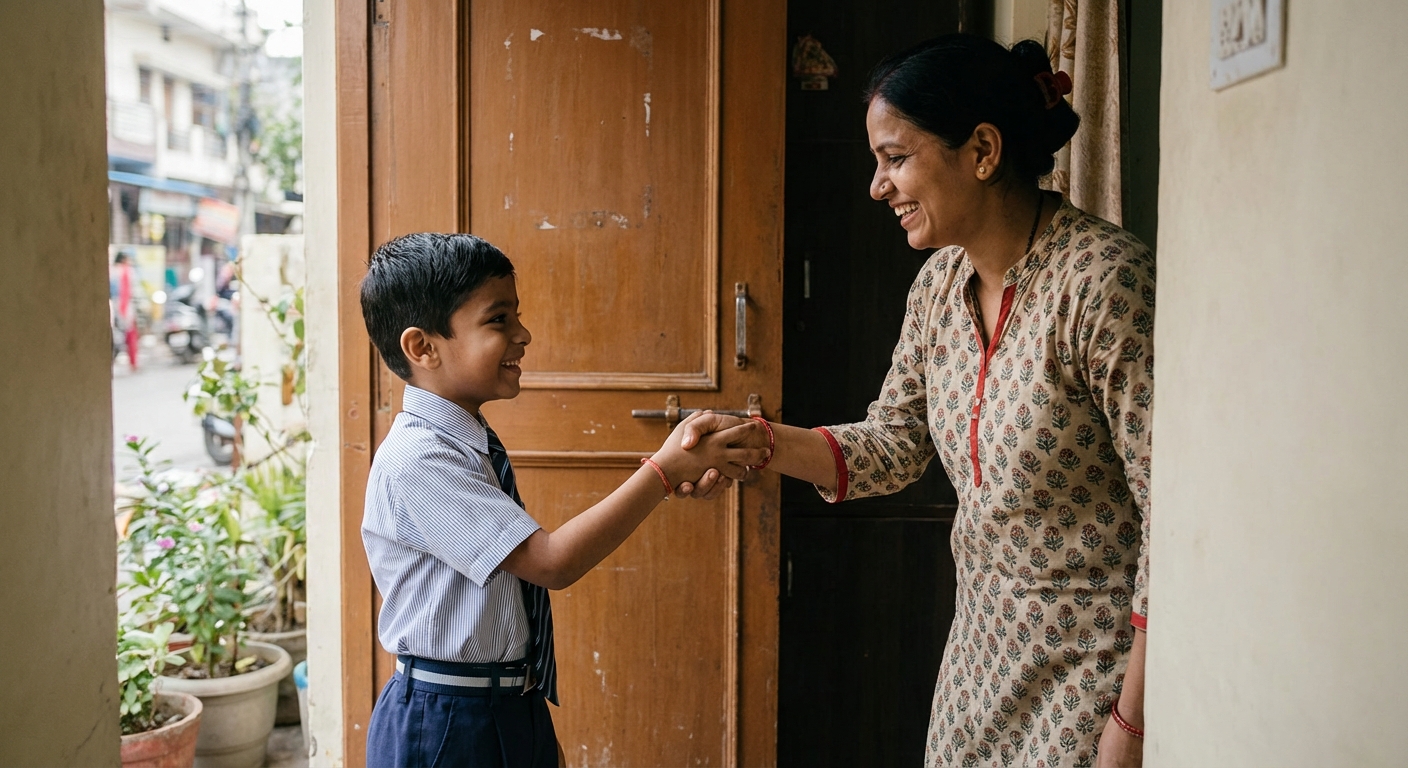
In Ananya's case, we developed a "secret handshake" that ended with a kiss on the palm. Priya would tell Ananya, "I'm putting my love right here in your hand. Whenever you miss me, just press your palm to your heart, and you'll feel my love."
This simple ritual gave Ananya something tangible to hold onto and a concrete action to take when anxiety struck.
2. Practice Gradual Separations
If your child struggles with separation, do not throw them into the deep end. Instead, practice brief separations in low-stakes situations and gradually increase duration and distance.
Start by leaving your child with a trusted family member—perhaps their grandparents or a favourite aunt or uncle—for 15-30 minutes while you step out. Celebrate successful separations and gradually extend the time. This builds your child's confidence and helps their brain learn that separations are temporary and survivable.
3. Validate Their Feelings Without Reinforcing Fear
This is perhaps the most delicate balance parents must strike. Your child's fear is real and deserves acknowledgment. Dismissive statements like "There's nothing to be afraid of" or "Big children don't cry" may seem logical but often intensify anxiety because the child feels misunderstood.
Instead, try: "I can see you're feeling scared about me leaving. It's okay to feel scared. I also know you are brave, and your teacher will take good care of you. I will be back right after snack time."
This approach validates the emotion while expressing confidence in your child's ability to cope.
4. Avoid Prolonged Goodbyes
One of the most common mistakes I see well-meaning parents make is extending the goodbye process in an attempt to comfort their child. Unfortunately, this often backfires. Long, drawn-out farewells give anxiety more time to build and can inadvertently communicate to your child that there is indeed something to be worried about.
Keep goodbyes warm but brief. Say your ritual, express your love, state when you will return, and leave with confidence. Yes, your child may cry—but teachers consistently report that most children calm down within minutes of the parent's departure.
5. Never Sneak Away
It might seem easier to slip out when your child is distracted, but this approach destroys trust and ultimately worsens separation anxiety. When children discover their parent has disappeared without warning, they learn that they must be hypervigilant at all times because abandonment can happen without notice.
Always say goodbye, even when it is hard.
Building Long-Term Resilience
Beyond managing immediate separation situations, there are several strategies that build your child's overall emotional resilience:
Read Books About Separation and Reunion
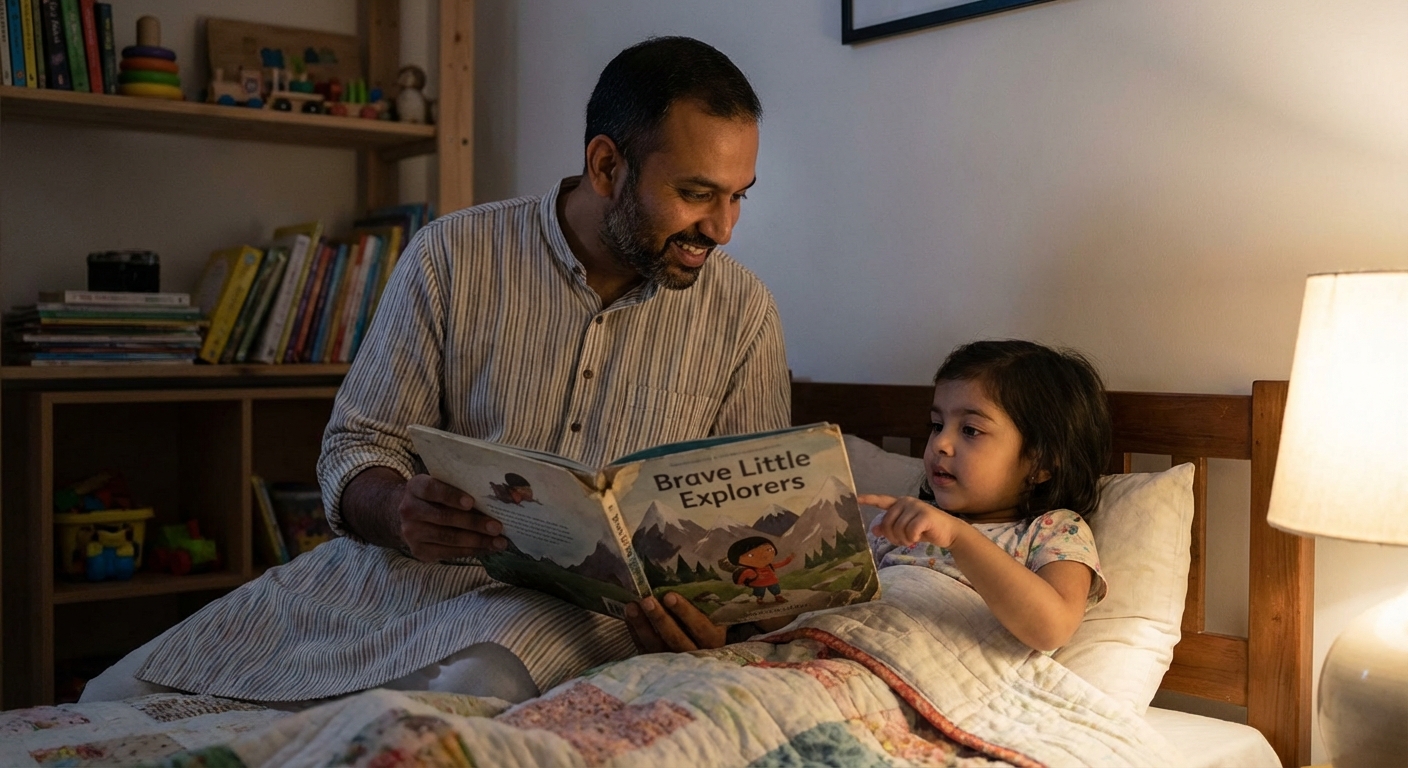
Stories are powerful tools for helping children process emotions. Books like "The Kissing Hand" by Audrey Penn or "Owl Babies" by Martin Waddell normalize separation anxiety and model healthy coping. In our Indian context, you might also create stories featuring familiar settings—perhaps a tale about a brave child who goes to their grandmother's house in the village while their parents work.
Foster Independence in Daily Activities
Children who feel capable in small tasks carry that confidence into bigger challenges. Encourage age-appropriate independence: letting them dress themselves, pour their own water, or help with simple cooking tasks. Each small success builds the belief "I can handle things."
Maintain Connection During Separations
For working parents, maintaining connection throughout the day can help bridge the gap. A quick video call during lunch break, a note tucked into their school bag, or a small photograph they can keep in their pocket—these tangible reminders of your love provide comfort during your absence.
Address Your Own Anxiety
Children are remarkably perceptive. They pick up on our emotional states even when we think we are hiding them well. If you are anxious about leaving your child, they will sense it and interpret it as confirmation that separation is indeed dangerous.
Work on managing your own anxiety about separations. Remind yourself that your child is safe, that temporary distress is not harmful, and that learning to cope with separation is an important life skill you are helping them develop.
When Professional Help Is Needed
While the strategies above are effective for many families, some children benefit from professional support. Consider seeking help if:
- Separation anxiety persists beyond age 4-5 with significant intensity
- Your child experiences physical symptoms like chronic stomach aches or headaches related to separations
- Anxiety significantly interferes with school attendance or performance
- Your child refuses to sleep alone or has persistent nightmares about separation
- The anxiety seems to be worsening rather than improving over time
- Your family is experiencing significant stress due to the child's anxiety
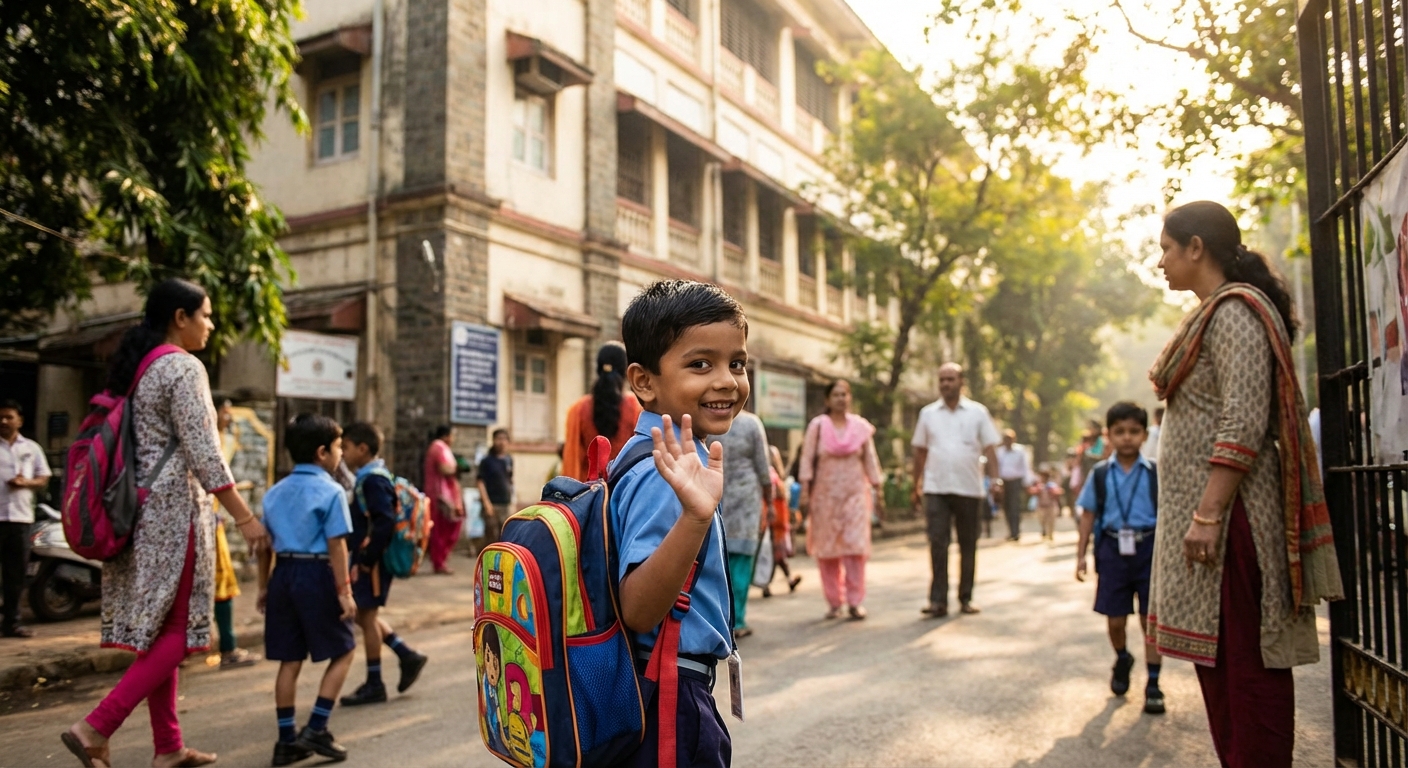
After three months of work together, Ananya was walking into school with only minor hesitation. The stomach aches had stopped, and she had even begun looking forward to seeing her friends. Priya sent me a message that made my day: "This morning, Ananya gave me a kiss and ran inside without looking back. I actually cried—but this time, from happiness."
A Message of Hope
If you are currently in the thick of separation anxiety struggles with your child, I want you to know: this phase will pass. With patience, consistency, and compassionate support, the vast majority of children overcome separation anxiety and develop into confident, secure individuals.
Your love for your child is evident in the very fact that you are seeking information and strategies to help them. That love, combined with evidence-based approaches, creates the foundation for healing.
Remember to be patient with yourself as well. Parenting through separation anxiety is exhausting. It is okay to feel frustrated, sad, or overwhelmed. Taking care of your own emotional well-being is not selfish—it is essential.
---If your child is struggling with separation anxiety and you would like professional support, I invite you to schedule a consultation at my practice in Hyderabad. Together, we can develop a personalized plan to help your child build confidence and your family find peace. With over 15 years of experience working with children and families, I am committed to providing warm, evidence-based care tailored to your unique situation. Please reach out to book an appointment—I would be honored to support your family on this journey.
Sudheer Sandra is a licensed psychologist and career counselor based in Hyderabad, India, with over 15 years of clinical experience. He specializes in anxiety, depression, relationship issues, and career counseling, and is passionate about helping families navigate the challenges of childhood development with compassion and science-backed strategies.