Managing Seasonal Affective Disorder: Coping with Winter Blues

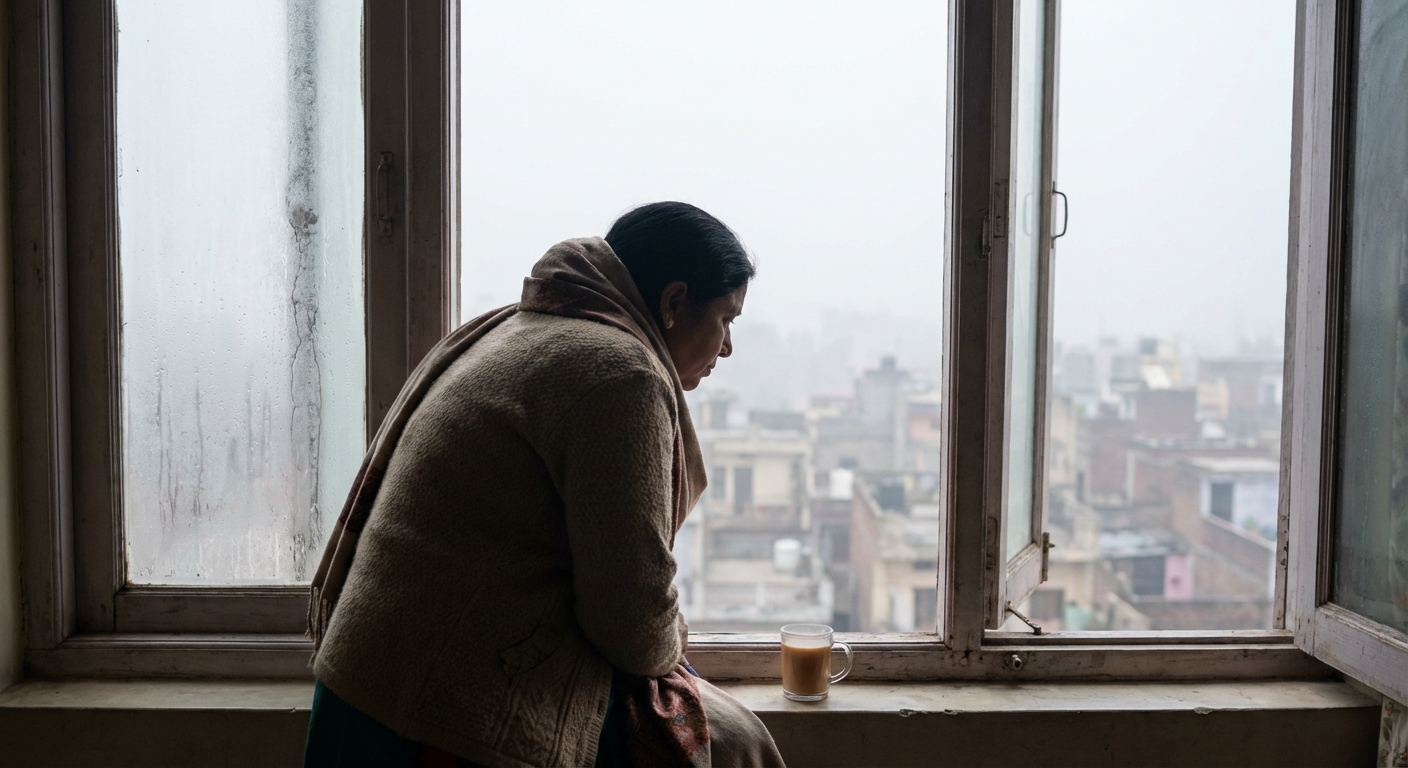
As the days grow shorter and the sunlight becomes scarce, many individuals find themselves experiencing a significant shift in their mood, energy levels, and overall well-being. This phenomenon, known as Seasonal Affective Disorder (SAD), affects millions of people worldwide, including a substantial number of individuals in India. While we may not experience harsh winters like those in northern countries, the reduced daylight hours and changing seasons can still trigger significant psychological changes that deserve our attention and care.
Understanding Seasonal Affective Disorder
Seasonal Affective Disorder is a type of depression that follows a seasonal pattern. Most commonly, symptoms begin in late autumn or early winter and subside during the spring and summer months. However, some individuals experience a reverse pattern, with symptoms appearing during summer months, though this is considerably less common.
SAD is not simply a case of "winter blues" or feeling a bit down because of cold weather. It is a recognized clinical condition that can significantly impact daily functioning, relationships, work performance, and overall quality of life. The Diagnostic and Statistical Manual of Mental Disorders (DSM-5) classifies SAD as a specifier for major depressive disorder with a seasonal pattern.
Common Symptoms of SAD
The symptoms of Seasonal Affective Disorder can vary in intensity from mild to severe. Recognizing these symptoms early can help individuals seek appropriate support before the condition worsens.
Emotional symptoms include:
- Persistent feelings of sadness, hopelessness, or emptiness
- Loss of interest in activities once enjoyed
- Feelings of worthlessness or excessive guilt
- Difficulty concentrating and making decisions
- Thoughts of death or suicide in severe cases
- Significant changes in sleep patterns, typically oversleeping
- Fatigue and low energy levels despite adequate rest
- Changes in appetite, often craving carbohydrates and sweets
- Weight gain
- Feeling sluggish or agitated
- Withdrawal from social activities
- Difficulty maintaining relationships
- Reduced productivity at work or school
- Neglecting responsibilities and self-care
What Causes Seasonal Affective Disorder?
Understanding the underlying causes of SAD helps us approach treatment more effectively. Research has identified several biological and environmental factors that contribute to this condition.
Reduced Sunlight Exposure
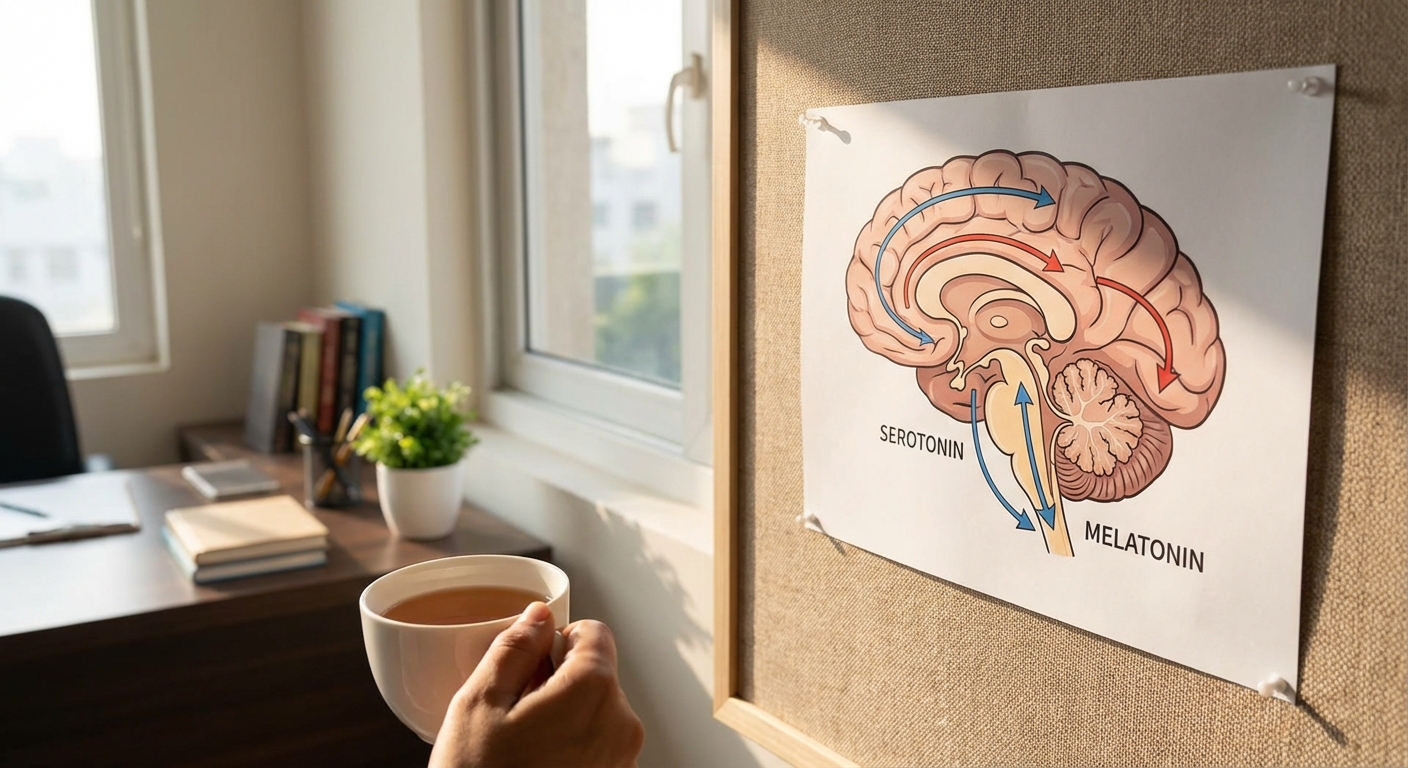
The primary trigger for SAD is the reduction in sunlight during shorter winter days. Sunlight plays a crucial role in regulating our internal body clock, known as the circadian rhythm. When we receive less natural light, this rhythm can become disrupted, leading to feelings of disorientation and mood changes.
Serotonin Levels
Serotonin is a neurotransmitter that significantly influences mood, appetite, and sleep. Reduced sunlight exposure can lead to decreased serotonin activity in the brain, contributing to depressive symptoms. Studies have shown that individuals with SAD may have difficulty regulating serotonin during winter months.
Melatonin Production
Melatonin is the hormone responsible for regulating sleep-wake cycles. During darker months, the body may produce excess melatonin, leading to increased sleepiness and lethargy. This overproduction can disrupt normal sleep patterns and contribute to the fatigue commonly experienced in SAD.
Vitamin D Deficiency
Sunlight helps our bodies produce Vitamin D, which plays a role in serotonin activity. Reduced sunlight exposure during winter can lead to Vitamin D deficiency, potentially exacerbating depressive symptoms.
Case Studies from Clinical Practice
In my years of practice in Hyderabad, I have worked with numerous individuals struggling with seasonal mood changes. While names and identifying details have been changed to protect privacy, these cases illustrate how SAD manifests in real life.
Meera's Story: Meera, a 34-year-old IT professional, came to me reporting severe fatigue and difficulty concentrating at work every winter for the past five years. Despite sleeping nine to ten hours each night, she felt exhausted and found herself craving sweets constantly. She had gained significant weight during previous winters and felt embarrassed about her appearance. Through a combination of light therapy and cognitive behavioral therapy, Meera learned to recognize her symptoms early and implement preventive strategies. Today, she manages her condition effectively and maintains her productivity year-round.
Rajesh's Experience: Rajesh, a 42-year-old teacher, noticed that his enthusiasm for teaching disappeared every November. He would dread going to work, struggle to engage with students, and spend weekends isolated in his room. His family initially dismissed his symptoms as laziness. After proper assessment and diagnosis, Rajesh began light therapy combined with lifestyle modifications. His family also participated in psychoeducation sessions, which helped them understand his condition and provide better support.
Evidence-Based Treatment Options
Managing SAD effectively often requires a multi-faceted approach. Here are the most researched and effective treatment strategies:
Light Therapy (Phototherapy)
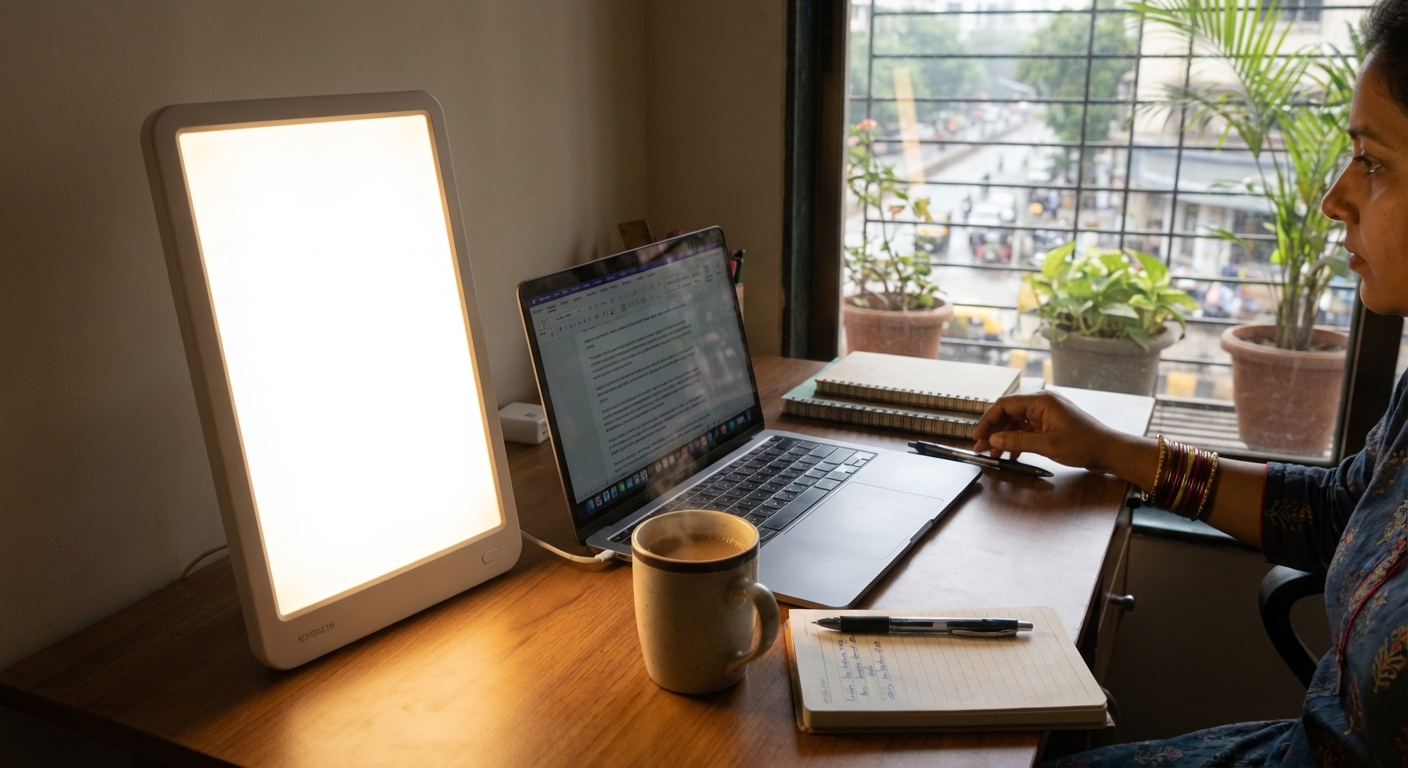
Light therapy is considered the first-line treatment for SAD. It involves sitting near a special light therapy box that emits bright light (typically 10,000 lux) for about 20-30 minutes each morning. This exposure helps regulate circadian rhythms and can improve mood within days to weeks.
Key considerations for light therapy:
- Use a light box specifically designed for SAD treatment
- Position the light at eye level, about 16-24 inches from your face
- Avoid looking directly at the light
- Morning sessions are generally most effective
- Consistency is crucial for best results
Cognitive Behavioral Therapy (CBT-SAD)
A specialized form of cognitive behavioral therapy has been developed specifically for SAD. CBT-SAD focuses on identifying and challenging negative thought patterns while encouraging behavioral activation. This approach helps individuals develop healthier coping mechanisms and may provide longer-lasting benefits than light therapy alone.
Medication
For moderate to severe cases, antidepressant medications, particularly selective serotonin reuptake inhibitors (SSRIs), may be recommended. In some cases, extended-release bupropion may be prescribed preventively before symptoms typically begin. Any medication should be discussed with and monitored by a qualified mental health professional.
Vitamin D Supplementation
While research results are mixed, some studies suggest that Vitamin D supplementation may help alleviate SAD symptoms, particularly in individuals with documented deficiency. Blood tests can determine if supplementation would be beneficial for you.

Lifestyle Modifications for Managing SAD
Beyond formal treatment, several lifestyle changes can significantly impact your ability to manage seasonal depression:
Maximize Natural Light Exposure
- Open curtains and blinds as soon as you wake up
- Arrange your workspace near windows
- Take short walks outdoors during daylight hours, even on cloudy days
- Consider trimming bushes or trees that block sunlight from entering your home
Maintain Regular Physical Activity
Exercise is a powerful natural antidepressant. Regular physical activity increases serotonin and endorphin levels, improves sleep quality, and boosts overall energy. Aim for at least 30 minutes of moderate exercise most days of the week. Morning outdoor exercise provides the added benefit of natural light exposure.
Prioritize Sleep Hygiene
While it may be tempting to oversleep during winter months, maintaining a consistent sleep schedule is essential. Try to wake up at the same time each day, even on weekends. Avoid excessive napping, which can disrupt nighttime sleep and perpetuate the cycle of fatigue.
Nourish Your Body
Pay attention to your diet during vulnerable months. While carbohydrate cravings are common, try to maintain a balanced diet rich in fruits, vegetables, lean proteins, and whole grains. Omega-3 fatty acids, found in fish, walnuts, and flaxseeds, may have mood-boosting properties.
Stay Socially Connected
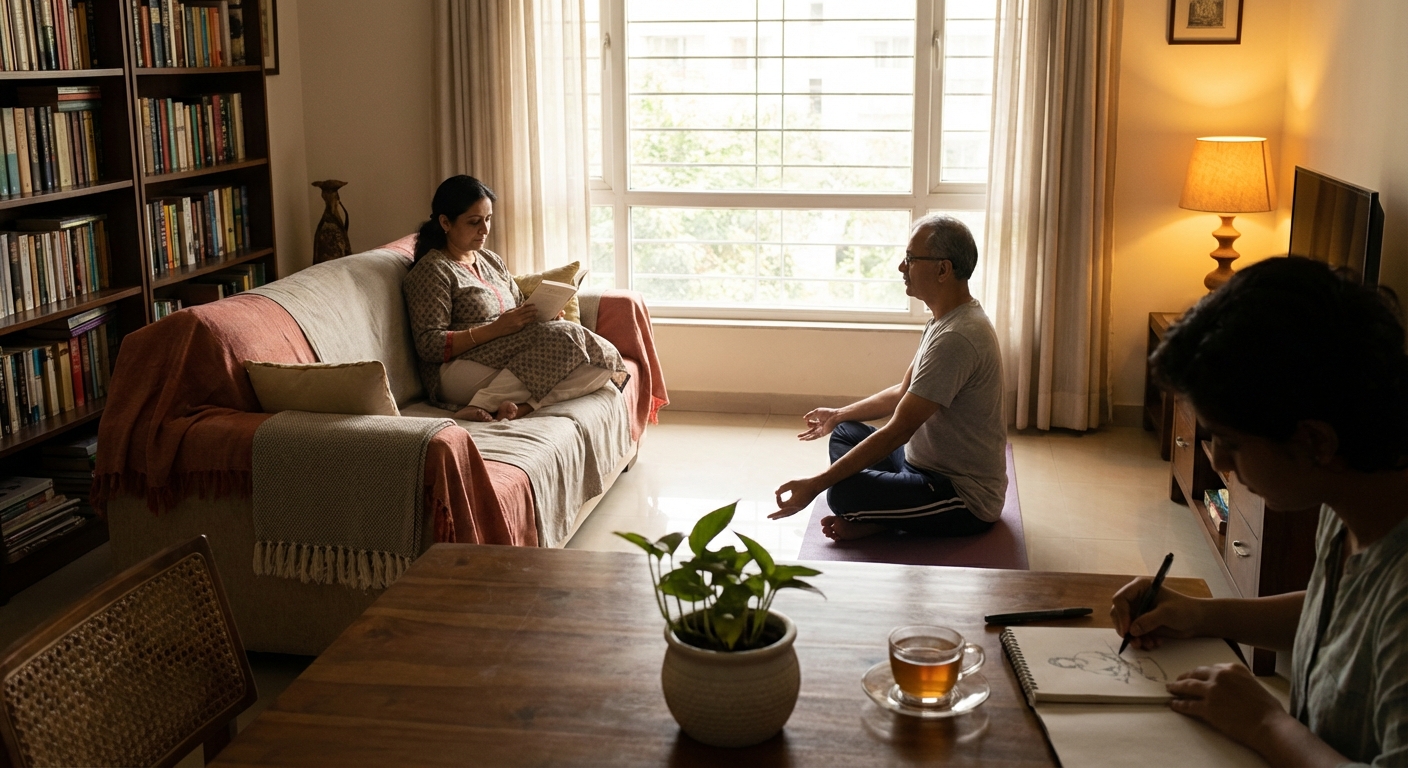
Social withdrawal is a common symptom of SAD, but isolation often worsens depressive symptoms. Make conscious efforts to maintain social connections, even when you do not feel like it. Schedule regular activities with friends and family, join clubs or groups aligned with your interests, or consider volunteering.
Practice Stress Management
Chronic stress can exacerbate SAD symptoms. Incorporate stress-reduction techniques into your daily routine, such as:
- Mindfulness meditation
- Deep breathing exercises
- Progressive muscle relaxation
- Yoga or tai chi
- Journaling
When to Seek Professional Help
While mild seasonal mood changes can often be managed with self-care strategies, professional help is important when:
- Symptoms significantly interfere with daily functioning
- You experience thoughts of self-harm or suicide
- Self-care strategies are not providing relief
- Symptoms persist beyond the typical seasonal pattern
- You are using alcohol or other substances to cope
Creating Your Personal SAD Management Plan
Effective management of SAD requires a proactive, personalized approach. I recommend creating a written plan that includes:
1. Early warning signs specific to your experience 2. Preventive measures to implement before symptoms typically begin 3. Daily routines that support your mental health 4. Emergency contacts and resources for crisis situations 5. Regular check-ins with yourself or a support person
Review and update this plan annually based on what worked and what needs adjustment.
Conclusion
Seasonal Affective Disorder is a real and treatable condition. With proper understanding, evidence-based treatments, and lifestyle modifications, most individuals can effectively manage their symptoms and maintain a good quality of life throughout the year. Remember that seeking help is a sign of strength, not weakness, and that you do not have to face this challenge alone.
If you are experiencing symptoms of SAD or struggling with seasonal mood changes, I encourage you to reach out for professional support. At my practice in Hyderabad, I work with individuals to develop comprehensive, personalized treatment plans that address their unique needs and circumstances. Whether through individual therapy, light therapy guidance, or a combination of approaches, effective help is available.
Do not let the winter months diminish your quality of life. Contact my clinic today to schedule a consultation and take the first step toward reclaiming your well-being, regardless of the season.
---Sudheer Sandra is a licensed psychologist and career counselor based in Hyderabad, India, with over 15 years of clinical experience. He specializes in anxiety, depression, relationship issues, and career counseling. To schedule an appointment or learn more about managing Seasonal Affective Disorder, please contact his practice.