Managing the Retirement Transition: Finding Purpose After Your Career

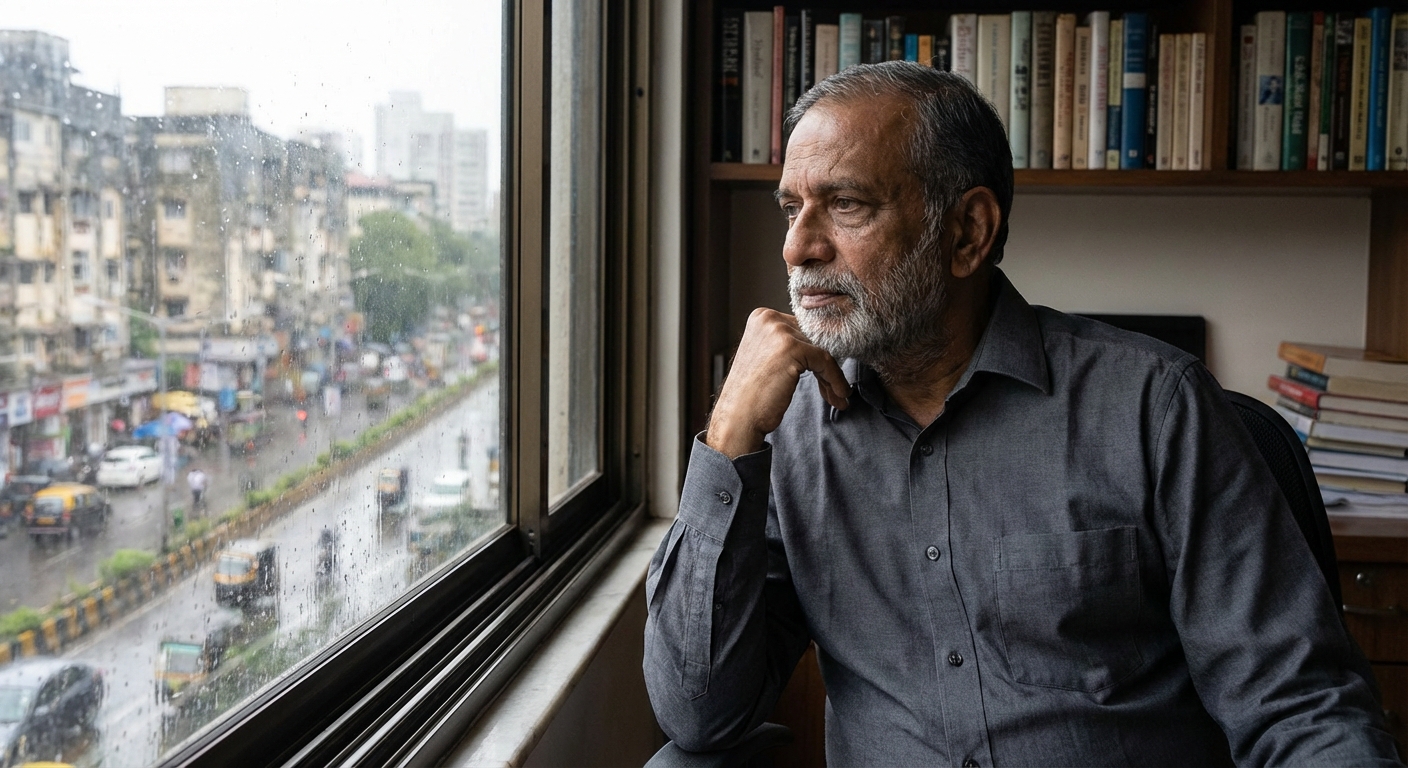
Retirement is often portrayed as the ultimate reward for decades of hard work, a golden period of leisure and freedom. Yet, for many individuals who have dedicated their lives to their careers, stepping away from work can feel less like liberation and more like losing a fundamental part of themselves. In my fifteen years of clinical practice here in Hyderabad, I have witnessed countless successful professionals struggle with this transition, discovering that the emotional and psychological challenges of retirement are often far more complex than they anticipated.
If you find yourself approaching retirement with a mix of excitement and anxiety, or if you have already retired and are struggling to find your footing, know that your experience is both valid and common. This article explores the psychological dimensions of retirement and offers guidance for navigating this significant life transition with greater awareness and intention.
The Identity Crisis: Who Am I Without My Work?
For most of us, our professional identity becomes deeply intertwined with our sense of self. When someone asks, "What do you do?" we rarely hesitate before answering. Our careers provide not just income but also status, routine, social connections, and a sense of competence and contribution. When this central pillar of identity suddenly disappears, the ground can feel unstable beneath our feet.
Consider the experience of Raghunath Rao (name changed), a 62-year-old former bank manager who came to see me six months after his retirement. "I spent 38 years building my career," he told me during our first session. "I was respected, I had purpose, I knew exactly what I was supposed to do every day. Now I wake up and I have no idea who I am anymore. My wife gets annoyed because I follow her around the house. My children treat me like I am fragile. I feel like a stranger in my own life."
Raghunath's experience illustrates what psychologists call "role loss," one of the most significant psychological challenges of retirement. When we lose a role that has defined us for decades, we must essentially reconstruct our identity from the ground up.

The Emotional Landscape of Retirement
The emotional experience of retirement is rarely straightforward. Many retirees report a honeymoon phase in the first few months, a sense of relief and freedom from workplace stress. However, this initial euphoria often gives way to more challenging emotions.
Grief and Loss: Retirement involves multiple losses, including the loss of professional identity, daily structure, workplace relationships, and the sense of being needed and productive. These losses deserve to be mourned, yet many retirees feel they should simply be grateful and happy.
Anxiety and Uncertainty: Without the familiar rhythms of work, many retirees experience significant anxiety about how to structure their days, whether their savings will last, and what meaning their remaining years will hold.
Depression: Research consistently shows that depression rates increase following retirement, particularly for those who have not developed interests and relationships outside of work. The loss of purpose and social connection can create a profound sense of emptiness.
Shame and Embarrassment: Some retirees feel ashamed of struggling with retirement, believing they should be enjoying this phase. This shame can prevent them from seeking support, deepening their isolation.
Lakshmi Devi (name changed), a 58-year-old retired school principal, described her experience this way: "Everyone kept congratulating me, telling me how lucky I was to finally have time for myself. But I felt like I was grieving something that nobody else could see. I missed my students, I missed feeling competent, I missed having somewhere to be. I felt guilty for feeling sad when I was supposed to feel grateful."
Relationship Adjustments: Navigating the New Normal
Retirement does not happen in isolation; it profoundly affects our closest relationships, particularly with spouses and partners. After decades of maintaining separate professional lives and routines, couples suddenly find themselves spending much more time together, often without the skills or habits needed to navigate this new dynamic.
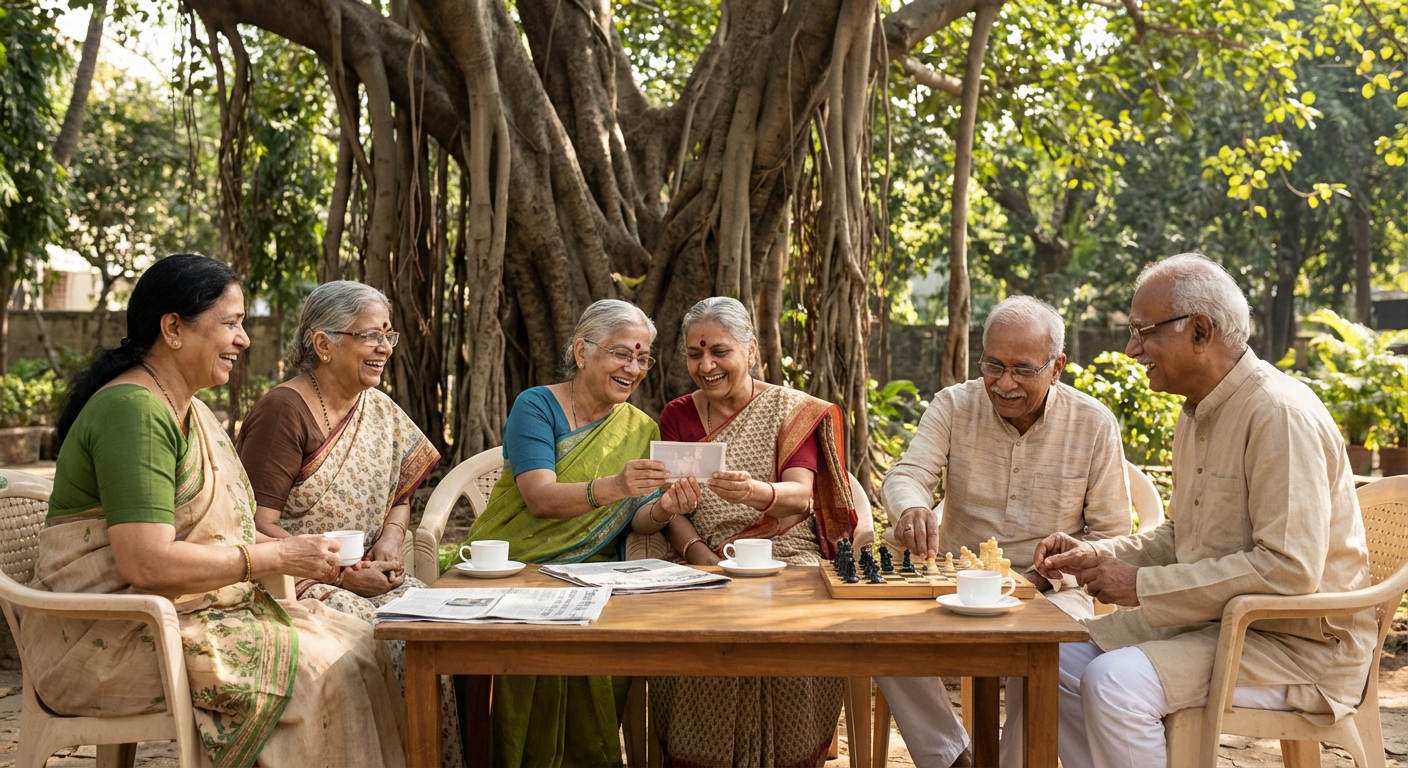
Venkatesh and Padmini Sharma (names changed) came to see me together about a year after Venkatesh retired from his position as a senior engineer. "We have been married for 35 years," Padmini explained, "and we have never argued as much as we have in the past year. He does not understand that I have my routines, my friendships, my way of running the household. Suddenly he wants to reorganize everything, including me."
Venkatesh, for his part, felt rejected and purposeless. "I thought we would spend more time together, travel, enjoy life. Instead, she acts like I am in the way."
This pattern is remarkably common. The spouse who has been managing the home often feels their territory invaded, while the retiring spouse feels unwelcome in their own home. Both partners must learn to renegotiate boundaries, routines, and expectations.
Key strategies for navigating relationship adjustments include:
- Communicate openly and regularly about expectations, needs, and concerns
- Maintain individual interests and friendships rather than expecting your partner to fulfill all your social needs
- Negotiate shared responsibilities rather than assuming roles will automatically shift
- Create intentional together time rather than simply defaulting to constant proximity
- Seek couples counseling if conflicts persist, as a neutral third party can help facilitate these difficult conversations
Finding New Purpose: The Path Forward
While the challenges of retirement are real, so too are the opportunities for growth, meaning, and fulfillment. The key lies in actively constructing a new sense of purpose rather than waiting for it to emerge on its own.
Rediscovering Dormant Interests
Many of us put aside hobbies, interests, and dreams during our working years, telling ourselves we would pursue them "someday." Retirement offers the opportunity to return to these abandoned passions or discover entirely new ones.
Raghunath, the former bank manager I mentioned earlier, eventually found his way to a community center where he now teaches financial literacy to young people from disadvantaged backgrounds. "I realized I did not miss banking," he told me. "I missed feeling useful, feeling like my knowledge mattered. Now I get that feeling every week, and I am making a difference in these young people's lives."
Volunteering and Community Engagement
Research consistently shows that volunteering is one of the most effective ways to maintain well-being in retirement. Giving back to the community provides purpose, social connection, and a sense of contribution, all elements that were previously provided by work.

Lifelong Learning
The brain thrives on novelty and challenge at any age. Many retirees find great satisfaction in learning new skills, whether through formal education, online courses, or informal study groups. Whether it is learning a new language, studying philosophy, or mastering a musical instrument, continuous learning keeps the mind sharp and provides a sense of progress and accomplishment.
Physical Health and Well-being
Retirement provides an opportunity to prioritize physical health in ways that may not have been possible during busy working years. Regular exercise, proper nutrition, adequate sleep, and preventive healthcare not only improve quality of life but also protect against depression and cognitive decline.
Spiritual and Philosophical Exploration
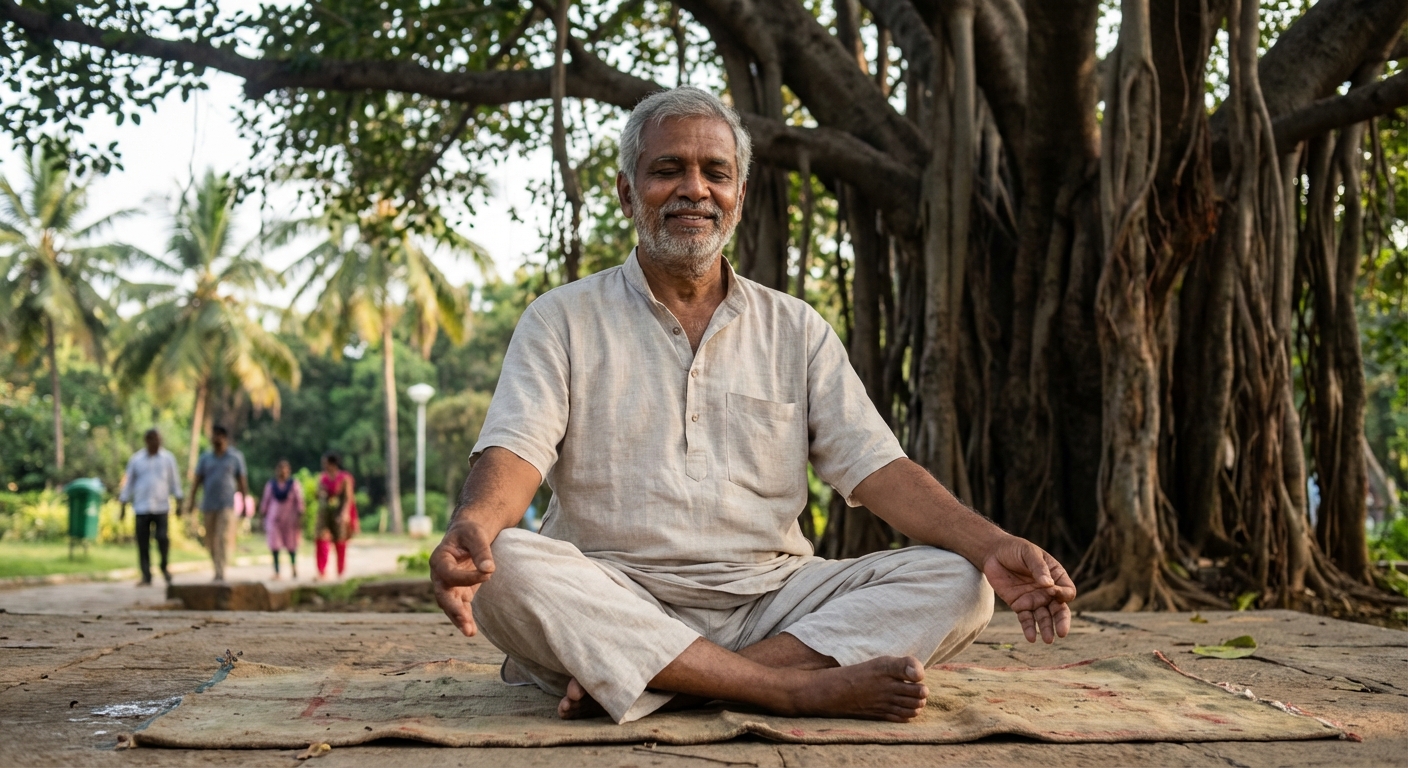
For many, retirement becomes a time for deeper spiritual exploration and existential reflection. This might involve engaging more deeply with religious traditions, exploring meditation and mindfulness practices, or simply taking time to contemplate questions of meaning and purpose that were pushed aside during the busyness of career life.
A Framework for Successful Transition
Based on my clinical experience working with retirees, I have developed a framework that can help guide this transition:
Acknowledge and honor the losses: Give yourself permission to grieve what you are leaving behind. This is not self-pity; it is healthy processing of significant life change.
Take time before making major decisions: Avoid rushing into new commitments or major life changes in the first year of retirement. Give yourself time to adjust and discover what truly resonates with you.
Experiment and explore: Try different activities, volunteer opportunities, and social groups. Not everything will be the right fit, and that is perfectly normal.
Maintain structure: While flexibility is a benefit of retirement, complete lack of structure can be destabilizing. Create routines that provide rhythm to your days while leaving room for spontaneity.
Invest in relationships: Nurture existing relationships and be open to forming new ones. Social connection is one of the strongest predictors of well-being in later life.
Seek professional support when needed: There is no shame in working with a psychologist or counselor during this transition. Professional guidance can help you navigate challenges more effectively and discover possibilities you might not see on your own.
Looking Ahead with Hope
Retirement is not the end of a meaningful life; it is an invitation to create new meaning. The skills, wisdom, and perspective you have accumulated over your career are not lost when you step away from work. They become resources for this new chapter.
Lakshmi Devi, the retired principal, eventually found her way to a deeply fulfilling retirement. "It took me about 18 months to really find my footing," she shared. "Now I mentor new teachers, I have deepened my spiritual practice, and I have time to be present with my grandchildren in ways I never could before. I would not go back to my old life even if I could. But I am grateful I had support during those difficult early months."
Your experience of retirement will be uniquely your own, shaped by your personality, circumstances, relationships, and choices. What matters is approaching this transition with awareness, self-compassion, and a willingness to actively engage with the challenges and opportunities it presents.
Taking the First Step
If you are struggling with the retirement transition, or if you are approaching retirement with significant anxiety about what comes next, professional support can make a meaningful difference. As someone who has worked extensively with professionals navigating career transitions, including retirement, I understand both the challenges you face and the possibilities that lie ahead.
I invite you to schedule a consultation at my practice here in Hyderabad, where we can explore your unique situation, address the specific challenges you are experiencing, and develop a personalized approach to help you create a retirement that is meaningful, purposeful, and fulfilling. This transition does not have to be navigated alone.
Remember, the end of your career is not the end of your story. It is simply the beginning of a new chapter, one that you have the power to write with intention, wisdom, and hope.
---Sudheer Sandra is a licensed psychologist and career counselor based in Hyderabad, India, with over 15 years of clinical experience. He specializes in anxiety, depression, relationship issues, and career counseling. To schedule a consultation, please contact his practice directly.