Managing Relationship Anxiety: Finding Security in Love

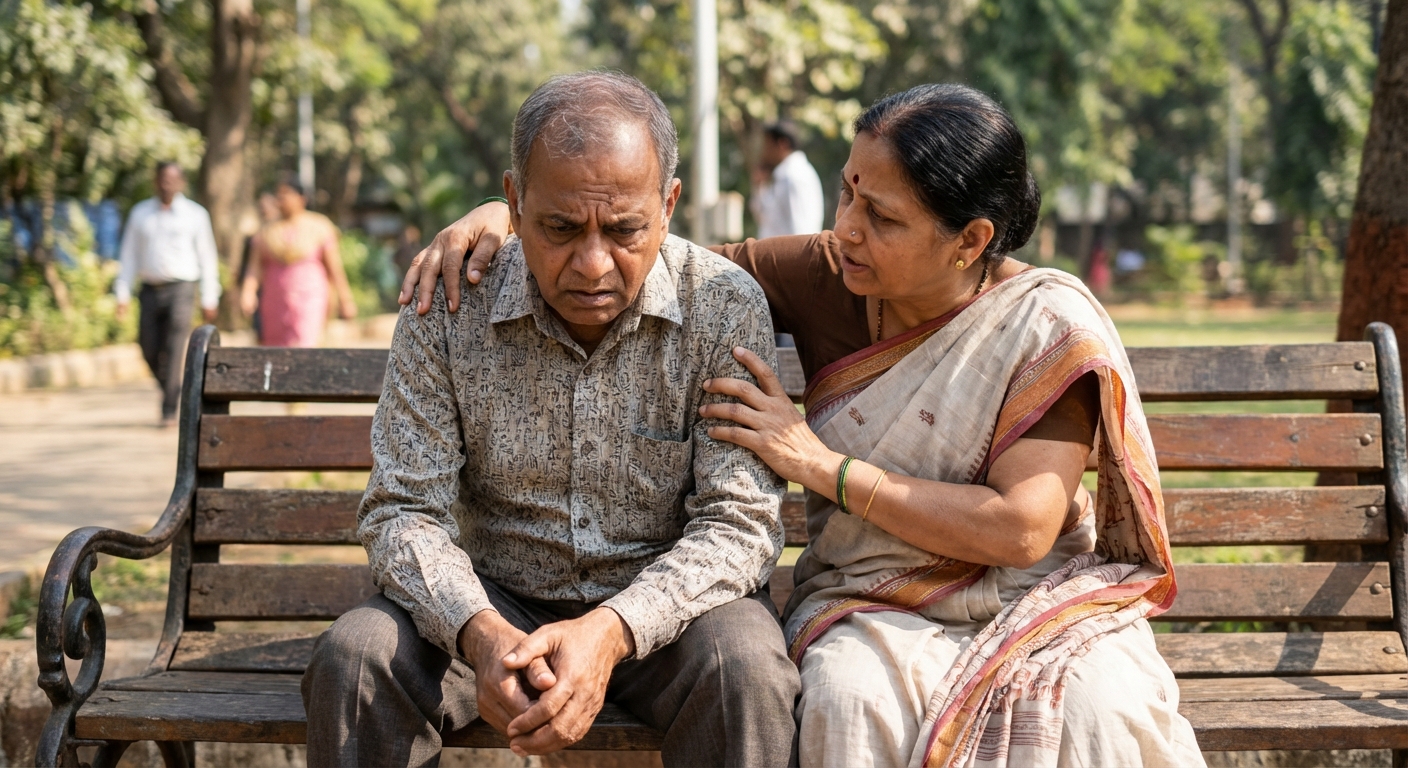
Love should feel like coming home, a safe harbor in the storms of life. Yet for millions of people, relationships become a source of persistent worry, doubt, and emotional turmoil. If you find yourself constantly questioning your partner's feelings, seeking reassurance, or fearing abandonment, you may be experiencing relationship anxiety.
In my fifteen years of clinical practice in Hyderabad, I have worked with countless individuals and couples struggling with relationship anxiety. The good news is that with understanding, self-awareness, and the right tools, you can transform your experience of love from one of fear to one of security and fulfillment.
Understanding Relationship Anxiety
Relationship anxiety is characterized by excessive worry, fear, and insecurity within romantic relationships. Unlike the normal butterflies or occasional concerns that everyone experiences, relationship anxiety is persistent, intense, and often disproportionate to actual circumstances.
Consider the case of Meera (name changed), a 32-year-old software professional who came to me after her third relationship ended due to what she described as "suffocating" behavior. Despite having a caring partner, Meera found herself constantly checking his phone, questioning his whereabouts, and interpreting neutral situations as signs of impending rejection. Her anxiety had become a self-fulfilling prophecy, driving away the very love she desperately sought.
Recognizing the Signs
Relationship anxiety manifests in various ways. Understanding these signs is the first step toward healing:
Constant Need for Reassurance
You may find yourself repeatedly asking your partner if they love you, if they are happy, or if anything is wrong. While seeking reassurance occasionally is normal, an insatiable need that never feels satisfied indicates deeper anxiety.
Overanalyzing Communication
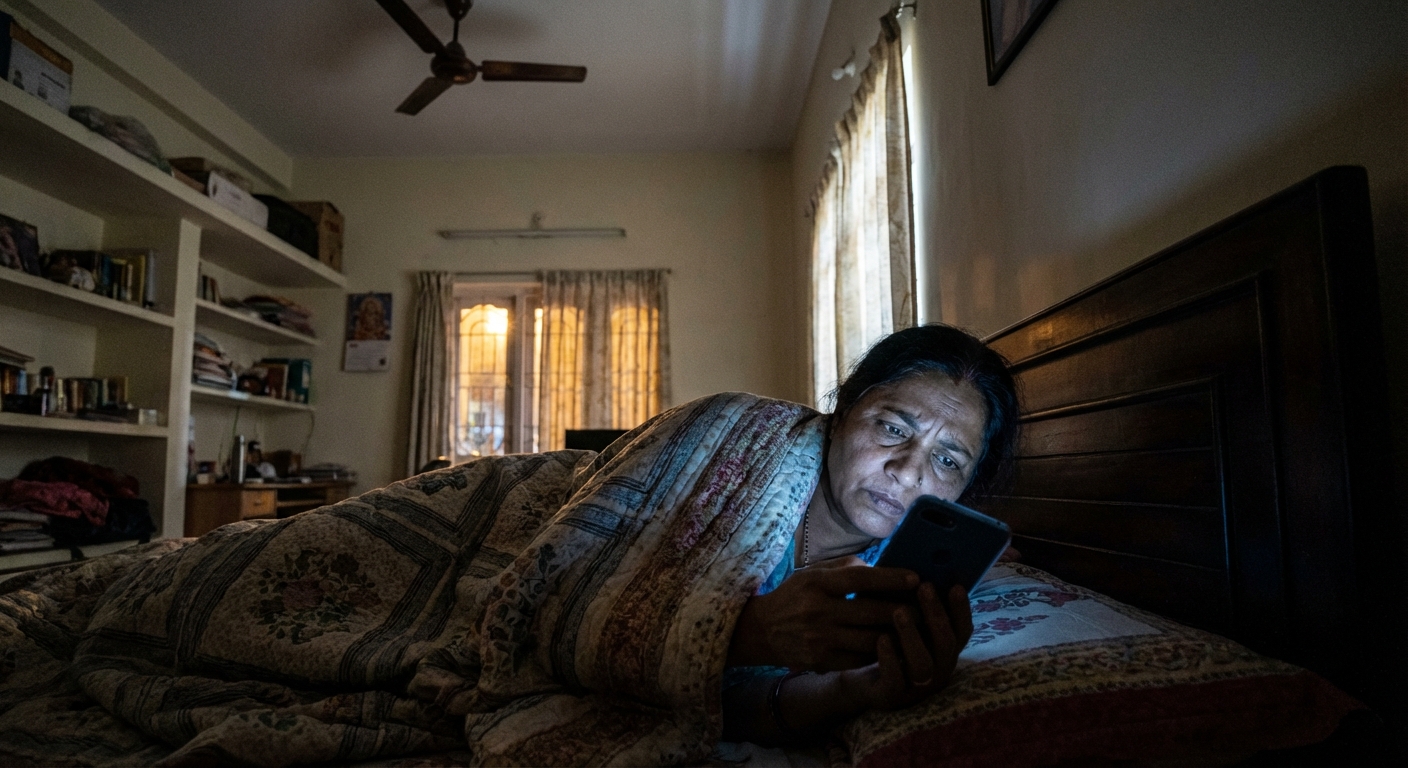
Every text message, tone of voice, or facial expression becomes subject to intense scrutiny. A delayed response triggers panic. A short reply is interpreted as anger or withdrawal.
Fear of Abandonment
There is a persistent belief that your partner will leave, even when there is no evidence to support this fear. You may catastrophize minor disagreements as signs of an imminent breakup.
Jealousy and Possessiveness
Anxiety can fuel irrational jealousy, leading to controlling behaviors that damage trust and intimacy.
Difficulty Being Present
Instead of enjoying moments with your partner, you are mentally elsewhere, worrying about the future of the relationship or replaying past interactions.
The Roots of Relationship Anxiety
Understanding where relationship anxiety comes from can help us address it more effectively. Several factors contribute to its development:
Attachment Style
Our earliest relationships with caregivers shape how we relate to romantic partners. Those with anxious attachment styles learned early that love was inconsistent or conditional, leading to hypervigilance in adult relationships.
Rajesh (name changed), a 38-year-old businessman, traced his relationship anxiety to childhood experiences with an emotionally unavailable father. As an adult, any perceived distance from his wife triggered the same fear of abandonment he felt as a child waiting for a father who rarely came home.
Past Relationship Trauma
Previous experiences of betrayal, infidelity, or sudden breakups can leave lasting wounds. The mind, trying to protect us from future pain, becomes hyperalert to any signs of potential hurt.
Low Self-Esteem
When we do not believe we are worthy of love, we struggle to accept that someone else could truly love us. This creates a constant need for external validation.
General Anxiety Disposition
Some individuals are naturally more prone to anxiety across various life domains. This temperamental tendency extends into relationships.
Cultural and Social Pressures
In our Indian context, societal expectations around marriage, family approval, and relationship timelines can intensify anxiety, particularly for those in their late twenties and thirties.
The Impact on Relationships
Left unaddressed, relationship anxiety can have profound consequences:
Erosion of Trust
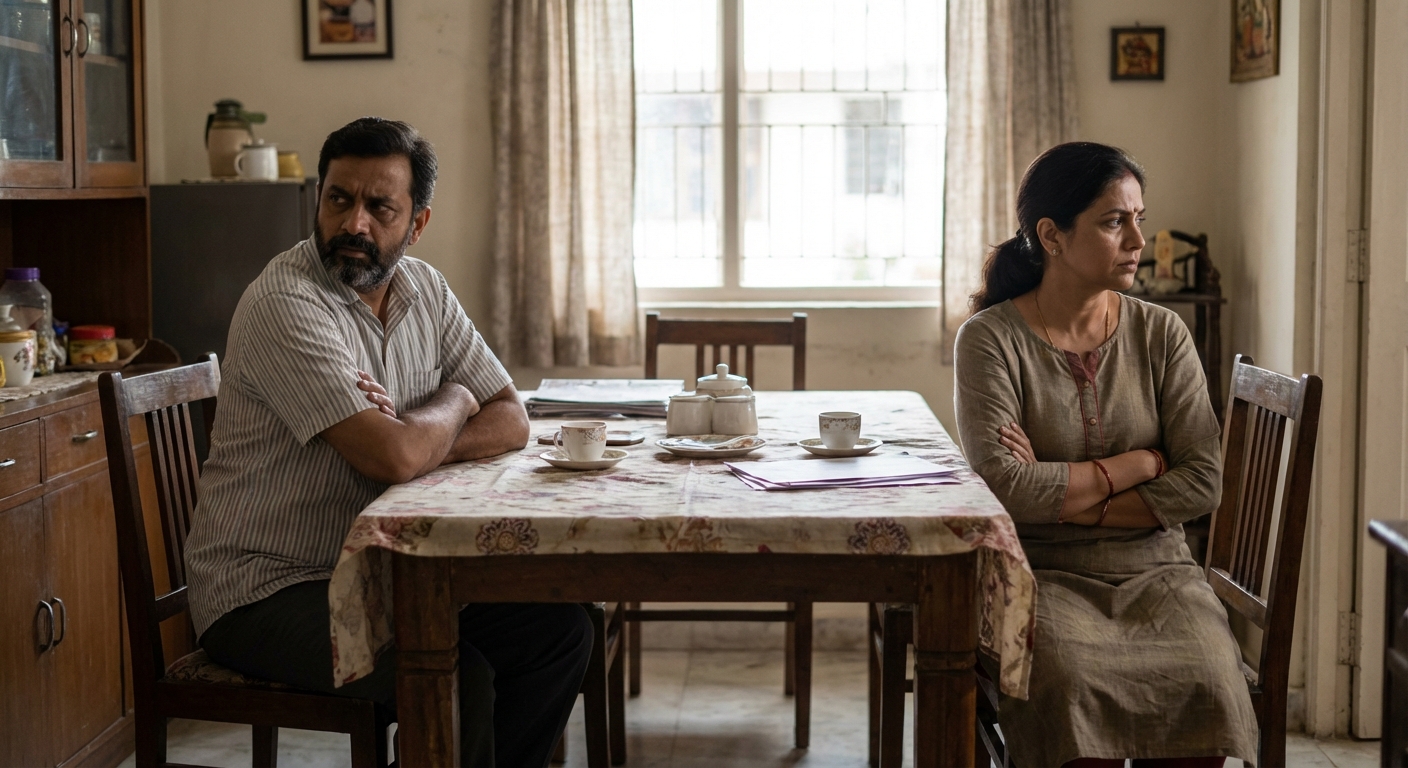
Constant questioning and surveillance behaviors communicate to your partner that you do not trust them, gradually eroding the foundation of your relationship.
Emotional Exhaustion
Both partners become drained. The anxious partner is exhausted from constant worry, while their partner becomes fatigued from providing endless reassurance that never seems enough.
Self-Fulfilling Prophecy
Anxious behaviors often push partners away, confirming the very fears that drove the behavior. This creates a painful cycle that reinforces the anxiety.
Loss of Individual Identity
In attempts to secure the relationship, anxious individuals may lose themselves, abandoning hobbies, friendships, and personal growth in favor of focusing entirely on the relationship.
Strategies for Finding Security in Love
Healing from relationship anxiety is possible. Here are evidence-based strategies that I have seen transform lives:
1. Develop Self-Awareness
Begin by observing your anxiety without judgment. Notice when it arises, what triggers it, and how it manifests in your body and behavior. Keeping a journal can be invaluable in identifying patterns.
Priya (name changed), a 29-year-old teacher, discovered through journaling that her anxiety peaked whenever her partner went out with friends. This awareness allowed her to prepare coping strategies for those specific moments.
2. Challenge Anxious Thoughts
Our anxious minds are skilled storytellers, weaving narratives of doom from innocent threads. Learn to question these thoughts:
- What evidence supports this fear?
- What evidence contradicts it?
- Am I confusing feelings with facts?
- What would I tell a friend in this situation?
3. Practice Self-Soothing
Develop techniques to calm your nervous system when anxiety strikes:
- Deep breathing exercises
- Progressive muscle relaxation
- Grounding techniques (engaging your five senses)
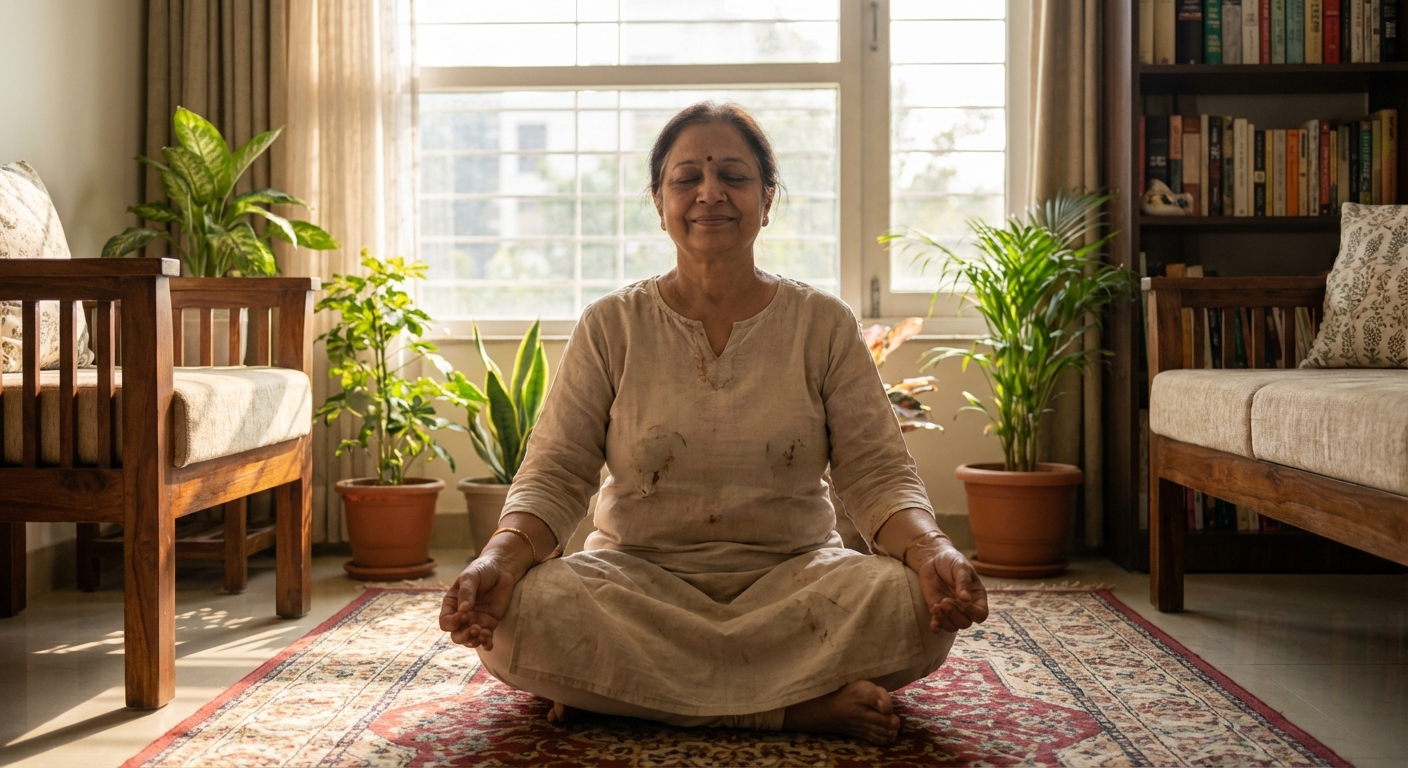
- Mindfulness meditation
4. Communicate Openly
Share your struggles with your partner in a non-accusatory way. Use statements like "I notice I feel anxious when..." rather than "You make me anxious when..."
Honest communication builds understanding and allows your partner to support you without feeling blamed.
5. Build Your Own Identity
Invest in yourself outside the relationship. Pursue hobbies, maintain friendships, and work on personal goals. A strong sense of self reduces dependency on your partner for validation.
6. Set Healthy Boundaries with Reassurance-Seeking
Work with your partner to establish reasonable limits on reassurance-seeking behavior. Agree on a phrase your partner can use to gently redirect you when anxiety is driving requests for reassurance.
7. Address Underlying Issues
If your anxiety stems from past trauma or deep-seated self-esteem issues, professional help can be transformative. Therapy provides a safe space to process these wounds and develop healthier patterns.
8. Practice Gratitude
Consciously shift focus from what might go wrong to what is going right. Keep a relationship gratitude journal, noting specific things you appreciate about your partner and your relationship.
Building Secure Attachment
The ultimate goal is to develop what psychologists call "earned secure attachment." This means that regardless of your early experiences, you can learn to feel safe and secure in relationships through conscious effort and healing.

This involves:
- Developing trust in yourself and your capacity to handle whatever comes
- Learning to tolerate uncertainty without catastrophizing
- Building a relationship with yourself that is kind and compassionate
- Creating positive experiences that gradually rewrite old narratives
When to Seek Professional Help
While self-help strategies are valuable, some situations warrant professional support:
- Your anxiety is significantly impacting your daily functioning
- Past trauma is contributing to your relationship patterns
- You find yourself in the same painful patterns across multiple relationships
- Your partner feels overwhelmed and has asked you to seek help
- You experience panic attacks or severe anxiety symptoms
Moving Forward with Hope
Relationship anxiety does not have to define your love life. With awareness, effort, and support, you can transform your experience of relationships from one of fear and doubt to one of security and fulfillment.
Remember that healing is not linear. There will be setbacks and difficult days. But each step you take toward understanding and managing your anxiety is a step toward the loving, secure relationship you deserve.
Love, at its best, should help us feel safe enough to be our true selves. By addressing relationship anxiety, you open the door to experiencing this kind of love, perhaps for the first time.
---If you are struggling with relationship anxiety and would like professional support, I invite you to schedule a consultation at my practice in Hyderabad. Together, we can explore the roots of your anxiety and develop a personalized path toward more secure, fulfilling relationships. With over 15 years of experience in anxiety, depression, relationship issues, and career counseling, I am here to support you on your journey toward emotional well-being and healthier connections.
Contact my office to book an appointment and take the first step toward finding security in love.
Sudheer Sandra is a licensed psychologist and career counselor based in Hyderabad, India. He specializes in anxiety, depression, relationship issues, and career counseling, bringing over 15 years of clinical experience to his practice.