Understanding and Managing Postpartum Depression: Support for New Mothers

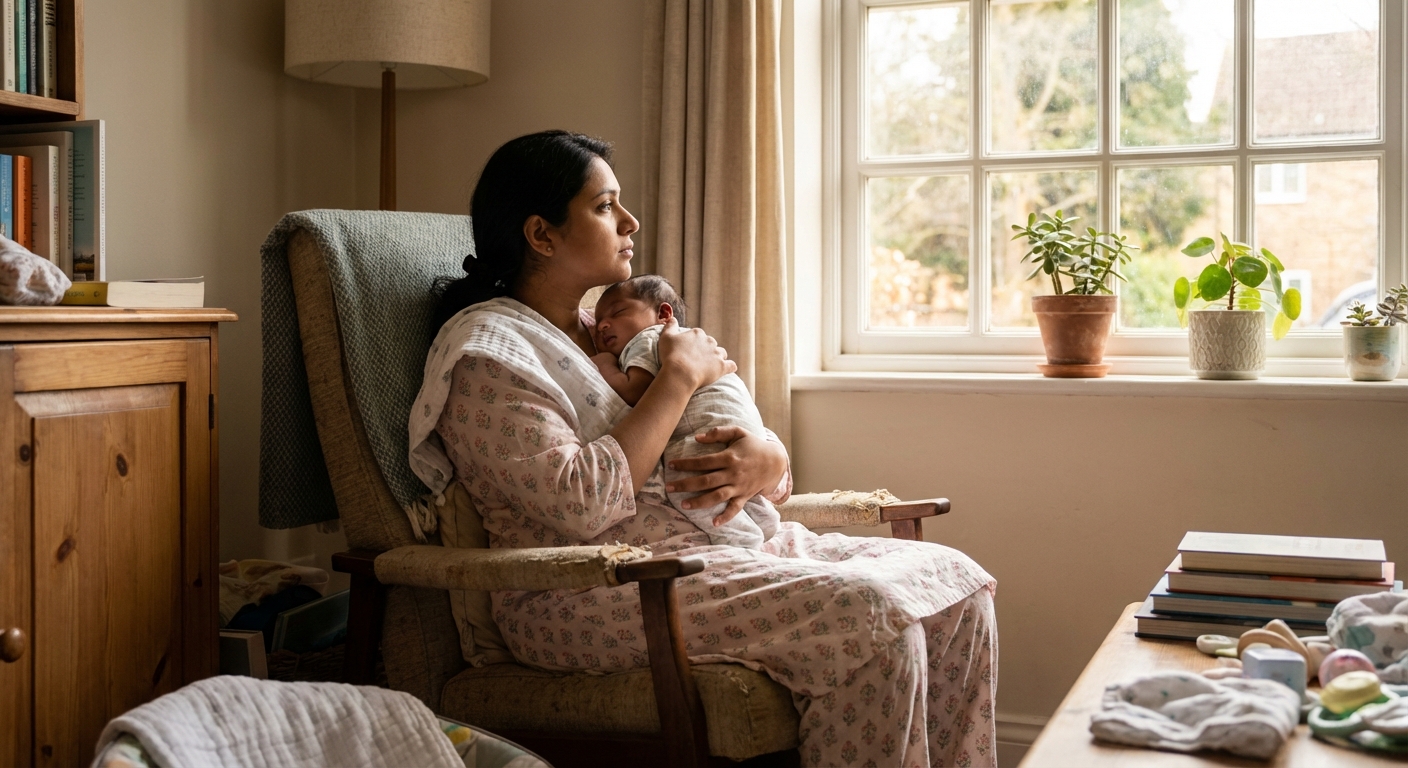
The arrival of a new baby is often portrayed as one of life's most joyous occasions. Yet for many mothers, this period brings unexpected emotional struggles that can feel confusing, isolating, and deeply distressing. Postpartum depression (PPD) is a serious but treatable condition that affects approximately 10-20% of new mothers worldwide, with studies suggesting even higher rates in India due to various sociocultural factors.
As a clinical psychologist who has worked with hundreds of new mothers over the past fifteen years, I have witnessed both the profound suffering that postpartum depression can cause and the remarkable recovery that is possible with proper support and treatment. In this article, I want to help you understand this condition better—whether you are experiencing it yourself, supporting a loved one through it, or simply seeking to be better informed.
What Is Postpartum Depression?
Postpartum depression is a mood disorder that can affect women after childbirth. It is important to distinguish PPD from the "baby blues," which affects up to 80% of new mothers and typically resolves within two weeks. Baby blues involve mood swings, tearfulness, and anxiety, but these symptoms are mild and temporary.
Postpartum depression, in contrast, is more severe and persistent. It can begin any time within the first year after delivery, though it most commonly emerges within the first few weeks to months. Without treatment, PPD can last for months or even years, affecting not only the mother but also her relationship with her baby, partner, and family.
Recognizing the Signs
The symptoms of postpartum depression can vary, but commonly include:
- Persistent sadness, hopelessness, or emptiness
- Severe mood swings and irritability
- Difficulty bonding with the baby
- Withdrawing from family and friends
- Loss of appetite or overeating
- Insomnia or sleeping too much
- Overwhelming fatigue and loss of energy
- Feelings of worthlessness, shame, or guilt
- Difficulty thinking clearly or making decisions
- Severe anxiety or panic attacks
- Thoughts of harming yourself or your baby
- Recurrent thoughts of death or suicide
Understanding the Causes
Postpartum depression is not caused by anything you did or did not do. It results from a complex interaction of physical, emotional, and social factors:
Hormonal Changes: After childbirth, levels of estrogen and progesterone drop dramatically. This hormonal shift can trigger mood changes, similar to the mood fluctuations some women experience before their menstrual periods, but more severe.
Physical Exhaustion: The demands of caring for a newborn, including sleep deprivation and physical recovery from delivery, can contribute significantly to emotional vulnerability.
Psychological Factors: A history of depression or anxiety, previous postpartum depression, or depression during pregnancy increases the risk. Unrealistic expectations about motherhood and low self-esteem can also play a role.
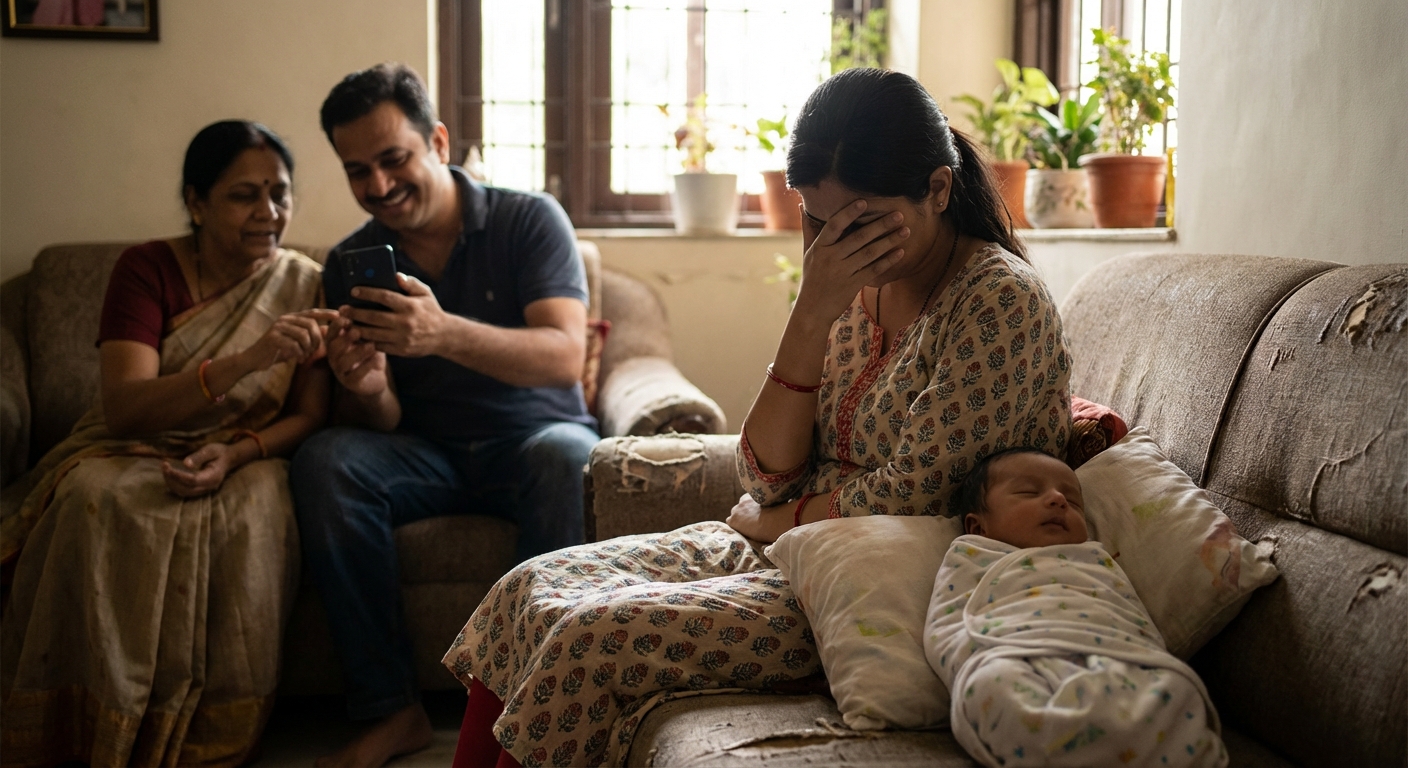
Social and Cultural Factors: In Indian society, new mothers often face immense pressure to appear happy and capable. The joint family system can be both supportive and stressful—while practical help is often available, so too are unsolicited opinions and criticism. Financial stress, relationship difficulties, and lack of emotional support are additional risk factors.
A Story of Recovery: Meera's Journey
Meera (name changed), a 31-year-old software professional from Hyderabad, came to see me six months after the birth of her first child. She had always been an achiever—top of her class, successful in her career, admired by her family. When motherhood did not come naturally to her, she felt like a complete failure.
"I could not understand why I was not happy," Meera told me during our first session. "Everyone kept telling me how lucky I was, how beautiful my baby was. But I felt nothing. Sometimes I felt worse than nothing—I felt like my baby would be better off without me."
Meera's husband, Ravi, had noticed changes in her but attributed them to normal new-mother stress. Her mother-in-law made comments about how "women in our time managed without complaining." This made Meera feel even more isolated and ashamed.
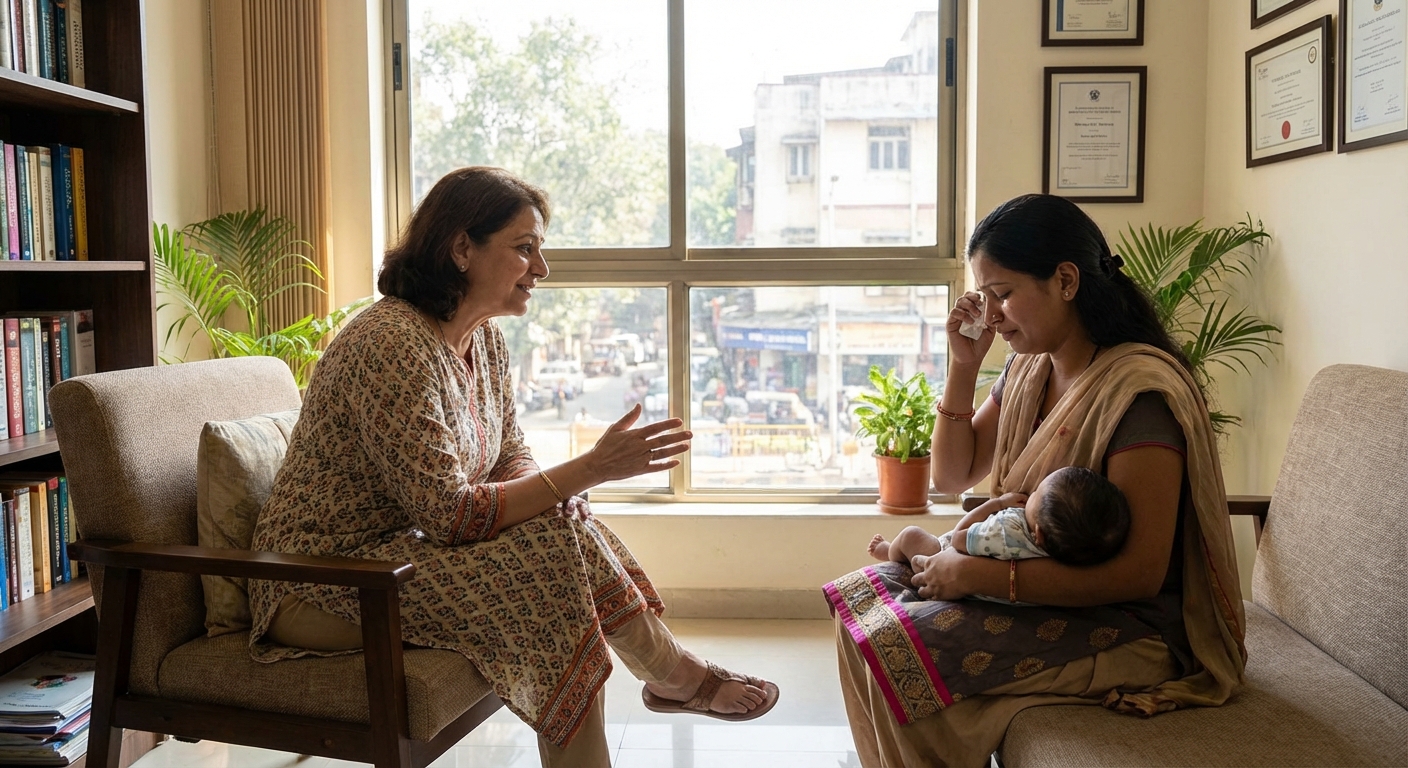
Through a combination of cognitive-behavioral therapy, support from her husband who joined several of our sessions, and temporary medication, Meera began to recover. It took time—healing is not linear—but today she describes herself as a "completely different person."
"I wish someone had told me that what I was experiencing had a name," she reflected. "That it was not weakness. That I was not a bad mother."
Evidence-Based Strategies for Managing Postpartum Depression
Professional Treatment
Psychotherapy: Cognitive-behavioral therapy (CBT) and interpersonal therapy (IPT) have strong evidence for treating postpartum depression. CBT helps identify and change negative thought patterns, while IPT focuses on improving relationships and communication.
Medication: Antidepressants can be very effective for moderate to severe PPD. Many medications are considered safe during breastfeeding, though this should always be discussed with your psychiatrist. The decision to use medication should be made collaboratively, weighing benefits against any concerns.
Combination Treatment: For many women, a combination of therapy and medication provides the best outcomes.
Self-Care Strategies
While professional help is often essential, these strategies can support your recovery:
Sleep When Possible: I know this advice can feel frustrating when you have a newborn, but prioritizing rest is crucial. Accept help from family members for night feeds if possible, even if it means using expressed milk or formula occasionally.
Nutrition and Hydration: Eating regular, balanced meals and staying hydrated supports both physical recovery and mental health. Traditional postpartum foods in Indian culture often have nutritional wisdom—embrace the healthy ones while being mindful of dietary restrictions if breastfeeding.
Gentle Movement: Once cleared by your doctor, gentle exercise like walking can improve mood. Even a short walk around your neighborhood can help, and bringing baby along in a carrier or stroller makes it practical.
Social Connection: Isolation worsens depression. Even when you do not feel like socializing, maintaining connections with supportive friends and family members is important. Consider joining a new mothers' group where you can share experiences without judgment.
Realistic Expectations: Let go of the idea of being a "perfect" mother. Good enough is truly good enough. Your baby needs your presence and care, not perfection.
Supporting a Loved One with Postpartum Depression
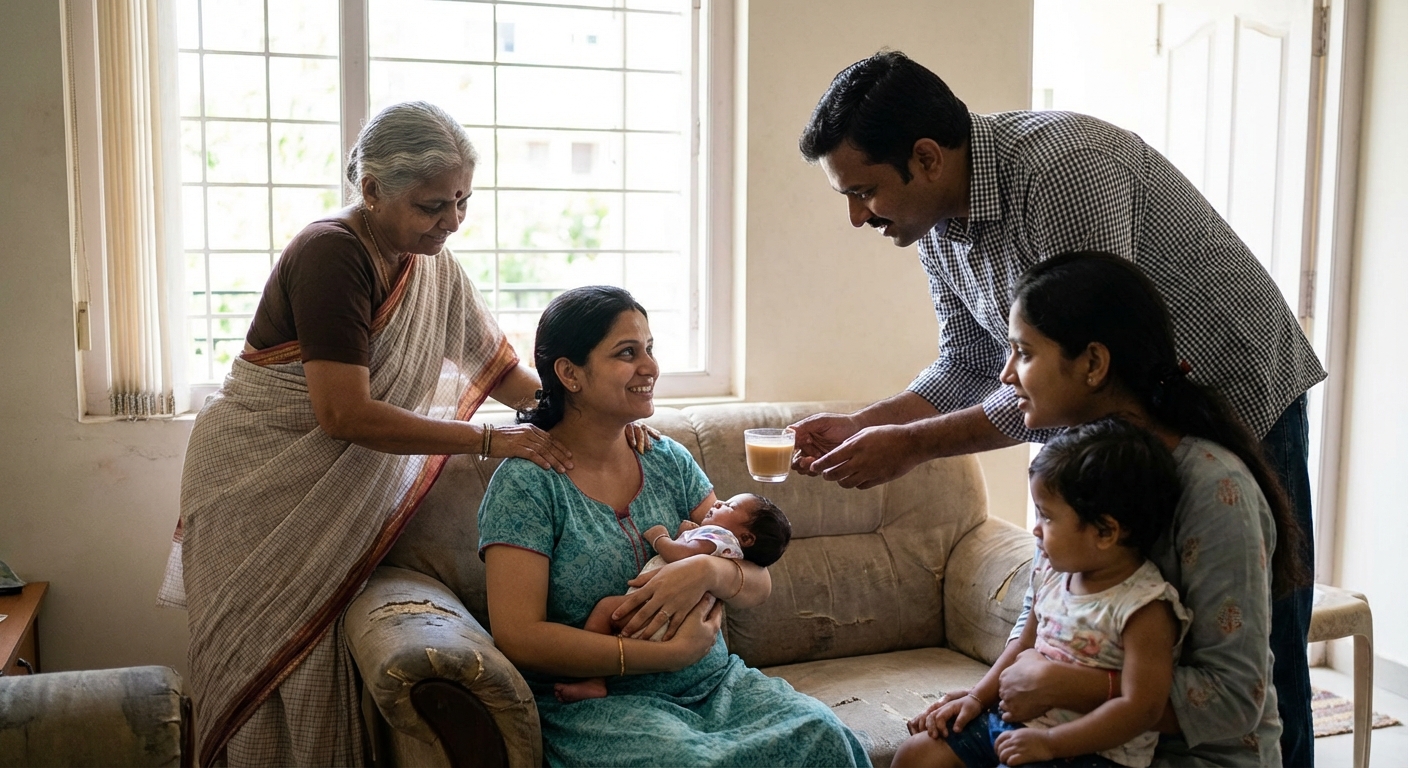
If someone you care about is struggling with PPD, your support can make a tremendous difference:
Listen Without Judgment: Sometimes the most helpful thing you can do is simply listen. Avoid minimizing her feelings with phrases like "but you have so much to be grateful for" or "all mothers go through this."
Offer Practical Help: Instead of asking "let me know if you need anything," offer specific help: "I am coming over tomorrow to do the laundry" or "I will watch the baby while you take a bath."
Encourage Professional Help: Gently suggest that she speak with a mental health professional. Offer to help find a provider, schedule the appointment, or accompany her.
Educate Yourself: Learn about postpartum depression so you can understand what she is experiencing. This also helps you recognize if symptoms are worsening.
Take Care of Yourself: Supporting someone with depression can be draining. Make sure you have your own support system and take breaks when needed.
A Note for Partners
Partners play a crucial role in recovery. Ravi, Meera's husband, initially felt helpless and sometimes even frustrated. Through our couples sessions, he learned that his consistent presence and patience were among the most healing factors for Meera. He learned to validate her feelings instead of trying to fix them, to share childcare responsibilities more equally, and to protect her from well-meaning but harmful comments from relatives.
Cultural Considerations in Indian Context
In India, postpartum care traditions like the "forty-day" confinement period can be protective when they ensure rest and nutrition. However, cultural factors can also create barriers to seeking help:
- Stigma: Mental health struggles are often seen as weakness or personal failure
- Family Pressure: Expectations to appear happy and grateful can make mothers hide their true feelings
- Gender Roles: The assumption that mothering should come "naturally" to women creates shame when it does not
- Limited Awareness: Many families do not recognize PPD as a medical condition requiring treatment
When to Seek Immediate Help
Please seek immediate professional help if you or someone you know:
- Has thoughts of harming themselves or their baby
- Is unable to care for themselves or their baby
- Has symptoms that are severe or worsening despite support
- Is experiencing hallucinations or delusions
- Has thoughts of suicide
There Is Hope
Recovery from postpartum depression is not only possible—it is expected with proper treatment. The majority of women who receive appropriate care recover fully and go on to enjoy motherhood and their relationship with their children.
If you are struggling, please know that reaching out for help is a sign of strength, not weakness. You are not a bad mother for having these feelings. You are not alone. And with support, you will feel like yourself again.
---If you or someone you know is experiencing symptoms of postpartum depression, I encourage you to seek professional support. At my practice in Hyderabad, I provide compassionate, evidence-based care for new mothers and their families. Whether you need individual therapy, couples counseling to navigate this transition together, or simply a safe space to share your experience, I am here to help.
To schedule a consultation, please contact my clinic. Remember, asking for help is the first step toward healing—and you deserve to feel well.
Sudheer Sandra is a licensed psychologist and career counselor based in Hyderabad, India, with over 15 years of clinical experience. He specializes in anxiety, depression, relationship issues, and career counseling.