Managing Performance Anxiety: Excelling Under Pressure

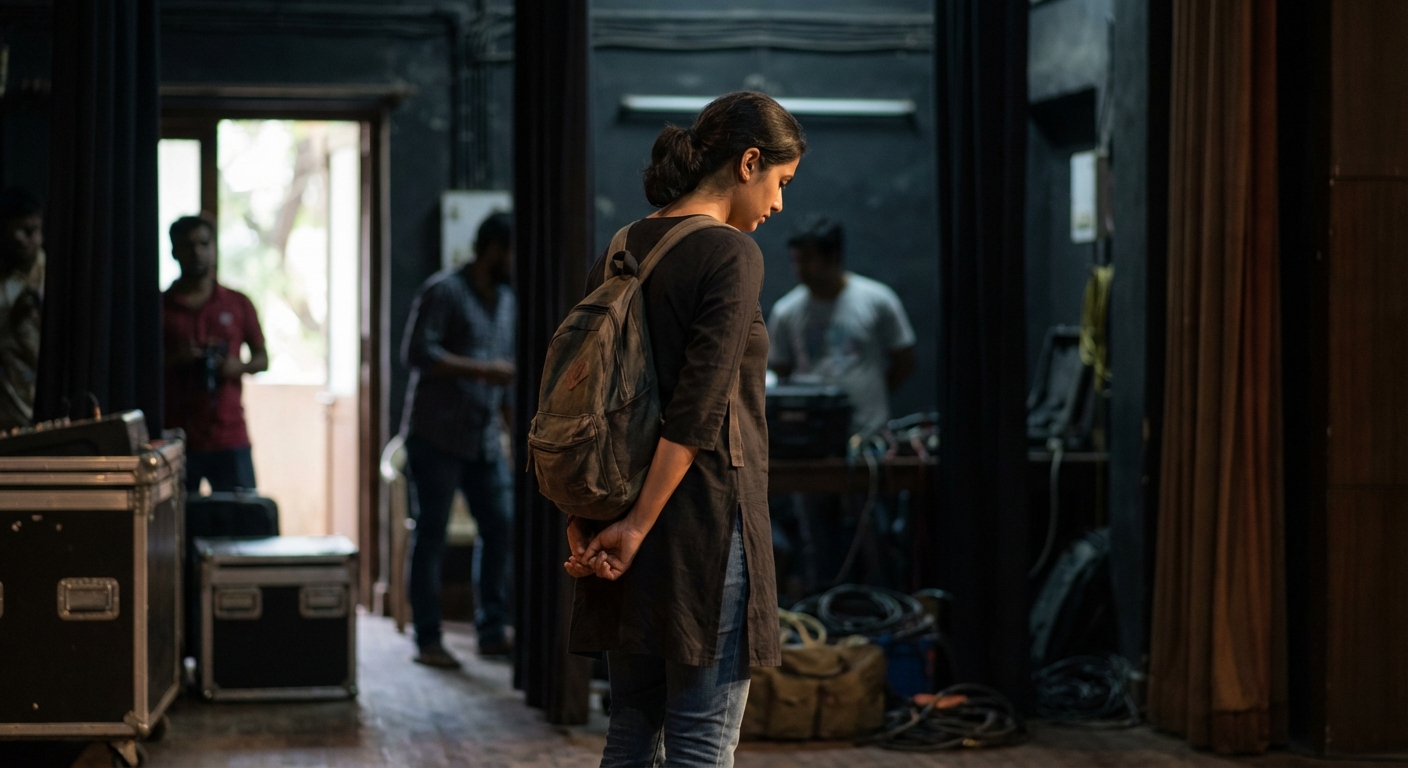
The moment before stepping onto a stage, entering an exam hall, walking into a crucial presentation, or facing an intimate moment with a partner can feel like standing at the edge of a cliff. Your heart races, palms sweat, and a voice inside whispers doubts about your abilities. This is performance anxiety, and it affects millions of people across all walks of life.
Performance anxiety is not a sign of weakness or lack of preparation. It is a natural human response that, when understood and managed properly, can actually be channeled into enhanced performance. In my fifteen years of clinical practice in Hyderabad, I have worked with countless individuals who have transformed their relationship with pressure, moving from paralysis to excellence.
Understanding Performance Anxiety
Performance anxiety, sometimes called stage fright or choking under pressure, is the fear of performing inadequately in situations where we feel evaluated or judged. Unlike general anxiety, it is specifically triggered by performance situations and often affects people who otherwise function well in their daily lives.
The condition exists on a spectrum. At one end, it manifests as mild nervousness that dissipates once the task begins. At the other end, it can be debilitating enough to cause complete avoidance of performance situations, significantly impacting career growth, relationships, and quality of life.
Types of Performance Anxiety
Academic and Examination Anxiety
Rajesh, a 22-year-old engineering student from Secunderabad, came to me after failing his semester exams for the second time. He had scored excellent marks throughout his schooling and entrance examinations. However, once in college, he began experiencing severe anxiety before exams. Despite thorough preparation, his mind would go blank the moment he received the question paper.
Academic anxiety affects students across all age groups and educational levels. The pressure to perform well in competitive examinations like JEE, NEET, or UPSC can be particularly intense in Indian society, where academic achievement is often closely tied to family honor and future prospects.
Workplace Performance Anxiety
Priya, a 34-year-old marketing manager at a multinational company, sought help for her inability to speak up in meetings. Despite being highly competent and having excellent ideas, she would freeze when it was her turn to present. The fear of being judged by colleagues and superiors had begun affecting her career advancement.
Professional performance anxiety can manifest in various situations: presentations, negotiations, client meetings, performance reviews, or even routine interactions with supervisors. It can lead to career stagnation, missed opportunities, and chronic work-related stress.

Sports Performance Anxiety
Athletes at all levels experience performance anxiety, from weekend cricket players to professional sportspersons. The phenomenon of choking under pressure has been extensively studied in sports psychology.
Vikram, a 28-year-old state-level badminton player, approached me after repeatedly losing matches he should have won. He played brilliantly in practice but would become tense and make uncharacteristic errors during tournaments. His service, which was usually reliable, would become erratic at crucial points.
Sexual Performance Anxiety
Sexual performance anxiety is perhaps the most underreported form of performance anxiety due to the stigma surrounding sexual health discussions in Indian society. It affects both men and women and can lead to a cycle of anxiety and avoidance that damages intimate relationships.
Amit, a 31-year-old newly married man, came to me with complaints of erectile difficulties that had no medical cause. His anxiety about pleasing his partner and performing adequately had created a self-fulfilling prophecy where the fear of failure led to the very outcome he dreaded.
The Science Behind Performance Anxiety
Performance anxiety activates our fight-or-flight response, a survival mechanism inherited from our ancestors. When we perceive a threat, whether it is a predator or a presentation, our sympathetic nervous system releases stress hormones like cortisol and adrenaline.
These hormones cause physical symptoms: increased heart rate, rapid breathing, muscle tension, and sweating. While these responses were helpful for our ancestors facing physical threats, they can be counterproductive in modern performance situations that require fine motor skills, clear thinking, and calm communication.
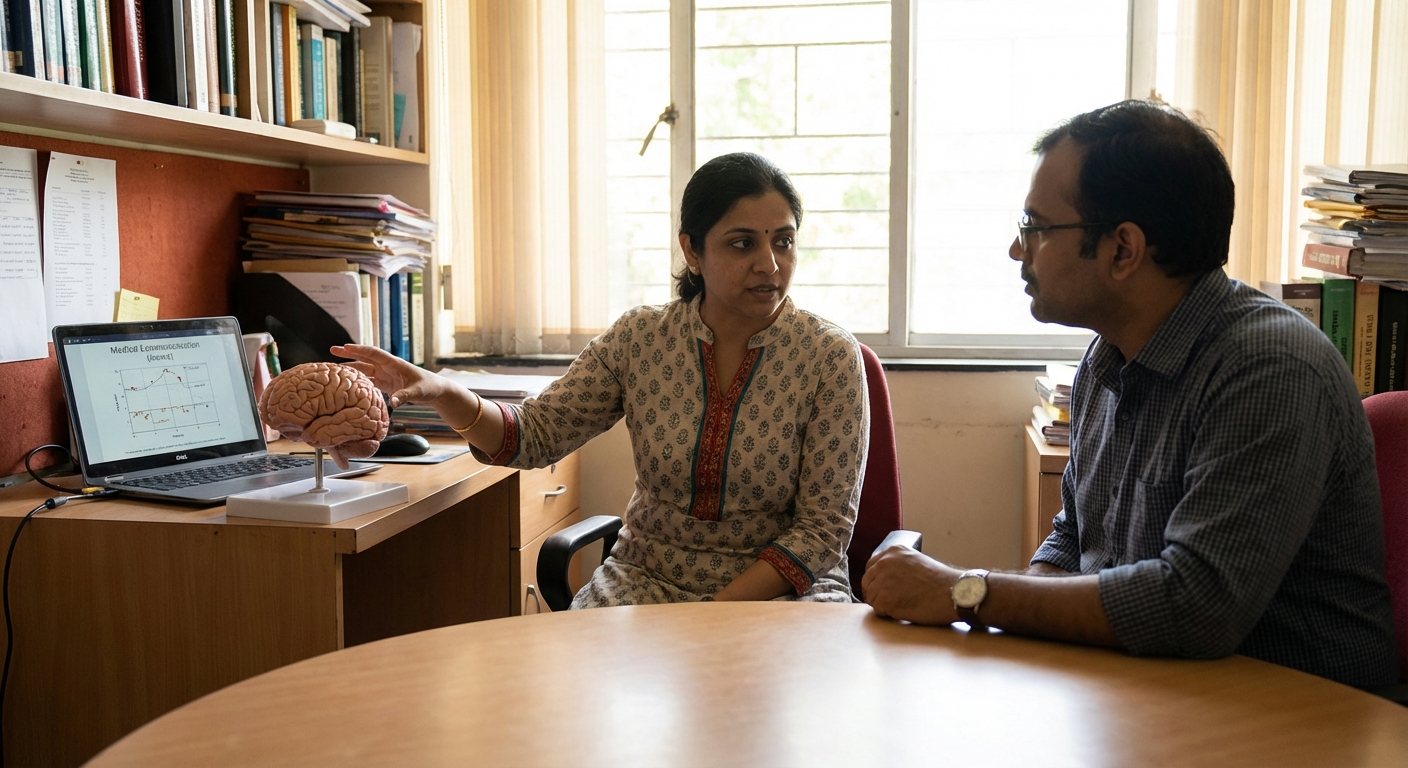
The Yerkes-Dodson law explains that there is an optimal level of arousal for peak performance. Too little arousal leads to lack of motivation and poor performance. Too much arousal overwhelms our cognitive abilities and impairs performance. The goal is not to eliminate anxiety but to manage it so it falls within the optimal zone.
Causes and Contributing Factors
Fear of Failure and Judgement
At the core of performance anxiety lies the fear of failure and negative evaluation. This fear is often amplified by perfectionist tendencies, where anything less than flawless performance is seen as unacceptable.
Past Negative Experiences
A single humiliating experience can create lasting performance anxiety. The brain remembers the emotional pain associated with failure and triggers protective anxiety responses to prevent future occurrences.
Inadequate Preparation or Skill Gaps
Sometimes performance anxiety signals a genuine need for more preparation or skill development. This form of anxiety can be adaptive if it motivates additional practice.
Unrealistic Expectations
External pressure from family, coaches, or employers can create unrealistic expectations. In Indian culture, where collective achievement is valued, the weight of family expectations can significantly contribute to performance anxiety.
Physiological Sensitivity
Some individuals are more physiologically reactive to stress, experiencing more intense physical symptoms of anxiety. This sensitivity can be influenced by genetics, early life experiences, and overall health.
Recognizing the Symptoms
Performance anxiety manifests across physical, cognitive, emotional, and behavioral dimensions:
Physical Symptoms:
- Racing heart and palpitations
- Sweating, especially in palms
- Trembling or shaking
- Dry mouth and difficulty swallowing
- Nausea or stomach upset
- Muscle tension
- Shortness of breath
- Mind going blank
- Difficulty concentrating
- Negative self-talk
- Catastrophic thinking
- Memory lapses
- Overwhelming fear
- Feeling of dread
- Irritability
- Helplessness
- Avoidance of performance situations
- Nervous habits
- Rushed speech or actions
- Sleep disturbances before events
Evidence-Based Strategies for Managing Performance Anxiety
1. Preparation and Practice
There is no substitute for thorough preparation. Practice builds competence, and competence builds confidence. However, the type of practice matters.
Deliberate Practice: Focus on specific aspects of performance that need improvement rather than simply repeating what you already do well.
Simulation: Practice under conditions as close to the actual performance as possible. If you have a presentation, rehearse in front of colleagues. If you have an exam, take timed practice tests.
Overlearning: Practice beyond the point of mastery so that the material or skill becomes automatic and less susceptible to anxiety interference.
2. Cognitive Restructuring
Our thoughts about a situation significantly influence our emotional response. Cognitive restructuring involves identifying and challenging unhelpful thought patterns.
Identify Catastrophic Thoughts: Notice when you think in terms of worst-case scenarios. "If I fail this exam, my life is over" is catastrophic thinking.
Challenge and Replace: Ask yourself: Is this thought realistic? What evidence do I have? What would I tell a friend in this situation? Replace catastrophic thoughts with more balanced ones: "This exam is important, but one poor result will not define my entire career."
Reframe Anxiety as Excitement: Research shows that reinterpreting anxious arousal as excitement can improve performance. Both emotions involve similar physiological states but different cognitive appraisals.
3. Relaxation Techniques
Deep Breathing: Slow, diaphragmatic breathing activates the parasympathetic nervous system, countering the fight-or-flight response. Practice the 4-7-8 technique: inhale for 4 counts, hold for 7 counts, exhale for 8 counts.
Progressive Muscle Relaxation: Systematically tensing and releasing muscle groups reduces physical tension and promotes overall relaxation.
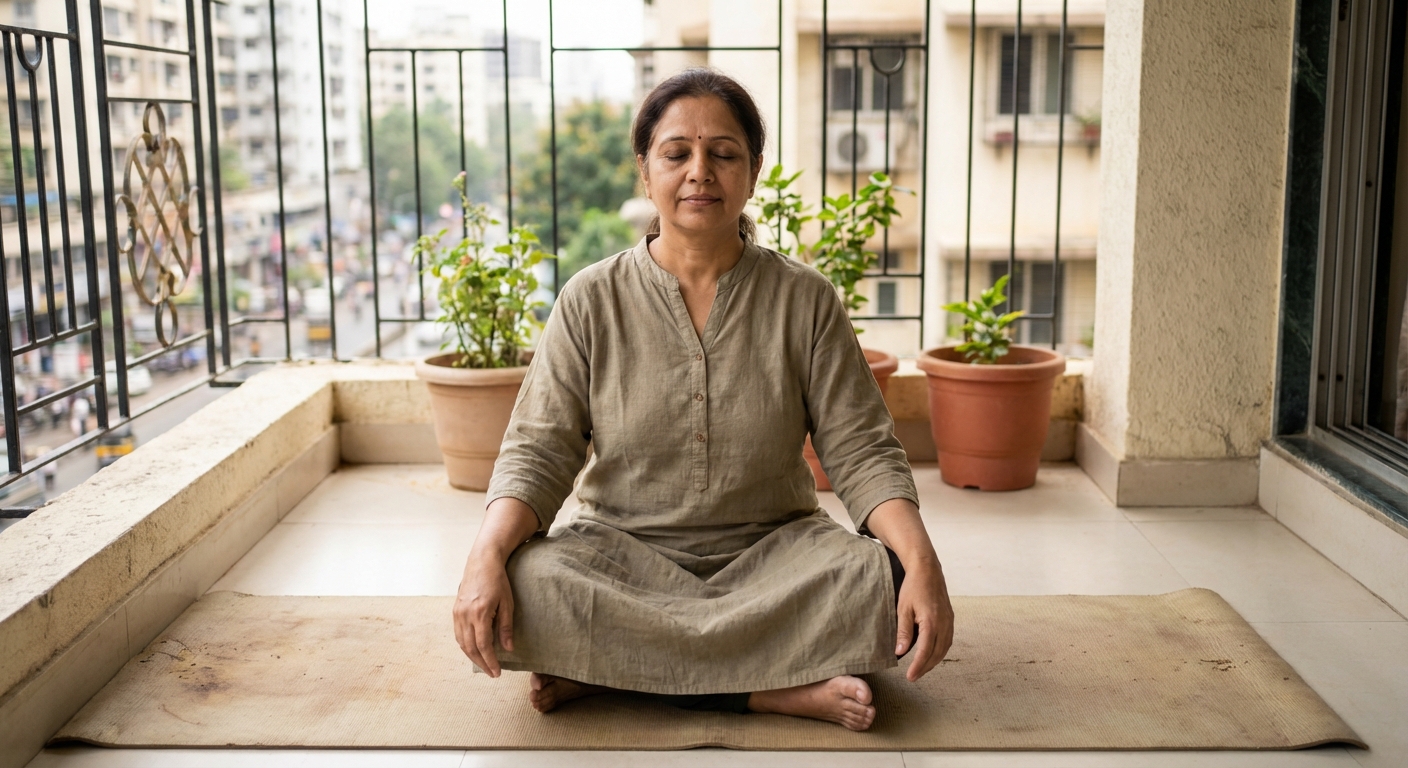
Mindfulness Meditation: Regular mindfulness practice strengthens your ability to stay present and reduces rumination about past failures or future catastrophes.
4. Visualization and Mental Rehearsal
Elite athletes have long used visualization to enhance performance. Mentally rehearsing successful performance activates similar neural pathways as actual practice.
Create Detailed Images: Visualize yourself performing successfully with as much sensory detail as possible. See the environment, feel the movements, hear the sounds.
Include Coping Strategies: Visualize yourself encountering challenges and successfully managing them. This builds confidence in your ability to handle difficulties.
5. Building a Pre-Performance Routine
Consistent pre-performance routines signal to your brain that it is time to shift into performance mode. Your routine might include:
- Physical warm-up or stretching
- Breathing exercises
- Positive self-talk or affirmations
- Listening to specific music
- Reviewing key points or strategies
6. Focus on Process, Not Outcome
Fixating on outcomes increases pressure and anxiety. Instead, focus on the process and what you can control in the moment.
Set Process Goals: Rather than "I will score 90 percent," focus on "I will read each question carefully and manage my time well."
Stay Present: When anxious thoughts about outcomes arise, gently return your attention to the task at hand.
7. Seek Professional Support
When performance anxiety significantly impacts your quality of life or career, professional help can make a meaningful difference.
Cognitive-Behavioral Therapy (CBT): CBT is highly effective for performance anxiety, helping identify and modify unhelpful thought patterns and behaviors.
Exposure Therapy: Gradual, systematic exposure to feared situations reduces anxiety over time.
Medication: In some cases, short-term medication may be appropriate as part of a comprehensive treatment plan.

A Message of Hope
Performance anxiety is remarkably treatable. With the right strategies and support, individuals who once avoided performance situations can learn to embrace them. The nervous energy that once paralyzed can become fuel for exceptional performance.
Remember that some of the most successful performers, athletes, and professionals have struggled with performance anxiety. Their success came not from eliminating anxiety but from learning to work with it effectively.
If you find yourself struggling with performance anxiety, know that you are not alone, and help is available. The strategies outlined in this article provide a starting point, but personalized guidance from a mental health professional can accelerate your progress and address your specific circumstances.
Take the First Step
At my practice in Hyderabad, I have helped hundreds of individuals overcome performance anxiety and achieve their potential. Whether you are a student preparing for competitive exams, a professional seeking career growth, an athlete aiming for peak performance, or someone struggling with anxiety in intimate relationships, evidence-based support can help you transform your relationship with pressure.
If performance anxiety is holding you back from living your fullest life, I invite you to reach out for a consultation. Together, we can develop a personalized plan to help you move from anxiety to excellence.
---Sudheer Sandra is a licensed psychologist and career counselor based in Hyderabad, India, with over 15 years of clinical experience. He specializes in anxiety, depression, relationship issues, and career counseling. To schedule a consultation, please contact his practice in Hyderabad.