Parenting Gifted Children: Nurturing Exceptional Minds


In my fifteen years as a psychologist working with families in Hyderabad, I have counseled many parents who come to me with a mixture of pride and confusion. Their child is extraordinarily bright, perhaps identified as gifted, and yet they are struggling in ways that seem paradoxical. "If he is so intelligent, why does he have meltdowns over small things?" "She reads at a tenth-grade level but cannot tie her shoelaces properly." "Our son asks questions about death and the universe that I cannot answer, and then refuses to do his basic homework."
If these scenarios sound familiar, you are not alone. Parenting a gifted child is a unique journey that brings tremendous joy alongside unexpected challenges. These children see the world differently, feel things more intensely, and develop at their own uneven pace. Understanding their inner experience is the first step toward nurturing them effectively.
What Does It Mean to Be Gifted?
Before we discuss parenting strategies, let me clarify what giftedness actually means. In my practice, I see many misconceptions about this term. Giftedness is not simply about high IQ scores or academic achievement. It represents a fundamentally different way of experiencing the world.
Gifted children typically demonstrate:
- Advanced cognitive abilities: They process information faster, see patterns others miss, and make connections across different domains of knowledge
- Intense curiosity: A deep, sometimes relentless drive to understand how things work
- Heightened sensitivity: Emotional, sensory, intellectual, and imaginational intensities (what psychologist Kazimierz Dabrowski called "overexcitabilities")
- Asynchronous development: Different abilities developing at vastly different rates
- Strong sense of justice: An early and passionate concern about fairness, ethics, and global issues
The Reality of Asynchronous Development
Perhaps no aspect of giftedness creates more confusion for parents than asynchronous development. This is the phenomenon where a child's intellectual, emotional, physical, and social development proceed at different rates.
Let me share an example from my practice. Meera's parents brought their seven-year-old daughter to see me because they were worried about her "emotional immaturity." Meera could discuss complex scientific concepts with adults, read novels meant for teenagers, and had taught herself basic coding. Yet she would dissolve into tears when her handwriting did not look perfect, and she still needed help managing buttons on her clothes.
Her parents wondered if something was wrong. I helped them understand that Meera was developing exactly as many gifted children do. Her intellectual abilities had raced ahead while her fine motor skills and emotional regulation were developing at a more typical pace for her age. When she attempted complex tasks, her mind knew what she wanted to create, but her hands and emotional tolerance could not keep up with her vision.
What this means for parents:
- Expect uneven development across different areas
- Do not assume that intellectual advancement means emotional maturity
- Provide support in areas of challenge without shame or frustration
- Remember that your child may understand concepts intellectually but not be ready to handle them emotionally
The Intense Emotional World of Gifted Children
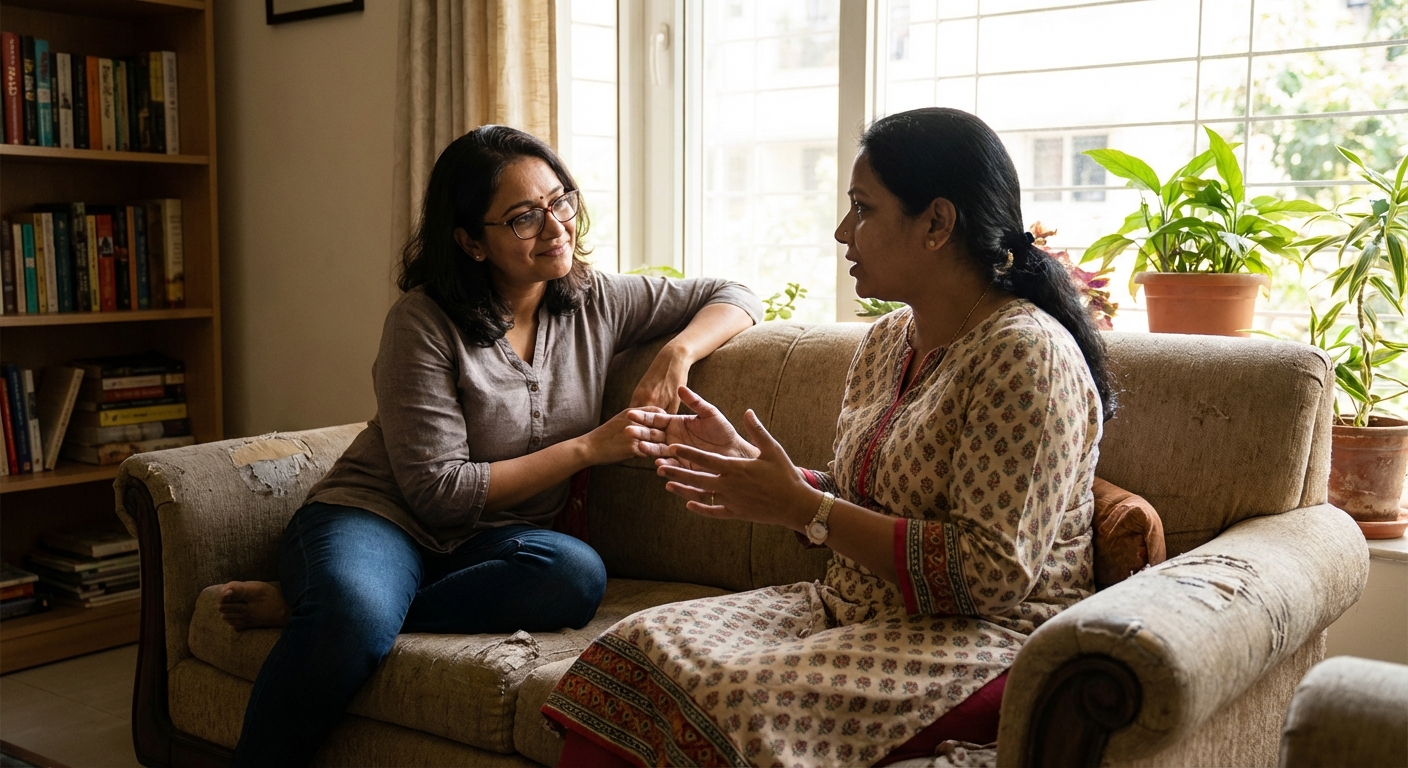
One of the most challenging aspects of raising a gifted child is navigating their emotional intensity. These children do not just think more deeply; they feel more deeply too. Joy is ecstatic, disappointment is devastating, and injustice feels like a physical wound.
Arjun, a ten-year-old I worked with, would become deeply distressed about climate change and endangered species. His parents initially dismissed these concerns as "too much television," but Arjun's worry was genuine and profound. He could comprehend the complexity of environmental issues in ways many adults cannot, and this understanding came with a heavy emotional burden.
This emotional intensity manifests in various ways:
- Perfectionism: Because gifted children can envision excellent outcomes, they may become paralyzed by the gap between their vision and their current abilities
- Existential concerns: Questions about meaning, death, and purpose often emerge years earlier than expected
- Sensitivity to criticism: Their deep investment in learning means that feedback can feel personally wounding
- Empathy overload: They may become overwhelmed by others' suffering, whether in person or through news and media
- Frustration with peers: Social interactions can be difficult when their interests and conversation styles differ significantly from age-mates
Practical Strategies for Parents
Based on my years of counseling gifted children and their families, here are strategies that consistently help:
1. Validate Their Emotional Experience
When your gifted child has an intense emotional reaction, resist the urge to minimize it. Saying "it is not a big deal" or "just calm down" invalidates their experience and teaches them that their feelings are wrong or excessive.
Instead, try:
- "I can see you feel very strongly about this"
- "It makes sense that you are upset. You care deeply about fairness"
- "Your feelings are real and they matter"
2. Address Their Need for Intellectual Stimulation
A bored gifted child often becomes a behaviorally challenging child. Their minds need nourishment just as their bodies need food. When intellectual needs go unmet, you may see:
- Acting out in class
- Withdrawal and depression
- Underachievement
- Excessive daydreaming
- Advocate for appropriate academic challenges at school
- Pursue enrichment activities outside school hours
- Encourage deep dives into topics that fascinate them
- Connect them with mentors in their areas of interest
- Provide access to advanced books, documentaries, and learning resources
3. Help Them Navigate Perfectionism
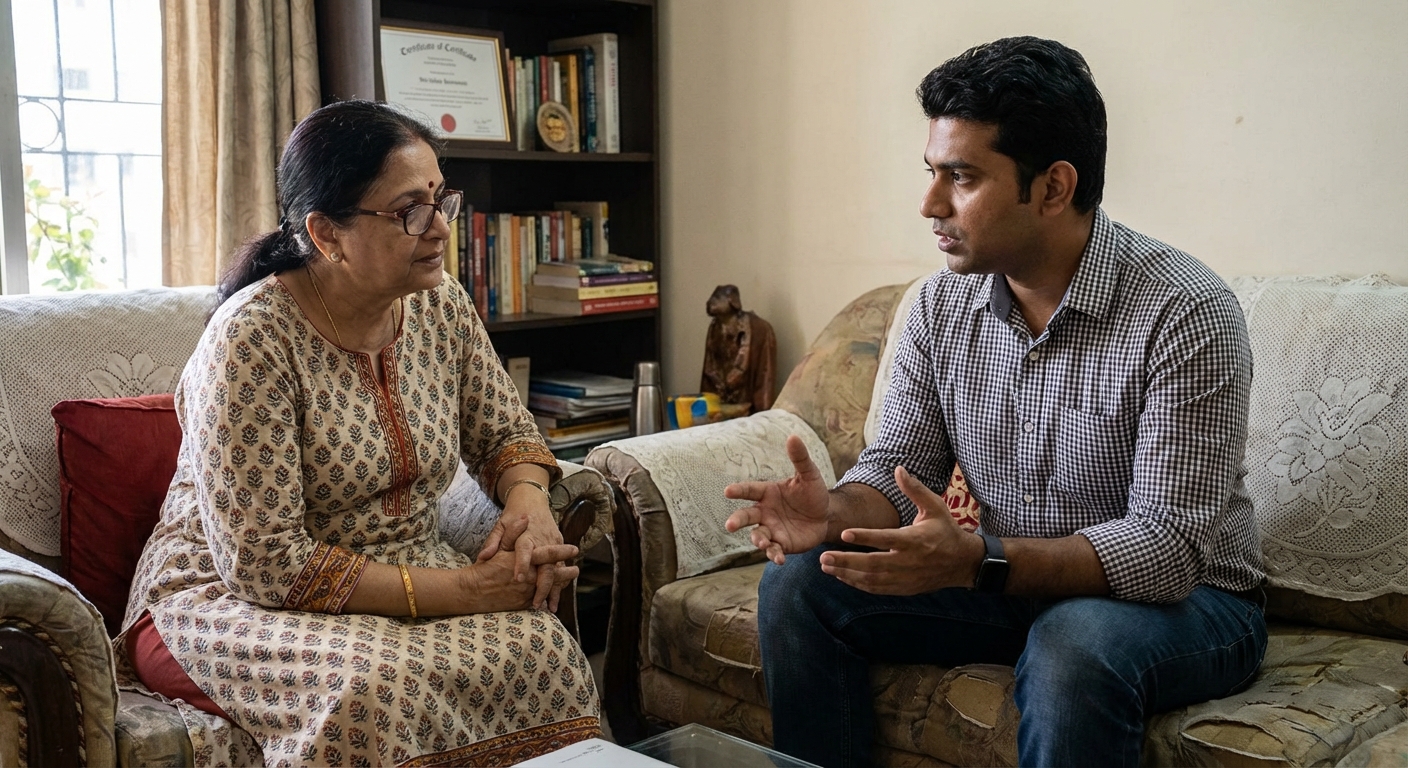
Perfectionism is one of the most common struggles I see in gifted children. Because they can imagine excellent outcomes, they often cannot tolerate producing anything less than perfect. This can lead to procrastination, avoidance, anxiety, and underachievement.
Strategies that help:
- Model making mistakes gracefully yourself
- Praise effort and process, not just outcomes
- Discuss famous failures and what people learned from them
- Teach that excellence comes through iteration, not first attempts
- Help them set realistic standards for different tasks (not everything requires perfection)
- Create safe spaces for experimentation where outcomes do not matter
4. Support Their Social Development
Gifted children often feel different from their peers, and they are not wrong. Their interests, vocabulary, and ways of thinking may not match those of same-age children. This can lead to loneliness and social difficulties.
How to help:
- Seek out intellectual peers through gifted programs, clubs, or online communities
- Teach social skills explicitly; do not assume they will learn them naturally
- Help them find common ground with age-peers (shared activities even if not shared interests)
- Discuss that different types of intelligence exist, and social intelligence is valuable
- Connect them with older children or adults who share their interests
5. Maintain Boundaries and Structure
Some parents of gifted children fall into the trap of treating them as small adults because of their intellectual abilities. This is a mistake. Gifted children still need the security of boundaries, routines, and parental guidance.
- Maintain age-appropriate bedtimes and screen limits
- Expect them to contribute to household responsibilities
- Do not let intellectual arguments become a way to avoid rules
- Provide structure while allowing appropriate autonomy
- Remember that their emotional development may lag behind their intellect
When Giftedness Coexists with Other Conditions
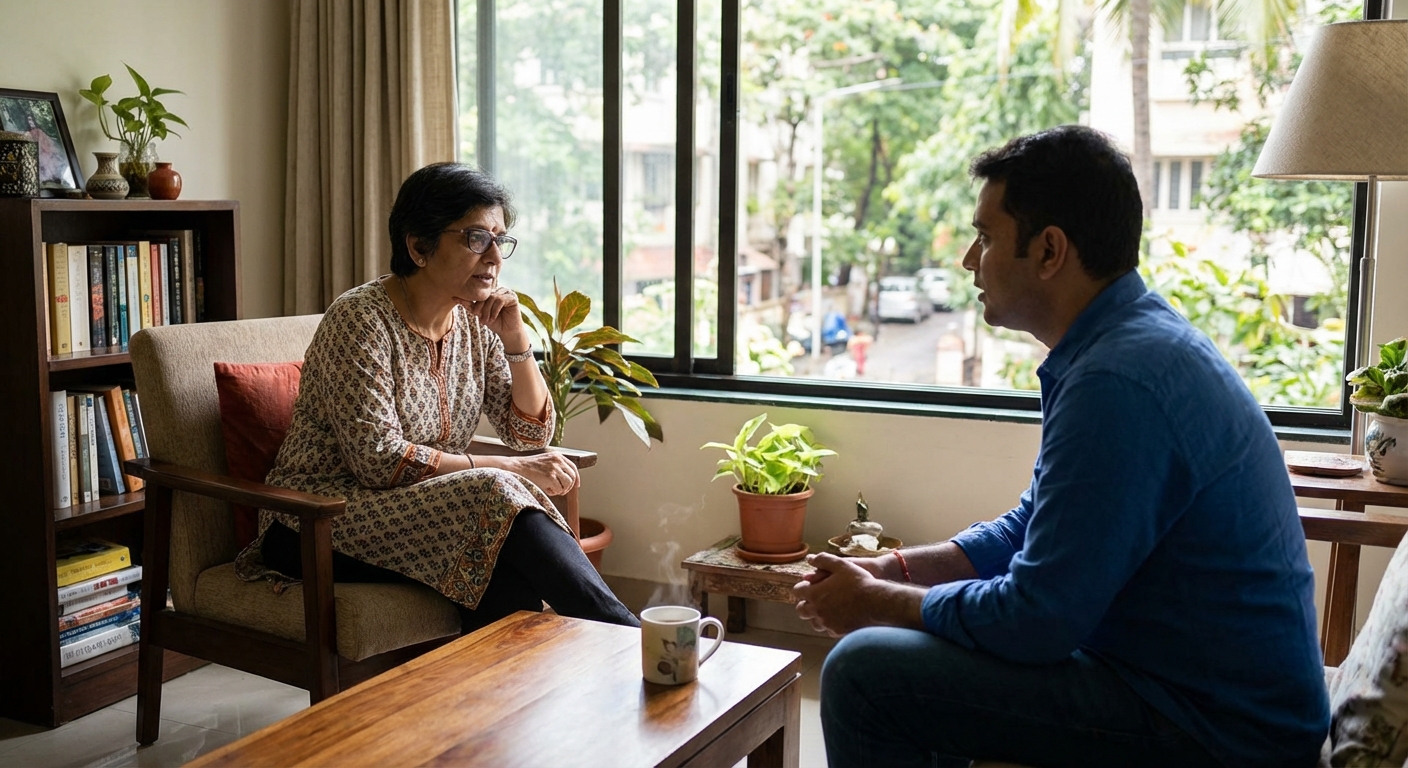
In my practice, I frequently see gifted children who also have ADHD, anxiety, autism spectrum traits, or learning disabilities. This combination, sometimes called "twice-exceptional" or "2e," presents unique challenges because the giftedness can mask the other condition, and vice versa.
Rohan was a brilliant child whose handwriting was nearly illegible and whose assignments were always incomplete. His teachers saw only the incomplete work and assumed he was lazy or unmotivated. It took years before anyone recognized that Rohan had both giftedness and dysgraphia. Once he received appropriate accommodations, including the ability to type instead of write, his performance transformed.
If your gifted child is struggling despite obvious intelligence, consider comprehensive assessment that looks at both strengths and potential challenges. The interplay between giftedness and other conditions requires specialized understanding.
Taking Care of Yourself as the Parent
Parenting a gifted child can be exhausting. Their endless questions, intense emotions, and constant need for stimulation can drain even the most patient parent. Additionally, parents often face judgment from others who do not understand giftedness or view discussions of it as bragging.
Remember to:
- Connect with other parents of gifted children who understand your experience
- Take breaks and practice self-care without guilt
- Seek support when you need it
- Recognize that you do not need to have all the answers
- Celebrate the unique joys of raising an exceptional mind

The Privilege and Responsibility of Nurturing Exceptional Minds
Raising a gifted child is both a privilege and a profound responsibility. These children have the potential to make extraordinary contributions to society, to solve problems others cannot see, and to bring beauty and innovation into the world. But they need understanding, support, and nurturing to reach that potential.
The good news is that you do not need to be a genius yourself to raise a gifted child well. What you need is willingness to understand their unique experience, patience with their asynchronous development, emotional attunement to their intensities, and the wisdom to provide both challenge and support.
In my fifteen years of practice, I have seen gifted children thrive when their parents take the time to truly understand them. I have also seen them struggle when their differences are pathologized or their needs go unmet. The difference is not in the children; it is in the environment and support they receive.
Moving Forward
If you recognize your child in this article, I encourage you to:
1. Learn more about giftedness from reputable sources 2. Connect with other parents of gifted children 3. Advocate for appropriate educational accommodations 4. Address emotional needs with the same seriousness as intellectual needs 5. Seek professional guidance when challenges arise
Every gifted child is unique, and there is no single approach that works for everyone. What works is a commitment to understanding your individual child and responding to their specific needs with love, patience, and wisdom.
If you are struggling with any aspect of parenting your gifted child, or if you would like assessment and guidance tailored to your family's situation, I invite you to reach out for a consultation at my Hyderabad practice. Together, we can develop strategies that help your exceptional child thrive.
---Sudheer Sandra is a licensed psychologist and career counselor based in Hyderabad, India, with over 15 years of clinical experience. He specializes in anxiety, depression, relationship issues, and career counseling, and has extensive experience working with gifted children and their families.