Understanding and Overcoming Phobias: A Path to Freedom


Fear is a natural human emotion—a survival mechanism that has protected our species for millennia. However, when fear becomes excessive, irrational, and begins to interfere with daily life, it transforms into something more problematic: a phobia. If you have ever felt your heart race uncontrollably at the sight of a spider, experienced paralyzing dread before boarding an airplane, or avoided social gatherings because of overwhelming anxiety, you are not alone. Phobias affect millions of people worldwide, but the good news is that they are highly treatable.
What Exactly Is a Phobia?
A phobia is more than just feeling scared or uncomfortable. It is an intense, persistent, and irrational fear of a specific object, situation, or activity. The key word here is "irrational"—people with phobias often recognize that their fear is excessive or unreasonable, yet they feel powerless to control it. This disconnect between logic and emotion can be incredibly frustrating and isolating.
According to the Diagnostic and Statistical Manual of Mental Disorders (DSM-5), a specific phobia is characterized by:
- Marked fear or anxiety about a specific object or situation
- The phobic object or situation almost always provokes immediate fear or anxiety
- Active avoidance of the feared stimulus
- The fear is out of proportion to the actual danger posed
- The fear, anxiety, or avoidance persists for six months or more
- The disturbance causes clinically significant distress or impairment in social, occupational, or other important areas of functioning
Common Types of Phobias
Phobias can be broadly categorized into three main types, each with its own unique characteristics and challenges.
Specific Phobias
These involve fear of particular objects or situations. Some of the most common include:
Animal Phobias: Fear of spiders (arachnophobia), snakes (ophidiophobia), dogs (cynophobia), or insects. I once worked with a patient named Priya, a 32-year-old software engineer from Hyderabad, who could not enter her own garden because of an intense fear of lizards. Her phobia had developed after a childhood incident where a lizard had fallen on her head, and over the years, even seeing a lizard on television would trigger panic attacks.
Natural Environment Phobias: Fear of heights (acrophobia), storms (astraphobia), water (aquaphobia), or darkness. These often develop in childhood and can persist into adulthood if left untreated.
Blood-Injection-Injury Phobias: Fear of blood, injections, or medical procedures. This type is unique because it often triggers a vasovagal response—a sudden drop in blood pressure that can lead to fainting.
Situational Phobias: Fear of specific situations like flying (aviophobia), elevators, enclosed spaces (claustrophobia), or driving. Rajesh, a 45-year-old businessman I counseled, had developed a severe fear of flying after experiencing turbulence during a flight to Mumbai. His phobia was costing him professionally, as he could no longer attend important meetings in other cities.

Social Anxiety Disorder (Social Phobia)
Social phobia involves an intense fear of social situations where one might be judged, embarrassed, or scrutinized by others. This goes far beyond simple shyness. People with social anxiety may avoid public speaking, eating in front of others, using public restrooms, or attending parties and gatherings.
Meera, a talented 28-year-old artist, came to me because her social anxiety was preventing her from showcasing her work at exhibitions. Despite her remarkable talent, she would experience severe physical symptoms—sweating, trembling, and nausea—at the mere thought of people viewing and commenting on her paintings.
Agoraphobia
Often misunderstood as simply a fear of open spaces, agoraphobia is actually a fear of situations where escape might be difficult or help unavailable during a panic attack. This can include being in crowds, standing in lines, being outside the home alone, or using public transportation. In severe cases, individuals may become completely housebound.
How Do Phobias Develop?
Understanding the origins of phobias can be an important step in overcoming them. Several factors contribute to their development:
Classical Conditioning
Many phobias develop through direct negative experiences. If you were bitten by a dog as a child, your brain may have learned to associate all dogs with danger. This is classical conditioning at work—the same principle Pavlov demonstrated with his famous salivating dogs, but in reverse.
Observational Learning
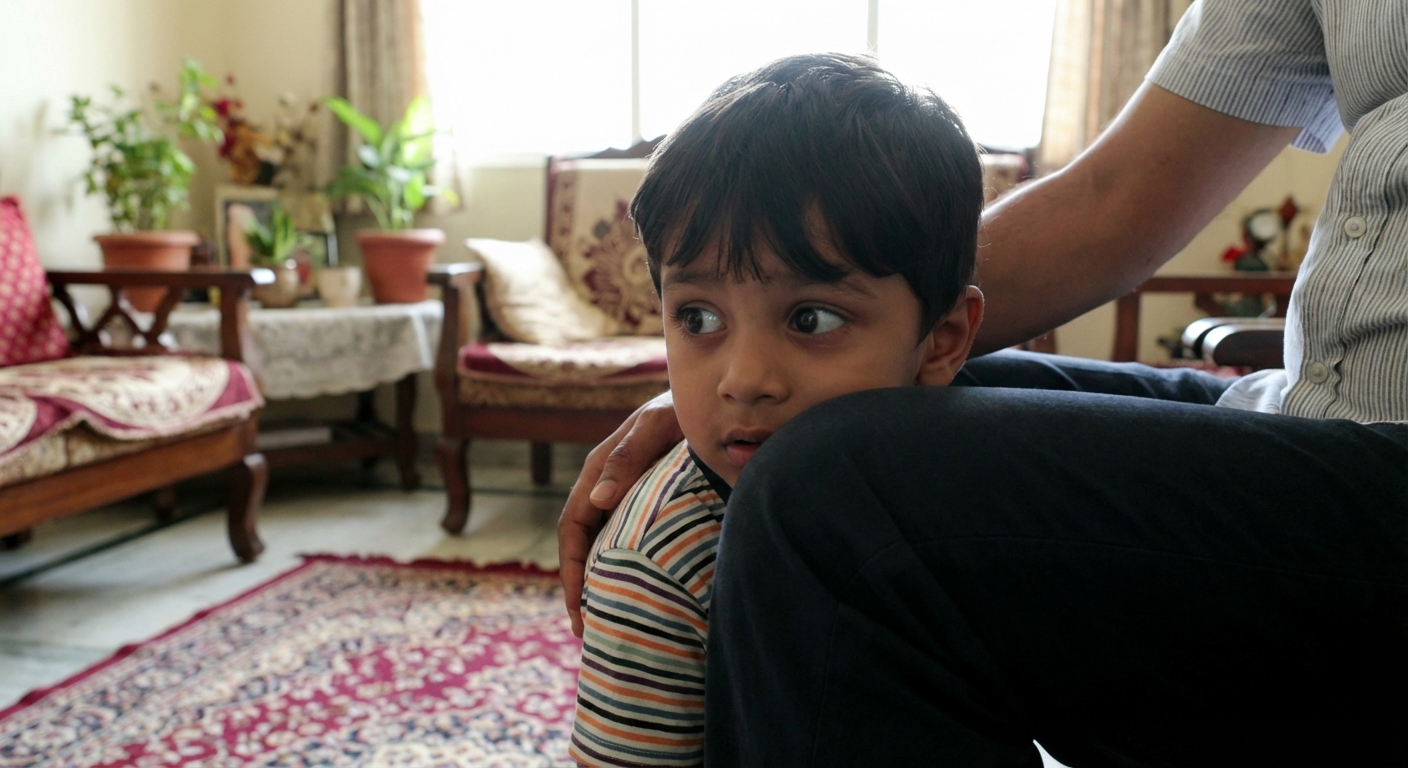
Children are remarkably perceptive. If a parent or caregiver displays intense fear of something, children often absorb and internalize that fear. Arjun, a 10-year-old boy I treated for a severe fear of thunderstorms, had learned this fear from watching his grandmother's fearful reactions during storms throughout his early childhood.
Informational Transmission
Sometimes phobias develop not through direct experience but through information—stories, news reports, or warnings from others. The constant media coverage of airplane accidents, for instance, can contribute to aviophobia, even in people who have never had a negative flying experience.
Biological Factors
Research suggests that some people may be genetically predisposed to developing anxiety disorders, including phobias. If you have a family history of anxiety, you may be more vulnerable. Additionally, certain phobias—like fear of snakes or heights—may have evolutionary roots, as our ancestors who feared these dangers were more likely to survive.
The Impact of Untreated Phobias
Living with an untreated phobia can have far-reaching consequences that extend well beyond the immediate fear response:
- Career limitations: Avoiding presentations, meetings, travel, or specific work environments
- Relationship strain: Difficulty maintaining social connections or intimate relationships
- Physical health consequences: Chronic stress, sleep disturbances, and avoidance of medical care
- Reduced quality of life: Missing out on experiences, opportunities, and everyday pleasures
- Secondary mental health issues: Depression, other anxiety disorders, or substance abuse as coping mechanisms
Evidence-Based Treatments: The Path to Freedom
The most encouraging aspect of phobias is that they respond remarkably well to treatment. With the right approach, most people can significantly reduce or even eliminate their phobic responses.
Exposure Therapy: The Gold Standard
Exposure therapy is the most effective treatment for phobias, with success rates of 80-90% for specific phobias. The principle is beautifully simple: by gradually and repeatedly exposing yourself to the feared stimulus in a safe, controlled environment, your brain learns that the feared object or situation is not actually dangerous.

The process typically follows a hierarchy, starting with the least anxiety-provoking exposure and gradually working up to more challenging situations:
Example hierarchy for spider phobia: 1. Looking at cartoon drawings of spiders 2. Viewing photographs of spiders 3. Watching videos of spiders 4. Being in the same room as a spider in a sealed container 5. Touching the sealed container 6. Being near an open container with a spider 7. Allowing a spider to walk on a surface near you 8. Allowing a spider to walk on your hand
Each step is repeated until the anxiety diminishes—a process called habituation. What makes exposure therapy so powerful is that it does not just teach you to tolerate fear; it actually changes how your brain processes the feared stimulus.
Cognitive Behavioral Therapy (CBT)
CBT combines exposure with cognitive restructuring—identifying and challenging the irrational thoughts that fuel the phobia. For instance, someone with a flying phobia might hold beliefs like "Planes crash all the time" or "If there is turbulence, the plane will fall." Through CBT, these distorted thoughts are examined, tested against evidence, and replaced with more realistic perspectives.
Virtual Reality Exposure Therapy
A newer innovation, virtual reality therapy allows individuals to experience their feared situations in a completely controlled virtual environment. This is particularly useful for phobias where real-life exposure is impractical or expensive, such as fear of flying or heights.
Medication
While medication is generally not considered a first-line treatment for specific phobias, it can be helpful in certain situations. Beta-blockers can reduce physical symptoms of anxiety, and short-term use of anti-anxiety medications may help individuals begin exposure therapy. For social anxiety disorder, SSRIs (selective serotonin reuptake inhibitors) have shown significant effectiveness.
Self-Help Strategies
While professional treatment is often necessary, there are several strategies you can begin implementing today:
Practice Relaxation Techniques: Deep breathing, progressive muscle relaxation, and meditation can help manage anxiety symptoms. When you activate your parasympathetic nervous system through slow, deep breaths, you signal to your brain that you are safe.
Educate Yourself: Learning accurate information about your feared stimulus can help counter irrational beliefs. Understanding, for example, that airplane travel is statistically the safest form of transportation can provide perspective (though knowledge alone rarely cures a phobia).
Gradual Self-Exposure: With mild phobias, you might try gentle, self-directed exposure. Start by simply thinking about your fear, then progress to looking at images, and so on. However, for moderate to severe phobias, professional guidance is strongly recommended.
Build a Support Network: Sharing your struggles with trusted friends or family members can reduce feelings of isolation and provide encouragement during recovery.

A Message of Hope
Recovery from phobias is not just possible—it is probable with the right support and commitment. I have witnessed countless individuals transform their relationship with fear, moving from avoidance and limitation to freedom and engagement with life.
Vikram, the businessman who could not fly, now travels internationally for work and recently took his family on a holiday to Europe. Priya tends her garden daily, and while she still does not particularly like lizards, they no longer control her life. Meera had her first successful art exhibition last year and is planning another.
These transformations did not happen overnight. They required courage, persistence, and professional guidance. But they did happen, and they can happen for you too.
Taking the First Step
If phobias are limiting your life, I encourage you to reach out for professional help. There is no shame in seeking support—in fact, it takes tremendous courage to confront our fears. As a psychologist with over 15 years of clinical experience specializing in anxiety disorders, I have helped numerous individuals overcome their phobias and reclaim their lives.
At my practice in Hyderabad, I offer a warm, non-judgmental environment where we can work together to understand your unique experience and develop a personalized treatment plan. Whether you are struggling with a specific phobia, social anxiety, or agoraphobia, evidence-based treatments can help you break free from the chains of fear.
Remember, the journey of a thousand miles begins with a single step. Your path to freedom from phobias can begin today.
---Sudheer Sandra is a licensed psychologist and career counselor based in Hyderabad, India, with over 15 years of clinical experience. He specializes in anxiety disorders, depression, relationship issues, and career counseling. To schedule a consultation, please contact his practice to discuss how he can support your journey toward mental wellness.