Overcoming Loneliness in a Connected World: Finding Meaningful Connections

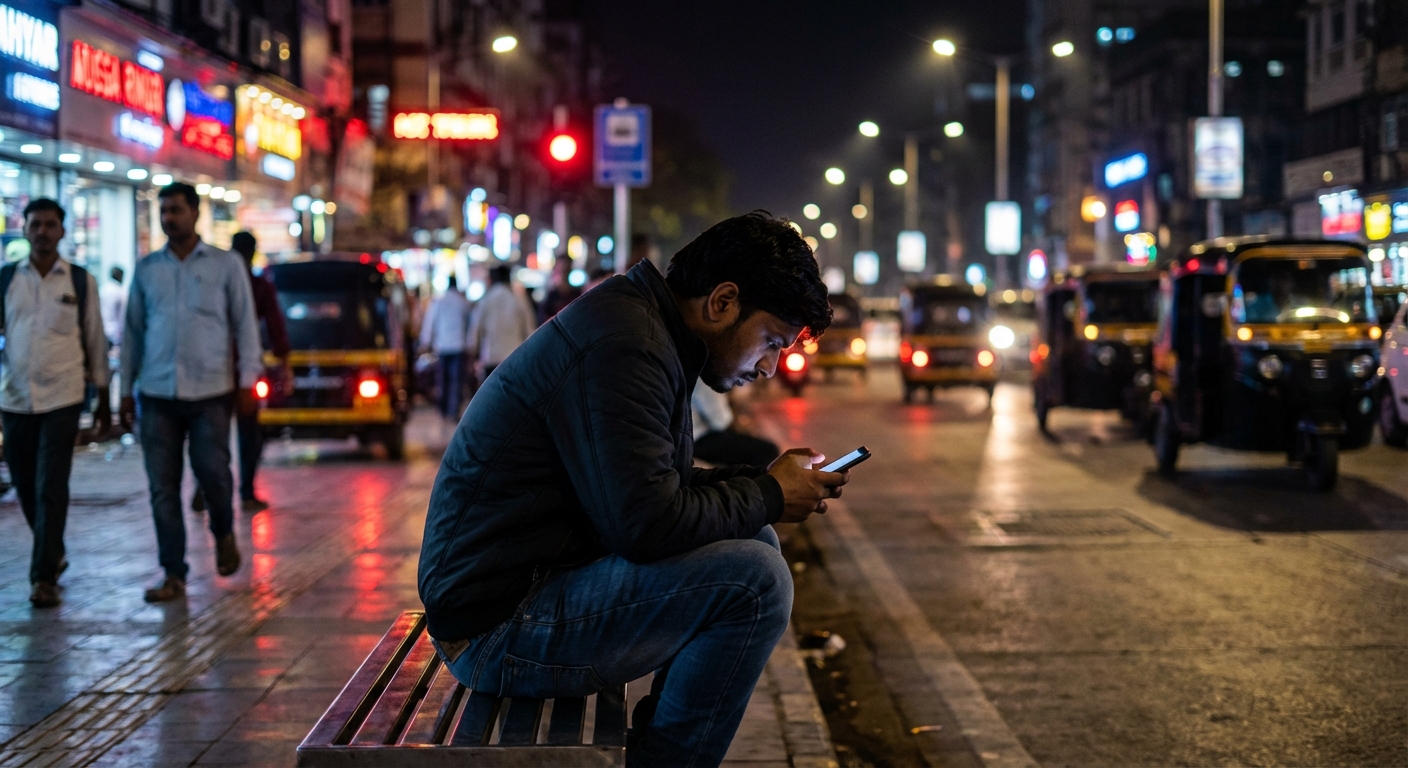
Last week, a young software engineer walked into my Hyderabad office. Arjun (name changed) had everything that society tells us should make us happy—a well-paying job at a prestigious IT company, a comfortable apartment in Gachibowli, and over 2,000 followers on social media. Yet, as he sat across from me, his words cut through the silence: "Sir, I have hundreds of connections online, but I cannot remember the last time someone truly listened to me."
In my fifteen years of practice as a psychologist and career counselor, I have witnessed a profound shift in the nature of human disconnection. We live in an age where we can video call someone across the globe in seconds, where our "friends list" numbers in the hundreds, where we are never truly alone because our phones buzz with notifications around the clock. And yet, loneliness has emerged as one of the most pressing mental health challenges of our time.
This is not just my clinical observation. Research published in the Lancet Psychiatry indicates that loneliness has effects on mortality comparable to smoking fifteen cigarettes a day. The India State-Level Disease Burden Initiative has highlighted social isolation as a growing contributor to mental health disorders in urban populations. We are, paradoxically, more connected and more lonely than any generation before us.
Today, I want to share what I have learned—from research, from my clients, and from my own journey—about understanding and overcoming this modern epidemic of loneliness.
Understanding the Loneliness Paradox
Before we can address loneliness, we must first understand what it truly is. Loneliness is not the same as being alone. Many people enjoy solitude and find it rejuvenating. Loneliness is the painful feeling that arises from a gap between the social connections we have and those we desire—both in quantity and quality.
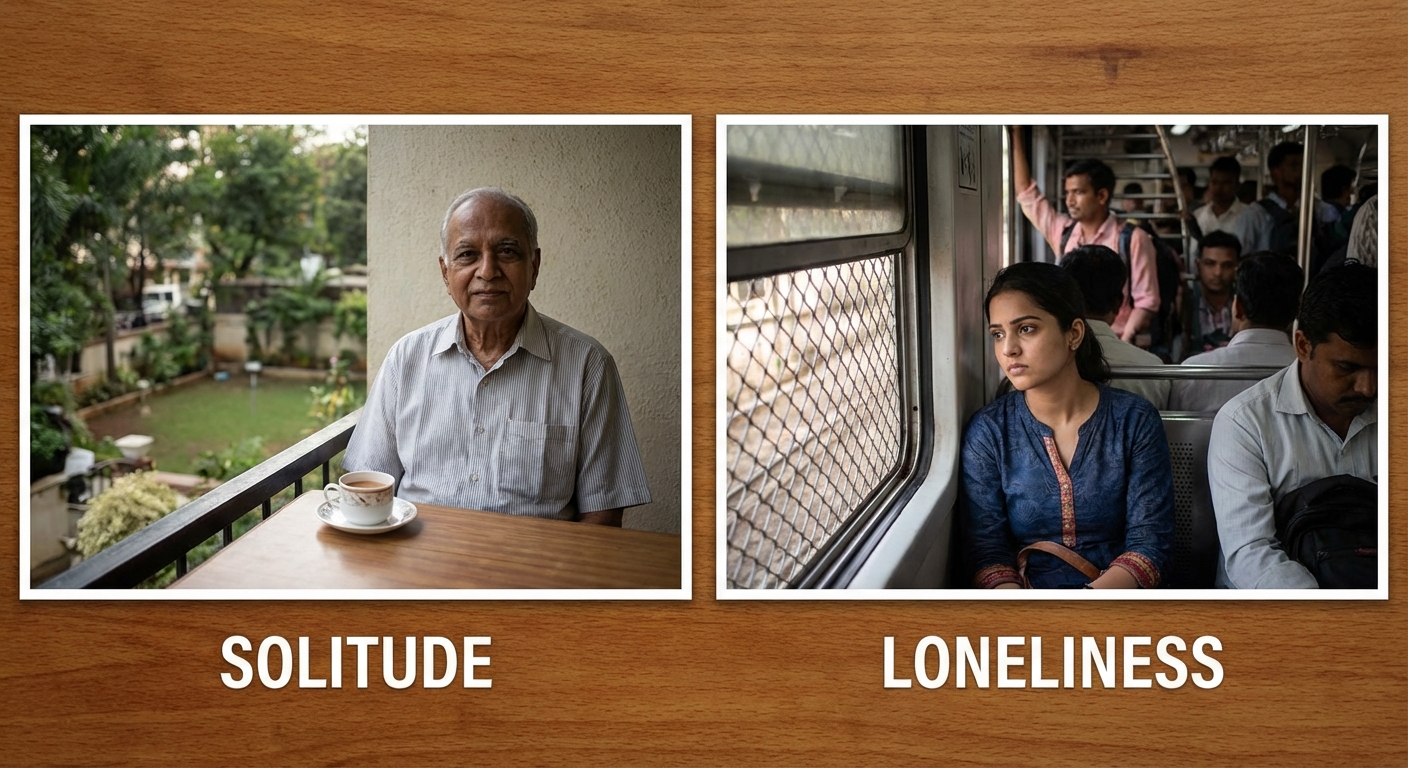
I remember Priya (name changed), a marketing executive in her early thirties who came to me confused about her emotional state. "I am always surrounded by people," she told me. "Team meetings, client dinners, family WhatsApp groups that never stop pinging. How can I possibly be lonely?" Yet she was. The constant noise of superficial interactions had drowned out the possibility of deeper connection.
This is what psychologist John Cacioppo, who dedicated his career to studying loneliness, called the "social hunger" of the human brain. Just as our bodies signal hunger when we need food, our minds signal loneliness when we need meaningful social connection. And just as eating junk food might temporarily satisfy hunger without providing nutrition, superficial social interactions can keep us busy without nourishing our fundamental need for connection.
The Indian Context: Why We Are Particularly Vulnerable
While loneliness is a global phenomenon, certain aspects of contemporary Indian life make us particularly susceptible to its grip.
The Great Urban Migration: Every year, millions of young Indians leave their hometowns for opportunities in cities like Hyderabad, Bangalore, and Mumbai. I see this constantly in my practice—talented young professionals who have gained career success but lost the organic social networks they grew up with. The neighbor aunty who knew your name, the evening cricket matches in the colony, the festivals celebrated with extended family—these are replaced by anonymous apartment complexes and colleagues who remain acquaintances.
The Shift to Nuclear Families: Our traditional joint family system, whatever its flaws, provided built-in companionship across generations. A 2023 survey by the National Statistical Office showed that nuclear families now constitute over 60% of urban Indian households. While this shift brings freedom and privacy, it also means fewer people to share daily joys and struggles with.
The Pressure Cooker of Success: Indian society places enormous emphasis on achievement—academic excellence, career advancement, financial security. In my career counseling work, I meet countless young people who have postponed friendships, hobbies, and relationships in pursuit of professional goals, only to find themselves successful but isolated.
Digital Replacement of Physical Community: The chai shop conversations, the morning walks where neighbors exchanged greetings, the temple or mosque visits that provided community—these are increasingly replaced by food delivery apps, home workouts, and online spiritual content. Convenient, yes. But connection is not about convenience.
Recognizing Loneliness in Yourself
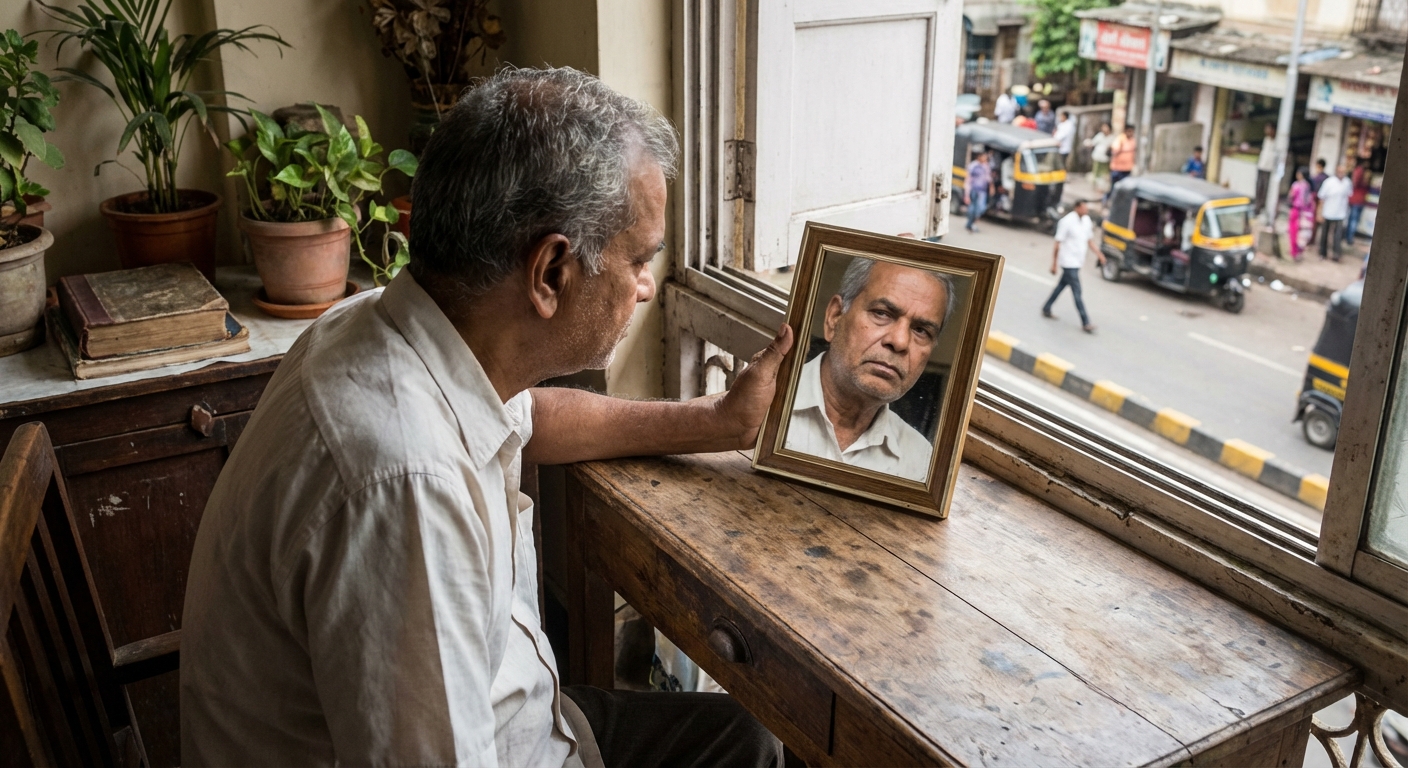
Loneliness often wears masks. In my clinical experience, it frequently presents as:
- Chronic fatigue or sleep disturbances without clear physical cause
- Irritability or anger that seems disproportionate to situations
- Excessive work engagement (using busyness to avoid feeling empty)
- Compulsive social media use (seeking connection but feeling worse afterward)
- Physical symptoms like headaches or digestive issues
- A persistent feeling that something is missing, despite outward success
Practical Strategies for Building Meaningful Connection
Now, let me share the approaches that I have seen work repeatedly in my practice and that are supported by psychological research.
1. Prioritize Quality Over Quantity
Research by Robin Dunbar at Oxford University suggests that humans can maintain only about five close relationships at any given time. Rather than spreading yourself thin across dozens of superficial connections, identify the relationships that matter most and invest deeply in them.
I often ask my clients: "If you received difficult news at 2 AM, who would you call?" The answer to that question reveals your inner circle. Nurture those relationships intentionally.
Practical step: Schedule regular, device-free time with your closest people. Even a weekly phone call with a friend or monthly dinner with a sibling can transform a relationship.
2. Embrace Vulnerability
Dr. Brene Brown's research has shown that vulnerability is the birthplace of connection. Yet in our culture, we often wear masks of constant positivity and success, especially on social media. This creates a vicious cycle—we present false selves, receive validation for those false selves, and feel even more disconnected because nobody knows the real us.
Vikram (name changed), a senior manager I worked with, had a breakthrough when he finally told a colleague about his struggles with anxiety. "I expected judgment," he said. "Instead, he shared his own story. For the first time in years, I felt truly seen."
Practical step: Start small. Share something genuine about your day with someone you trust—not just the highlight reel, but a real challenge or emotion.
3. Rediscover Community Spaces
Before digital connectivity, we had third places—spaces that were neither home nor work where community naturally formed. The temple, the club, the neighborhood park.
Practical step: Join a group organized around a shared interest rather than networking. A book club, a running group, a music class, a volunteer organization. These spaces allow relationships to develop organically through shared activity rather than forced conversation.
4. Practice the Art of Presence
When we are with others, we must truly be with them. I have observed families at restaurants where every member is on their phone, couples walking together but in separate digital worlds.
Practical step: Create technology-free zones and times. During meals, during conversations, during the first hour after waking and the last hour before sleep. Give the gift of your full attention.
5. Develop Compassionate Self-Talk
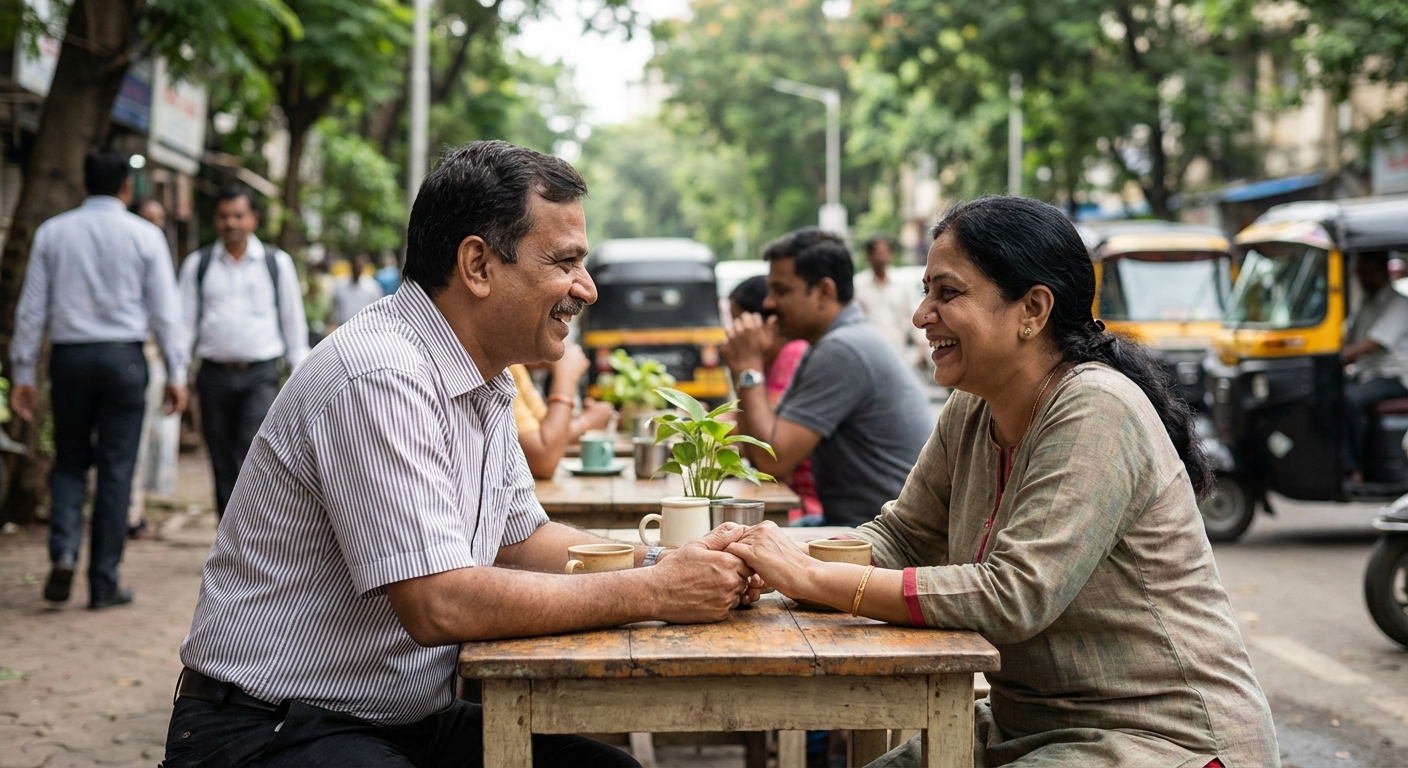
Loneliness often comes with a harsh inner critic: "Nobody wants to spend time with you. You are boring. You are too much." This internal narrative makes us withdraw further, creating a self-fulfilling prophecy.
Practical step: Notice your self-talk when you feel lonely. Would you speak to a friend that way? Practice responding to yourself with the same kindness you would offer someone you love.
6. Take Initiative
Many lonely people wait to be invited, included, reached out to. But connection requires action from both sides.
Deepa (name changed), a woman in her forties who came to me after her children left for college, transformed her social life by making one simple change: she started initiating. A message to an old friend. An invitation to a neighbor for evening tea. Organizing a monthly kitty party that had lapsed years ago.
Practical step: This week, reach out to three people you have been meaning to connect with. Not a generic "Hi, how are you?" but something specific that shows you are thinking of them.
7. Consider Professional Support
If loneliness has become chronic—if it has persisted for months or is accompanied by depression or anxiety—please know that seeking professional help is a sign of wisdom, not weakness. A trained counselor can help identify patterns that may be contributing to isolation and develop personalized strategies for building connection.
The Path Forward

I want to leave you with a story of hope. Remember Arjun, the software engineer I mentioned at the beginning? After several months of working together, he made intentional changes. He joined a weekend hiking group—not to network, but simply to walk and talk. He called his grandmother in his hometown every Sunday evening. He put his phone away during lunch and started eating with colleagues. He allowed himself to be honest about his struggles with a few trusted friends.
Last month, he told me something that stayed with me: "Sir, I realized I was waiting for connection to find me. I had to go find it myself. And I had to be brave enough to show people who I really am."
Loneliness in our connected world is not inevitable. It is a challenge that can be overcome—not by accumulating more social media followers or attending more networking events, but by cultivating the courage to be genuinely present with others, to initiate connection, and to show up as our authentic selves.
If you are struggling with loneliness, please know that this feeling is valid, it is common, and most importantly, it can change. The human capacity for connection is resilient. Sometimes, it just needs a little guidance to find its way back.
---If loneliness has become a persistent struggle in your life, or if you are facing challenges related to social connection, career transitions, or mental wellbeing, I invite you to reach out. At my practice in Hyderabad, I offer a safe, confidential space to explore these concerns and develop strategies tailored to your unique situation.
You do not have to navigate this journey alone. Sometimes, the first step toward connection is simply asking for help.
---Sudheer Sandra is a licensed psychologist and career counselor based in Hyderabad, India, with over fifteen years of clinical experience. He specializes in helping individuals navigate life transitions, overcome mental health challenges, and build fulfilling personal and professional lives. His approach combines evidence-based psychological techniques with a deep understanding of the Indian cultural context.