Navigating In-Law Relationships: Building Harmony in Extended Families

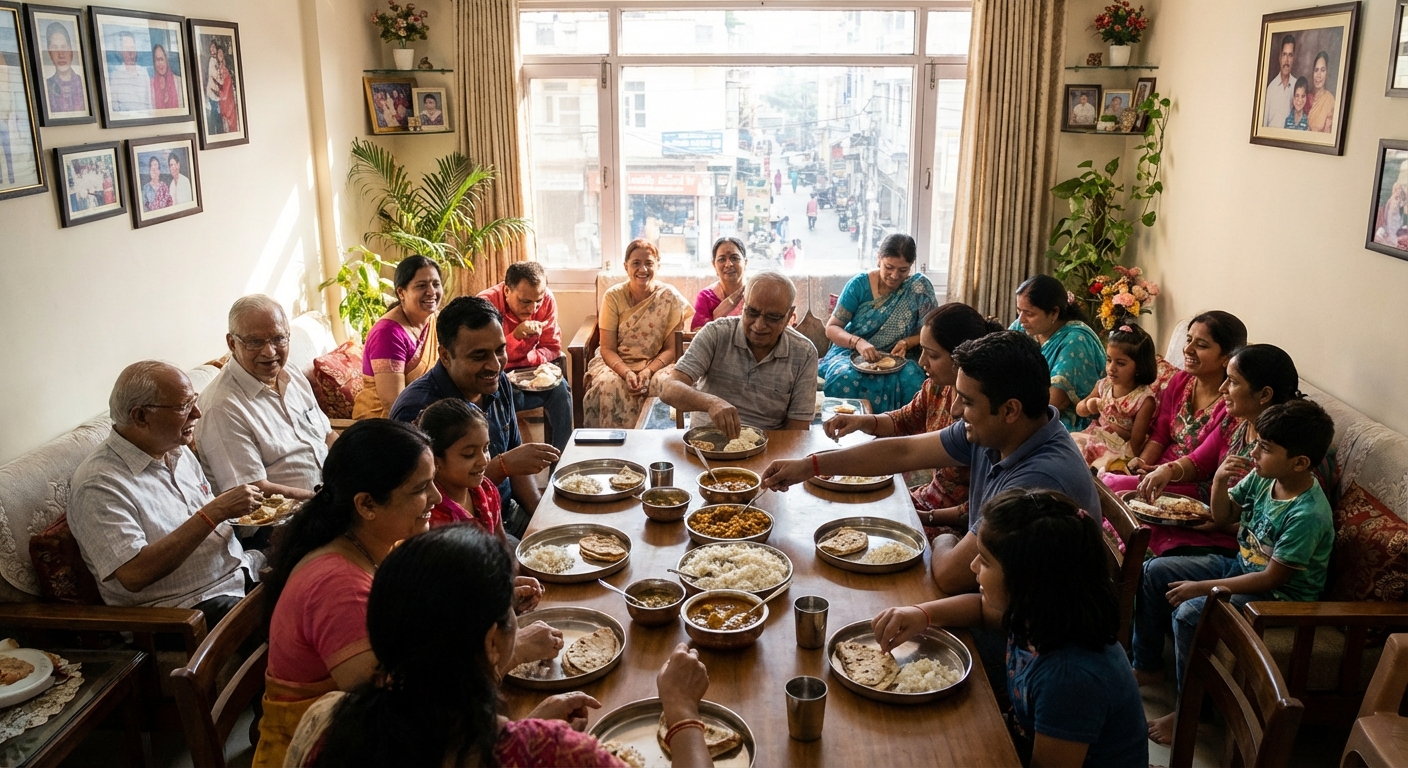
Marriage in India is often described as the union of two families, not just two individuals. This beautiful cultural perspective brings with it both opportunities for deep connection and challenges that require careful navigation. In my fifteen years of clinical practice in Hyderabad, I have worked with countless couples and families struggling to find balance in their extended family relationships. The good news is that with understanding, patience, and the right strategies, harmonious in-law relationships are not only possible but can become a source of tremendous support and joy.
Understanding the Psychology of In-Law Relationships
Before we explore solutions, it is essential to understand why in-law relationships can be challenging. From a psychological perspective, several factors come into play:
Attachment and Loyalty Conflicts: When we marry, we are asked to form a new primary attachment while maintaining our bonds with our family of origin. This can create unconscious loyalty conflicts. A mother may feel she is "losing" her child, while the new spouse may feel they are competing for their partner's affection and attention.
Different Family Cultures: Every family develops its own culture - unwritten rules about communication, emotional expression, roles, and expectations. When two families merge through marriage, these different cultures can clash, leading to misunderstandings and conflict.
Boundary Ambiguity: In Indian families, where collectivism is valued, boundaries between nuclear and extended family can be unclear. What feels like care to one person may feel like interference to another.
Power Dynamics: Traditional hierarchies in Indian families can create complex power dynamics that affect how decisions are made and how respect is demonstrated.
The Unique Context of Indian Family Dynamics
Understanding the cultural context is crucial for navigating these relationships effectively. Indian families often operate on principles that differ from Western models of family therapy.
Interdependence as a Value: While Western psychology often emphasizes independence, Indian families traditionally value interdependence. This is not inherently problematic - research shows that strong family connections contribute to mental health and wellbeing. The key is distinguishing between healthy interdependence and enmeshment.
Respect for Elders: The emphasis on respecting elders is a beautiful cultural value, but it can sometimes be confused with unquestioning obedience. True respect includes honest, caring communication - even when opinions differ.
Joint Family Considerations: Many Indian couples live with or near extended family. This arrangement offers genuine benefits - childcare support, financial pooling, companionship for elderly parents - but requires clear communication about roles and boundaries.

Case Study: Meera and Vikram's Journey
Let me share a case from my practice (with names and details changed for confidentiality). Meera and Vikram had been married for three years when they came to see me. They lived in a joint family setup with Vikram's parents and younger brother.
Meera felt overwhelmed. "I feel like I have no space of my own," she told me. "My mother-in-law is always commenting on how I cook, how I dress, how I spend my time. I know she means well, but I feel suffocated."
Vikram felt caught in the middle. "I love my mother and I love my wife. Why do I have to choose? Why can't they just get along?"
His mother, Padmavathi, had her own perspective: "I have managed this household for thirty years. I only want to help her. She takes everything as criticism."
Through our sessions, we discovered several patterns:
1. Meera had difficulty expressing her needs directly, instead hoping Vikram would intuit them 2. Vikram avoided conflict, often leaving the room when tensions rose 3. Padmavathi expressed affection through advice-giving, not realizing it felt controlling 4. No one had explicitly discussed roles and expectations
Over several months, we worked on communication skills, boundary-setting, and helping each person understand the others' perspectives. Today, while they still have disagreements, they have developed healthier patterns of relating. Meera and Padmavathi have found their own relationship, independent of Vikram. Most importantly, everyone feels heard and respected.
Evidence-Based Strategies for Building Harmony
Based on research in family psychology and my clinical experience, here are strategies that can help build healthier in-law relationships:
1. Develop Your Own Relationship with Your In-Laws
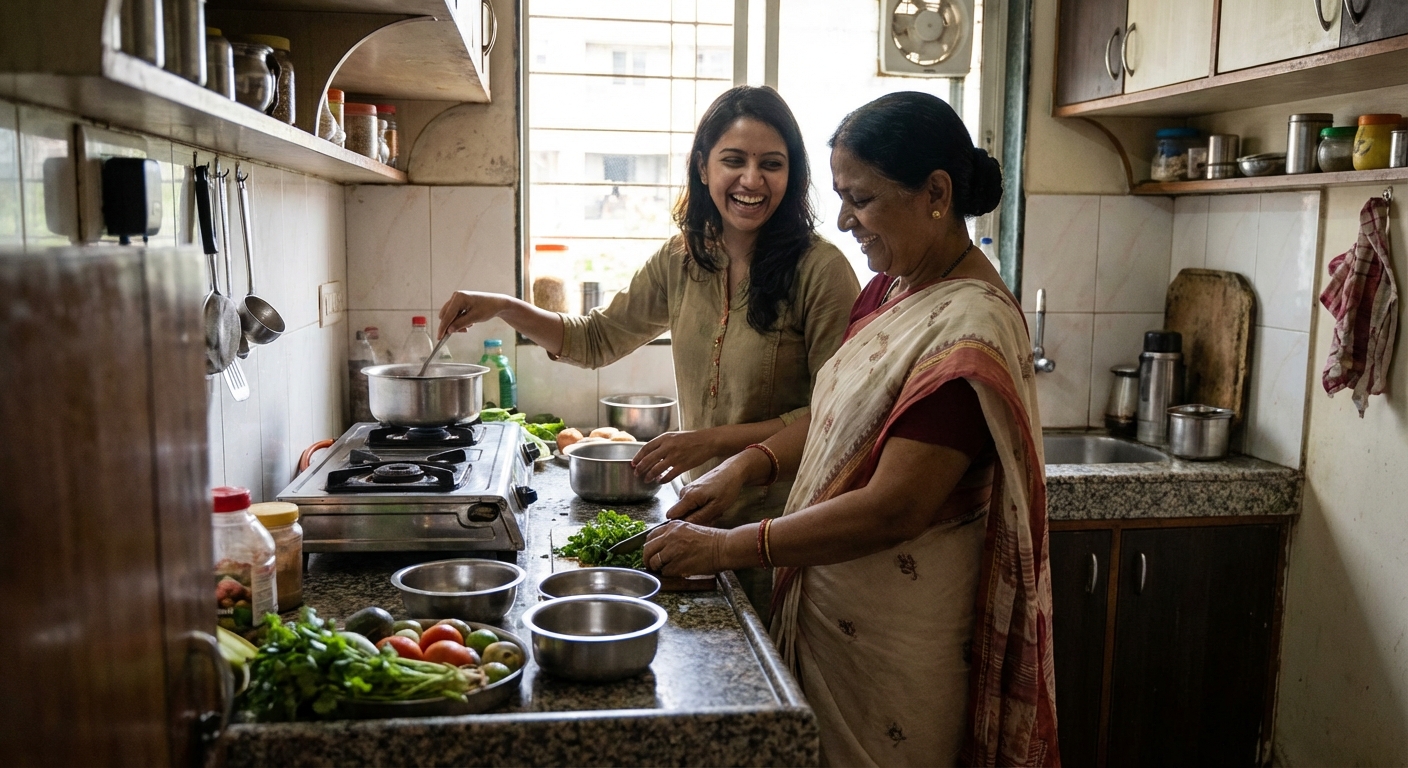
It is tempting to relate to your in-laws only through your spouse. However, research shows that developing independent relationships leads to better outcomes. Find shared interests, spend one-on-one time, and show genuine curiosity about their lives and experiences.
Practical tip: Schedule regular one-on-one interactions with your in-laws - perhaps a weekly call or monthly outing. This builds connection outside of family gatherings where tensions may be higher.
2. Communicate Directly and Kindly
Many in-law conflicts stem from indirect communication. When messages are passed through your spouse, they often get distorted. Learning to communicate directly - while remaining respectful - reduces misunderstandings.
The "I" statement technique: Instead of saying "You always criticize my cooking," try "I feel hurt when I receive feedback about my cooking. I am still learning and would appreciate encouragement."
Cultural adaptation: In Indian contexts, directness should be balanced with respect. You can be honest without being harsh. Timing matters - private conversations are often more productive than public ones.
3. Set Boundaries with Compassion
Boundaries are not walls - they are gates that allow healthy interaction while protecting your wellbeing. Setting boundaries is not disrespectful; it is necessary for sustainable relationships.
How to set boundaries respectfully:
- Be clear about what you need
- Explain the boundary with kindness
- Be consistent in maintaining it
- Acknowledge the other person's feelings
4. Present a United Front as a Couple
One of the most important factors in healthy in-law relationships is couple unity. When spouses are aligned, they can navigate extended family dynamics much more effectively.
Essential practices:
- Discuss family issues privately before addressing them with others
- Support each other publicly, even if you disagree privately
- Never criticize your spouse to your parents or in-laws
- Each partner should generally be the one to address issues with their own parents

5. Practice Empathy and Perspective-Taking
Try to understand your in-laws' perspective. A mother-in-law who seems controlling may actually be struggling with the transition of her role in her child's life. A father-in-law who seems distant may simply have different ways of showing affection.
Empathy exercise: Write a letter from your in-law's perspective, imagining their fears, hopes, and intentions. This exercise often reveals that most in-law behavior comes from love, even when it does not feel that way.
6. Choose Your Battles Wisely
Not every difference needs to be addressed. Sometimes, accepting small differences is more important than being right. Ask yourself: "Will this matter in five years?" If not, consider letting it go.
The 80-20 rule: Focus your energy on the 20% of issues that have the biggest impact on your wellbeing. Let go of the smaller irritations that drain energy but do not significantly affect your life.
7. Seek Professional Help When Needed
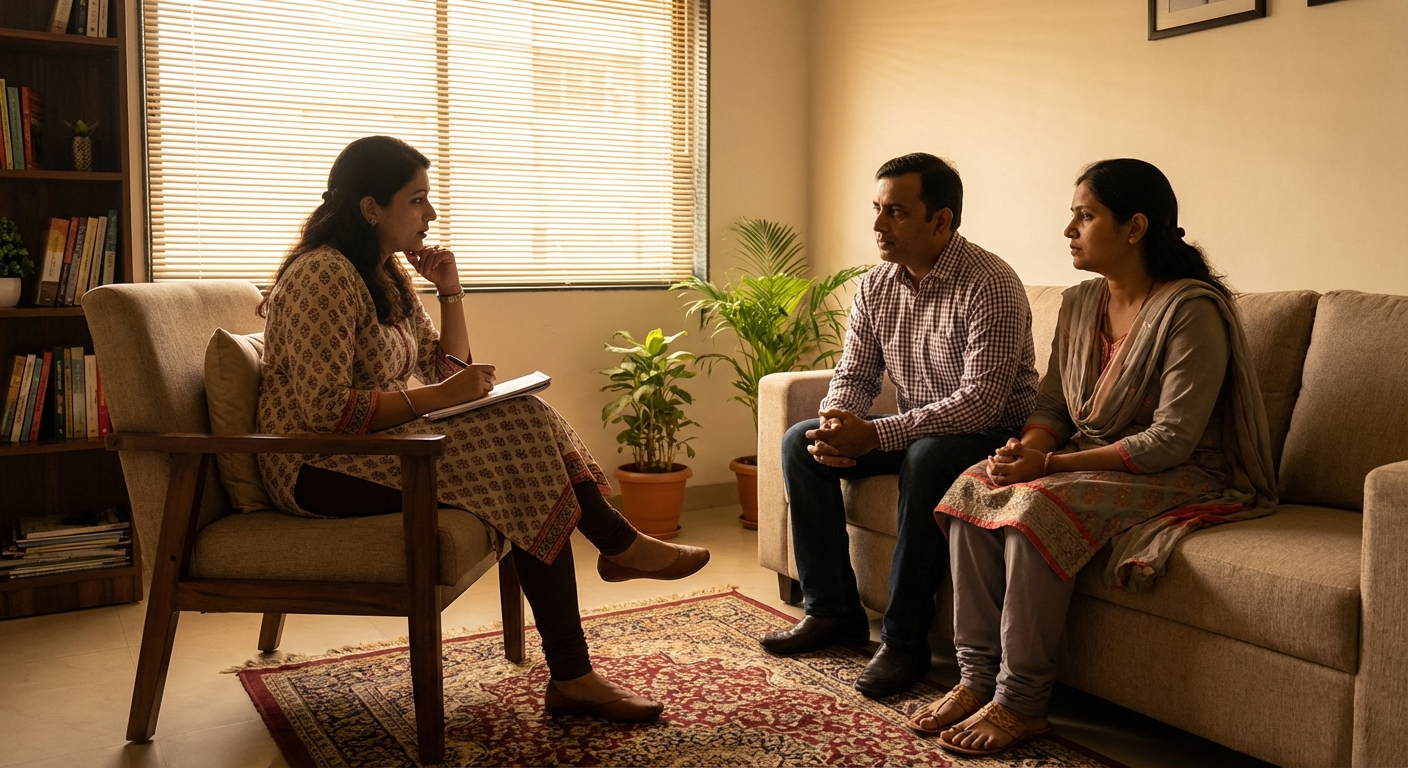
There is no shame in seeking help from a qualified mental health professional. Family therapy can provide a neutral space to address conflicts, learn new communication skills, and heal old wounds.
Signs you might benefit from professional support:
- Conflicts are escalating or becoming more frequent
- You or your spouse feel consistently stressed about family relationships
- The tension is affecting your marriage
- Old patterns keep repeating despite your best efforts
When Relationships Are Genuinely Toxic
While most in-law relationships can improve with effort, some situations involve genuinely harmful behavior - emotional abuse, manipulation, or consistent disrespect that does not respond to boundary-setting. In these cases, protecting your mental health and your marriage may require more significant distance.
If you are experiencing:
- Consistent verbal abuse or humiliation
- Manipulation or gaslighting
- Deliberate attempts to damage your marriage
- Refusal to respect any boundaries
Building a Legacy of Healthy Relationships
The work you do now to improve your in-law relationships has effects that ripple across generations. Your children will learn from watching how you navigate family dynamics. You have the opportunity to model healthy communication, respectful boundary-setting, and the ability to maintain loving relationships even when they are challenging.
Remember: healthy families are not families without conflict. They are families that handle conflict with respect, empathy, and a commitment to relationship over being right.
Taking the First Step
Changing long-standing family patterns takes time and patience. Start small - perhaps with one conversation, one boundary, or one attempt to see things from a different perspective. Celebrate small victories and be patient with setbacks.
If you are struggling with in-law relationships or other family dynamics, I invite you to reach out. At my practice in Hyderabad, I offer individual counseling, couples therapy, and family sessions designed to help you build the relationships you want - relationships marked by mutual respect, healthy boundaries, and genuine connection.
You do not have to navigate these challenges alone. With the right support and strategies, harmony in your extended family is not just possible - it is within your reach.
---Sudheer Sandra is a licensed psychologist and career counselor based in Hyderabad, India, with over 15 years of clinical experience. He specializes in anxiety, depression, relationship issues, and career counseling. To schedule a consultation, please visit his practice or contact him through the website.