Communication Secrets for a Stronger Marriage

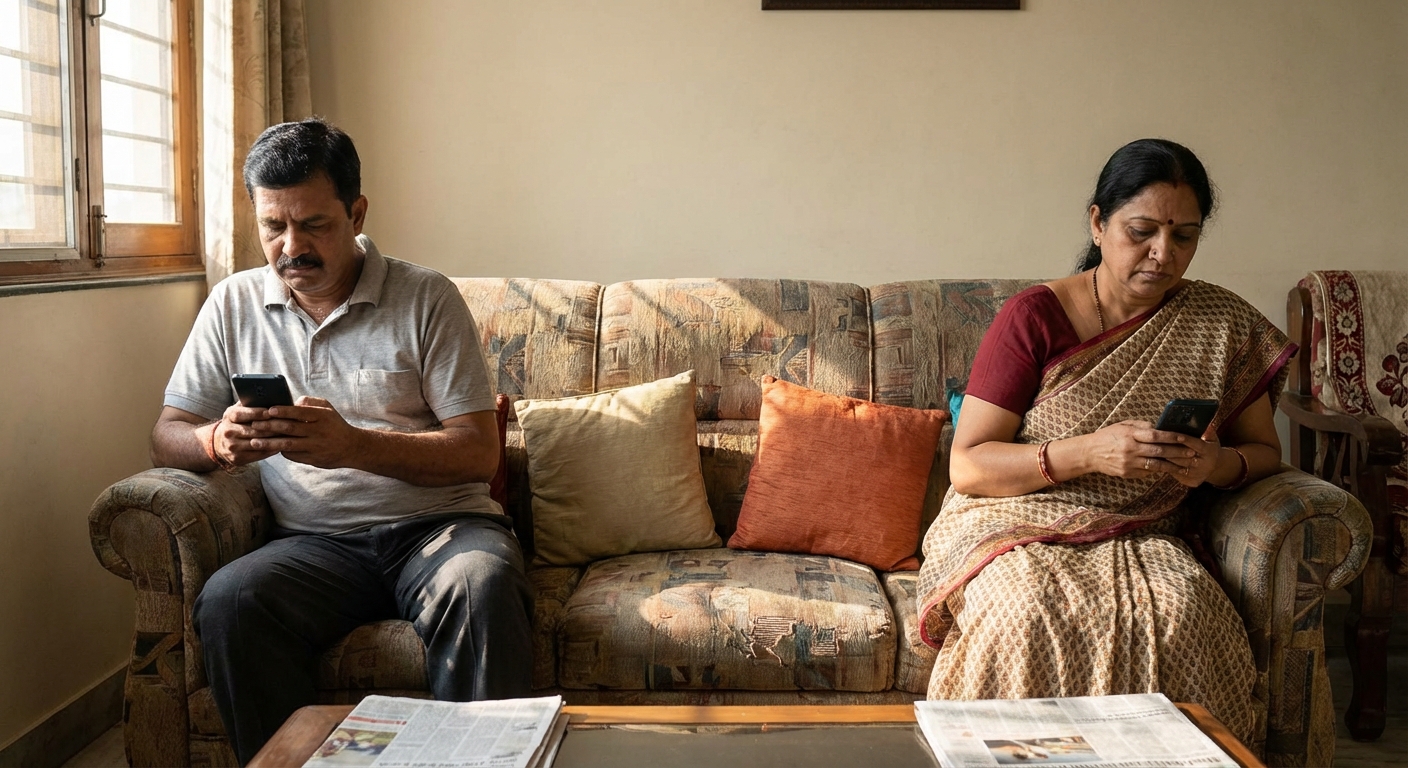
In my fifteen years of practice as a psychologist in Hyderabad, I have witnessed countless couples walk into my clinic with the same fundamental complaint: "We just cannot communicate anymore." Behind these words lies a profound sense of disconnection, frustration, and often, deep loneliness within the marriage. Yet, what gives me hope in this work is knowing that communication is a skill that can be learned, refined, and mastered at any stage of a relationship.
Marriage is perhaps the most intimate human relationship we experience, and yet it is also where our communication often fails us most dramatically. The person we love becomes the person we struggle to understand. The one we chose to spend our life with becomes the one we cannot seem to talk to without tension. This paradox is not a sign of a doomed relationship; rather, it is an invitation to grow together through intentional communication practices.
Understanding Why Communication Breaks Down
Before we can repair communication, we must understand why it breaks down in the first place. In my practice, I have observed several recurring patterns that create barriers between spouses.
The first and most common culprit is the assumption of understanding. After years together, couples often believe they know what their partner thinks and feels without actually asking. Ramesh and Priya, a couple married for twelve years, came to me convinced they understood each other perfectly. Yet when I asked them to share what they thought the other needed most in the relationship, their answers were completely misaligned. Ramesh believed Priya wanted more financial security, while Priya desperately craved more quality time and emotional presence. They had been solving the wrong problems for years.
The second factor is accumulated resentment. Small grievances that go unaddressed pile up like unpaid debts, eventually creating an emotional bankruptcy that makes even simple conversations feel loaded with history. When Meera asked her husband Arjun to help with household chores, she was not just asking about the dishes; she was expressing years of feeling unsupported, unappreciated, and alone in managing their home.
Stress from external factors such as work pressure, financial concerns, health issues, and family obligations also significantly impacts marital communication. When we are depleted, we have fewer emotional resources to offer our partner. Our patience wears thin, our empathy diminishes, and we become more reactive than responsive.
What Research Tells Us About Marriage Success
Dr. John Gottman, whose research at the University of Washington has revolutionized our understanding of marriage, discovered that he could predict with over ninety percent accuracy which couples would divorce and which would stay together. His findings have profound implications for how we approach marital communication.
Gottman identified what he calls the "Four Horsemen of the Apocalypse" in relationships: criticism, contempt, defensiveness, and stonewalling. These communication patterns, when left unchecked, erode the foundation of even the strongest marriages.
Criticism attacks the character of your partner rather than addressing specific behaviors. Contempt, the most destructive of the four, involves treating your partner with disrespect through sarcasm, mockery, or dismissive body language. Defensiveness refuses to take responsibility and often includes counter-attacks. Stonewalling involves withdrawing from interaction entirely, shutting down emotionally and physically.
However, Gottman's research also revealed something hopeful: the magic ratio. Successful couples maintain a ratio of five positive interactions for every negative one. This means that building a reservoir of goodwill through appreciation, affection, and positive engagement can buffer the relationship against inevitable conflicts.
The Art of Active Listening
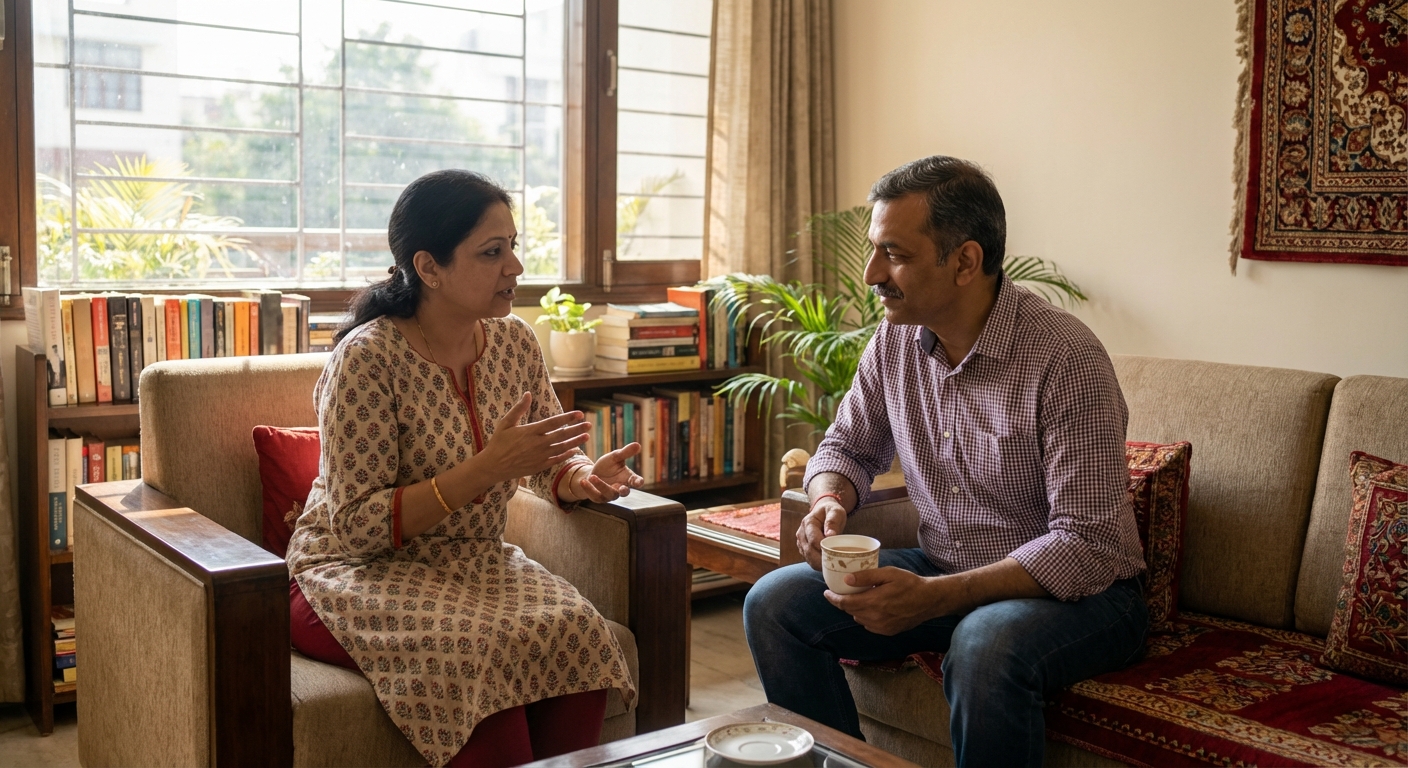
Active listening is perhaps the most transformative communication skill a couple can develop. It sounds simple, yet it is remarkably difficult to practice consistently. Active listening requires us to temporarily set aside our own perspective, reactions, and desire to respond, focusing entirely on understanding our partner's experience.
The first component is giving undivided attention. This means putting away phones, turning off the television, and creating a space where your partner feels they are the priority. In our increasingly distracted world, the gift of full attention has become rare and precious.
The second component involves reflecting back what you have heard. This does not mean parroting words but demonstrating that you have grasped the emotional content of what was shared. For instance, if your wife shares her frustration about a difficult day at work, reflecting might sound like: "It sounds like you felt really overwhelmed today, and perhaps unappreciated by your team."
The third component is asking clarifying questions with genuine curiosity. "Help me understand more about that" or "What was that like for you?" These questions communicate that you want to truly know your partner's inner world.
Vikram and Sunita, who had been on the verge of separation when they first came to see me, transformed their relationship primarily through practicing active listening. Vikram, a software engineer accustomed to problem-solving, learned to resist his urge to immediately fix Sunita's problems. Instead, he learned to simply listen and validate. Sunita, in turn, felt heard for the first time in their fifteen-year marriage. The problems they faced did not disappear, but their capacity to face them together grew exponentially.
Transforming Conflict with "I" Statements
The words we choose in difficult conversations can either build bridges or erect walls. One of the most powerful shifts a couple can make is moving from "you" statements to "I" statements.
"You" statements typically assign blame and put the listener on the defensive. "You never help around the house" or "You always prioritize your mother over me" immediately triggers a defensive response. The conversation becomes about winning rather than understanding.
"I" statements, in contrast, express your feelings and needs without attacking your partner's character. "I feel overwhelmed when I handle household responsibilities alone, and I need more support" or "I feel hurt when family decisions seem to exclude my perspective." These statements own your experience and invite dialogue rather than debate.
The formula is straightforward: "I feel [emotion] when [specific situation], and I need [specific request]." Yet mastering this formula requires practice and self-awareness. Before you can express what you feel, you must first understand it yourself.
The Power of Emotional Validation
Validation does not mean agreement. This distinction is crucial and often misunderstood. You can validate your partner's feelings while holding a completely different perspective on the situation.
When Deepa expressed her anxiety about their son's academic performance, her husband Sanjay's instinct was to reassure her that everything would be fine. His intentions were good, but the impact was dismissive. Deepa felt that her concerns were being minimized, that she was somehow wrong to feel worried.
Learning to validate means acknowledging that your partner's feelings make sense given their perspective and experience. Sanjay learned to say, "I can understand why you are worried. You care so deeply about Rahul's future, and the competition he faces is real." Only after Deepa felt validated was she able to hear Sanjay's perspective that perhaps their son needed less pressure, not more.
Validation creates emotional safety. When we feel that our feelings are accepted without judgment, we become more open, less defensive, and more willing to consider alternative viewpoints.
Navigating Difficult Conversations
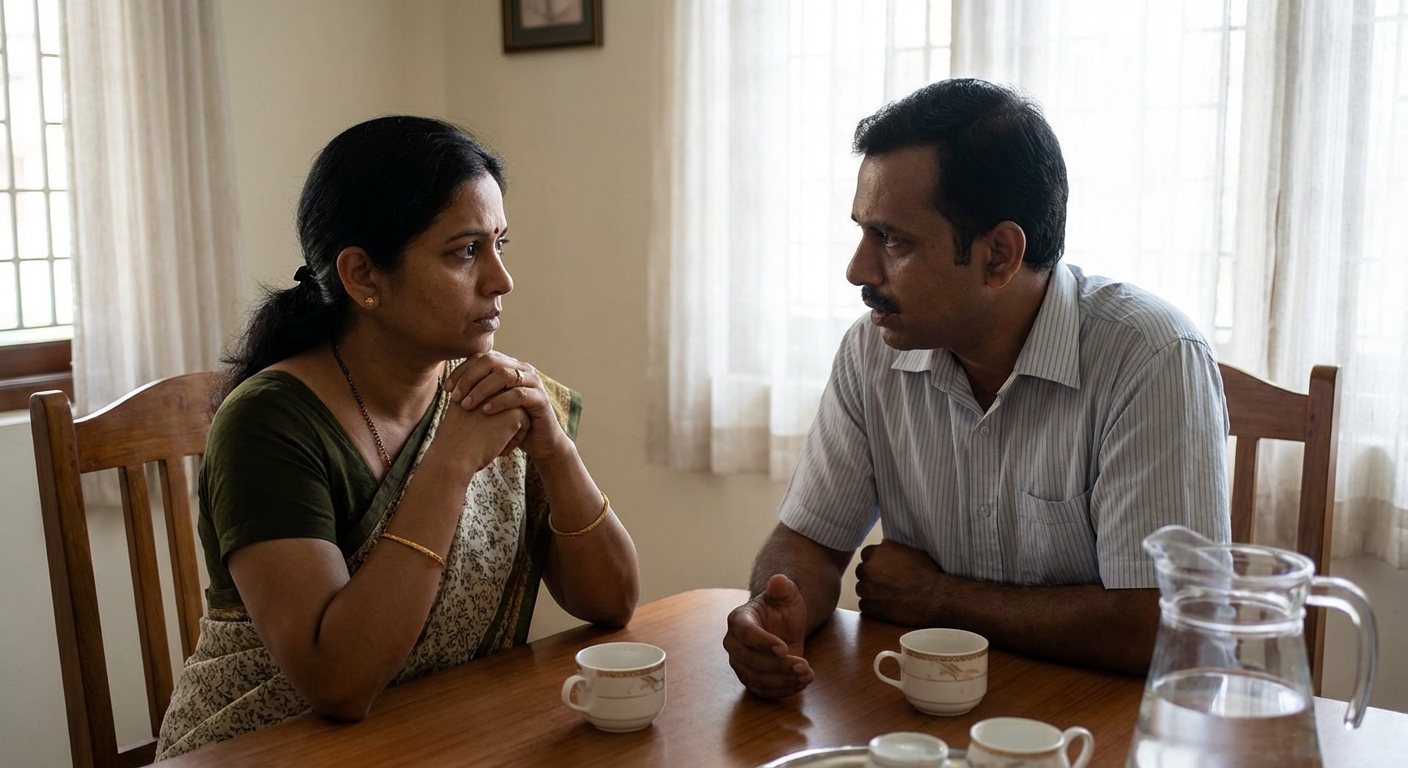
Every marriage will face conversations that feel daunting: discussions about finances, intimacy, in-laws, parenting decisions, or personal boundaries. The way we approach these conversations often matters more than the content itself.
Timing is essential. Raising a sensitive topic when your partner is exhausted, stressed, or distracted sets the conversation up for failure. Choose a time when you both have emotional bandwidth and privacy.
Begin with appreciation or acknowledgment. Starting with "I know you work incredibly hard for our family, and I appreciate that deeply. I also want to talk about something that has been on my mind regarding our finances" creates a very different tone than launching directly into criticism.
Stay focused on one issue at a time. When conflicts escalate, there is a tendency to bring in historical grievances, creating what therapists call "kitchen-sinking." One disagreement becomes a trial of all past offenses. Discipline yourself to address one topic, resolve or table it, before moving to another.
Know when to take a break. When emotions run high and conversations become unproductive, it is wise to pause. However, make a specific commitment to return to the discussion. "I need some time to calm down. Can we continue this conversation after dinner?" prevents stonewalling while honoring the need for emotional regulation.
The Unspoken Language: Non-Verbal Communication
Research suggests that a significant portion of our communication is non-verbal. Our facial expressions, body posture, tone of voice, and physical proximity all convey messages that either reinforce or contradict our words.
Eye contact communicates presence and attention. Touch, appropriate to the moment, conveys support and connection. Turning toward your partner physically when they speak demonstrates engagement. Conversely, crossed arms, rolled eyes, or turning away send powerful negative messages regardless of the words accompanying them.
I often encourage couples to become students of each other's non-verbal language. What does your partner look like when they are anxious versus angry? What physical cues indicate they need comfort versus space? This awareness allows you to respond to your partner's needs even before they are verbally expressed.
Building Rituals of Connection
Strong marriages are built on daily deposits into what Gottman calls the "emotional bank account." These deposits often come through small, consistent rituals of connection.
A morning ritual of sharing tea together before the day's demands take over. An evening practice of sharing the best and most challenging parts of your day. A weekly date, whether elaborate or simple, that prioritizes your relationship. A bedtime routine of physical affection and words of appreciation.

These rituals may seem small, but they weave a fabric of intimacy that sustains the relationship through difficult seasons. Ravi and Lakshmi, married for twenty-eight years, credit their weekly Sunday morning walks as the foundation of their enduring connection. During those walks, they share their thoughts, dreams, and concerns away from the distractions of home and family responsibilities.
Understanding Indian Cultural Dynamics
In our Indian context, marital communication carries unique dimensions that must be acknowledged. Joint family systems, while offering support and connection, can also create complex dynamics where couples struggle to establish their own communication patterns and boundaries. The involvement of in-laws in marital decisions, expectations around traditional gender roles, and the cultural emphasis on family harmony over individual expression all influence how couples communicate.
I have worked with many couples who feel caught between honoring their cultural values and addressing their relationship needs. Priyanka felt unable to express her feelings about her mother-in-law's involvement in parenting decisions because she feared being seen as disrespectful. Arun hesitated to share his professional struggles with his wife because he believed he should be the unflappable provider.
Healthy communication in the Indian context involves honoring our cultural strengths, such as commitment to family, respect for elders, and emphasis on long-term relationships, while also creating space for individual emotional expression and couple autonomy. This is not about choosing between being Indian and being emotionally healthy; it is about integrating both.
Recognizing When to Seek Professional Support
Despite our best efforts, some communication challenges require professional support. This is not a sign of failure but of wisdom and commitment to the relationship.
Consider couples counseling if you find yourselves having the same arguments repeatedly without resolution. Seek support if communication has broken down to the point where you feel like strangers or adversaries rather than partners. Professional help is warranted when past trauma, individual mental health challenges, or deeply entrenched patterns interfere with your ability to connect.
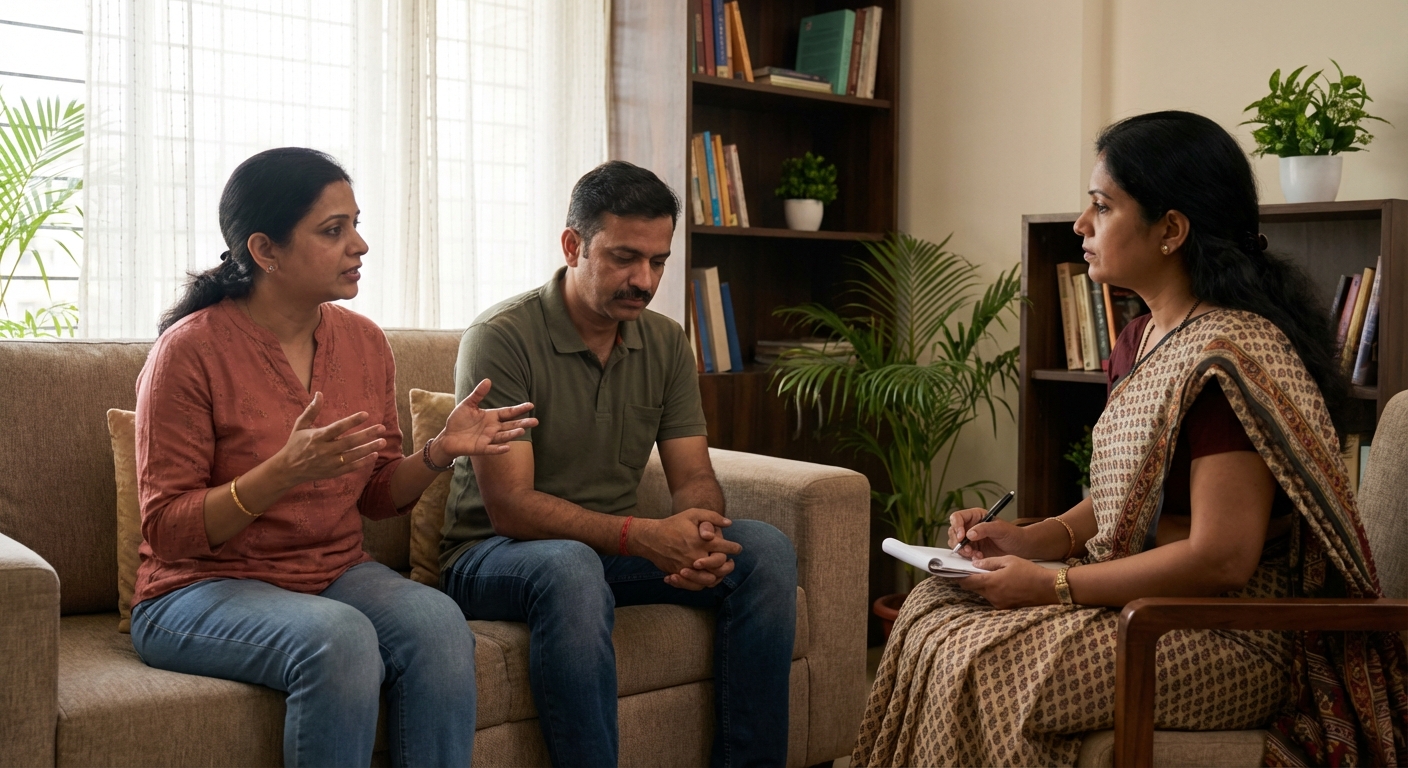
A skilled therapist provides a safe space where both partners feel heard, offers tools and frameworks for healthier communication, and helps identify and address underlying issues that fuel conflict. In my practice, I have seen couples who believed their marriage was beyond repair find their way back to each other through dedicated therapeutic work.
Taking the First Step
Communication transformation does not happen overnight. It requires patience, practice, and a willingness to be imperfect together. Start with one technique that resonates with you. Perhaps this week, you commit to practicing active listening for fifteen minutes each day. Or you begin using "I" statements in your next difficult conversation. Small, consistent changes compound into significant transformation over time.
Your marriage is worth the investment. The intimacy, partnership, and joy that come from truly understanding and being understood by your spouse are among life's greatest gifts.
If you and your partner are struggling with communication and would like professional support, I invite you to reach out to my practice in Hyderabad. Together, we can explore the patterns that keep you stuck and develop strategies to help you connect more deeply. You do not have to navigate this journey alone.
---About the Author
Sudheer Sandra is a licensed psychologist based in Hyderabad with over fifteen years of experience in individual and couples therapy. He specializes in relationship counseling, anxiety and depression treatment, and personal growth. Sudheer integrates evidence-based therapeutic approaches with an understanding of Indian cultural contexts to provide compassionate, effective support to his clients. He is passionate about helping couples build stronger, more fulfilling relationships through improved communication and emotional connection. To schedule a consultation, please contact his Hyderabad practice.