Managing Social Anxiety: Practical Strategies for Everyday Confidence

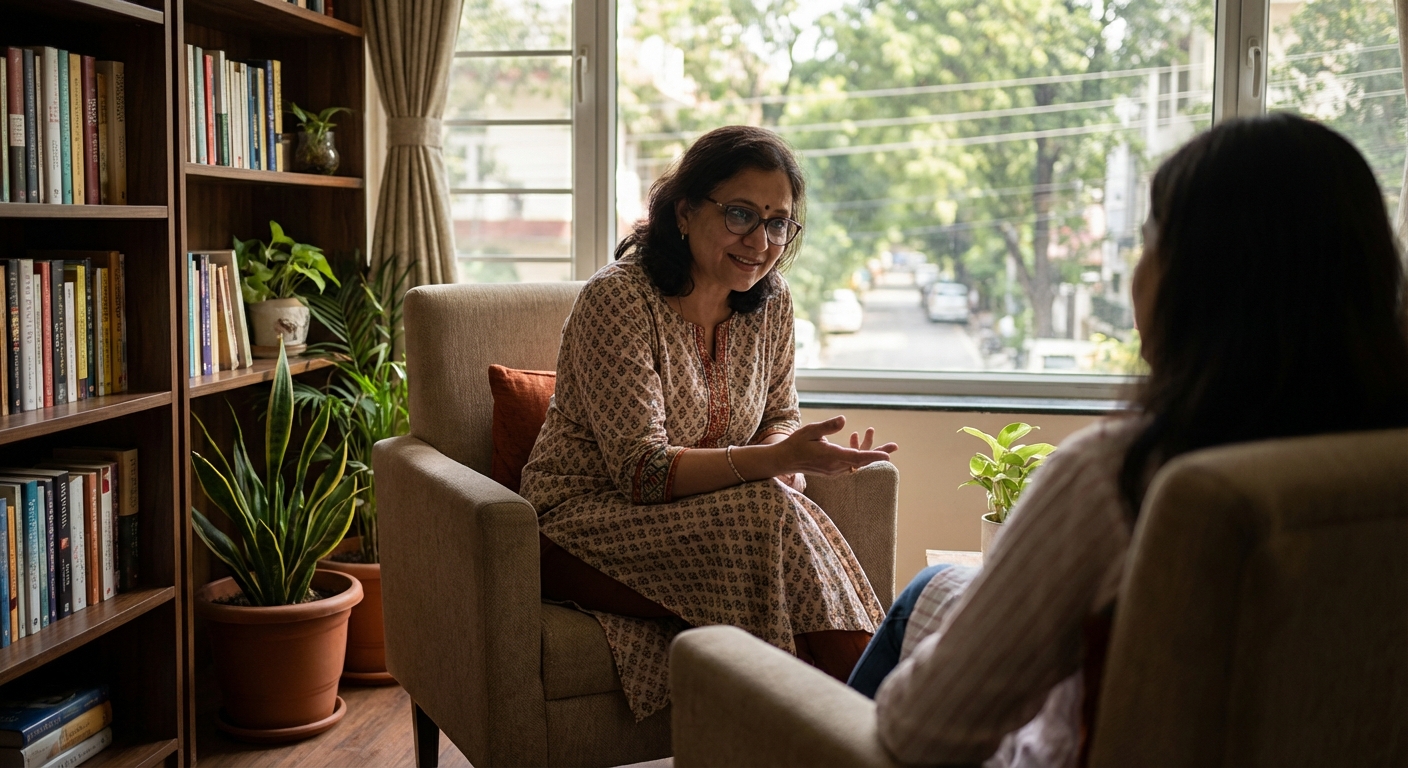
I still remember Priya walking into my Hyderabad clinic three years ago. She was a brilliant software engineer at a leading tech company, yet she had been passed over for promotion twice. Not because she lacked technical skills, but because she could not bring herself to speak up in meetings. "Sir, the moment I think about talking in front of my team, my heart starts racing, my palms get sweaty, and my mind goes completely blank," she told me, her voice barely above a whisper.
Priya's story is far from unique. In my fifteen years as a psychologist and career counselor, I have worked with hundreds of individuals who struggle with social anxiety. From college students terrified of classroom presentations to senior executives who avoid networking events, social anxiety does not discriminate based on intelligence, success, or social status.
If you find yourself dreading social situations, constantly worrying about being judged, or avoiding opportunities because of fear, I want you to know something important: you are not alone, and more crucially, you can overcome this.
Understanding Social Anxiety: More Than Just Shyness
Before we discuss strategies, let me clarify what social anxiety actually is. Many of my clients initially dismiss their struggles as "just being shy" or attribute it to their personality. However, social anxiety disorder goes beyond ordinary nervousness.
Social anxiety is characterized by an intense, persistent fear of being watched, judged, or evaluated negatively by others. This fear can be so overwhelming that it interferes with your work, studies, relationships, and overall quality of life.
In the Indian context, this often manifests in specific situations: the pressure to perform well at family functions, the expectation to be articulate in professional settings, the fear of "log kya kahenge" (what will people say), and the cultural emphasis on maintaining family honor and social standing.
I have observed that many Indians carry an additional burden. We grow up in a society where collective opinion matters deeply, where family reputation is paramount, and where being "different" or making mistakes in public can feel catastrophic. Understanding that your anxiety exists within this cultural framework is the first step toward addressing it with self-compassion rather than self-criticism.
The Science Behind Your Fear Response
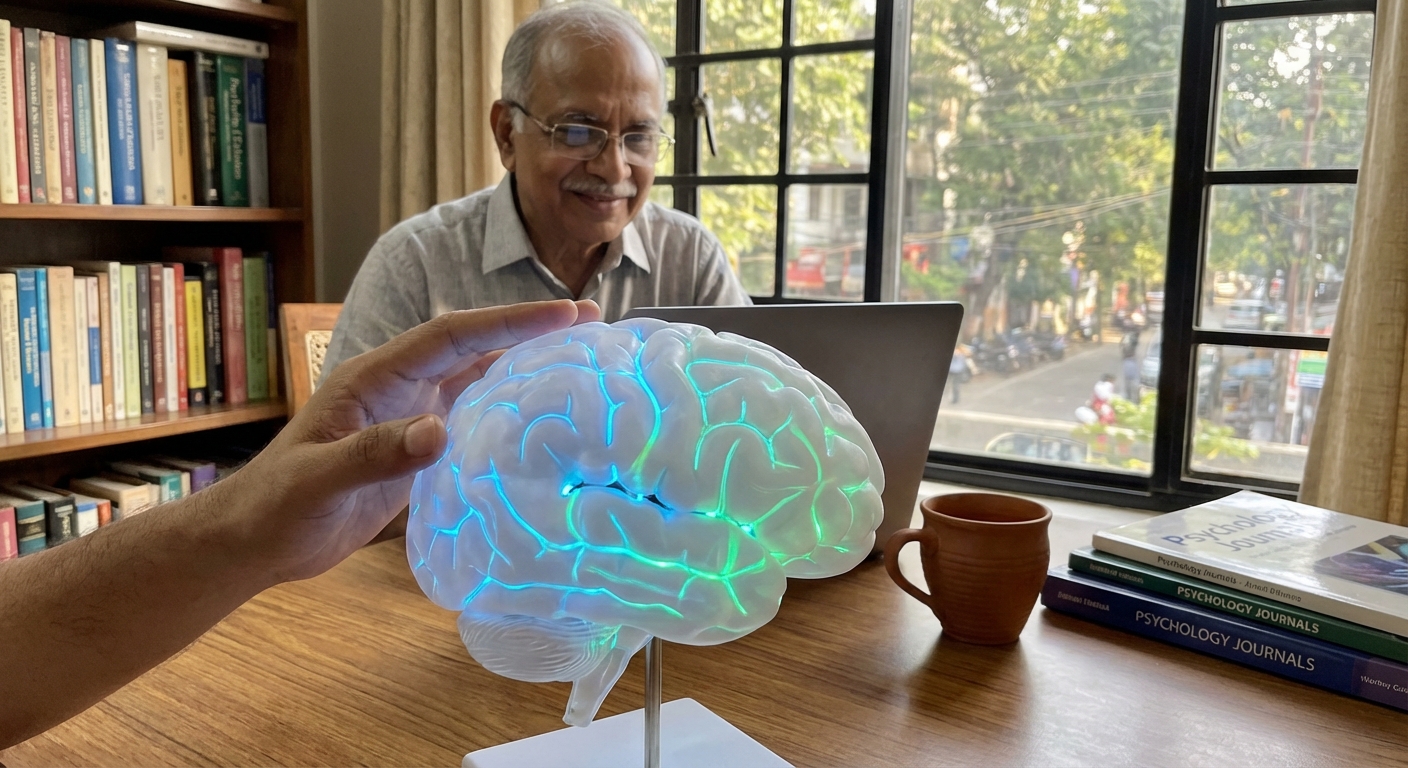
When you experience social anxiety, your brain's threat detection system, the amygdala, is essentially working overtime. It perceives social situations as dangerous, triggering the same fight-or-flight response our ancestors experienced when facing physical threats.
This is why your body reacts the way it does. The racing heart, sweating, trembling, and difficulty breathing are not signs of weakness. They are your nervous system trying to protect you from a perceived threat.
The good news? Your brain is remarkably adaptable. Through consistent practice of specific techniques, you can literally rewire these neural pathways and change your automatic responses to social situations.
Practical Strategy 1: The AWARE Technique
One of the most effective tools I teach my clients is the AWARE technique, which I have adapted over years of practice to suit the specific challenges my Indian clients face.
A - Accept the Anxiety: Instead of fighting your anxious feelings, acknowledge them. Tell yourself, "I am feeling anxious right now, and that is okay." Resistance often amplifies anxiety.
W - Watch Your Anxiety: Observe your anxiety as if you were a curious scientist. Where do you feel it in your body? How intense is it on a scale of 1-10? This creates psychological distance between you and your feelings.
A - Act Normally: Continue with what you were doing despite the anxiety. Your actions do not have to be controlled by your feelings. I often tell clients, "You can feel anxious and still give that presentation."
R - Repeat the Steps: Anxiety often comes in waves. Each time it rises, go through the process again.
E - Expect the Best: Remind yourself that anxiety always passes and that you have handled it before.
I remember working with Rahul, a young chartered accountant who would experience panic attacks before client meetings. After practicing the AWARE technique for six weeks, he told me, "Sir, the anxiety still comes, but now it feels like a visitor I can acknowledge and then continue with my work, rather than a monster that takes over completely."
Practical Strategy 2: Gradual Exposure with an Indian Twist
Exposure therapy is one of the most well-researched treatments for social anxiety. The principle is simple: by gradually and repeatedly facing feared situations, your brain learns that they are not actually dangerous.
However, I have found that a culturally adapted approach works better for my clients. Here is how I structure it:
Week 1-2: Start with low-stakes interactions. Make small talk with shopkeepers at your local market. Ask the autowala about his day. These brief interactions with strangers you will likely never see again provide safe practice ground.
Week 3-4: Expand to familiar settings. Share one opinion in a family WhatsApp group. Speak up once during a team meeting, even if it is just to agree with someone else's point.
Week 5-6: Take slightly bigger steps. Initiate a conversation with a colleague you do not usually talk to. Ask a question during a webinar or training session.
Week 7-8: Challenge yourself with situations you have been avoiding. Attend that social gathering. Volunteer to present a small portion of a project.
The key is progression, not perfection. Each small step builds evidence that you can handle social situations, which gradually weakens the anxiety response.

Practical Strategy 3: Cognitive Restructuring for the Indian Mind
Our thoughts have tremendous power over our emotions. In social anxiety, we often engage in cognitive distortions, thinking patterns that seem logical but are actually biased and unhelpful.
Common distortions I encounter in my practice include:
Mind Reading: "Everyone thinks I am boring and have nothing valuable to say."
Fortune Telling: "If I speak up, I will definitely embarrass myself and my family."
Catastrophizing: "If I make a mistake in this presentation, my career is over."
All-or-Nothing Thinking: "If I am not perfectly confident and articulate, I am a complete failure."
The technique of cognitive restructuring involves identifying these thoughts and examining them critically. I encourage clients to ask themselves:
- What evidence do I have for this thought?
- What evidence do I have against it?
- What would I tell a friend who had this thought?
- What is the most realistic outcome?
Practical Strategy 4: The Power of Preparation and Practice
While I never want my clients to become dependent on over-preparation, strategic preparation can significantly reduce anxiety, especially for specific events like presentations, interviews, or important meetings.
Here is my recommended approach:
Know Your Material: Thorough preparation builds genuine confidence. If you are presenting, know your content deeply enough that you could explain it in three different ways.
Practice Out Loud: There is a significant difference between thinking through what you will say and actually saying it aloud. Practice in front of a mirror, record yourself, or present to a trusted friend or family member.
Prepare for Questions: Anticipate what people might ask and prepare responses. This reduces the fear of being caught off guard.
Arrive Early: Whether it is a meeting, party, or presentation, arriving early allows you to settle in and feel more comfortable with the environment before others arrive.
Have a Opening Ready: One of the most anxiety-provoking moments is starting a conversation or presentation. Having your opening lines well-practiced can help you get past that initial hurdle.
Practical Strategy 5: Building Your Support System
In my experience, trying to overcome social anxiety entirely on your own makes the journey significantly harder. A support system provides encouragement, accountability, and perspective.
Identify Your Champions: These are people who believe in you and want to see you succeed. It might be a spouse, sibling, close friend, or mentor. Let them know about your goals and ask for their support.
Find Your Practice Partners: Having someone willing to role-play social situations, listen to your presentation rehearsals, or accompany you to events can be invaluable.
Consider Professional Support: A trained psychologist or counselor can provide evidence-based treatments, personalized strategies, and objective guidance that friends and family cannot always offer.
Connect with Others Who Understand: Whether through support groups or online communities, connecting with others who share similar struggles can reduce feelings of isolation and provide practical tips.
I think of the story of Arun, a client who worked in IT and had avoided all team social events for years. When he finally opened up to a colleague about his anxiety, he discovered that this colleague struggled with similar feelings. They became accountability partners, attending events together and debriefing afterward. Both reported significant improvements within months.
The Role of Lifestyle in Managing Anxiety
While therapy and specific techniques are crucial, I always remind my clients that our mental health is deeply connected to our physical habits.
Sleep: Poor sleep amplifies anxiety. Aim for 7-8 hours of quality sleep, and try to maintain consistent sleep and wake times.
Exercise: Regular physical activity is one of the most effective natural anxiety reducers. Even a 30-minute walk can make a noticeable difference.
Nutrition: Reduce caffeine and alcohol, both of which can worsen anxiety. Stay hydrated and maintain balanced meals.
Mindfulness and Breathing: Daily practice of even 10 minutes of meditation or deep breathing exercises can significantly reduce baseline anxiety levels.
Limit Social Media: Constant comparison on social media platforms can fuel social anxiety. Be mindful of your consumption.

A Note on When to Seek Professional Help
While the strategies I have shared can be tremendously helpful, there are times when professional support is essential. Consider reaching out to a mental health professional if:
- Your anxiety significantly interferes with work, relationships, or daily functioning
- You have been avoiding important opportunities because of fear
- You experience panic attacks in social situations
- You find yourself using alcohol or other substances to cope
- Self-help strategies have not provided sufficient relief
- You are experiencing depression alongside anxiety
Moving Forward with Compassion
As I conclude, I want to leave you with perhaps the most important message: be patient and compassionate with yourself. Overcoming social anxiety is not about becoming a different person or never feeling nervous again. It is about developing the skills and confidence to engage with life fully, even when anxiety is present.
Progress is rarely linear. There will be setbacks and difficult days. What matters is that you keep moving forward, celebrating small victories, and treating yourself with the same kindness you would offer a dear friend.
Remember Priya, whom I mentioned at the beginning? After several months of working together, she not only started speaking up in meetings but eventually delivered a presentation to over two hundred people at a company conference. When I asked her about the experience, she smiled and said, "I was nervous, sir. My hands were shaking during the first few slides. But I did it anyway. And that felt incredible."
That is the goal. Not the absence of fear, but the presence of courage.
If you are struggling with social anxiety and would like personalized support, I invite you to reach out. At my practice in Hyderabad, I work with individuals across all walks of life to develop practical strategies tailored to their unique situations and goals. You do not have to navigate this journey alone.
Take that first step today. Your future confident self will thank you.
---Sudheer Sandra is a licensed psychologist and career counselor based in Hyderabad, India, with over 15 years of experience helping individuals overcome anxiety, build confidence, and achieve their personal and professional goals. He offers individual counseling, career guidance, and workshop facilitation.