Managing Holiday Stress: Finding Joy Amid Festive Pressures

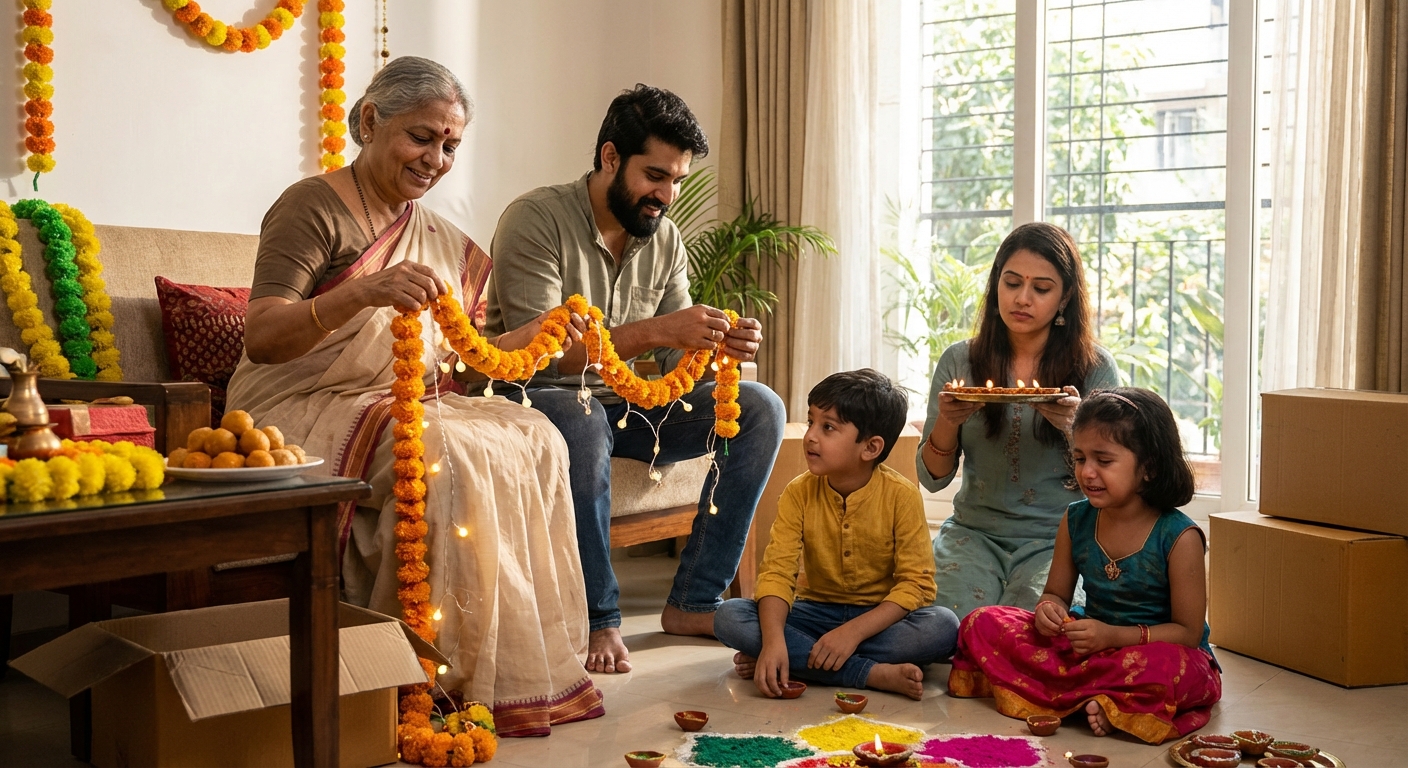
The festive season in India is unlike anywhere else in the world. From the dazzling lights of Diwali to the elaborate rituals of Durga Puja, from grand wedding celebrations to intimate family gatherings during Sankranti, our calendar is rich with occasions meant to bring joy, connection, and spiritual renewal. Yet, for many of my clients here in Hyderabad, these very celebrations become sources of significant stress, anxiety, and emotional exhaustion.
Over my fifteen years of clinical practice, I have observed a consistent pattern: the weeks leading up to major festivals see a notable increase in appointments. People come to me feeling overwhelmed, financially strained, emotionally depleted, and sometimes deeply conflicted about celebrations that are supposed to make them happy.
In this article, I want to share insights from my practice and offer practical strategies to help you navigate the festive season with greater ease, authenticity, and genuine enjoyment.
Understanding the Psychology of Holiday Stress
Holiday stress is not a sign of weakness or ingratitude. It is a natural response to a perfect storm of psychological pressures that converge during festive periods. Understanding these pressures is the first step toward managing them effectively.
The Expectation Gap: We carry idealized images of what festivals should look like, often shaped by childhood memories, media portrayals, and social media highlight reels. When reality falls short, disappointment follows. Priya, a 34-year-old IT professional I worked with, described it perfectly: "Every Diwali, I expect the warmth and magic I felt as a child at my grandmother's house. But now I am the one organizing everything, my kids are glued to their phones, and the magic feels forced."
Cognitive Overload: The mental load during festivals is immense, particularly for women who often bear the primary responsibility for planning, shopping, cooking, coordinating visits, and ensuring everyone else's happiness. This cognitive overload depletes our psychological resources, leaving us irritable and exhausted.
Social Performance Pressure: Festivals in India are inherently social. We are expected to visit relatives, host guests, attend pujas, and maintain appearances. Each interaction requires emotional labor, especially when relationships are complicated.
The Financial Weight of Festive Expectations
One of the most significant yet least discussed aspects of holiday stress is financial pressure. In my practice, I have seen this strain manifest in various ways, from mild anxiety to severe depression and relationship conflicts.
Raman, a 42-year-old bank manager, shared his experience: "Every wedding season, every Diwali, I feel like I am drowning. The gifts for relatives, the new clothes everyone expects, the sweets we must send to colleagues, the charity we must give to appear generous. Last year, I took a personal loan just to get through the festive season. This year, the EMI is still running, and the pressure is starting again."
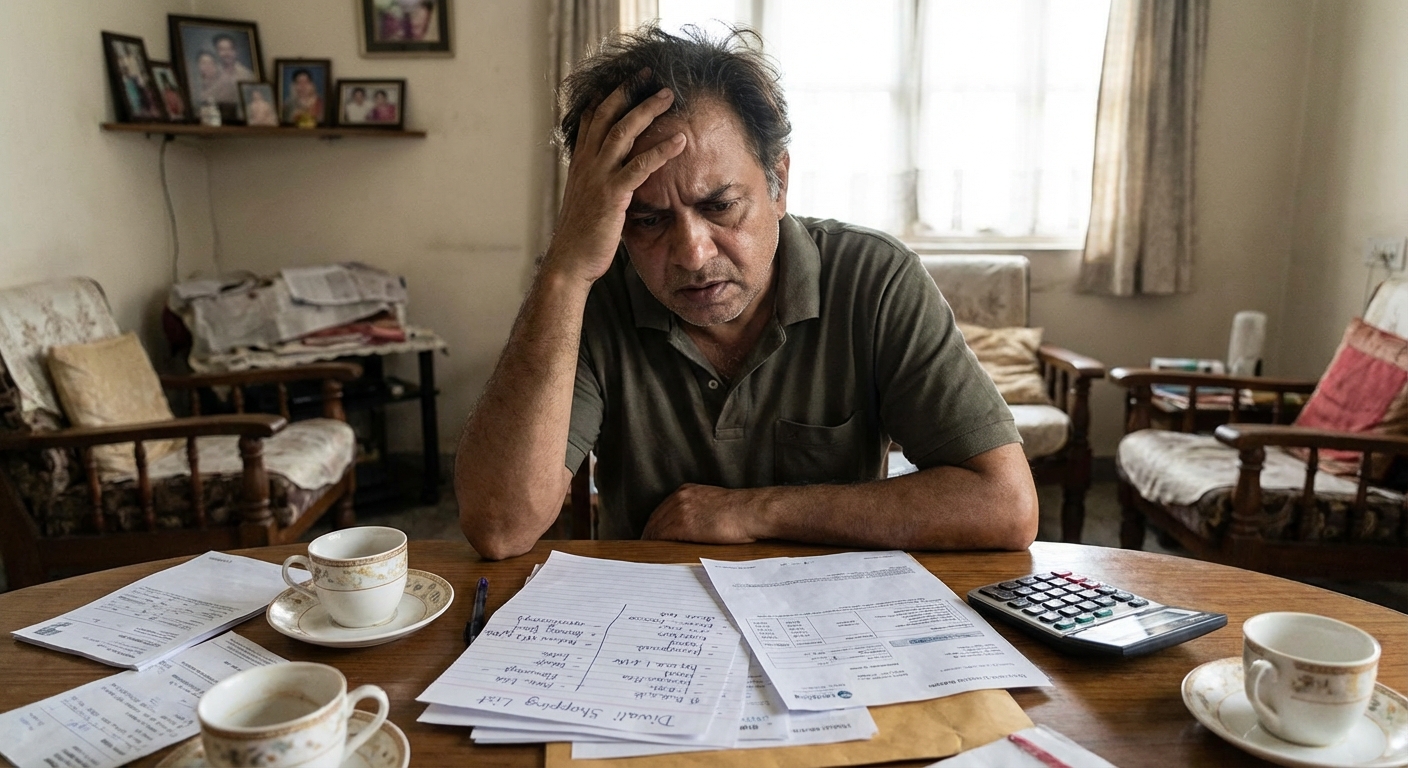
This financial strain is compounded by social comparison. We see neighbors' elaborate decorations, colleagues' expensive gifts, and relatives' lavish celebrations. The pressure to match or exceed these standards can push families into debt cycles that affect their wellbeing long after the festivals end.
Practical Strategy: Create a realistic festival budget before the season begins. Include all categories: gifts, decorations, clothing, food, travel, and charitable donations. Discuss this budget openly with your spouse and family. Remember that financial boundaries are not stinginess; they are wisdom. Consider meaningful alternatives to expensive gifts, such as handwritten letters, shared experiences, or homemade items.
Navigating Complex Family Dynamics
If there is one thing that makes holiday stress uniquely challenging, it is family dynamics. The expectation that we should feel nothing but love and harmony during family gatherings often collides painfully with the reality of complicated relationships.
Meena, a 38-year-old teacher, dreaded every festival gathering. "My mother-in-law criticizes everything from how I dress the children to how I cook the prasad. My brother-in-law's wife constantly compares our lifestyles. And I am expected to smile through it all because it is a festival, and we must keep everyone happy."
These dynamics are particularly challenging because our culture emphasizes family harmony and respect for elders. Speaking up or setting boundaries can feel like betrayal. Yet, silently absorbing criticism and conflict takes a serious toll on mental health.
Practical Strategies for Managing Difficult Relatives:
1. Prepare mentally: Before gatherings, acknowledge that difficult interactions may occur. This reduces the shock and helps you respond rather than react.
2. Create emotional buffers: Identify allies within the family who understand your situation. Having even one supportive person can make gatherings bearable.
3. Use the "gray rock" technique: For particularly toxic individuals, become emotionally uninteresting. Respond with neutral, minimal engagement without being rude.
4. Set time boundaries: You do not have to stay for the entire event. Plan your arrival and departure, and have a ready excuse if needed.
5. Debrief afterward: Process your feelings with a trusted friend, spouse, or therapist. Do not suppress the emotions that arise.
The Social Media Trap: Comparison and FOMO
The fear of missing out and the tendency to compare our celebrations with others has intensified dramatically with social media. During festivals, our feeds overflow with perfect family photos, elaborate decorations, expensive gifts, and exotic vacation announcements.
What we forget is that these are curated highlights, not complete pictures. Nobody posts about the argument that happened minutes before the smiling family photo, the credit card debt behind the lavish gifts, or the loneliness behind the perfect vacation.
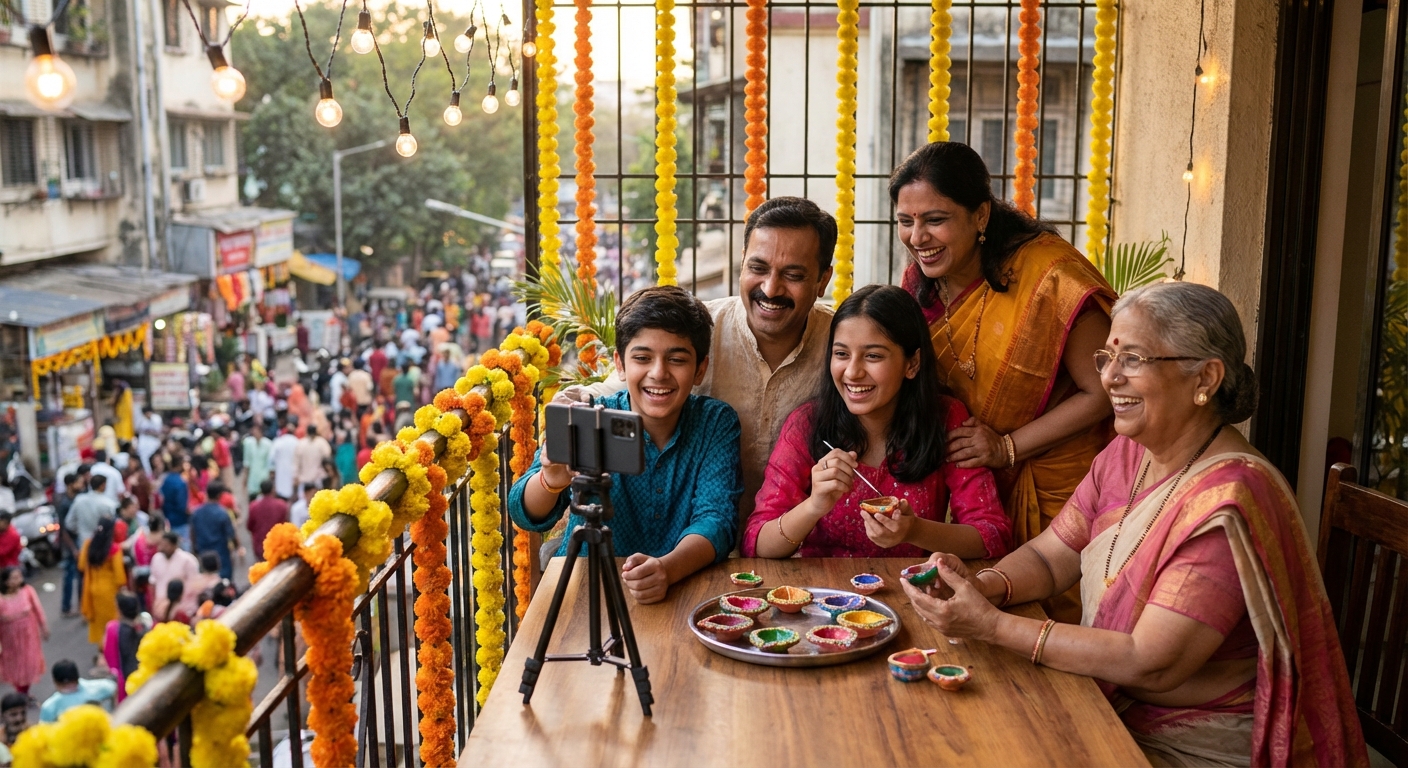
Vikram, a 28-year-old marketing professional, told me: "Last Diwali, I spent more time photographing our celebrations for Instagram than actually experiencing them. Then I spent the next week feeling inadequate looking at everyone else's posts. It is exhausting."
Practical Strategy: Consider a social media detox during festivals, or at least limit your scrolling time. When you do engage, remind yourself that you are seeing filtered highlights, not reality. Focus on being present in your own celebrations rather than documenting them for external validation.
Setting Realistic Expectations
One of the most powerful shifts you can make is adjusting your expectations for the holiday season. This does not mean lowering your standards or accepting less joy. It means aligning your expectations with reality and your own capacity.
Ask yourself:
- What do I actually enjoy about this festival?
- What traditions feel meaningful versus obligatory?
- What would "good enough" look like this year?
- What can I realistically accomplish given my time, energy, and resources?
Self-Care During Busy Seasons
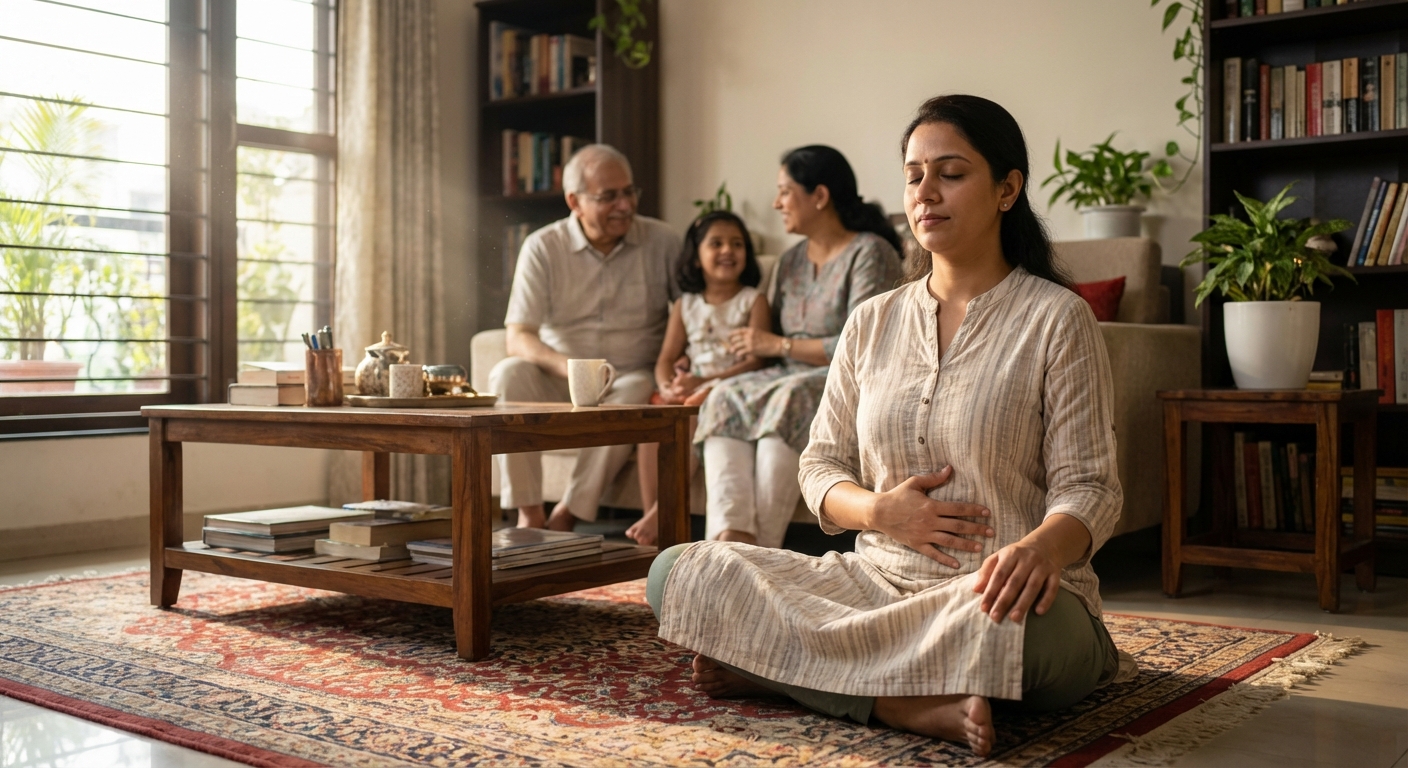
Self-care is not selfish; it is essential. During the festival season, when demands on your time and energy multiply, maintaining your wellbeing becomes even more critical.
Physical Self-Care:
- Protect your sleep, even if it means leaving gatherings earlier
- Stay hydrated and maintain some balance in eating, even amid festive foods
- Continue some form of physical movement, even if abbreviated
- Schedule brief alone time daily, even if just fifteen minutes
- Practice saying "no" to non-essential commitments
- Allow yourself to feel whatever you feel without judgment
- Prioritize connections that nourish you
- Limit time with people who drain you
- Communicate your needs to supportive family members

When Grief Visits During Celebrations
For those who have lost loved ones, festivals can be particularly painful. The empty chair at the table, the traditions that no longer feel the same, the grief that resurfaces amid others' joy, these experiences are profound and valid.
Lakshmi, a 52-year-old widow, described her first Diwali after her husband's passing: "Everyone expected me to be okay because it had been eight months. But lighting diyas without him felt impossible. His absence was everywhere in every ritual we used to do together."
If you are grieving:
- Give yourself permission to feel the grief without guilt
- Modify or skip traditions that feel too painful
- Create new rituals that honor your loved one
- Find at least one person who understands and can support you
- Consider how you want to handle questions about your loss
Creating Meaningful Traditions
Rather than mindlessly following traditions that drain you, consider creating or modifying traditions that align with your values and bring genuine joy.
Questions to guide you:
- What is the essence of what we are celebrating?
- Which traditions connect us versus divide us?
- What would we do if we started fresh?
- What do we want our children to remember about these celebrations?
Finding Your Way to Genuine Joy
The goal is not to eliminate all stress from the holiday season. That would be neither possible nor desirable. Some stress comes from caring about things that matter. The goal is to reduce unnecessary stress, manage unavoidable pressures effectively, and create space for genuine connection and joy.
Remember:
- Your worth is not measured by the perfection of your celebrations
- Setting boundaries is an act of self-respect, not selfishness
- "Good enough" can be truly wonderful
- Your mental health matters more than meeting every expectation
- Joy is found in presence, not perfection
Moving Forward
As we approach the festival season, I encourage you to pause and reflect on what you truly want from these celebrations. Release the pressure to perform, compete, or meet impossible standards. Give yourself permission to celebrate in ways that align with your wellbeing, values, and capacity.
If you find that holiday stress is significantly impacting your mental health, affecting your relationships, disrupting your sleep, or leading to anxiety or depression, please consider seeking professional support. There is no shame in needing help to navigate difficult periods.
At my practice in Hyderabad, I work with individuals and families to develop personalized strategies for managing stress, improving family dynamics, and building psychological resilience. Whether you are struggling with specific holiday pressures or broader mental health concerns, I am here to help you find your way to greater peace and wellbeing.
Wishing you a festive season filled with meaningful connections, manageable expectations, and genuine moments of joy.
---About the Author
Sudheer Sandra is a clinical psychologist based in Hyderabad with over fifteen years of experience helping individuals and families navigate life's challenges. His practice focuses on stress management, family therapy, anxiety, depression, and personal growth. Sudheer combines evidence-based therapeutic approaches with a deep understanding of Indian cultural contexts to provide compassionate, effective care. He is available for consultations at his Hyderabad clinic and offers online sessions for clients across India.
To schedule a consultation, please contact the clinic or visit the booking page on this website.