Developing Healthy Digital Habits: Protecting Your Mental Health in the Age of Smartphones

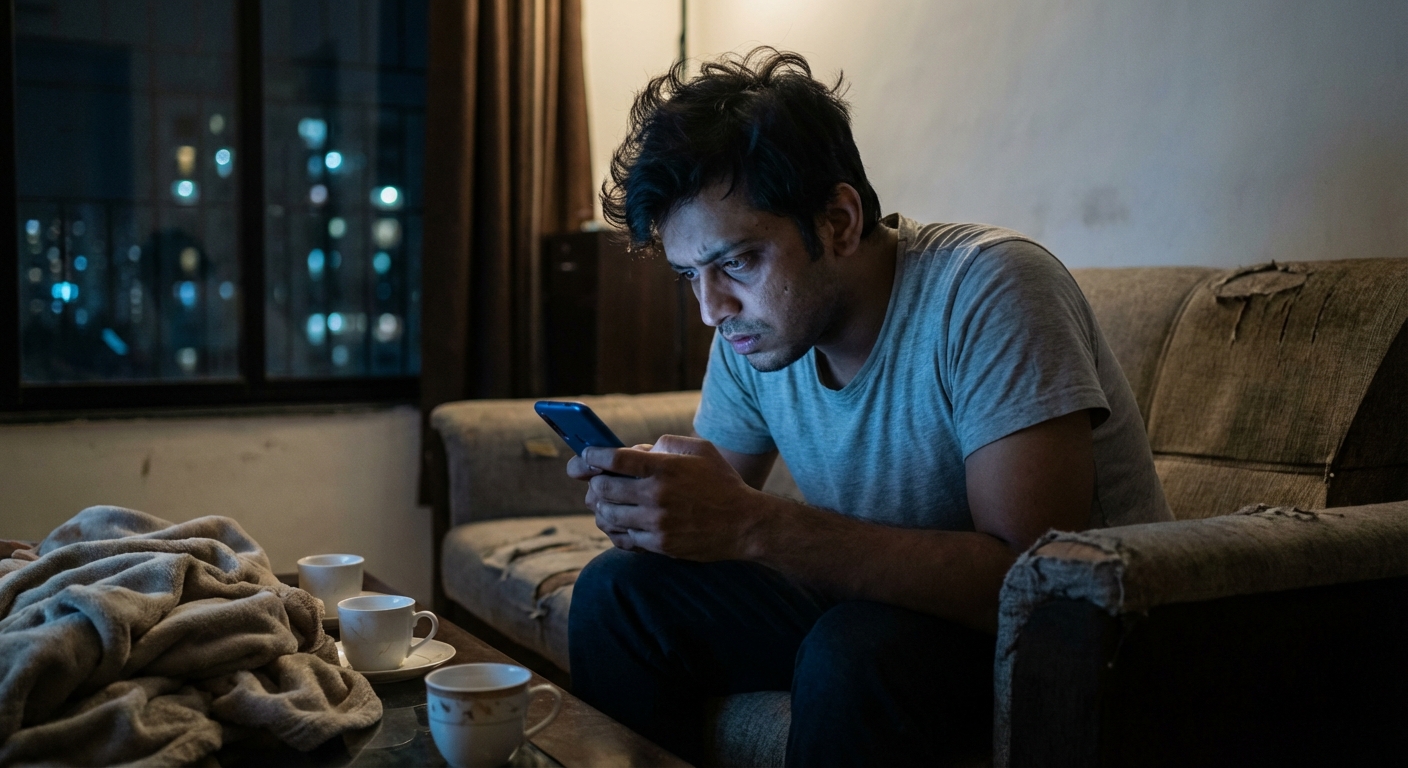
Last week, a young software professional walked into my Hyderabad practice looking exhausted. Priya (name changed), 28, worked at one of our city's many IT companies. She complained of poor sleep, constant anxiety, and an inability to focus. When I asked about her daily routine, she pulled out her phone to check something—and that simple, unconscious gesture told me everything I needed to know.
"I check my phone 150 times a day," she admitted, showing me her screen time statistics. "Even when I'm with my family for dinner, even when I'm trying to sleep. I know it's a problem, but I don't know how to stop."
Priya's story is not unique. In my 15 years of practice as a psychologist and career counselor, I have witnessed a profound shift in the mental health challenges people bring to my office. While relationship issues, career stress, and family dynamics remain constant themes, the role of digital technology—particularly smartphones—has emerged as a significant factor in almost every case I see today.
The Digital Dilemma: Understanding Our Complicated Relationship with Technology
Let me be clear from the outset: I am not here to demonize technology. Our smartphones connect us with loved ones across the globe, provide access to education and opportunity, and have genuinely improved many aspects of modern life. During the COVID-19 pandemic, digital tools helped many of my clients maintain their mental health through video consultations when in-person visits were impossible.
However, as the ancient Tamil saying goes, "Alavukku minjinaal amirthamum visham" (Even nectar becomes poison in excess). The same devices that connect us can also disconnect us from ourselves and those physically present in our lives.
Research from the American Psychological Association consistently shows correlations between heavy social media use and increased rates of anxiety, depression, and loneliness—particularly among young people. A 2023 study published in the Journal of Behavioral Addictions found that problematic smartphone use activates the same neural pathways associated with substance addictions.
In the Indian context, our relationship with digital technology carries unique cultural dimensions. The rapid adoption of affordable smartphones and cheap data plans has transformed how we communicate, work, and socialize. WhatsApp has become not just a messaging app but a cultural phenomenon—integral to family coordination, professional communication, and social obligations.
The WhatsApp Pressure Cooker
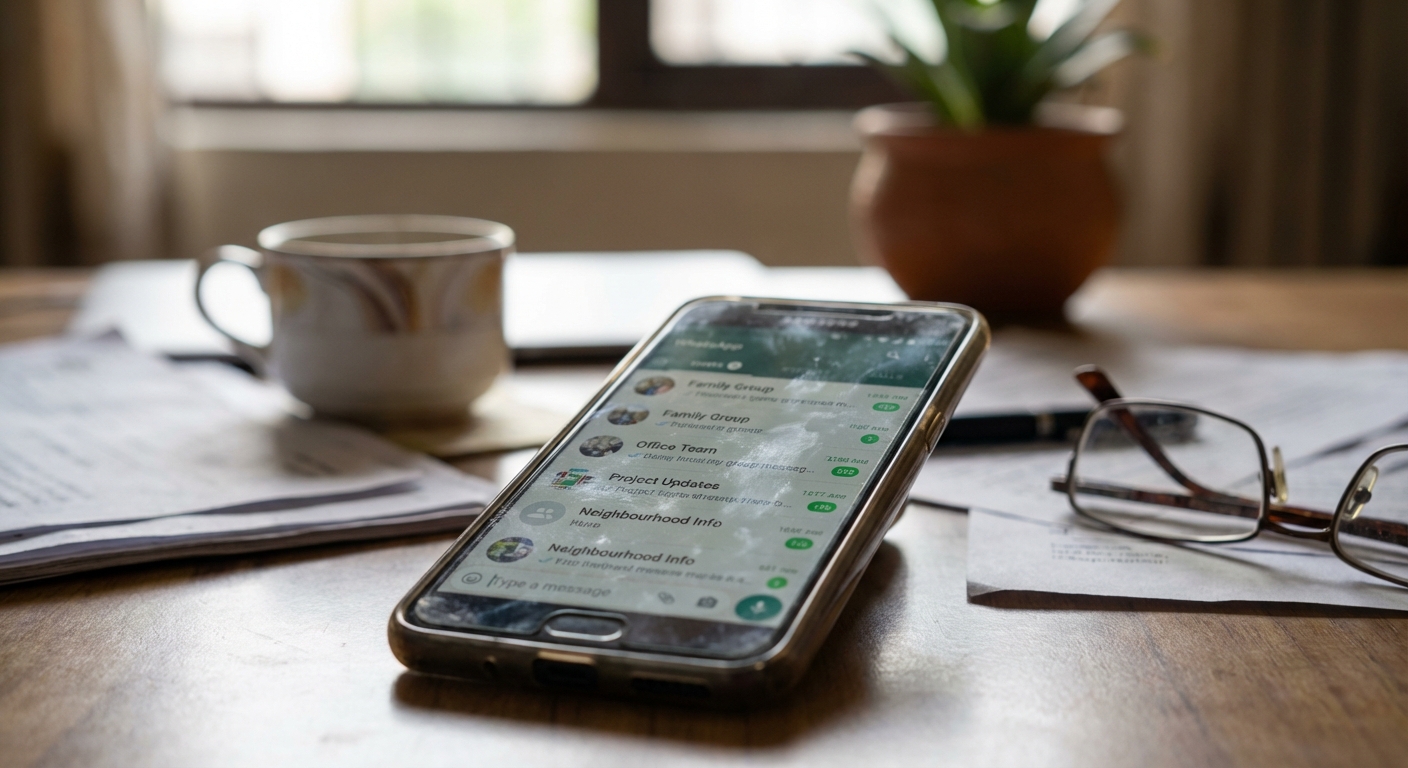
I often tell my clients that WhatsApp groups are like a joint family system that never sleeps. The constant notifications, the pressure to respond immediately, the family groups where every good morning message demands acknowledgment—these create a unique form of digital stress that my Western colleagues rarely discuss in their literature.
Rajesh (name changed), a 45-year-old bank manager, came to me struggling with what he called "notification anxiety." He was part of 47 WhatsApp groups—family, extended family, school alumni, colony residents, office colleagues, and various social circles. "I feel like I'm drowning," he told me. "If I don't respond to my mother-in-law's good morning message within an hour, she calls my wife to ask if I'm upset with her."
This constant connectivity creates what psychologists call "technostress"—the negative psychological impact of adapting to new technologies. In collectivist cultures like ours, where social harmony and family relationships are paramount, the pressure to be constantly available and responsive is amplified.
Recognizing the Signs: When Digital Use Becomes Problematic
Through my clinical experience, I have identified several warning signs that indicate a person's digital habits may be affecting their mental health:
Physical symptoms: Eye strain, headaches, neck pain (what we now call "tech neck"), disrupted sleep patterns, and fatigue.
Emotional symptoms: Anxiety when separated from your phone, irritability when interrupted while using devices, feelings of emptiness or depression after extended social media use.
Behavioral symptoms: Checking your phone first thing in the morning and last thing at night, neglecting responsibilities or relationships due to screen time, unsuccessful attempts to reduce usage.
Cognitive symptoms: Difficulty concentrating on tasks, decreased attention span, compulsive need to document and share experiences rather than simply living them.
If you recognize three or more of these symptoms in yourself, it may be time to reassess your digital habits.
Practical Strategies for Digital Wellbeing
Over the years, I have developed a framework I call "SMART Digital Living" that has helped many of my clients develop healthier relationships with their devices:
S - Set Boundaries with Intention
Create clear boundaries around your device use. This might include:
- Designating "phone-free" zones in your home (dining table, bedroom)
- Establishing "phone-free" times (first hour after waking, one hour before sleep)
- Using the "Do Not Disturb" feature during focused work or family time
M - Mindful Consumption
Not all screen time is equal. Passive scrolling through social media feeds has been shown to have more negative mental health impacts than active, purposeful use. Before picking up your phone, ask yourself: "What am I looking for? What need am I trying to meet?"
Practice the "STOP" technique before checking your phone:
- Stop what you're doing
- Take a breath
- Observe your impulse—what triggered it?
- Proceed with intention, not compulsion

A - Audit Your Digital Environment
Conduct a regular audit of your digital life:
- Unfollow accounts that trigger negative emotions
- Leave WhatsApp groups that add stress without value (yes, you have permission!)
- Turn off non-essential notifications
- Organize your home screen to reduce temptation—move social media apps to folders or secondary screens
R - Replace and Redirect
Nature abhors a vacuum. Simply removing digital habits without replacing them rarely works. Identify what needs your phone use is meeting—connection, entertainment, escape from boredom, stress relief—and find healthier alternatives.
If you scroll social media to relax, try replacing 15 minutes of scrolling with a short walk, a cup of chai enjoyed mindfully, or a conversation with a family member. If you use your phone to avoid uncomfortable emotions, this is important information to explore—perhaps with a mental health professional.
T - Technology-Assisted Solutions
Paradoxically, technology itself can help us manage our technology use. I recommend:
- Using built-in screen time monitoring tools (available on both Android and iPhone)
- Apps like "Forest" that gamify focused time
- Setting app timers for social media platforms
- Grayscale mode on your phone to reduce its visual appeal
The Role of Family and Community
In our Indian context, digital wellbeing is not just an individual concern—it is a family matter. I often conduct family sessions where we establish collective digital norms. When parents model healthy digital habits, children learn to do the same.
Some families I work with have implemented beautiful traditions: Sunday afternoons as "digital detox" time, where the entire family engages in offline activities together. One family started a practice of keeping all phones in a basket during dinner—the first person to reach for their phone has to do the dishes!

When to Seek Professional Help
While these strategies help many people, some individuals develop what clinicians now recognize as "Internet Addiction Disorder" or "Problematic Smartphone Use"—conditions that may require professional intervention.
You should consider seeking help if:
- You have repeatedly tried and failed to reduce your usage
- Your digital habits are significantly impacting your work, relationships, or health
- You experience severe anxiety or depression related to your online or offline life
- You use digital devices to escape from problems or relieve feelings of helplessness
A Balanced Path Forward
As I told Priya during our sessions, the goal is not to eliminate technology from our lives—that would be neither practical nor desirable in today's world. The goal is to become the master of our devices rather than their servant.
After three months of working together, Priya reported sleeping better, feeling more present with her family, and—perhaps most importantly—experiencing a sense of control over her life that she had not felt in years. Her screen time had reduced from over six hours daily to under two, and that time was now intentional rather than compulsive.
"I used to feel like I was missing out if I wasn't constantly checking my phone," she told me in our final session. "Now I realize I was missing out on my actual life while staring at a screen."

Taking the First Step
Change begins with awareness. I encourage you to start by simply observing your digital habits this week without judgment. Notice when you reach for your phone. Notice how you feel before, during, and after using it. This awareness is the foundation upon which healthier habits can be built.
If you find yourself struggling to make changes on your own, or if you recognize that your digital habits may be masking deeper emotional issues, please know that help is available. As a psychologist, I have seen remarkable transformations when people commit to understanding and changing their relationship with technology.
If you are in Hyderabad and would like to explore these issues further, I invite you to schedule a consultation at my practice. Together, we can develop a personalized approach to digital wellbeing that honors your unique circumstances, cultural context, and life goals.
Remember: Your attention is precious. Your time is limited. Your mental health matters. Choose wisely where you invest these invaluable resources.
---Sudheer Sandra is a licensed psychologist and career counselor based in Hyderabad, India, with over 15 years of clinical experience. He specializes in anxiety, depression, career transitions, and increasingly, digital wellness and technology-related mental health concerns. He is passionate about making mental health support accessible and culturally relevant for Indian clients.