Healing from Childhood Trauma: A Path to Recovery


The experiences we have in childhood shape the architecture of our minds. When those experiences include trauma—whether it is neglect, abuse, loss, or witnessing violence—the impact can reverberate through decades of our lives. Yet, one of the most profound truths I have witnessed in my fifteen years of clinical practice is this: healing is not only possible, it is achievable.
If you are reading this article, perhaps you are beginning to recognize how your past has shaped your present. Perhaps you are tired of feeling stuck, anxious, or disconnected. Or maybe you are simply curious about understanding yourself better. Whatever brought you here, I want you to know that taking this step requires courage, and that courage itself is the first step on the path to recovery.
Understanding Childhood Trauma
Childhood trauma is not limited to obvious forms of abuse. It encompasses any experience that overwhelms a child's capacity to cope and leaves lasting effects on their development. This can include:
- Physical, emotional, or sexual abuse
- Neglect or abandonment
- Witnessing domestic violence
- Loss of a parent or caregiver
- Living with a family member who struggles with mental illness or addiction
- Chronic illness or medical trauma
- Bullying or social rejection
- Natural disasters or accidents
The Impact on Mind and Body
Research in neuroscience has shown us that trauma literally changes the brain. The amygdala, our brain's alarm system, becomes hyperactive. The prefrontal cortex, responsible for rational thinking and emotional regulation, may be underdeveloped. The body holds trauma in its tissues, leading to chronic tension, health problems, and a nervous system that struggles to find rest.
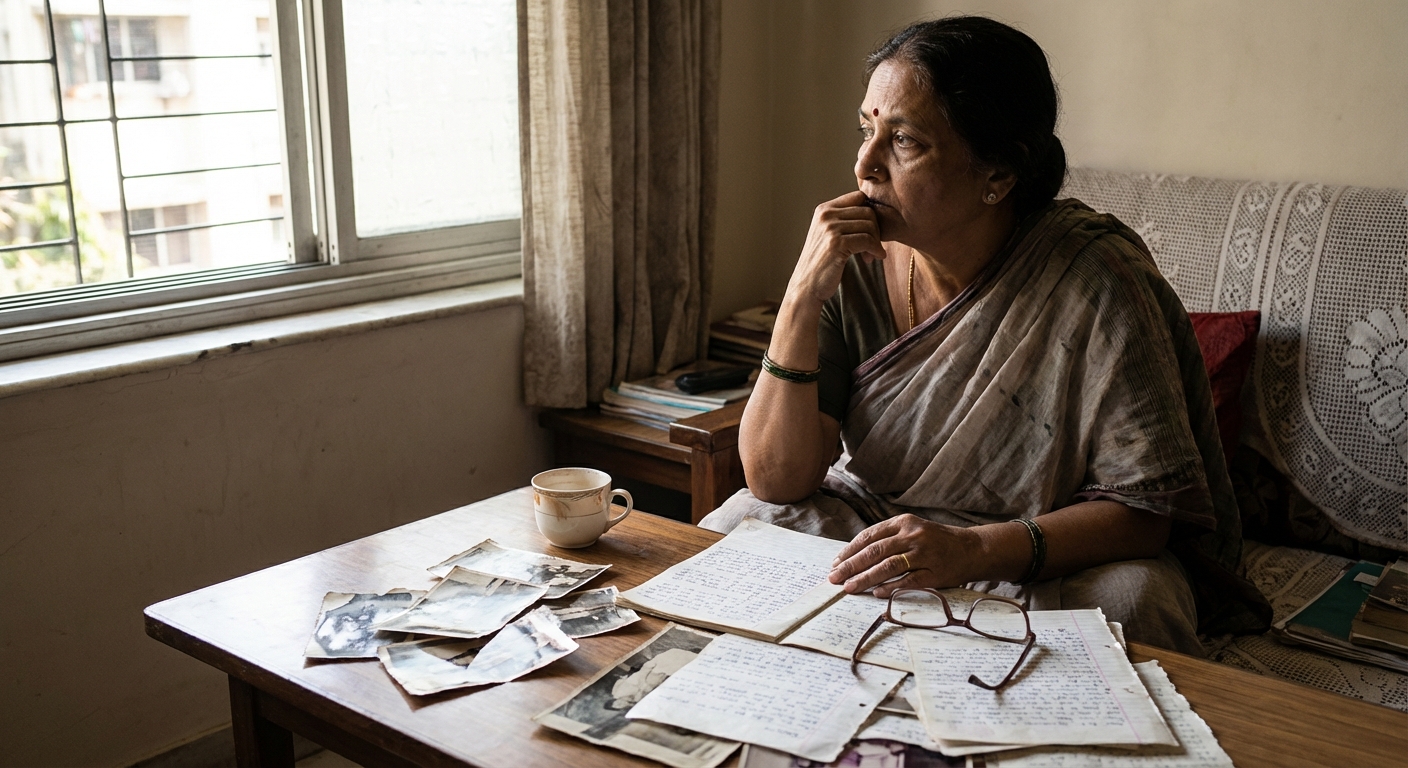
I remember working with Priya (name changed), a 34-year-old software professional from Secunderabad who came to me with severe anxiety and relationship difficulties. She had no conscious memory of anything "traumatic" happening to her. Yet through our work together, she began to recognize patterns: her father's emotional unavailability, her mother's chronic anxiety, the pressure to be perfect, the absence of emotional validation. These were not dramatic events, but they were wounding nonetheless. Her body had been carrying the weight of unmet childhood needs for three decades.
Signs That Childhood Trauma May Be Affecting You
Many people do not realize that their current struggles are connected to their past. Some common signs include:
- Difficulty trusting others or forming secure attachments
- Chronic anxiety, depression, or emotional numbness
- Low self-esteem or persistent feelings of shame
- Difficulty regulating emotions—either feeling too much or too little
- Patterns of unhealthy relationships—attracting unavailable partners or pushing away those who care
- Physical symptoms without clear medical cause
- Hypervigilance—always scanning for danger
- Difficulty setting boundaries or saying no
- Self-sabotaging behaviors when things start going well
- Substance use or other addictive patterns to cope with difficult feelings
The Journey of Healing: Evidence-Based Approaches
Healing from childhood trauma is not a linear process. It involves cycles of progress and setbacks, moments of breakthrough and periods of plateau. But with the right support and strategies, transformation is possible. Here are some evidence-based approaches that I have seen help countless individuals in my practice:
1. Trauma-Informed Therapy
Working with a trained therapist who understands trauma is often the cornerstone of healing. Several therapeutic approaches have strong evidence for treating childhood trauma:
EMDR (Eye Movement Desensitization and Reprocessing): This approach helps the brain reprocess traumatic memories, reducing their emotional charge. I have witnessed remarkable transformations through EMDR, including with Rajesh (name changed), a 42-year-old businessman who had carried the weight of childhood physical abuse for decades. After several months of EMDR therapy, he described feeling like a "different person"—still himself, but free from the constant burden of his past.
Trauma-Focused Cognitive Behavioral Therapy (TF-CBT): This structured approach helps individuals identify and change unhelpful thought patterns related to their trauma while developing healthy coping skills.
Somatic Experiencing: Because trauma lives in the body, this approach focuses on releasing stored physical tension and helping the nervous system return to balance.
Internal Family Systems (IFS): This gentle approach helps individuals understand and heal the different "parts" of themselves that developed in response to trauma.

2. Building a Foundation of Safety
Before deep trauma work can begin, your nervous system needs to know it is safe. This involves:
- Creating physical safety in your living environment
- Establishing routines that provide predictability
- Learning to recognize and respond to your body's signals
- Developing grounding techniques for moments of overwhelm
- Building a support network of trustworthy people
3. Developing Self-Compassion
Many trauma survivors carry harsh inner critics—voices that echo the criticism, neglect, or abuse they experienced. Learning to treat yourself with the kindness you would offer a dear friend is transformative.
Meera (name changed), a 28-year-old teacher from Hyderabad, had internalized her mother's constant criticism. She was her own worst enemy, berating herself for every small mistake. Through our work together, she learned to notice the critical voice, thank it for trying to protect her, and consciously choose a kinder response. "Would I say this to my best friend?" became her guiding question.
Research by Dr. Kristin Neff and others has shown that self-compassion is associated with reduced anxiety and depression, greater emotional resilience, and improved relationships. It is not self-indulgence—it is a practice that creates the internal safety necessary for healing.
4. Processing and Integrating Traumatic Memories
Healing requires that we eventually turn toward our pain, not away from it. This does not mean dwelling in suffering, but rather processing memories in a safe, supported way so they no longer control us.
This might involve:
- Talking about what happened with a therapist or trusted person
- Writing about your experiences in a journal
- Creating art, music, or other creative expressions of your inner world
- Body-based practices that help release stored trauma

5. Rebuilding Healthy Relationships
Trauma often occurs within relationships, and healing often happens within them too. Learning to form secure attachments as an adult can rewire the patterns established in childhood.
This involves:
- Learning to identify safe people and red flags
- Practicing vulnerability in small, incremental steps
- Communicating needs and boundaries clearly
- Allowing yourself to receive care without suspicion
- Working through relationship patterns in therapy
6. Caring for Your Physical Body
The body and mind are not separate. Caring for your physical health supports emotional healing:
- Regular exercise helps regulate the nervous system
- Adequate sleep is essential for emotional processing
- Nutritious food supports brain function and mood
- Reducing substances that dysregulate the nervous system
- Practices like yoga that integrate body and mind
What to Expect on Your Healing Journey
Healing is not a straight line. You may have periods of rapid progress followed by times when old patterns resurface. This is normal and does not mean you are failing or moving backward.
Some things to keep in mind:
- Healing takes time. There are no quick fixes for childhood trauma. Be patient with yourself.
- It may get harder before it gets easier. As you become more aware, you may feel more pain initially. This is part of the process.
- You do not have to do this alone. Seeking help is a sign of strength, not weakness.
- Small steps matter. Every moment of self-compassion, every healthy boundary, every time you choose differently—these add up.
- You are more than your trauma. Your experiences shaped you, but they do not define you.

A Message of Hope
In my fifteen years of working with individuals who have experienced childhood trauma, I have seen remarkable transformations. I have watched people move from survival to thriving, from isolation to connection, from shame to self-acceptance. The human capacity for healing never ceases to inspire me.
Your past has shaped you, but it does not have to imprison you. With courage, support, and evidence-based treatment, you can write a new chapter in your story. You can develop the secure relationships you never had as a child. You can learn to trust yourself and others. You can find peace in your own body and mind.
If you are struggling with the effects of childhood trauma, I encourage you to reach out for professional support. You deserve to heal, and you do not have to walk this path alone.
---About the Author: Sudheer Sandra is a licensed psychologist and career counselor based in Hyderabad, India, with over 15 years of clinical experience. He specializes in anxiety, depression, relationship issues, and career counseling. His approach integrates evidence-based techniques with warmth and cultural sensitivity.
Ready to Begin Your Healing Journey? If you resonate with what you have read and would like support in working through childhood trauma or other mental health concerns, I invite you to schedule a consultation at my Hyderabad practice. Together, we can explore your unique situation and develop a personalized path toward healing and wholeness. Your journey toward recovery can begin today.
Contact my practice to book an appointment and take the first step toward the life you deserve.