Handling Rejection and Failure: Building Resilience After Setbacks


Last month, a young man named Arjun (name changed) walked into my Hyderabad practice with slumped shoulders and eyes that had lost their spark. He had just received his fourth job rejection in two months after graduating from a reputed engineering college. "Sir," he said, his voice barely a whisper, "I feel like I am worthless. Maybe I am just not good enough."
In my fifteen years of practice as a psychologist and career counselor, I have heard variations of these words hundreds of times. From students who did not crack competitive exams to professionals passed over for promotions, from individuals facing marriage rejections to entrepreneurs whose businesses failed—the pain of rejection is universal, yet deeply personal.
Today, I want to share with you what I have learned about rejection, failure, and most importantly, the remarkable human capacity to bounce back.
Why Rejection Hurts So Deeply
Before we talk about healing, let us first understand why rejection feels like a physical wound. There is fascinating research from the University of Michigan that shows our brains process rejection in the same areas that process physical pain. When Arjun said he felt "broken," he was not being dramatic—his brain was genuinely experiencing something akin to physical injury.
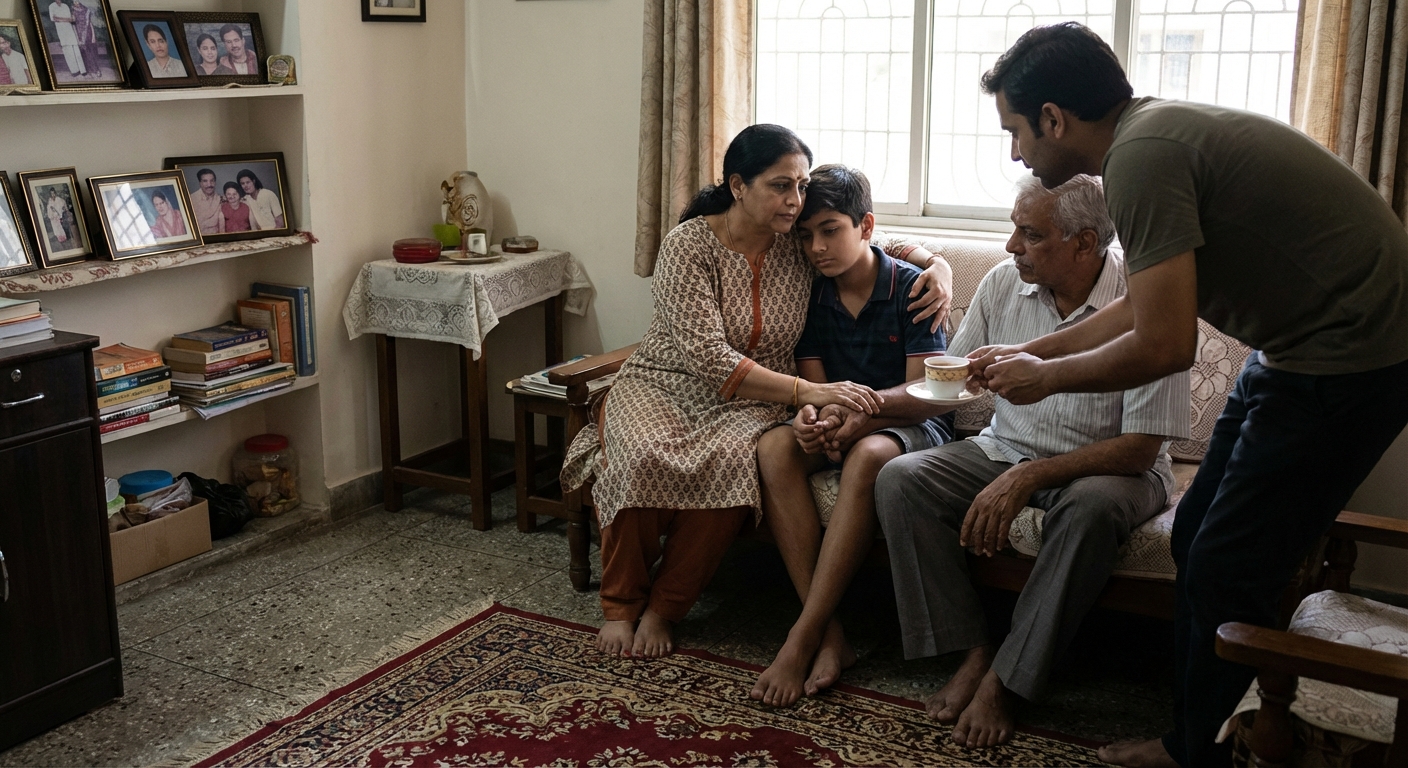
In our Indian context, rejection often carries additional weight. We grow up in a culture where family honor, community expectations, and social standing are deeply intertwined with individual success. When a child fails an exam, it is not just their failure—it becomes the family's failure. When a marriage proposal is rejected, it affects not just the individual but the entire household's sense of worth.
I remember counseling Meera (name changed), a 28-year-old software professional whose marriage had been called off just weeks before the wedding. "The worst part," she told me, "is not my own pain. It is seeing my parents unable to face our relatives." This layered experience of rejection—personal plus familial plus social—is something I see regularly in my practice, and it requires a nuanced approach to healing.
The Three Stages of Processing Rejection
Through my years of practice, I have observed that healthy processing of rejection typically moves through three stages:
Stage 1: Acknowledgment (Not Denial)
The first instinct many of us have when facing rejection is to minimize it. "It does not matter," we tell ourselves, or "I did not want it anyway." While this might provide temporary relief, suppressing our genuine emotions only delays healing.
I encourage my clients to sit with their disappointment. Cry if you need to. Talk to someone you trust. Write in a journal. The research of Dr. James Pennebaker at the University of Texas has shown that expressive writing about emotional experiences can significantly improve both mental and physical health.
When Arjun came to me, I did not immediately jump into strategies for his next interview. Instead, we spent our first two sessions simply talking about what those rejections meant to him, what fears they triggered, and what beliefs about himself they had activated.
Stage 2: Reframing (Finding Meaning)
Once the initial pain has been acknowledged, we can begin the work of reframing. This is not about toxic positivity or pretending that rejection is a "blessing in disguise." It is about finding genuine meaning and learning in the experience.
Dr. Martin Seligman, the father of positive psychology, identified what he calls "explanatory styles"—the ways we explain negative events to ourselves. People who are resilient tend to see setbacks as:
- Temporary rather than permanent ("This is a difficult phase" versus "My life is ruined")
- Specific rather than universal ("This particular interview did not go well" versus "I am terrible at everything")
- External rather than entirely internal ("There were many qualified candidates" versus "I am fundamentally flawed")
Stage 3: Action (Moving Forward with Purpose)
The final stage is channeling your processed emotions into constructive action. This is where my role as a career counselor often intersects with my psychology practice. For Arjun, this meant analyzing his interview performances, identifying skill gaps, and creating a structured improvement plan.
Practical Strategies for Building Resilience
Let me share some concrete strategies that I have seen work repeatedly in my practice:
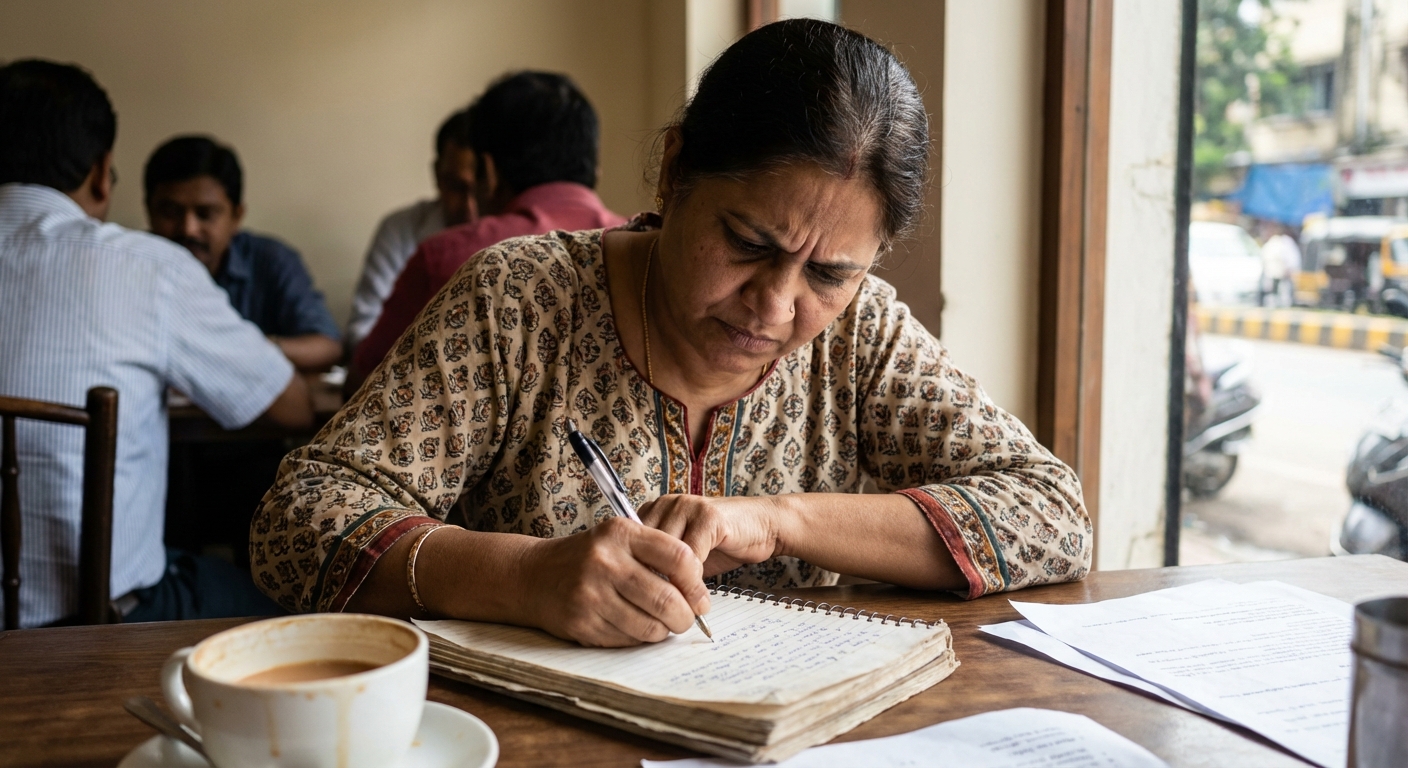
1. Build Your "Failure Resume"
This idea, popularized by Princeton professor Johannes Haushofer, involves keeping a record of your rejections, failures, and setbacks. It might sound counterintuitive, but this practice normalizes failure and helps you see that setbacks are a natural part of any journey toward success.
I have my own failure resume. It includes the PhD program that rejected me, the book proposal that was turned down, the speaking opportunities I did not get. Looking at it reminds me that my current success was built on a foundation of many failures.
2. Develop a "Rejection Recovery Ritual"
Create a personal ritual for processing rejection. This might include:
- Taking a walk in a park (Hyderabad has beautiful ones—I personally find KBR Park therapeutic)
- Calling a specific friend who knows how to listen without judgment
- Engaging in a physical activity that helps release stress
- Cooking a favorite meal or visiting a restaurant you love
3. Practice Self-Compassion
Dr. Kristin Neff's research on self-compassion has shown that treating ourselves with the same kindness we would offer a good friend is crucial for resilience. Many of my clients are far harsher critics of themselves than they would ever be of others.
I often ask my clients: "If your best friend came to you with this same rejection, what would you say to them?" The answer is usually compassionate and balanced. Then I ask: "Why do you deserve any less kindness from yourself?"
4. Maintain Connection
Rejection often triggers the urge to withdraw and isolate. Fight this instinct. Research consistently shows that social support is one of the strongest predictors of resilience. In our Indian culture, we are fortunate to have strong family and community structures—lean on them.
Arjun initially wanted to hide his job rejections from his family. But when he finally opened up to his father, he discovered that his father had faced similar struggles early in his career. This shared vulnerability became a source of connection and support.

5. Focus on Growth, Not Just Outcomes
Psychologist Carol Dweck's research on "growth mindset" versus "fixed mindset" is particularly relevant here. When we focus solely on outcomes (getting the job, passing the exam, securing the marriage proposal), we set ourselves up for a binary experience—success or failure.
But when we focus on growth (what am I learning? how am I improving? what skills am I developing?), every experience becomes valuable. Even rejection becomes data that helps us grow.
A Note on Professional Help
Sometimes, rejection triggers or worsens underlying mental health conditions like depression or anxiety. If you find yourself unable to function normally for extended periods, experiencing persistent hopelessness, or having thoughts of self-harm, please seek professional help immediately.
There is no shame in needing support. In fact, recognizing when you need help and seeking it is itself an act of strength and self-compassion.
The Beauty of Resilience

I want to close with an update on Arjun. After three months of working together—processing his emotions, rebuilding his confidence, improving his interview skills, and expanding his job search strategy—he received two job offers in the same week. He chose the one that aligned better with his long-term goals.
But here is what moved me most. When I congratulated him, he said, "Sir, I am grateful for the job. But I am more grateful for learning that rejection is not the end of the road. It is just a bend."
That is the truth I hope you take away from this article. Rejection hurts. Failure stings. But you are not defined by the times life said "no" to you. You are defined by how you respond, what you learn, and the person you become through the process.
The lotus blooms most beautifully from the muddiest waters. Your setback today might be the foundation of your greatest growth tomorrow.
---Take the Next Step
If you are struggling with rejection, failure, or any setback that feels overwhelming, know that you do not have to face it alone. I offer individual counseling and career guidance sessions at my practice in Hyderabad, as well as online consultations for those who cannot visit in person.
Sometimes, having a trained professional to guide you through the process of healing and rebuilding can make all the difference. I would be honored to support you on your journey toward resilience.
To schedule a consultation, please reach out through the contact form on this website or call my practice directly. Let us work together to help you move from setback to comeback.
---About the Author
Sudheer Sandra is a licensed psychologist and career counselor based in Hyderabad, India, with over 15 years of experience helping individuals navigate life's challenges. His practice specializes in career counseling, personal development, and mental wellness. Sudheer combines evidence-based psychological approaches with a deep understanding of Indian cultural contexts to provide compassionate, effective guidance to his clients. He is passionate about reducing mental health stigma and making psychological support accessible to all. When not in his practice, Sudheer enjoys reading, mentoring young professionals, and spending time with his family.