Living with Generalized Anxiety Disorder: Strategies for Daily Life


Worry is a natural part of human existence. We all experience moments of concern about our health, finances, relationships, or future. However, when worry becomes persistent, excessive, and difficult to control, it may signal something more significant: Generalized Anxiety Disorder (GAD). As a psychologist practicing in Hyderabad for over fifteen years, I have worked with countless individuals who struggle with this challenging condition. In this article, I want to share insights about GAD and practical strategies that can help you navigate daily life with greater ease.
Understanding Generalized Anxiety Disorder
Generalized Anxiety Disorder is characterized by persistent and excessive worry about various aspects of life, including work, health, family, money, or everyday matters. Unlike situational anxiety that subsides once a stressor passes, GAD creates a constant undercurrent of apprehension that can feel overwhelming.
I remember when Priya, a 34-year-old software engineer from Jubilee Hills, first came to my practice. She described her mind as a "worry machine that never stops." Whether it was concerns about her children's education, her husband's business, her own health, or even minor household matters, her mind would spiral into worst-case scenarios. She had been living with these feelings for years, believing it was simply her personality. It was only when the anxiety began affecting her sleep, concentration, and physical health that she sought help.
Common Symptoms of GAD
Recognizing GAD is the first step toward managing it. The symptoms typically include:
Psychological Symptoms:
- Persistent worry that feels difficult to control
- Restlessness or feeling "on edge"
- Difficulty concentrating or mind going blank
- Irritability
- Fear of making wrong decisions
- Overthinking and dwelling on problems
- Muscle tension, particularly in the neck and shoulders
- Sleep disturbances (difficulty falling or staying asleep)
- Fatigue and exhaustion
- Headaches
- Digestive issues such as nausea or stomach upset
- Trembling or feeling shaky
- Excessive sweating

What Causes Generalized Anxiety Disorder?
GAD typically develops from a combination of factors rather than a single cause:
Biological Factors: Research suggests that neurotransmitter imbalances, particularly involving serotonin and norepinephrine, play a role in anxiety disorders. Genetic predisposition also matters; individuals with family members who have anxiety disorders are more likely to develop GAD.
Psychological Factors: Certain thinking patterns, such as catastrophizing (expecting the worst), intolerance of uncertainty, and perfectionism, can contribute to chronic worry. Past experiences, including childhood adversity or trauma, may also increase vulnerability.
Environmental Factors: Prolonged stress from work pressure, financial difficulties, relationship problems, or major life changes can trigger or exacerbate GAD. In our rapidly changing Indian society, where professional competition is intense and family expectations run high, these stressors are increasingly common.
Temperament: Some individuals are naturally more sensitive to stress or have a tendency toward negative thinking, which may predispose them to anxiety disorders.
Understanding that GAD has multiple causes can be liberating. It helps us move away from self-blame and toward a more compassionate approach to healing.
Daily Management Strategies for GAD
Living with GAD requires developing a toolkit of strategies that can be applied in daily life. Here are evidence-based approaches that I have seen help many of my clients:
1. Establish a Worry Period
One effective technique is to designate a specific "worry time" each day, perhaps 20-30 minutes in the early evening. During this period, you allow yourself to worry freely. Outside this time, when worries arise, you gently remind yourself to postpone them until the designated period. Many find that by the time their worry period arrives, the concerns have lost their urgency.
Meera, a 28-year-old teacher from Kukatpally, found this technique transformative. "Earlier, worry would ambush me throughout the day," she shared. "Now, I feel more in control. When anxious thoughts appear during my work, I tell myself, 'I will think about this at 6 PM.' Surprisingly, most worries feel much smaller by then."
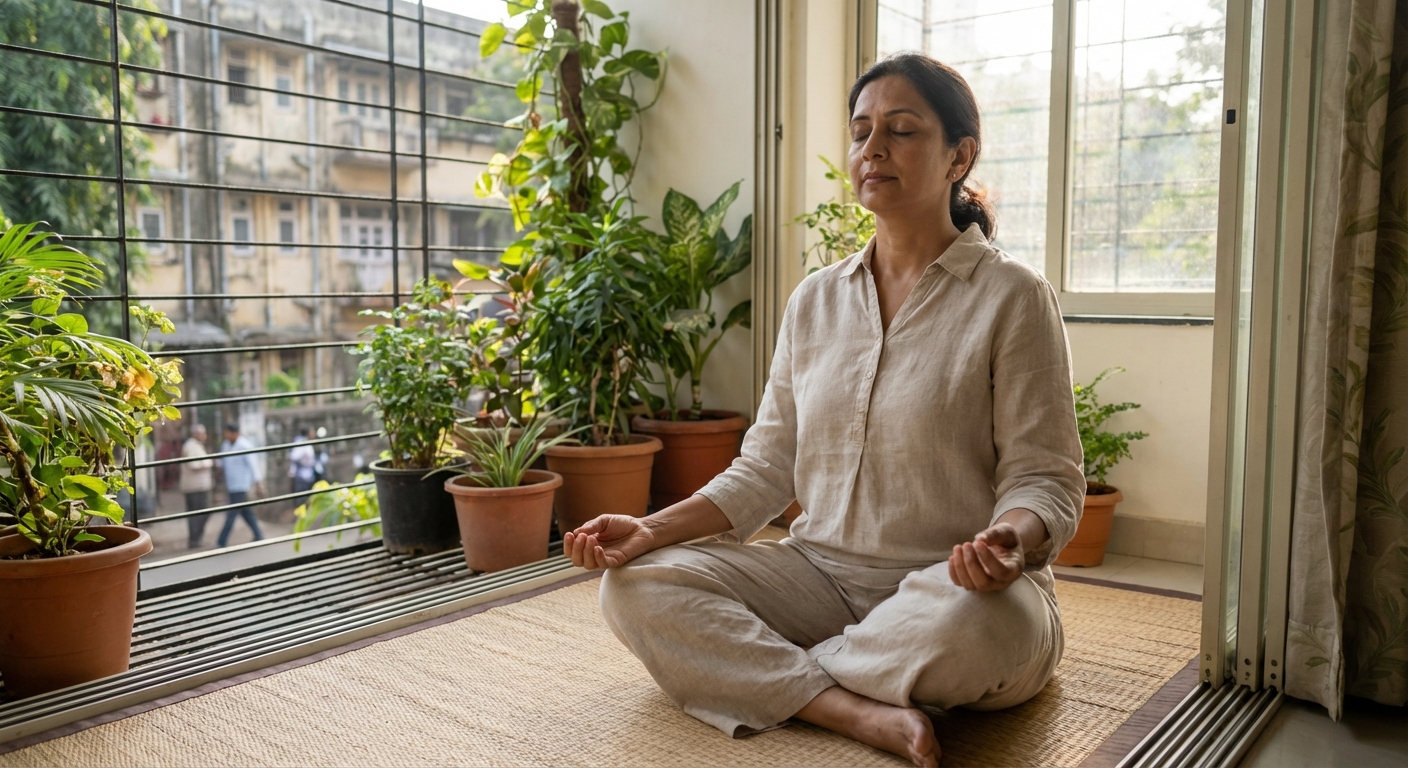
2. Practice Deep Breathing and Progressive Muscle Relaxation
When anxiety activates our fight-or-flight response, our breathing becomes shallow and muscles tense. Deliberately reversing these physical responses can calm the nervous system.
Deep Breathing Exercise:
- Inhale slowly through your nose for 4 counts
- Hold for 4 counts
- Exhale through your mouth for 6 counts
- Repeat 5-10 times
3. Challenge Anxious Thoughts
Cognitive restructuring involves identifying and questioning unhelpful thought patterns. When you notice anxious thoughts, ask yourself:
- What evidence supports this worry?
- What evidence contradicts it?
- Am I catastrophizing or jumping to conclusions?
- What would I tell a friend who had this worry?
- What is the most realistic outcome?
4. Limit Avoidance Behaviors
Anxiety often drives us to avoid situations, decisions, or activities that trigger discomfort. While avoidance provides temporary relief, it reinforces anxiety in the long term. Gradually facing feared situations, with appropriate support, builds confidence and reduces anxiety over time.
5. Maintain Physical Health
The connection between physical and mental health is profound. Regular exercise releases endorphins and reduces cortisol, the stress hormone. Aim for at least 30 minutes of moderate activity most days, whether it is brisk walking, yoga, swimming, or cycling.
Additionally, limit caffeine and alcohol, both of which can worsen anxiety symptoms. Prioritize sleep by maintaining consistent sleep and wake times, creating a restful environment, and avoiding screens before bed.

6. Build a Support Network
Isolation often accompanies anxiety. Connecting with understanding friends, family members, or support groups can provide comfort and perspective. Sharing your struggles with trusted individuals reduces shame and reminds you that you are not alone.
7. Practice Mindfulness
Mindfulness involves paying attention to the present moment without judgment. For those with GAD, who often live mentally in feared futures, mindfulness anchors attention to the here and now. Even five minutes of daily mindfulness practice can create meaningful change over time.
Simple practices include mindful breathing, mindful walking, or using apps designed for meditation and mindfulness. Many of my clients in Hyderabad have found morning mindfulness sessions particularly helpful in setting a calmer tone for the day.
Professional Treatment Options
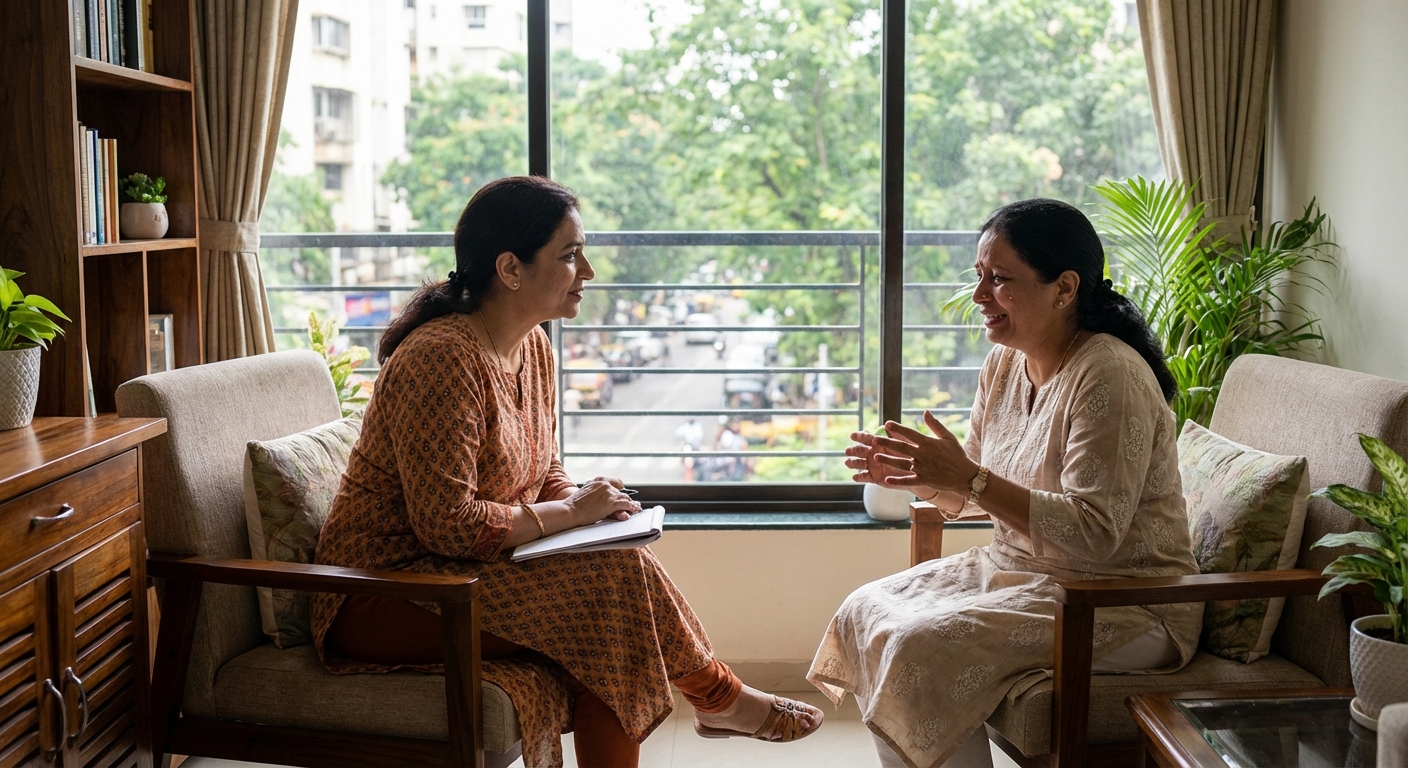
While self-help strategies are valuable, professional treatment significantly improves outcomes for individuals with GAD. The most effective approaches include:
Cognitive Behavioral Therapy (CBT): This evidence-based approach helps identify and change unhelpful thought patterns and behaviors. CBT is considered the gold standard treatment for GAD and typically involves 12-20 sessions.
Acceptance and Commitment Therapy (ACT): ACT focuses on accepting anxious thoughts and feelings rather than fighting them, while committing to actions aligned with personal values.
Medication: For moderate to severe GAD, medication may be recommended alongside therapy. Selective serotonin reuptake inhibitors (SSRIs) and serotonin-norepinephrine reuptake inhibitors (SNRIs) are commonly prescribed. Medication decisions should always be made in consultation with a qualified psychiatrist.
Combination Approach: Research suggests that combining therapy with medication, when appropriate, often produces the best outcomes.
When to Seek Help
Consider seeking professional help if:
- Your worry feels uncontrollable and occurs most days
- Anxiety significantly interferes with work, relationships, or daily functioning
- You experience physical symptoms that affect your quality of life
- You use alcohol, substances, or other unhealthy coping mechanisms to manage anxiety
- You have thoughts of self-harm or suicide
A Message of Hope
Living with Generalized Anxiety Disorder is challenging, but it is also highly treatable. With the right combination of self-help strategies, professional support, and patience, significant improvement is possible. I have witnessed countless individuals move from being controlled by anxiety to managing it effectively and living fulfilling lives.
Recovery is not about eliminating all anxiety; some anxiety is a normal and even useful part of human experience. Rather, recovery involves developing a healthier relationship with anxiety, reducing its intensity and frequency, and preventing it from dictating your choices.
If you recognize yourself in this article, I encourage you to take the first step toward help. Whether that means implementing some of the strategies discussed here, confiding in a trusted person, or seeking professional support, each step moves you toward greater peace and wellbeing.
---If you are struggling with anxiety and would like professional support, I invite you to schedule a consultation at my practice in Hyderabad. With over 15 years of experience helping individuals overcome anxiety, depression, relationship challenges, and career concerns, I am committed to providing compassionate, evidence-based care tailored to your unique needs. Together, we can develop strategies that work for your life and help you move toward the peace and fulfillment you deserve. Contact my clinic to book an appointment and begin your journey toward healing.
---About the Author: Sudheer Sandra is a licensed psychologist and career counselor based in Hyderabad, India, with over 15 years of clinical experience. He specializes in anxiety, depression, relationship issues, and career counseling, helping individuals from all walks of life achieve greater mental wellbeing and professional satisfaction.