Dealing with Empty Nest Syndrome: Finding Purpose When Children Leave Home

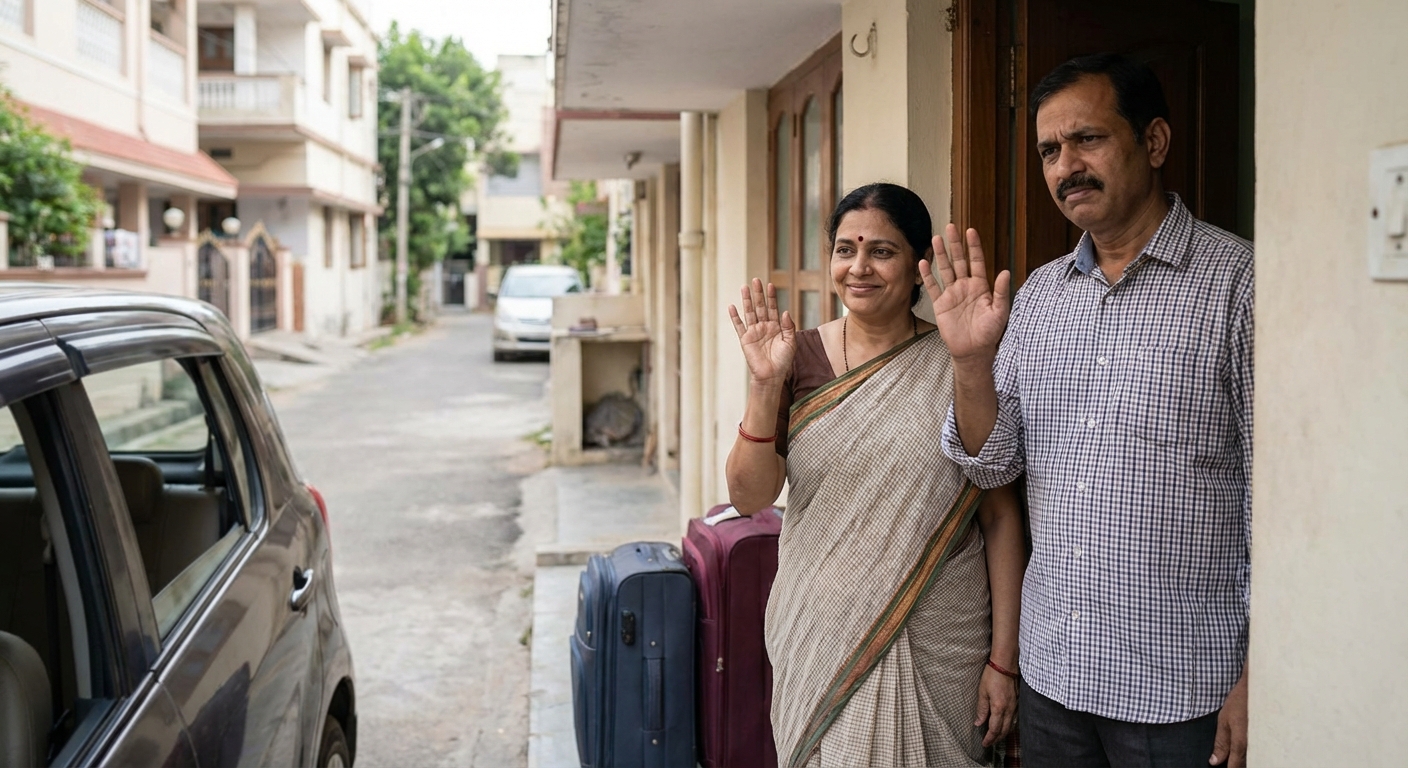
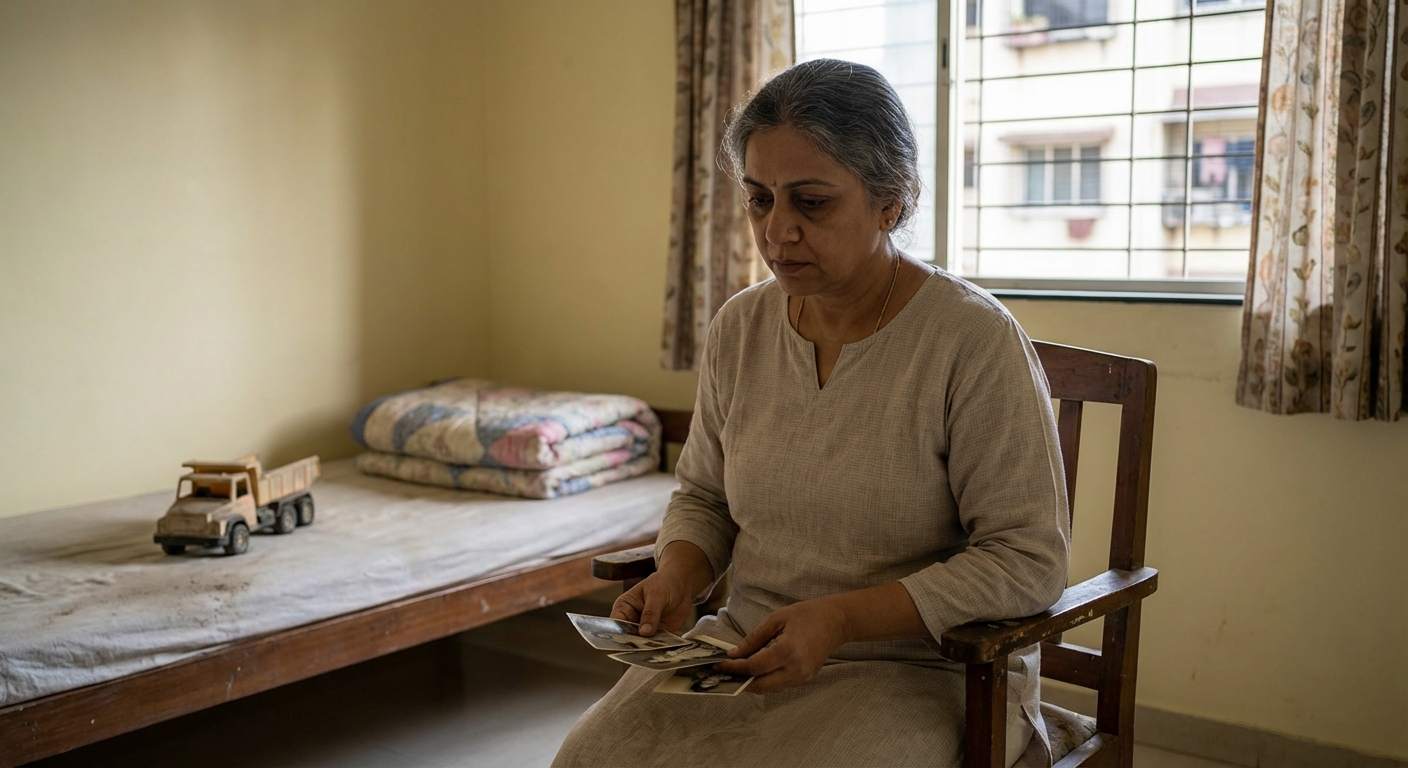
The house feels different now. The bedroom that once echoed with laughter, late-night conversations, and the familiar chaos of teenage life now sits in profound silence. The dinner table, once a battleground of debates about career choices and curfew times, now feels overwhelmingly spacious for just two.
If you are experiencing these feelings, you are not alone. Empty nest syndrome affects millions of Indian parents every year, and its emotional impact is often underestimated by society at large.
Understanding Empty Nest Syndrome
Empty nest syndrome is not a clinical diagnosis but rather a transitional period of grief, sadness, and loss that parents experience when their children leave home. In India, where family bonds are particularly strong and children often remain in the parental home well into adulthood, this transition can feel especially jarring when it finally occurs.
The experience is characterized by feelings of profound sadness, a sense of purposelessness, anxiety about your child's wellbeing, loneliness even when your spouse is present, and sometimes even symptoms resembling depression.
I recall working with Meenakshi Reddy (name changed), a 52-year-old homemaker from Secunderabad, who came to my practice six months after her youngest daughter left for her MBA in Bangalore. "I spent 26 years building my life around my children," she told me, her voice breaking. "Now I wake up every morning and wonder what I am supposed to do with myself."
Meenakshi's experience is remarkably common. Research suggests that parents who have heavily invested their identity in child-rearing are particularly vulnerable to empty nest syndrome.
The Emotional Landscape of the Empty Nest
Grief and Loss
The departure of children triggers a genuine grief response. You are not just missing your child; you are mourning the end of an era. The daily rituals of parenting - preparing tiffin boxes, attending parent-teacher meetings, negotiating screen time, planning family weekends - all come to an abrupt end.
Rajan Sharma (name changed), a 55-year-old bank manager, described it eloquently: "When my son got his posting in Mumbai, everyone congratulated us. They saw it as his success. But I felt like I was attending a funeral that nobody else could see."
Identity Crisis
For many parents, particularly mothers who may have paused or adjusted their careers for child-rearing, the empty nest triggers a profound identity crisis. When "being a parent" has been your primary identity for two or three decades, who are you when that role diminishes?
This identity shift is not about loving your children less or not wanting them to succeed. It is about the sudden vacuum left in your sense of self.
Relationship Recalibration
Interestingly, empty nest syndrome also affects marriages. Couples who have organized their entire relationship around the children suddenly find themselves face-to-face, sometimes as virtual strangers. The buffer of child-related conversations and activities is gone, and many couples discover they need to rebuild their connection.
Lakshmi and Venkat Rao (names changed), married for 28 years, came to couples counseling after their twin daughters left for medical college. "We realized we had not had a conversation that was not about the children in probably fifteen years," Lakshmi admitted. "We did not know how to talk to each other anymore."
Why Indian Parents May Struggle More
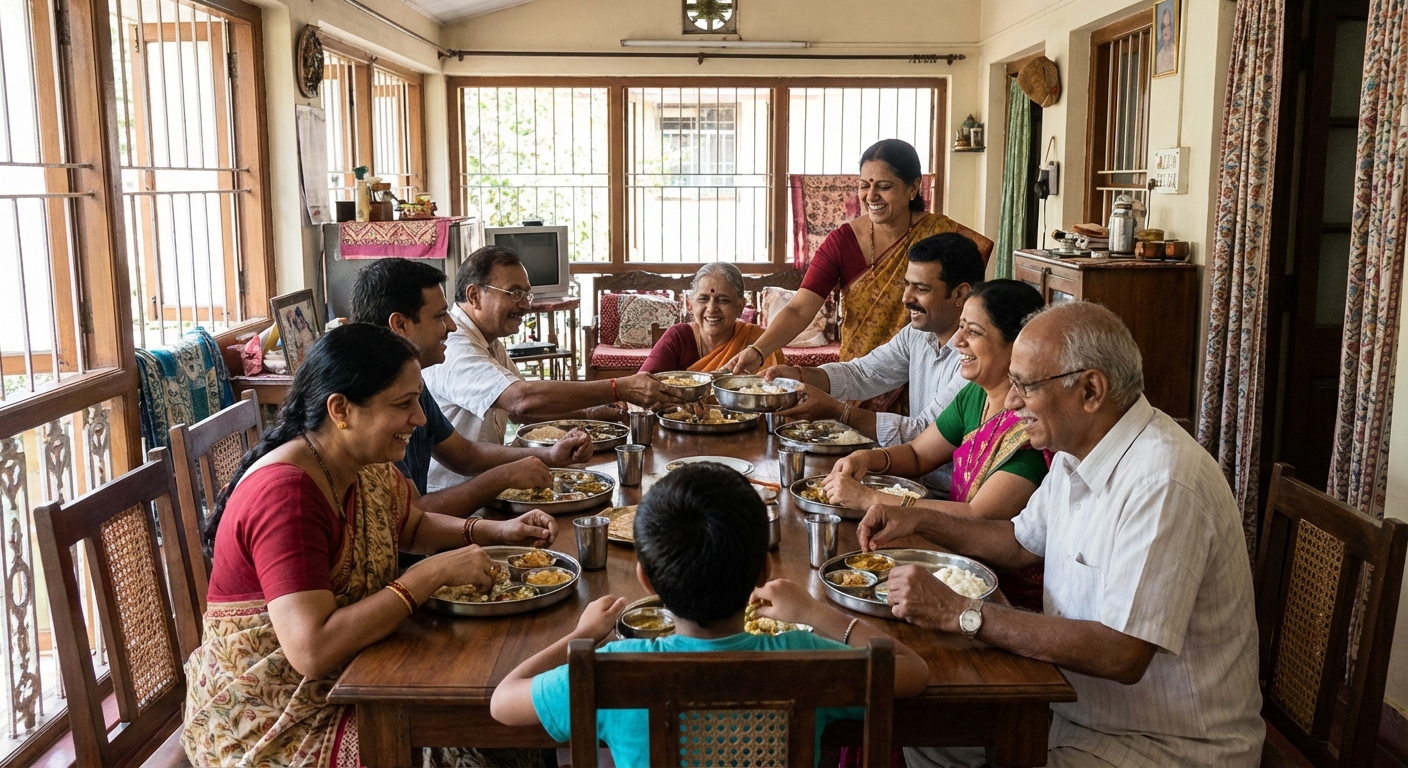
Indian culture places enormous emphasis on family bonds and intergenerational living. Historically, children did not leave; they brought spouses into the family home, and the cycle continued. The modern reality of children relocating for education and careers - sometimes to different cities, countries, or continents - represents a fundamental shift in family structure.
Additionally, Indian parents often make significant sacrifices for their children's education and futures. When children leave, it can feel like the project you devoted your entire life to has concluded, leaving you without a clear next chapter.
There is also less cultural acknowledgment of empty nest syndrome in Indian society. While Western cultures have developed vocabulary and support systems for this transition, many Indian parents suffer in silence, believing they should simply be happy for their children's success.
Finding Your Way Through: Strategies for Healing
Allow Yourself to Grieve
The first step is giving yourself permission to feel sad. This does not mean you are not proud of your children or happy for their opportunities. Grief and joy can coexist. Suppressing your emotions will only delay the healing process.
Reconnect with Your Spouse
If you have a partner, use this transition as an opportunity to rediscover each other. Plan dates, take up a hobby together, travel to places you always wanted to visit. Many couples report that their relationship actually improves once the initial adjustment period passes.
Rediscover Yourself
What did you enjoy before you became a parent? What interests have you set aside? This is the time to revisit old passions or discover new ones. Join a book club, learn a new skill, take up gardening, or finally write that book you always talked about.
I worked with Anita Krishnamurthy (name changed), who rediscovered her love for classical dance after her son left for his engineering degree. "I had stopped dancing when I got married. Now, at 50, I am performing again. My son comes to my recitals when he visits, and I think he is proud of me in a new way."
Redefine Your Parenting Role

Your role as a parent does not end; it evolves. You transition from being a daily caretaker to being an advisor, a cheerleader, and eventually, a friend to your adult child. This new relationship can be deeply rewarding, but it requires letting go of control and trusting the foundation you have built.
Build New Social Connections
Many parents realize that their social lives revolved around their children - school events, sports days, tuition circles. Now is the time to build friendships based on your own interests. Join community groups, volunteer organizations, or professional networks.
Consider Professional Support
If feelings of sadness persist for more than a few months, if you are experiencing symptoms of depression (persistent low mood, loss of interest in activities, sleep disturbances, appetite changes), or if you are struggling to function in daily life, please seek professional help. Empty nest syndrome can sometimes trigger or unmask clinical depression that requires treatment.
The Silver Lining
While the initial transition is undoubtedly painful, many parents eventually discover unexpected gifts in the empty nest phase.
Prakash and Sunitha Menon (names changed) came to see me three years after their initial consultation during their difficult transition period. "We wanted to thank you," Sunitha said. "These have been the best three years of our marriage. We have traveled, we have grown, and ironically, our relationship with our children has never been better."
Research supports this experience. Studies show that marital satisfaction often increases after children leave home, and parent-child relationships frequently improve when they are no longer complicated by daily negotiations about household rules and responsibilities.
When Your Nest Refills
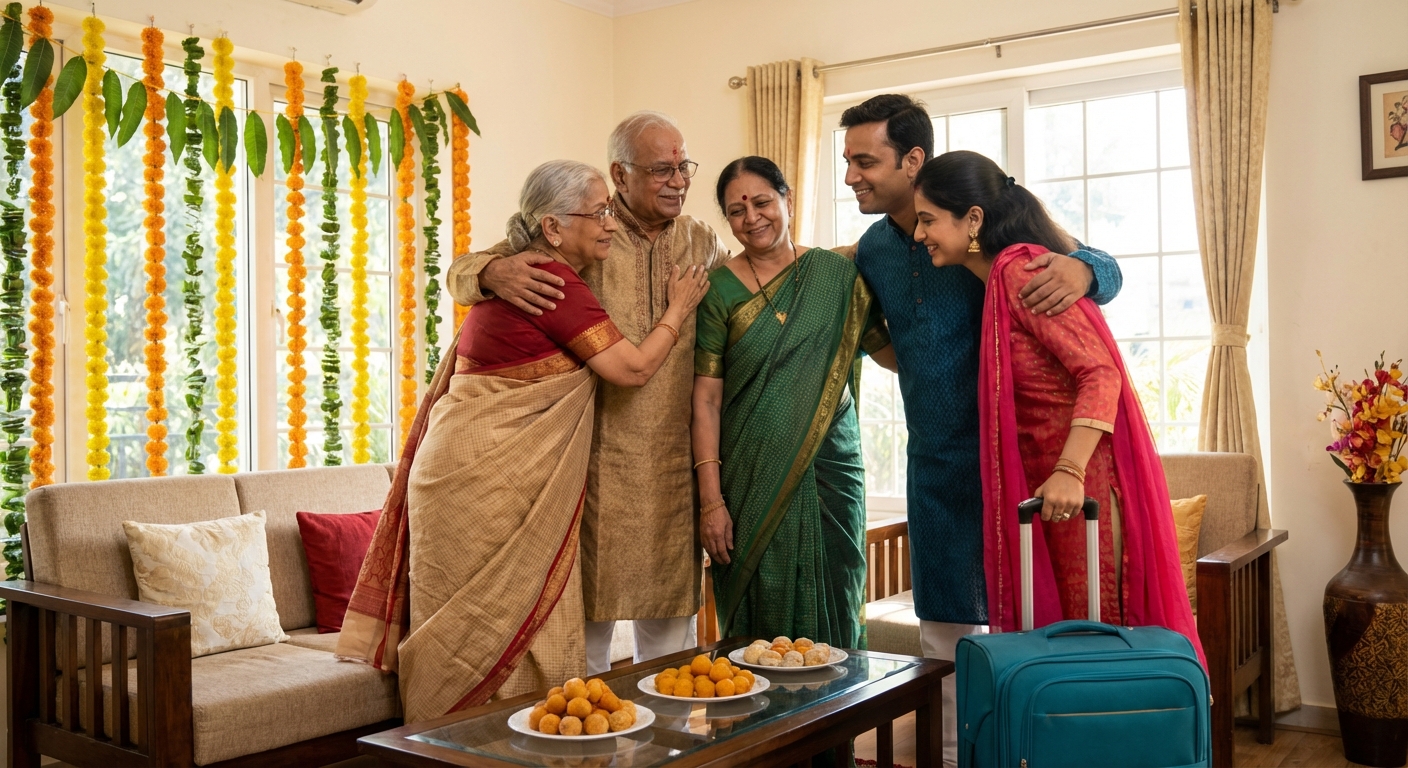
One phenomenon worth mentioning is the "boomerang" effect - adult children returning home after education or during career transitions. This is increasingly common in India and brings its own adjustments. If your nest refills temporarily, remember that both you and your child have changed. Setting clear expectations and boundaries while maintaining warmth and support is essential.
A Message of Hope
To every parent reading this who is struggling with an empty nest: your feelings are valid, your grief is real, and you are not alone. This transition, while painful, is also an opportunity for profound personal growth.
You have spent decades nurturing others. Now it is time to nurture yourself. The skills you developed as a parent - patience, resilience, unconditional love, the ability to function on minimal sleep - these will serve you well in this new chapter.
Your children's departure is not an ending; it is a transformation. And from this transformation can emerge a version of yourself that you may have forgotten existed, or perhaps have never met.
---If you are struggling with empty nest syndrome, relationship changes during this transition, or any related emotional challenges, I invite you to schedule a consultation at my practice in Hyderabad. With over 15 years of clinical experience in helping individuals and families navigate life transitions, I offer a compassionate, non-judgmental space to explore your feelings and develop strategies for this new chapter of your life. Whether you prefer in-person sessions at my Hyderabad clinic or online consultations, support is available. Remember, seeking help is not a sign of weakness; it is an act of courage and self-care.
Contact my practice to book an appointment and take the first step toward finding peace and purpose in your empty nest.