Recognizing and Escaping Domestic Violence: Resources and Support


Domestic violence is a silent epidemic that affects millions of individuals across India, cutting across all socioeconomic backgrounds, educational levels, and communities. As a psychologist who has worked with countless survivors over the past fifteen years, I have witnessed both the devastating impact of abuse and the remarkable resilience of those who find the courage to break free.
This article is written with deep compassion for anyone who may be experiencing abuse. If you recognize yourself in these pages, please know that what is happening to you is not your fault, you deserve safety and respect, and there is help available.
Understanding Domestic Violence: More Than Physical Abuse
When we hear the term "domestic violence," many of us immediately think of physical assault. However, abuse takes many forms, and understanding this is crucial for recognizing when you or someone you know may be in an abusive situation.
Types of Abuse
Physical Abuse includes hitting, slapping, pushing, kicking, choking, or any form of physical harm. It also encompasses preventing someone from seeking medical care or forcing substance use.
Emotional and Psychological Abuse can be equally devastating. This includes constant criticism, humiliation, threats, intimidation, gaslighting (making you question your reality), isolation from friends and family, and controlling behavior. Many survivors describe emotional abuse as leaving deeper scars than physical violence.
Financial Abuse involves controlling all financial resources, preventing the partner from working, forcing them to account for every rupee spent, or running up debts in their name.
Sexual Abuse includes any non-consensual sexual contact, reproductive coercion, or using sex as a weapon of control.
Digital Abuse is increasingly common and includes monitoring phone calls, texts, and social media, demanding passwords, using tracking apps without consent, or threatening to share intimate images.
Meera's Story (Name Changed)
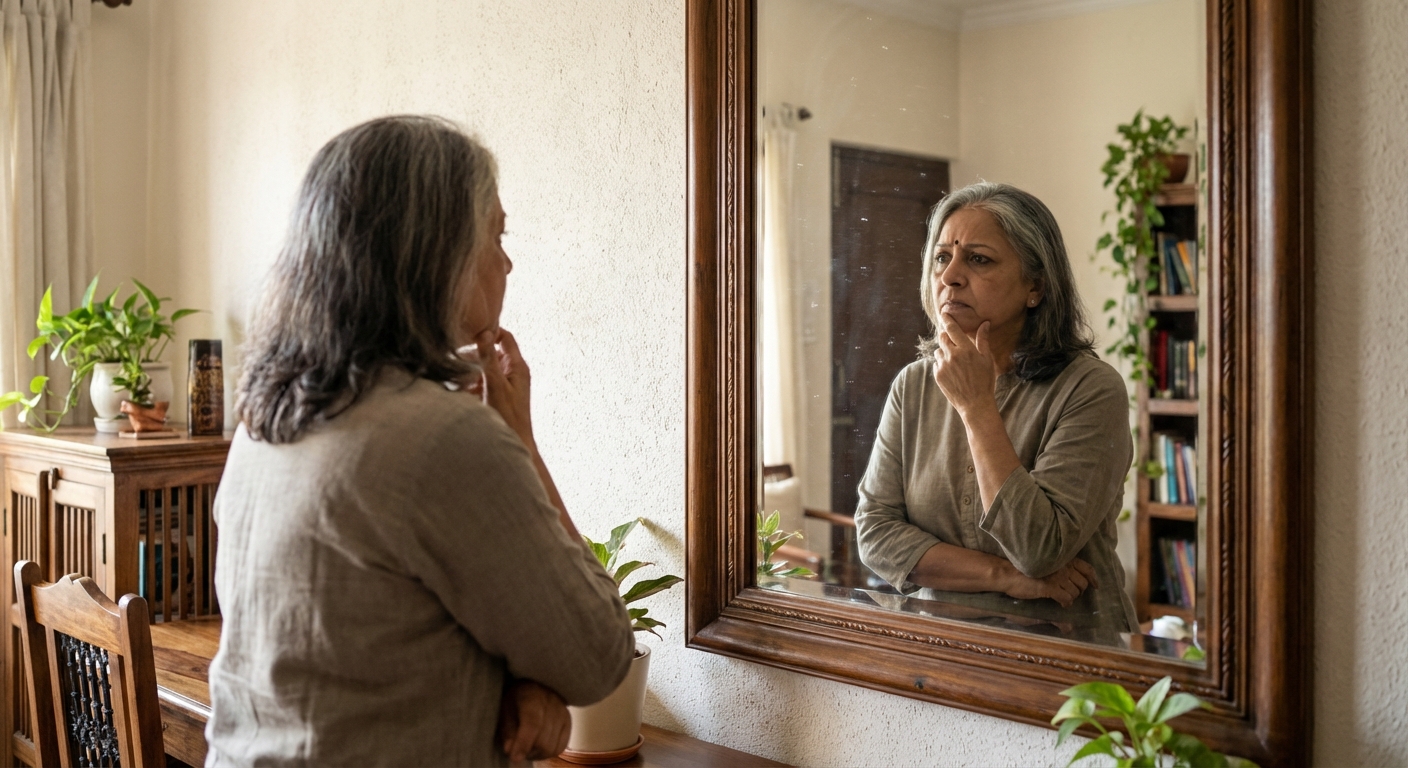
Meera, a 34-year-old software professional, came to my practice after years of what she initially described as a "difficult marriage." Her husband never hit her. Instead, he criticized everything she did, isolated her from her college friends, controlled all their finances despite her earning more than him, and would give her the silent treatment for days if she disagreed with him.
"I kept thinking I was the problem," Meera told me. "He would say things like 'You're too sensitive' or 'No one else would put up with you.' It took me years to realize this was abuse."
Meera's story illustrates how insidious emotional abuse can be. Without visible bruises, survivors often struggle to recognize their experience as abuse and may face skepticism from others.
Recognizing the Warning Signs
Abuse typically escalates gradually, making it difficult to recognize. Abusers often present a charming facade to the outside world while behaving very differently in private. Here are warning signs to watch for:
In Your Partner
- Extreme jealousy or possessiveness disguised as love
- Attempts to isolate you from family and friends
- Quick to anger over minor issues
- Blaming you for their abusive behavior
- Making threats, even if framed as jokes
- Checking up on you constantly
- Controlling what you wear, where you go, or who you see
- Unpredictable mood swings that keep you walking on eggshells
- Dismissing your feelings or opinions as worthless
- Using cultural or religious arguments to justify control
In Yourself
You may be experiencing abuse if you:
- Feel afraid of your partner's reactions
- Constantly try to please them to avoid conflict
- Have stopped seeing friends and family
- Feel like nothing you do is ever good enough
- Make excuses for your partner's behavior
- Feel trapped or hopeless
- Have lost confidence in your own perceptions
- Experience anxiety, depression, or physical symptoms like headaches or stomach problems
Rajesh's Story (Name Changed)
Rajesh, a 42-year-old businessman, sought help after realizing he was in an abusive marriage. "Men can be victims too," he said during our first session. "My wife would throw things at me, threaten to accuse me of abuse if I left, and belittle me in front of our children. For years, I stayed because I thought no one would believe me."
Rajesh's experience reminds us that domestic violence knows no gender boundaries, and male survivors face unique challenges in seeking help due to societal stigma.
The Cycle of Violence
Understanding the cycle of violence can help survivors recognize patterns and plan their escape. This cycle, identified by psychologist Lenore Walker, typically includes:
1. Tension Building Phase: Minor incidents occur, communication breaks down, the victim tries to placate the abuser 2. Acute Violence Phase: The explosion of violence or severe abuse 3. Reconciliation Phase: The abuser apologizes, shows remorse, promises change, may give gifts 4. Calm Phase: A period of relative peace before tensions begin building again
Each time this cycle repeats, the violence often escalates. The reconciliation phase, sometimes called the "honeymoon phase," is what often keeps survivors hoping for change. Understanding that this is part of a predictable pattern, not genuine transformation, is crucial.
Creating a Safety Plan
If you are in an abusive situation, having a safety plan is essential. This is true whether you are planning to leave or not yet ready to do so.
While Still in the Relationship
- Identify safe areas in your home where you can go during an argument (avoid kitchens and bathrooms where weapons or hard surfaces are present)
- Memorize important phone numbers, including helplines
- Keep important documents (passport, Aadhaar card, birth certificates, marriage certificate, property papers) in a secure location outside the home if possible
- Open a secret bank account and save money when you can
- Tell a trusted friend, family member, or neighbor about your situation
- Establish a code word with someone who can call for help
- Keep a bag packed with essentials at a trusted person's home
When Leaving
- Choose a time when your abuser will be away
- Do not tell your abuser you are leaving
- Take children and pets if possible
- Go to a safe location your abuser does not know about
- Change your phone number and email passwords
- Consider getting a protection order
After Leaving
- Continue taking safety precautions
- Vary your routine
- Inform your workplace security
- Consider therapy to process trauma
- Build a support network
- Be patient with yourself during recovery
Indian Resources and Helplines
If you or someone you know is experiencing domestic violence, these resources can help:
National Commission for Women Helpline: 7827-170-170
Women Helpline (All India): 181
Domestic Violence Helpline: 1091
One Stop Centre Scheme (Sakhi): Available in every district, providing integrated support including medical, legal, and psychological assistance
Police Emergency: 100
Telangana State Women's Commission: 040-2320-1768
Parivar Counselling Centre, Hyderabad: 040-2339-3932
Legal Aid: Contact your nearest District Legal Services Authority for free legal assistance
iCall (Psychosocial Helpline): 9152987821
Many cities also have shelter homes for women and children escaping violence. Your local police station can provide information about shelters in your area.
The Path to Recovery
Leaving an abusive relationship is not the end of the journey but the beginning of healing. Recovery is a process that takes time, and it is important to be patient and compassionate with yourself.
Common Experiences After Leaving
- Relief mixed with fear and uncertainty
- Grief for the relationship and life you hoped for
- Difficulty trusting others or yourself
- Post-Traumatic Stress symptoms
- Financial challenges
- Co-parenting complications
- Pressure from family or community to return
Sunita's Journey (Name Changed)
Sunita left her abusive marriage of twelve years with her two children. "The first year was the hardest," she shared. "I questioned my decision every day. My family kept asking me to go back for the children's sake. But I knew that watching their father abuse me was harming them too."
Three years later, Sunita has rebuilt her life. She has a stable job, her children are thriving, and she has rediscovered her own identity. "I wish I had left sooner," she says, "but I am proud that I found the courage to leave at all."
Healing Strategies
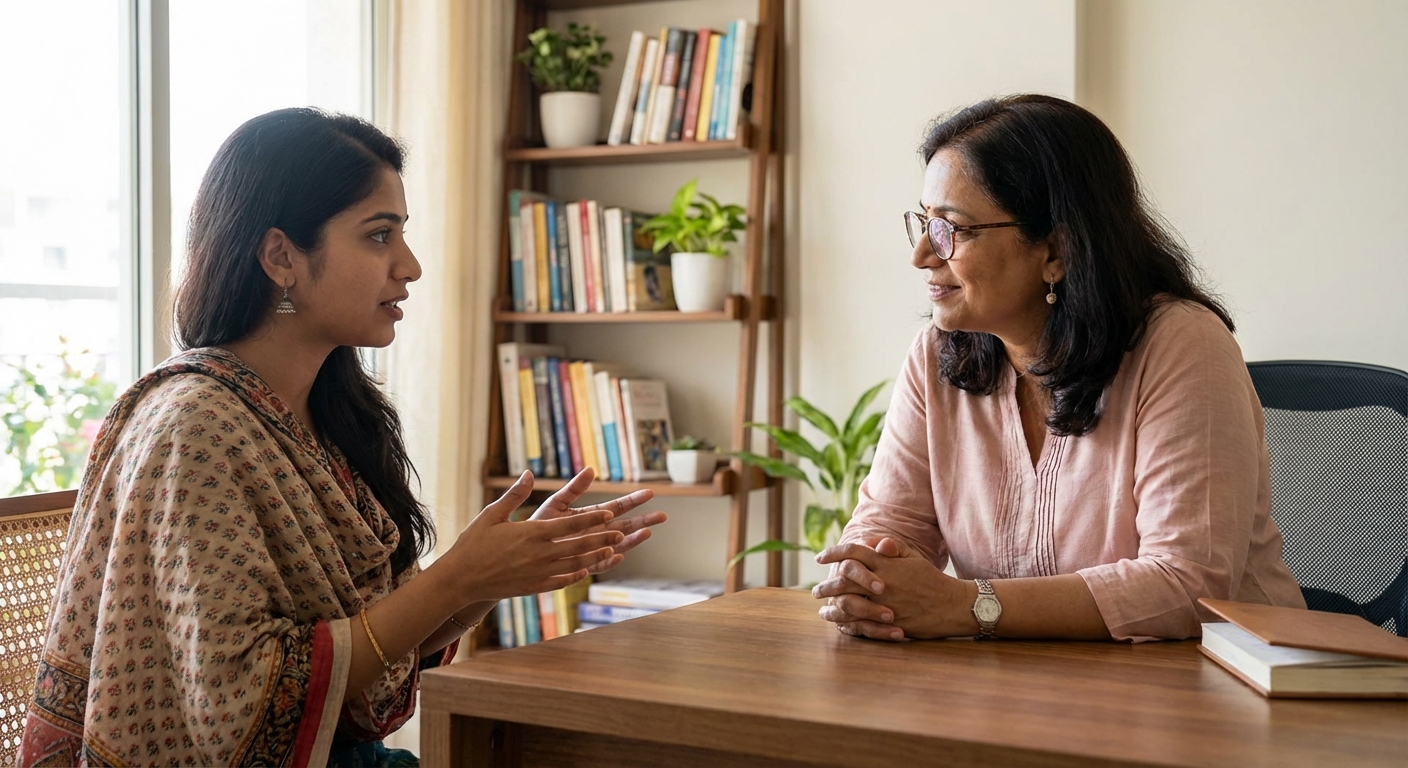
Seek Professional Support: A qualified therapist can help you process trauma, rebuild self-esteem, and develop healthy coping mechanisms. Trauma-informed therapy approaches such as EMDR (Eye Movement Desensitization and Reprocessing) and cognitive-behavioral therapy can be particularly effective.
Join a Support Group: Connecting with other survivors can reduce isolation and provide validation. Many organizations offer support groups both in-person and online.
Practice Self-Care: This includes basic needs like adequate sleep, nutrition, and exercise, as well as activities that bring you joy and peace.
Rebuild Your Identity: Abusers often strip away their victim's sense of self. Reconnect with old interests, try new activities, and rediscover who you are outside of the relationship.
Set Boundaries: Learning to establish and maintain healthy boundaries is crucial for future relationships.
Be Patient: Healing is not linear. There will be difficult days, and that is normal. Celebrate your progress, however small.

A Message of Hope
If you are currently experiencing domestic violence, I want you to know that escape is possible and healing is real. I have seen countless individuals rebuild their lives after abuse, discovering strength they never knew they had. You deserve to be treated with respect and dignity. You deserve to feel safe in your own home.
Leaving is rarely easy, and it is not always safe to leave immediately. Trust your instincts about timing, but please reach out to professionals who can help you plan and support your journey to safety.
If you have already left, know that the difficult days will become less frequent. The person you are becoming, free from fear and control, is waiting for you.
Seeking Professional Support in Hyderabad
At my practice in Hyderabad, I work with survivors of domestic violence, providing a safe, confidential space to process trauma, rebuild self-worth, and develop strategies for moving forward. I also work with individuals who recognize abusive patterns in their own behavior and genuinely want to change.
Whether you are currently in an abusive situation, recently escaped, or healing from past trauma, professional psychological support can make a significant difference in your recovery journey.
If you would like to schedule a confidential consultation, please contact my practice. Your safety and wellbeing are paramount, and no one should have to face this challenge alone.
---Sudheer Sandra is a licensed psychologist and career counselor based in Hyderabad, India, with over 15 years of clinical experience. He specializes in anxiety, depression, relationship issues, and career counseling. If you or someone you know is experiencing domestic violence, please reach out to the helplines listed above or contact his practice for professional support.
If you are in immediate danger, please call 100 (Police) or 181 (Women Helpline) immediately.