Dating After Divorce: Healing and Finding Love Again

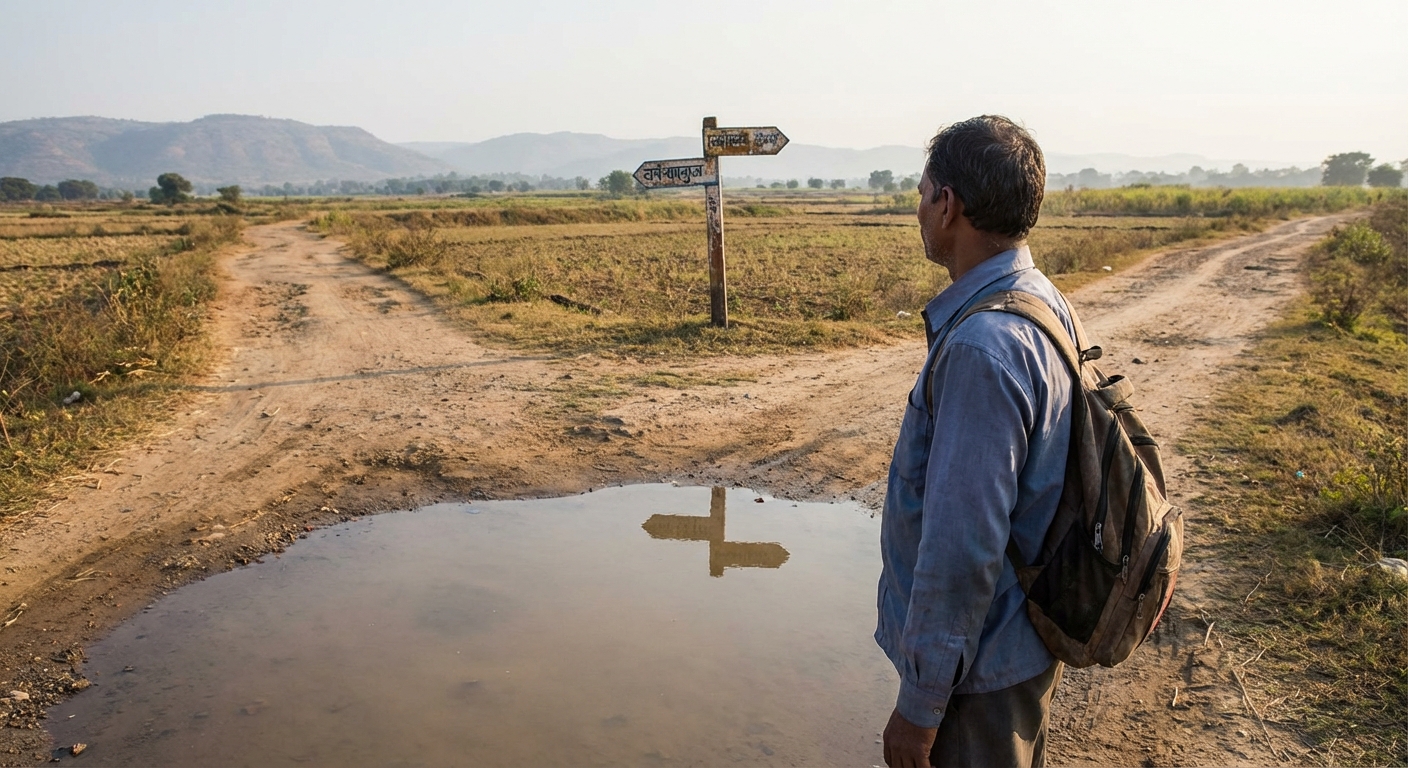
Divorce is one of life's most challenging transitions. Whether it was your decision or not, the end of a marriage brings profound emotional upheaval that touches every aspect of your being. Yet, as I have witnessed countless times in my practice over the past 15 years, the human heart has an remarkable capacity to heal, grow, and love again.
If you are contemplating dating after divorce, know that you are not alone in this journey. The path forward requires patience, self-compassion, and a willingness to embrace vulnerability once more. In this article, I will guide you through the essential steps of healing and preparing yourself for meaningful connections again.
Understanding the Emotional Landscape After Divorce
Before we discuss dating, it is crucial to acknowledge the emotional terrain you have traversed. Divorce triggers a grief response similar to losing a loved one. You mourn not just the relationship, but the dreams, plans, and identity you built together.
Priya's Story (name changed for confidentiality)
Priya, a 38-year-old marketing professional from Hyderabad, came to me six months after her divorce was finalized. "I thought I would feel relieved," she told me during our first session. "The marriage had been unhappy for years. But instead, I feel lost. I do not know who I am outside of being Rahul's wife."
Priya's experience reflects a common reality. Even when divorce is the right decision, it destabilizes our sense of self. The first step toward healthy dating is rebuilding that foundation.
The Healing Timeline: When Are You Ready?
One of the most frequent questions I encounter is: "How long should I wait before dating again?"
The honest answer is that there is no universal timeline. Some individuals need two years; others may be ready in eight months. What matters is not the calendar but your emotional readiness.

Signs You May Be Ready to Date Again
1. You can think about your ex without intense emotional charge. This does not mean you feel nothing, but the sharp edges of anger, resentment, or longing have softened.
2. You have processed the lessons from your marriage. You understand your role in what went wrong and have done the inner work to avoid repeating patterns.
3. You have rebuilt your individual identity. You know who you are, what you value, and what you want from life - independent of a partner.
4. You are seeking connection, not escape. Dating from a place of wholeness rather than trying to fill a void or prove your worth.
5. You can be alone without feeling lonely. Solitude feels peaceful rather than threatening.
Signs You May Need More Time
- You frequently compare potential partners to your ex (favorably or unfavorably)
- You feel desperate for a relationship to validate your worth
- Thoughts of your ex dominate your daily life
- You have not addressed underlying issues like depression, anxiety, or unresolved trauma
- You want a relationship to make your ex jealous or prove something to family and society
The Healing Process: Essential Steps Before Dating
1. Allow Yourself to Grieve Fully
In our culture, there is often pressure to "move on" quickly, especially when family members worry about your future. However, suppressed grief does not disappear - it merely waits for another opportunity to emerge, often in your next relationship.
Vikram's Story (name changed)
Vikram, a 45-year-old IT professional, started dating just three months after his divorce. "My parents were worried. They kept saying at my age, I should not waste time," he explained. He quickly entered a relationship but found himself emotionally unavailable and frequently triggered by minor conflicts. "I was projecting my unresolved anger at my ex-wife onto my new partner. It was unfair to both of us."
Only after taking a step back and properly grieving did Vikram become capable of genuine intimacy again.
2. Rebuild Your Relationship with Yourself
Divorce often leaves us questioning our judgment, attractiveness, and worthiness of love. Use this time to reconnect with yourself:
- Rediscover hobbies and interests you may have neglected
- Invest in friendships and family relationships
- Focus on physical and mental health
- Consider therapy to process emotions and gain clarity
- Practice self-compassion daily
3. Examine Your Patterns
Every relationship teaches us something. Before dating again, honestly examine:
- What attracted you to your ex-spouse initially?
- What patterns emerged in your marriage?
- What did you contribute to the relationship's difficulties?
- What are your non-negotiable values in a partner?
- What warning signs did you ignore before?
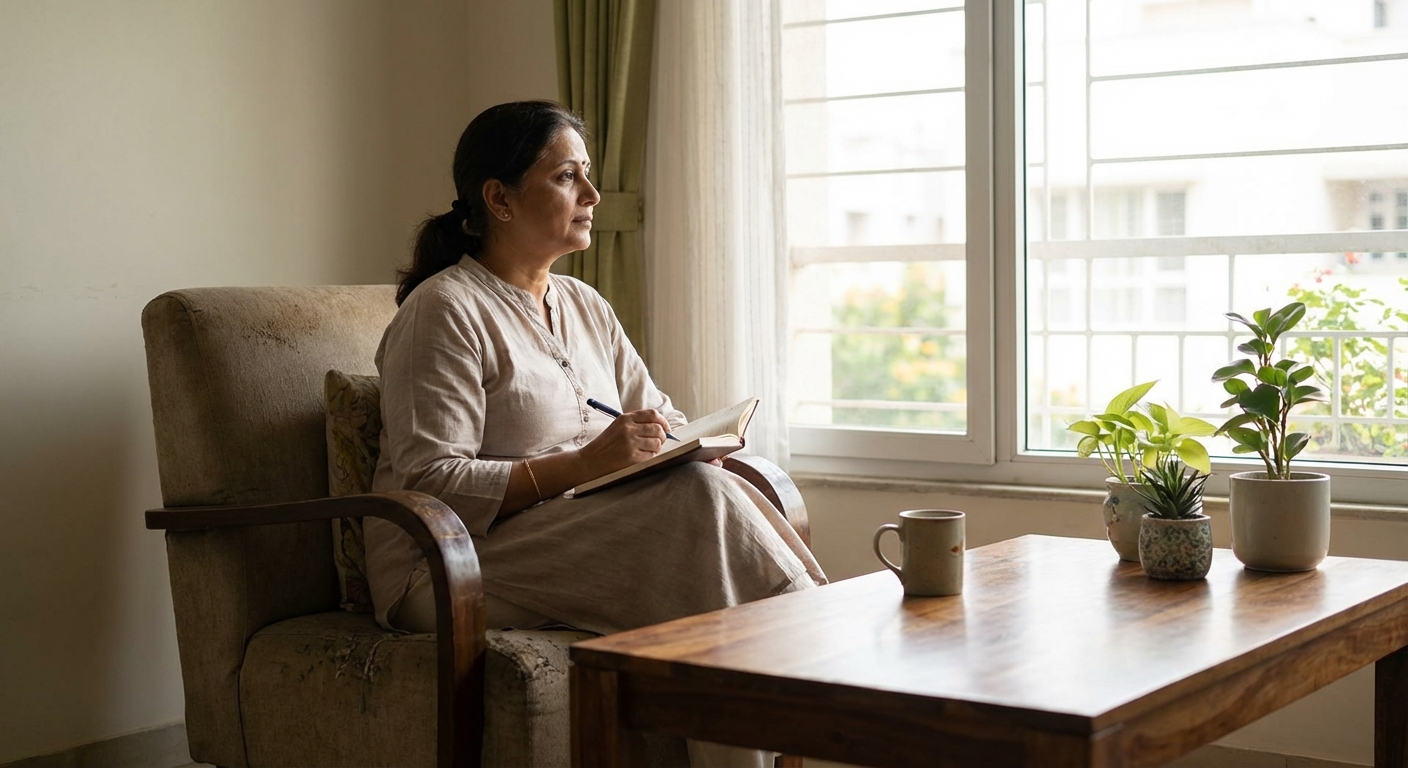
Navigating Dating in the Indian Context
Dating after divorce in India carries unique considerations. Social stigma, family expectations, and cultural norms add layers of complexity to an already challenging journey.
Dealing with Social Judgment
Despite changing attitudes, divorced individuals - particularly women - still face judgment in Indian society. You may encounter:
- Unsolicited opinions from relatives and acquaintances
- Assumptions about your character or the reasons for your divorce
- Pressure to prioritize remarriage over personal readiness
- Different treatment on matrimonial platforms
Meera, a 34-year-old teacher, shared her frustration: "On matrimonial sites, I felt like I had to constantly justify my divorce. People would ask intrusive questions within the first few messages. It was exhausting and demoralizing."
My advice to Meera, and to you, is this: You do not owe anyone a detailed explanation of your divorce. A brief, dignified response is sufficient. Those who cannot move past your marital history are not the right match for you.
Approach Options: Modern and Traditional
India offers a unique blend of dating approaches:
Matrimonial Platforms: These can be useful if you are clear about wanting marriage and appreciate family involvement. Be selective about platforms and communicate your boundaries clearly.
Dating Apps: Increasingly popular in urban areas, these offer more autonomy. Be honest about your divorce status in your profile - starting with deception is never a strong foundation.
Social Circles: Meeting people through friends, professional networks, or interest-based groups often allows for more organic connections.
Family Introductions: If your family is supportive, they may know suitable individuals. However, ensure you are driving the process, not being pushed into it.
When You Have Children
If you are a parent, dating introduces additional considerations:
- Your children's emotional needs must remain the priority
- Introduce new partners only when the relationship is serious and stable
- Be prepared for complex emotions from your children
- Consider the potential partner's ability to respect your parenting role
- Never use dating to replace the other parent in your children's lives
Recognizing Red Flags and Green Lights
Your divorce experience, painful as it was, has given you wisdom. Use it.
Red Flags to Watch For
- Love bombing: Excessive affection, gifts, and intensity early on can signal manipulation or emotional instability
- Dismissing your divorce: Partners who minimize your experience or pressure you to "get over it" lack emotional intelligence
- Rushing physical or emotional intimacy: Healthy relationships develop at a pace comfortable for both parties
- Negative talk about their ex: How someone speaks about past partners often predicts how they will eventually speak about you
- Controlling behaviors: Monitoring your communications, isolating you from friends and family, or making decisions for you
- Inconsistency: Words and actions that do not align are a serious warning sign
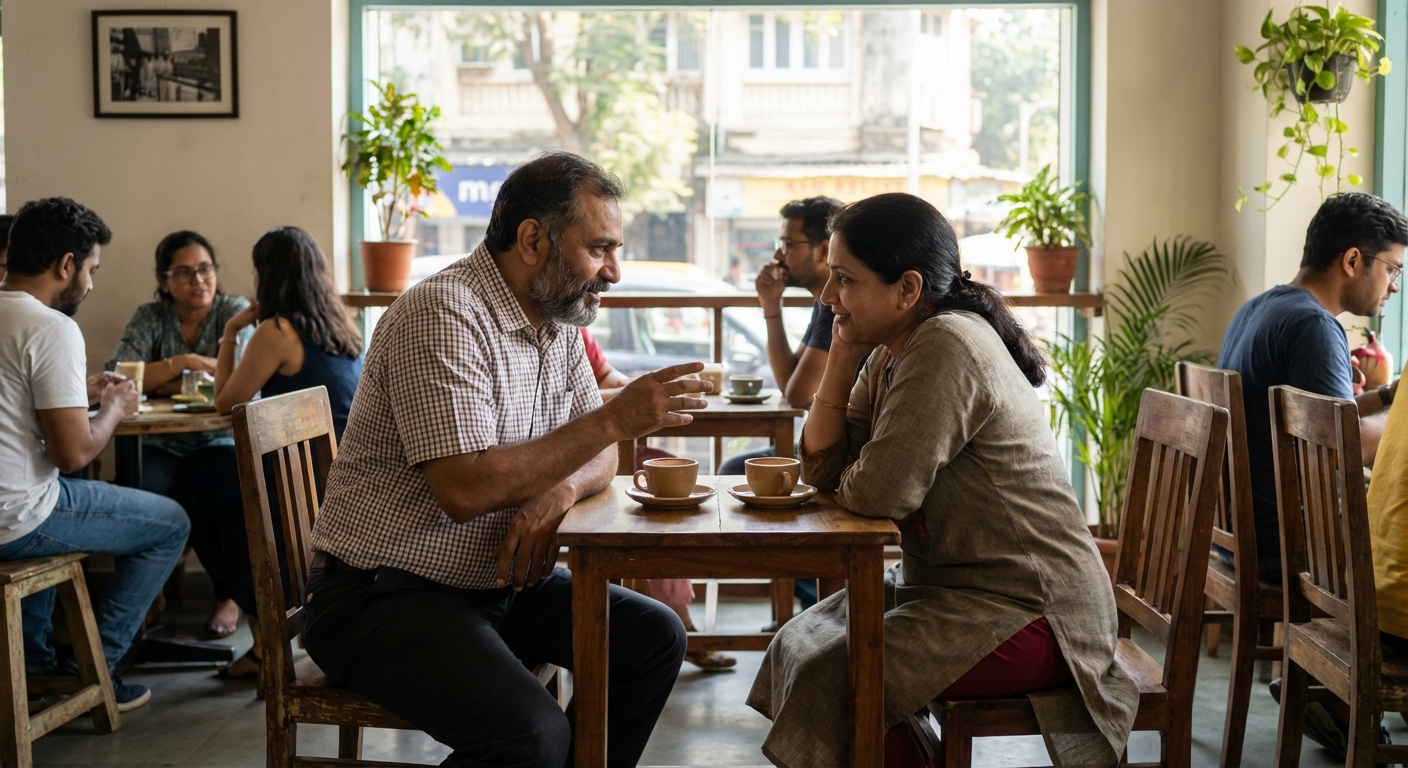
Green Lights That Indicate a Healthy Match
- Respect for your pace: They understand you have been through a significant life transition
- Emotional availability: They can discuss feelings, listen actively, and show vulnerability
- Consistency: Their words match their actions over time
- Healthy relationships with others: They have maintained friendships and have respectful relationships with family
- Support for your independence: They encourage your goals, friendships, and personal growth
- Honest communication: They can address difficult topics without defensiveness or aggression
Building Something New
When you do find someone promising, remember that this relationship will be different from your marriage - and that is exactly as it should be.
Anand's Reflection (name changed)
Anand, a 42-year-old businessman, found love again two years after his divorce. "I made the mistake initially of comparing everything to my marriage," he shared. "My therapist helped me see that I was looking for the opposite of my ex, which is just another form of being controlled by the past."
The goal is not to find the opposite of your ex-spouse but to find someone compatible with who you are now.
Tips for Building a Healthy New Relationship
1. Communicate openly about your past. You do not need to share every detail, but your new partner should know the broad strokes of your history.
2. Maintain your individual identity. The work you did to rebuild yourself should continue, not dissolve into couplehood.
3. Set healthy boundaries from the start. It is easier to maintain boundaries than to establish them later.
4. Address conflicts constructively. Use the communication skills you have developed (or are developing through therapy) to navigate disagreements.
5. Be patient. Building trust takes time, especially when trust has been broken before.

When to Seek Professional Support
The journey from divorce to new love is not meant to be traveled alone. Consider working with a mental health professional if you:
- Feel stuck in grief, anger, or depression months after the divorce
- Notice yourself repeating unhealthy relationship patterns
- Struggle with anxiety about dating or intimacy
- Want support in understanding what went wrong in your marriage
- Need help navigating co-parenting while dating
- Experience triggers or emotional flashbacks related to your past relationship
Moving Forward with Hope
Divorce does not mean you are broken or incapable of love. It means one relationship ended - often because it needed to end. Your capacity for love, connection, and intimacy remains intact.
The wisdom you have gained through this difficult experience can actually make your next relationship stronger and more fulfilling. You know yourself better. You understand what you need and what you cannot tolerate. You have developed resilience and self-reliance.
When you are ready - truly ready, not just pressured to be ready - dating after divorce can be a beautiful chapter of growth, discovery, and ultimately, deep connection.
---If you are navigating the emotional complexities of dating after divorce, remember that support is available. At my practice in Hyderabad, I offer individual counseling to help you process your divorce experience, prepare for new relationships, and build the emotional foundation for lasting love. Whether you are just beginning to heal or already dating and facing challenges, professional guidance can provide clarity and support on your journey.
To schedule a consultation, please contact my Hyderabad practice. Together, we can work toward the fulfilling relationship you deserve.
---About the Author: Sudheer Sandra is a licensed psychologist and career counselor based in Hyderabad, India, with over 15 years of clinical experience. He specializes in anxiety, depression, relationship issues, and career counseling.