Living with Chronic Pain: The Mind-Body Connection

When Lakshmi, a 45-year-old school teacher from Secunderabad, first came to my practice, she had been living with chronic back pain for nearly seven years. "Everyone tells me the pain is in my head," she said, her voice heavy with frustration and exhaustion. "But the pain is real. I feel it every single day."
Lakshmi's experience reflects a profound misunderstanding that many chronic pain sufferers encounter. The truth is far more nuanced: chronic pain is neither purely physical nor purely psychological. It exists at the intersection of mind and body, shaped by our nervous system, emotions, thoughts, and life experiences. Over my 15 years of practice here in Hyderabad, I have worked with hundreds of individuals navigating this complex terrain, and I have witnessed remarkable transformations when we address pain through a comprehensive, mind-body approach.
Understanding the Pain-Brain Connection
To truly comprehend chronic pain, we must first understand how pain works in our nervous system. Acute pain serves as a protective alarm system—touch a hot pan, and your brain immediately signals danger, causing you to withdraw your hand. This system works beautifully for short-term threats.
However, chronic pain operates differently. When pain persists beyond the normal healing period—typically three to six months—the nervous system itself undergoes changes. The brain's pain processing centres become sensitised, meaning they can generate pain signals even when tissue damage has healed or was never present. This phenomenon, known as central sensitisation, explains why chronic pain often persists despite medical treatments targeting the original injury site.
Research has shown that the same brain regions involved in processing emotions—the amygdala, anterior cingulate cortex, and prefrontal cortex—are also deeply involved in pain perception. This neurological overlap is not a flaw; it is a feature of our evolved nervous system. However, it also means that our emotional state, stress levels, and psychological wellbeing directly influence how we experience pain.
Rajesh, a 52-year-old IT professional from HITEC City, discovered this connection firsthand. His chronic neck and shoulder pain had resisted multiple treatments over four years. When we explored his life circumstances, we uncovered significant workplace stress, unresolved grief from losing his mother, and a pattern of suppressing difficult emotions. As we addressed these psychological factors alongside his physical symptoms, his pain levels decreased substantially—not because the pain was imaginary, but because we were treating the whole person.
How Chronic Pain Affects Mental Health
Living with persistent pain takes a profound toll on mental health. Studies indicate that people with chronic pain are three times more likely to develop depression and anxiety compared to the general population. This is not weakness or character flaw—it is a predictable consequence of living with an invisible condition that affects every aspect of daily life.
The relationship between pain and mental health operates bidirectionally. Chronic pain can lead to:
- Depression: Persistent pain restricts activities, disrupts sleep, and diminishes quality of life. The resulting isolation and loss of meaningful activities often triggers depressive episodes.
- Anxiety: Fear of pain flare-ups creates anticipatory anxiety. Many individuals begin avoiding activities they once enjoyed, gradually shrinking their world.
- Sleep disturbances: Pain disrupts sleep, and poor sleep amplifies pain sensitivity, creating a vicious cycle.
- Relationship strain: Chronic pain affects intimacy, family dynamics, and social connections, leading to feelings of guilt, frustration, and loneliness.
The Pain-Stress Cycle
Stress is perhaps the most significant psychological amplifier of chronic pain. When we experience stress, our bodies release cortisol and adrenaline, preparing us for fight or flight. These hormones increase muscle tension, inflammation, and nervous system reactivity—all of which can intensify pain.
Priya, a 38-year-old bank manager from Banjara Hills, noticed her fibromyalgia flares consistently worsened during high-pressure periods at work. "I could predict my bad days by looking at my calendar," she told me. Through our work together, Priya learned to recognise early stress signals and implement strategies to interrupt the pain-stress cycle before it escalated.
The pain-stress cycle operates like this: Pain creates stress, which increases muscle tension and nervous system arousal, which amplifies pain, which creates more stress. Breaking this cycle requires intervening at multiple points simultaneously.
Cognitive Behavioral Techniques for Pain Management
Cognitive Behavioral Therapy (CBT) has the strongest evidence base for psychological pain management. CBT helps individuals identify and modify thought patterns and behaviours that contribute to pain and suffering.
Cognitive restructuring involves examining unhelpful thoughts about pain. Catastrophising—thoughts like "This pain will never end" or "I cannot cope with this"—significantly worsens pain perception and emotional distress. Learning to recognise and challenge these thoughts can reduce their impact.
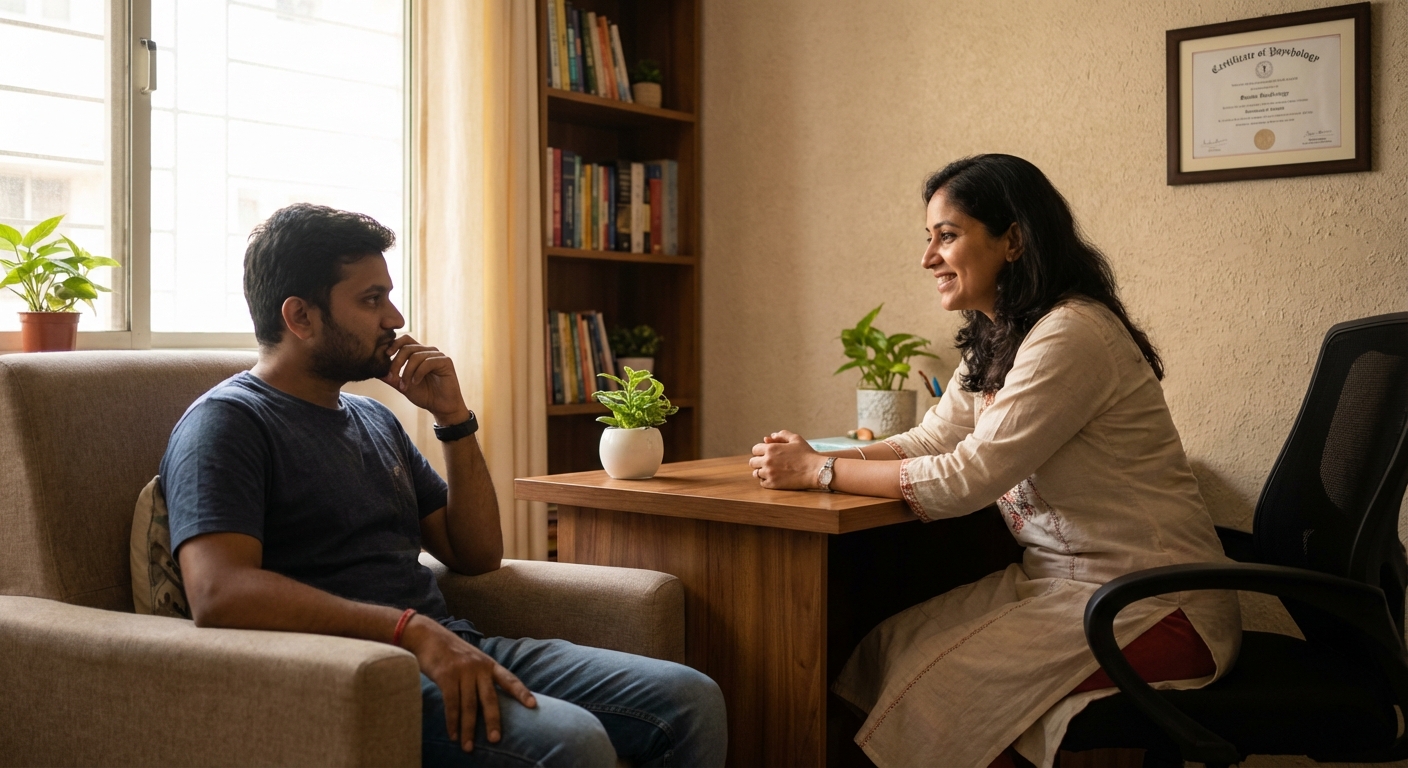
During sessions, I often work with clients to develop more balanced perspectives. This does not mean positive thinking or denying pain's reality. Rather, it involves developing a more accurate, flexible relationship with our thoughts about pain.
Behavioural activation addresses the tendency to withdraw from activities when experiencing pain. While rest is sometimes necessary, excessive avoidance often worsens both physical conditioning and mood. Pacing—breaking activities into manageable segments with planned rest periods—allows individuals to remain engaged in meaningful activities without triggering flare-ups.
Pain education itself reduces pain. Understanding that chronic pain reflects nervous system sensitisation rather than ongoing tissue damage helps reduce fear and anxiety, which in turn reduces pain intensity.

Mindfulness and Relaxation Strategies
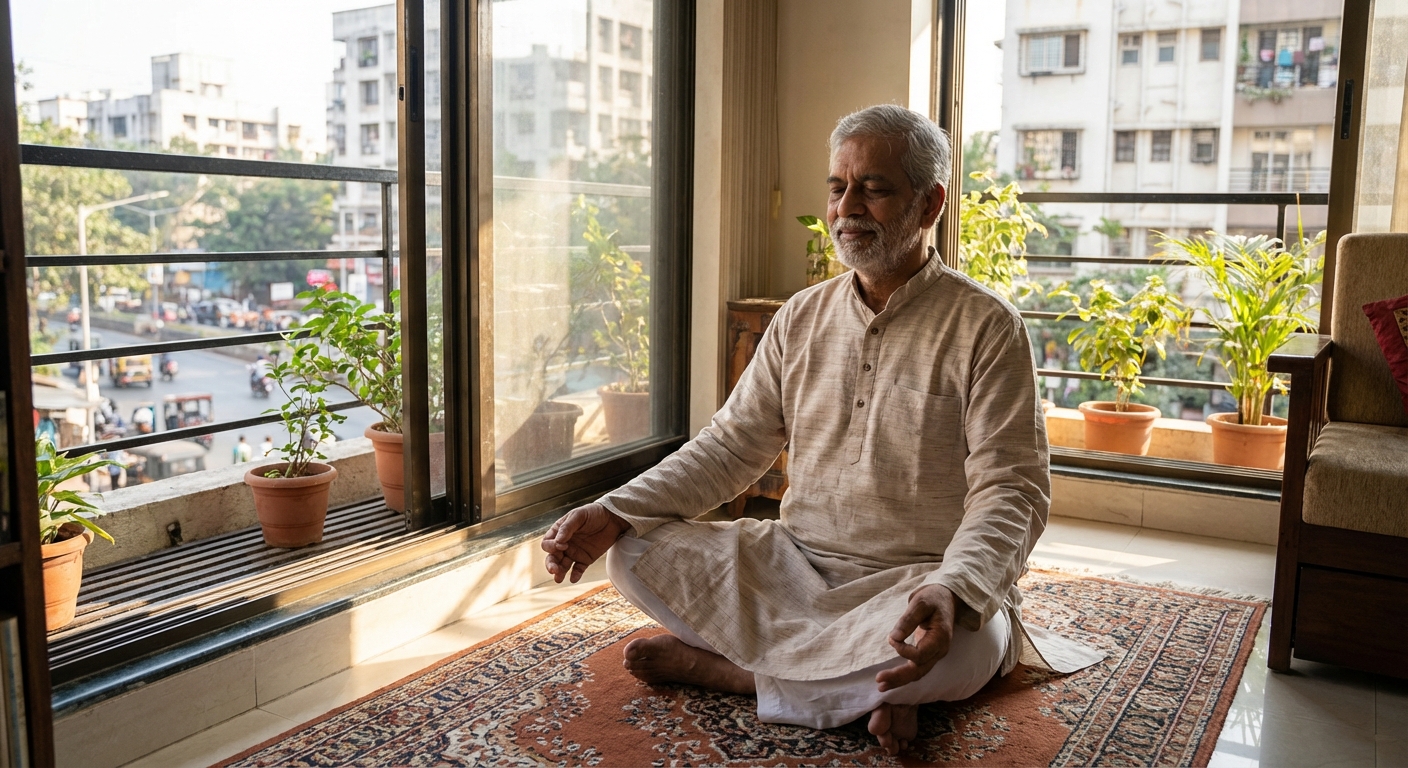
Mindfulness-based approaches have demonstrated significant benefits for chronic pain management. Mindfulness involves paying attention to present-moment experience with openness and non-judgment—including the experience of pain itself.
This might seem counterintuitive: why would focusing on pain help? The answer lies in our typical response to pain. We usually resist pain, tensing against it, catastrophising about it, and wishing it away. This resistance creates additional suffering layered on top of the physical sensation. Mindfulness teaches us to observe pain with curiosity rather than fear, reducing the emotional amplification of physical sensations.
Body scan meditation involves systematically bringing attention to different body regions, noticing sensations without trying to change them. Regular practice reduces overall tension and improves body awareness.
Breath-focused meditation activates the parasympathetic nervous system, reducing stress hormones and muscle tension. Even five minutes of conscious breathing can shift our nervous system from alarm mode to rest-and-restore mode.
Progressive muscle relaxation involves systematically tensing and releasing muscle groups. This practice teaches the distinction between tension and relaxation, helping individuals release unconscious muscle guarding that often accompanies chronic pain.
Ananya, a 29-year-old graphic designer from Gachibowli suffering from chronic migraines, initially resisted mindfulness practice. "How can sitting still help my headaches?" she asked skeptically. After six weeks of consistent practice, she reported not only fewer migraine days but also a changed relationship with pain. "When a migraine comes now, I do not panic. I notice it, take care of myself, and know it will pass. That alone makes it more bearable."
Acceptance and Commitment Therapy Approaches
Acceptance and Commitment Therapy (ACT) offers a complementary framework for chronic pain. Rather than focusing primarily on reducing pain, ACT emphasises living a meaningful life despite pain's presence.
Acceptance in ACT does not mean resignation or giving up. It means ending the exhausting struggle against pain that often consumes enormous psychological energy. Many individuals spend years fighting their pain, refusing to accept its presence, hoping the next treatment will finally eliminate it. This struggle, while understandable, often amplifies suffering and prevents engagement with life.
Values clarification helps individuals identify what truly matters to them—relationships, creativity, contribution, growth. When we are clear about our values, we can make choices aligned with what matters most, even when pain is present.
Committed action involves taking steps toward valued life goals despite discomfort. This builds psychological flexibility—the ability to be present, open to experience, and engaged in meaningful action regardless of circumstances.
Venkat, a 60-year-old retired government officer from Dilsukhnagar with chronic knee pain, had stopped visiting his grandchildren because "I cannot play with them like I used to." Through ACT, he reconnected with his core value of family connection and found new ways to be present with his grandchildren—reading stories, sharing meals, teaching them chess. His pain had not disappeared, but his life had expanded around it.

Lifestyle Factors: Sleep, Movement, and Social Connection
Psychological approaches work best when supported by lifestyle foundations that promote nervous system regulation and overall wellbeing.
Sleep and pain share a bidirectional relationship. Poor sleep increases pain sensitivity, while pain disrupts sleep. Sleep hygiene practices—consistent sleep times, limiting screens before bed, creating a comfortable sleep environment—can gradually improve this cycle. Addressing racing thoughts and anxiety at bedtime through relaxation techniques often helps those whose pain keeps them awake.
Movement is essential but must be approached thoughtfully. Complete rest worsens chronic pain by reducing fitness, increasing stiffness, and promoting fear-avoidance. Gentle, gradual movement—walking, swimming, yoga, tai chi—maintains function and releases natural pain-relieving endorphins. The key is pacing: starting with manageable amounts and gradually increasing, rather than pushing through pain and triggering flare-ups.
Social connection protects against both pain and depression. Chronic pain often leads to isolation, which amplifies suffering. Maintaining relationships, joining support groups, and staying connected to community provides emotional support and prevents the loneliness that intensifies pain.
Working with Medical Professionals
Psychological approaches complement rather than replace medical treatment. The most effective chronic pain management involves collaboration between medical providers—physicians, physiotherapists, pain specialists—and mental health professionals.
I always encourage my clients to maintain open communication with their medical team. Psychological treatment can enhance the effectiveness of medical interventions, and medical management can create the stability needed for psychological work to succeed.
Be wary of any provider—medical or psychological—who claims to have the single solution to chronic pain. This condition requires a multidisciplinary approach addressing physical, psychological, and social dimensions simultaneously.
When to Seek Psychological Support
Consider seeking psychological support for chronic pain if you experience:
- Persistent low mood or loss of interest in activities
- Anxiety or fear about pain and the future
- Sleep disturbances not responding to basic interventions
- Relationship difficulties related to pain
- Reduced activity levels and social withdrawal
- Difficulty coping with pain despite medical treatment
- Feeling hopeless or trapped by your condition

Moving Forward: Hope and Healing
Living with chronic pain is challenging, but suffering is not inevitable. Through understanding the mind-body connection, developing psychological skills, and building a supportive treatment team, many individuals significantly improve their quality of life—even when pain itself persists.
Lakshmi, the school teacher I mentioned at the beginning of this article, still experiences back pain. But she has returned to teaching, resumed her morning walks, and reconnected with friends she had withdrawn from. "The pain is still there," she told me recently, "but it no longer controls my life. I have my life back."
If you are struggling with chronic pain and its psychological impact, I invite you to reach out. At my practice in Hyderabad, I work with individuals to develop personalised strategies for pain management, emotional wellbeing, and meaningful living. You do not have to navigate this journey alone, and there is genuine hope for a better quality of life.
To schedule a consultation, please contact my clinic. Together, we can explore how psychological approaches might support your path toward healing and reclaiming the life you deserve.
---About the Author
Sudheer Sandra is a licensed clinical psychologist based in Hyderabad with over 15 years of experience helping individuals navigate chronic pain, anxiety, depression, and life transitions. He holds advanced training in Cognitive Behavioral Therapy, Acceptance and Commitment Therapy, and mindfulness-based interventions. Sudheer is passionate about the mind-body connection and takes a holistic, evidence-based approach to psychological wellbeing. He has helped hundreds of clients across Telangana and Andhra Pradesh build resilience and reclaim meaningful, fulfilling lives. When not in practice, Sudheer enjoys exploring the historic sites of Hyderabad, practicing yoga, and spending time with his family.