Building a Strong Support Network: The Psychology of Social Connection

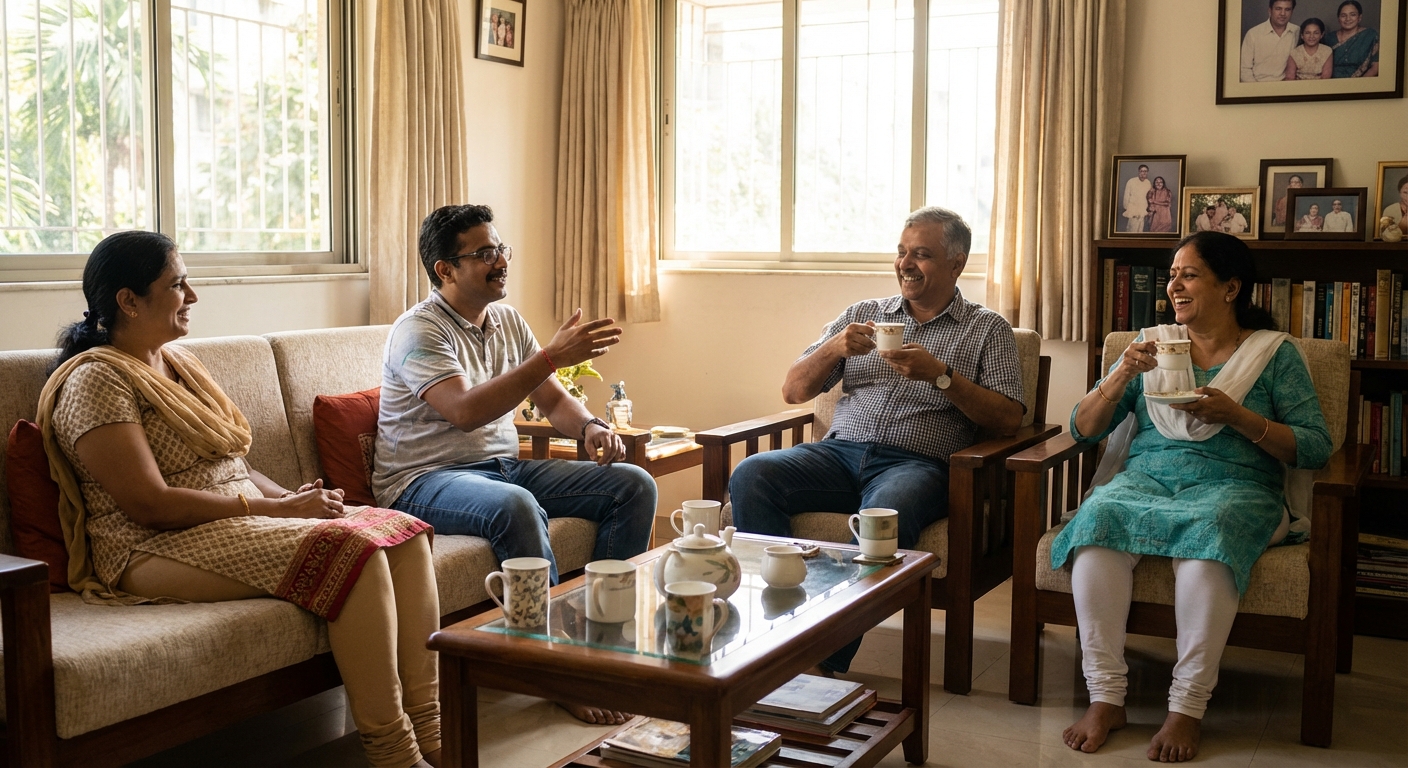
In my fifteen years of clinical practice here in Hyderabad, I have witnessed one truth emerge consistently: the quality of our relationships profoundly shapes the quality of our mental health. Whether working with young professionals in Gachibowli struggling with workplace stress, or elderly individuals in Secunderabad coping with the loss of a spouse, the presence or absence of a strong support network often determines the trajectory of healing.
Human beings are inherently social creatures. Our brains evolved in communities where survival depended on cooperation, and this deep-seated need for connection remains hardwired into our psychology. Yet in our rapidly urbanizing society, many Indians find themselves surrounded by millions of people while feeling profoundly alone.
Why Social Connection Matters for Mental Health
Research in social psychology and neuroscience has established beyond doubt that social connection is not merely pleasant but essential for our wellbeing. When we experience genuine connection with others, our brains release oxytocin, often called the "bonding hormone," which reduces stress hormones and promotes feelings of trust and safety.
I recall Meera, a 34-year-old IT professional who came to see me after experiencing panic attacks. She had relocated to Hyderabad from Chennai for a promising career opportunity, leaving behind her family, college friends, and the familiar neighbourhood where she had grown up. Despite her professional success, she found herself eating dinner alone most nights, scrolling through social media, and feeling an inexplicable heaviness that she could not name.
What Meera was experiencing is what researchers call "social isolation," and its effects on mental and physical health are comparable to smoking fifteen cigarettes a day. Studies show that individuals with strong social connections have:
- Lower rates of anxiety and depression
- Higher self-esteem and greater empathy
- Stronger immune systems
- Better cardiovascular health
- Longer life expectancy
Understanding the Types of Support
Not all support serves the same purpose, and understanding these distinctions can help you identify gaps in your own network. In my practice, I encourage clients to think about three primary types of support:
Emotional Support involves having people who listen without judgment, validate your feelings, and offer comfort during difficult times. This might be your spouse who holds you when you cry after a hard day, or a friend who simply says, "That sounds really difficult."
Practical Support refers to tangible assistance with daily tasks or during crises. This could be a neighbour who picks up your children from school when you are stuck in traffic, or a colleague who helps you prepare for an important presentation.
Informational Support provides guidance, advice, and knowledge that helps you navigate challenges. This might be an uncle who mentors you in your career, or a fellow parent who shares tips about managing a toddler's tantrums.
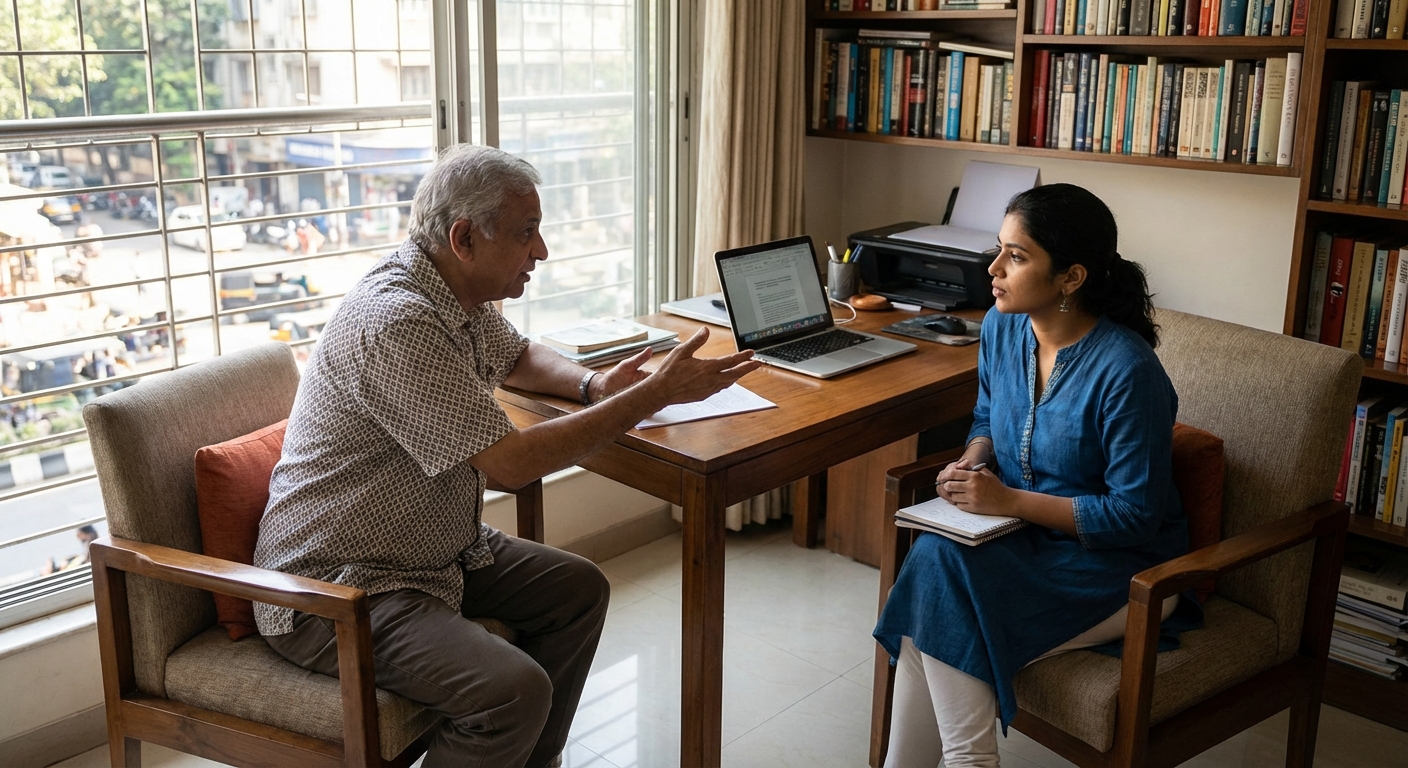
Rajesh, a 45-year-old entrepreneur I worked with, had an extensive business network but realized during our sessions that almost all his relationships were transactional. He had dozens of people he could call for business advice (informational support) but struggled to name anyone he could turn to when his marriage was going through a rough patch (emotional support). This imbalance left him feeling deeply isolated despite his busy social calendar.
Quality Over Quantity: The Five-Person Theory
It is tempting to measure the strength of your support network by counting Instagram followers or WhatsApp group memberships. However, research consistently shows that the quality of our relationships matters far more than the quantity.
The British anthropologist Robin Dunbar proposed that humans can maintain meaningful relationships with approximately 150 people, but within this circle, we typically have only 5 people with whom we share deep, intimate bonds. These are the individuals who would drop everything to help us in a crisis, and for whom we would do the same.
I often ask my clients: "If you received devastating news at two in the morning, who would you call?" The names that come to mind form your innermost circle, and investing in these relationships yields the greatest returns for your mental health.
This does not mean that casual friendships and acquaintances are worthless. These "weak ties" serve important functions, providing diverse perspectives, professional opportunities, and a sense of community belonging. However, they cannot substitute for deep connections.
Mapping Your Current Support Network
Before you can strengthen your support network, you must understand its current shape. I recommend a simple exercise that I use with my clients:
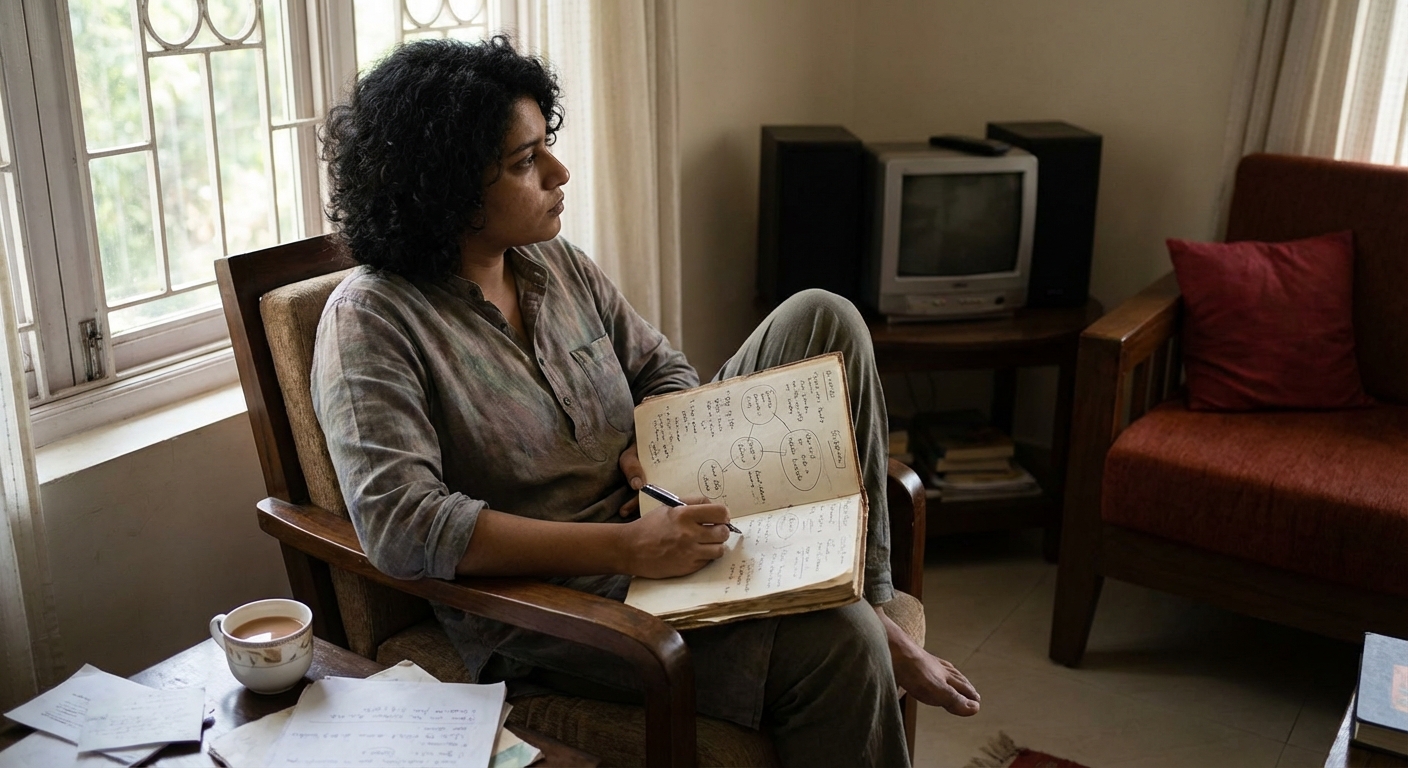
Draw three concentric circles on a piece of paper. In the innermost circle, write the names of people you could call at 2 AM during a crisis. In the middle circle, place close friends and family with whom you share regular, meaningful contact. In the outer circle, include acquaintances, colleagues, and extended connections.
Now examine what you have drawn. Are there any circles that feel sparse? Are your supporters clustered in one area of life (say, all work colleagues) while other areas (spiritual community, hobby groups) are empty? Do you have a mix of ages, perspectives, and backgrounds?
Kavitha, a 28-year-old medical resident, discovered through this exercise that her entire support network consisted of fellow doctors. While they understood her professional challenges, she lacked connections outside medicine who could help her maintain perspective and balance.
Nurturing Existing Relationships
The most efficient investment in your support network is strengthening relationships you already have. In our busy lives, it is easy to take close relationships for granted, assuming they will endure without active cultivation. But like plants, relationships require regular attention to thrive.
Here are strategies I share with my clients:
Schedule regular connection rituals. This might be a weekly phone call with your mother, a monthly dinner with college friends, or a daily fifteen-minute conversation with your spouse without phones or television. Rituals create reliability and deepen trust.
Practice vulnerability. Many of my clients, particularly men, have been socialized to hide their struggles. But relationships deepen when we share our authentic selves, including our fears and failures. When Arjun, a 40-year-old banker, finally told his closest friend about his anxiety, he was surprised to learn that his friend had struggled with similar issues. Their friendship transformed from surface-level to deeply supportive.
Be present during difficult times. In Indian culture, we understand the importance of being present during crises, whether attending a funeral, visiting someone in hospital, or simply sitting with a friend who has received bad news. These moments of presence are remembered and cement bonds.
Express gratitude explicitly. Do not assume people know you appreciate them. Tell them. A simple "I am grateful to have you in my life" can strengthen a relationship significantly.
Making New Connections as an Adult
One of the most common concerns I hear from clients is the difficulty of making friends as an adult. The organic friendship-forming environment of school and college is gone, replaced by busy schedules, professional obligations, and domestic responsibilities.
Yet making new friends as an adult is not only possible but often results in more meaningful connections, as we have greater self-awareness about who we are and what we need.
Follow your interests. Join a trekking group, take a painting class, or become active in your residential association. Shared activities provide natural conversation topics and repeated exposure, which research shows is essential for friendship formation.
Leverage existing connections. Ask your current friends to introduce you to their other friends. Attend gatherings and say yes to social invitations, even when your energy is low.
Be patient. Research suggests that it takes approximately 50 hours of interaction to move from acquaintance to casual friend, and over 200 hours to develop a close friendship. Adult friendships rarely develop as quickly as childhood ones did.
Take initiative. Many adults wait to be invited rather than initiating. If you enjoyed a conversation with someone, suggest meeting for coffee. The worst that can happen is they decline; the best is a new friendship.
The Indian Context: Community Structures and Their Evolution
India has traditionally been a collectivist society where support networks were built into the fabric of daily life. The joint family system, neighbourhood communities, and religious gatherings ensured that most individuals had multiple layers of support.
However, urbanization has dramatically altered these structures. Nuclear families have become the norm in cities like Hyderabad. Many young professionals live far from their parents and siblings. The apartment complex has replaced the neighbourhood, often with minimal interaction between residents.

Yet these traditional structures still offer valuable lessons. The emphasis on intergenerational relationships, the rituals that bring communities together, and the normalization of interdependence all contribute to mental health in ways that Western models of independence may overlook.
I encourage my clients to actively recreate elements of traditional community in their modern lives. This might mean building relationships with neighbours in your apartment complex, joining community groups based on regional or linguistic identity, or participating in religious or spiritual communities if that aligns with your values.
Venkat, a 52-year-old who had lived in the same Hyderabad apartment complex for eight years without knowing his neighbours, decided to organize a Diwali celebration in the common area. What began as a tentative gathering became an annual tradition, and Venkat found himself surrounded by a neighbourhood community he had not realized he was missing.
Setting Boundaries in Supportive Relationships
A common misconception is that supportive relationships require unlimited availability and sacrifice. In reality, sustainable support requires healthy boundaries. Without boundaries, relationships become sources of stress rather than support, leading to resentment and eventual rupture.
Boundaries might include:
- Limiting the time you spend listening to a friend who only complains but never takes action
- Declining requests that compromise your own wellbeing
- Being honest when you do not have the capacity to provide support at a given moment
- Protecting your marriage or immediate family from the demands of extended family
Online Versus Offline Connections
In our digital age, a significant portion of social interaction occurs online. WhatsApp groups, social media platforms, and video calls have become integral to how we maintain relationships, particularly with loved ones who live far away.
Online connections offer genuine benefits. They allow us to maintain relationships across distances, find communities of people who share our specific interests or challenges, and provide a sense of connection during times when physical gathering is impossible.
However, online connections cannot fully replace in-person interaction. Physical presence activates our social bonding systems in ways that screens cannot replicate. The nuances of body language, the regulation that occurs through physical touch, and the shared experience of being in the same space all contribute to deeper connection.
I advise my clients to view online and offline connections as complementary rather than substitutable. Use digital tools to maintain relationships between in-person meetings, but prioritize face-to-face interaction for your closest relationships.

When Professional Support Is Needed
A strong personal support network is invaluable, but there are times when professional help becomes necessary. Friends and family, no matter how loving, are not trained to address clinical mental health conditions like depression, anxiety disorders, or trauma.
Consider seeking professional support when:
- You are experiencing symptoms that significantly impair your daily functioning
- Your struggles are persisting despite the support of friends and family
- You find yourself relying too heavily on one or two people, placing strain on those relationships
- You need objective guidance that loved ones cannot provide due to their emotional involvement
- You want to develop specific skills like managing anxiety or improving communication
Taking the First Step
Building a strong support network is not accomplished overnight. It requires intentional effort sustained over time. But the investment yields profound returns for your mental health, your resilience, and your overall quality of life.
I encourage you to begin today with one small step. Perhaps it is reaching out to a friend you have lost touch with, initiating a conversation with a neighbour, or honestly assessing which relationships deserve more of your time and energy.
If you are finding it difficult to build or maintain supportive relationships, or if you are struggling with feelings of isolation and loneliness, I invite you to schedule a consultation at my practice in Hyderabad. Together, we can explore the barriers to connection in your life and develop strategies tailored to your unique circumstances and needs.
Remember, seeking support, whether from friends, family, or professionals, is not a sign of weakness. It is an acknowledgment of our fundamental human nature and a courageous step toward a healthier, more fulfilling life.
---About the Author
Sudheer Sandra is a licensed clinical psychologist based in Hyderabad with over fifteen years of experience helping individuals, couples, and families navigate mental health challenges. His practice integrates evidence-based therapeutic approaches with cultural sensitivity, recognizing the unique context of Indian family and social structures. Sudheer is passionate about reducing stigma around mental health and making psychological support accessible to all. He offers consultations at his Hyderabad clinic and is available for online sessions for clients across India.
To schedule an appointment or learn more about building your support network, contact Sudheer Sandra's practice in Hyderabad today.