Building Self-Esteem: A Practical Guide to Valuing Yourself

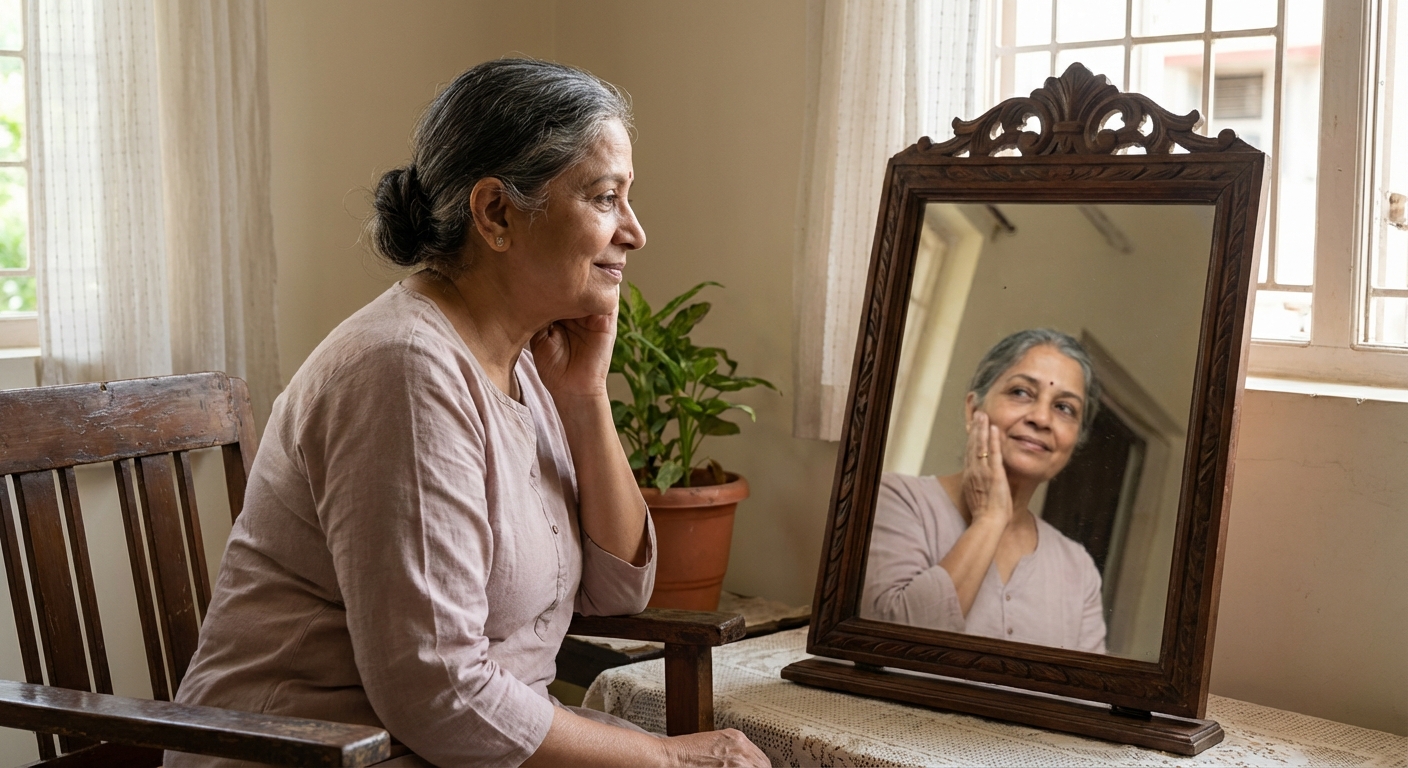
A few months ago, a young software professional walked into my Hyderabad clinic. Priya (name changed) had everything that society typically celebrates: a prestigious job at a multinational company, a loving family, and academic achievements that would make any parent proud. Yet, she sat across from me with tears streaming down her face, saying, "I feel like a fraud. No matter what I achieve, I never feel good enough."
Priya's story is not unique. In my 15 years as a psychologist and career counselor, I have witnessed countless individuals from all walks of life struggle with the same invisible wound: low self-esteem. From college students paralyzed by the fear of failure to senior executives who cannot accept a compliment, the epidemic of self-doubt touches us all.
Today, I want to share with you the practical strategies and psychological insights that have helped hundreds of my clients rebuild their sense of self-worth. This is not about empty affirmations or toxic positivity. This is about understanding the roots of low self-esteem and taking meaningful steps toward valuing yourself.
Understanding Self-Esteem: More Than Just Confidence
Before we can build self-esteem, we must first understand what it truly means. Self-esteem is not the same as confidence, though many people confuse the two. Confidence is about your belief in your abilities to perform specific tasks. Self-esteem runs deeper. It is your fundamental sense of worthiness as a human being, independent of your achievements, appearance, or the approval of others.
I often explain it to my clients this way: confidence is knowing you can swim; self-esteem is believing you deserve to be saved if you start drowning.
In our Indian context, self-esteem carries additional complexity. We grow up in a culture that emphasizes humility, often to the point where acknowledging our own worth feels like arrogance. We are taught to prioritize family honor, societal expectations, and community approval over our individual sense of self. While these values have their place, they can sometimes leave us feeling that our worth is entirely dependent on external validation.
The Three Pillars of Self-Esteem
Psychological research, particularly the work of Dr. Nathaniel Branden, identifies several key components that form the foundation of healthy self-esteem:
Self-Efficacy: The belief that you can handle life's challenges and are competent to think and make decisions.
Self-Respect: The conviction that you are worthy of happiness, love, and success simply because you exist.
Self-Acceptance: The ability to acknowledge all parts of yourself, including your flaws, without harsh judgment.
When any of these pillars is weakened, our entire sense of self begins to wobble.
Recognizing the Signs of Low Self-Esteem
One of the first steps in my work with clients is helping them recognize how low self-esteem manifests in their daily lives. Often, we become so accustomed to these patterns that we mistake them for our personality.
Here are some common signs I encounter:
- Constantly comparing yourself to others and always feeling you fall short
- Difficulty accepting compliments (dismissing them or feeling uncomfortable)
- Fear of expressing your opinions or needs
- Perfectionism that leads to procrastination or burnout
- Staying in unhealthy relationships because you feel you do not deserve better
- Negative self-talk that you would never use with a friend
- Excessive people-pleasing at the cost of your own well-being
The Roots of Low Self-Esteem
To truly heal, we must understand where our self-esteem wounds originate. In my practice, I have observed several common sources:
Childhood Experiences
Our earliest experiences form the template for how we see ourselves. Critical parents, harsh teachers, bullying from peers, or even well-meaning comparisons with siblings can plant seeds of inadequacy that grow throughout our lives.
I have worked with clients in their fifties who still carry the weight of a parent's offhand comment from childhood. "You'll never be as smart as your brother" or "Why can't you be more like your cousin?" become internal scripts that play on repeat for decades.
Cultural and Societal Pressures
In India, we face unique pressures that can erode self-esteem. The emphasis on academic achievement, the pressure to pursue certain "respectable" careers, expectations around marriage and family, and the weight of "log kya kahenge" (what will people say) can make us feel that our worth is always being measured against some impossible standard.
Past Failures and Trauma
Significant setbacks, whether in education, career, or relationships, can shake our belief in ourselves. Trauma, in particular, can fundamentally alter how we perceive our worth and our place in the world.
Practical Strategies for Building Self-Esteem
Now, let us move to what you can actually do to strengthen your self-esteem. These are strategies I have seen work repeatedly in my practice.
1. Practice Self-Compassion
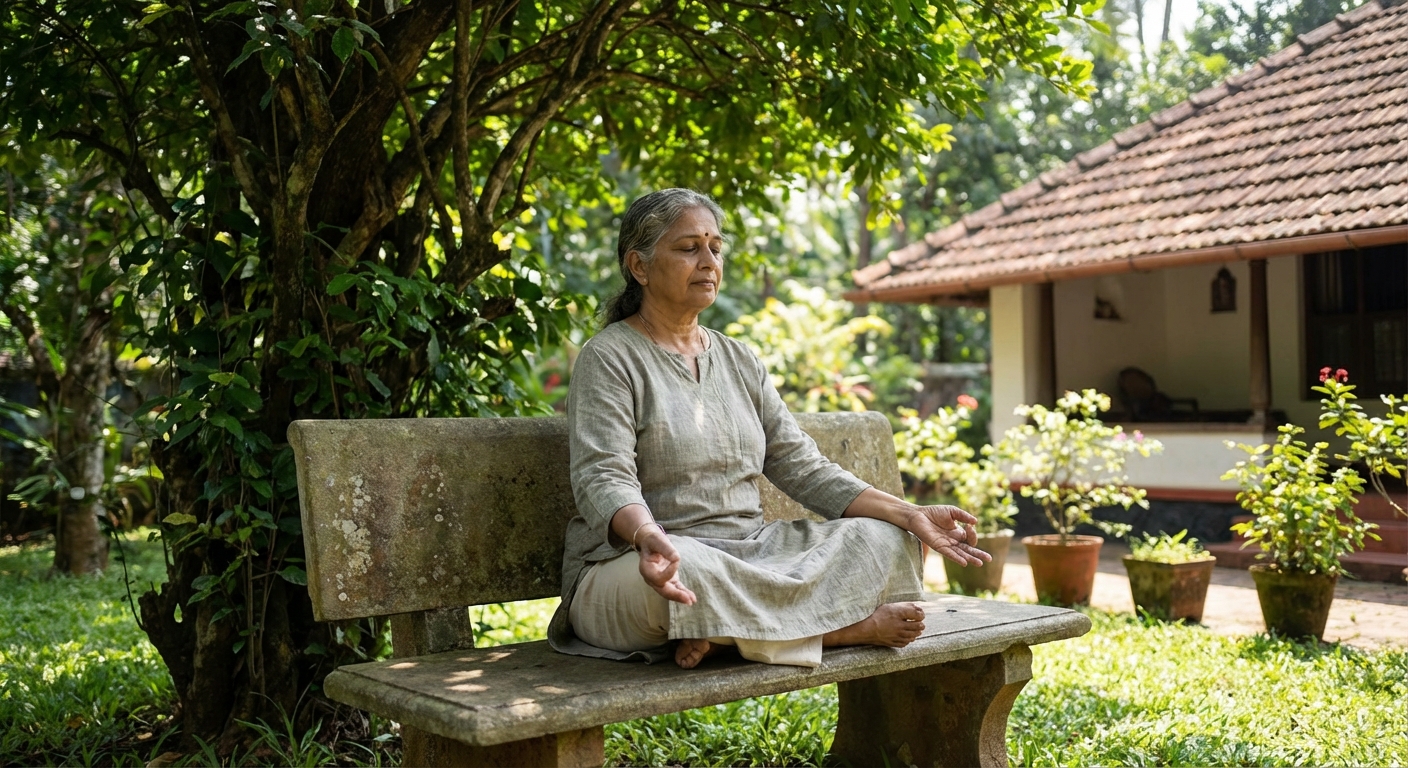
Dr. Kristin Neff's research on self-compassion has been transformative in the field of psychology. Self-compassion involves treating yourself with the same kindness you would offer a good friend.
When you make a mistake, instead of berating yourself, try this exercise: Imagine a close friend came to you with the same problem. What would you say to them? Now, say those same words to yourself.
I teach my clients to develop a "compassionate inner voice" to counter their critical one. It takes practice, but over time, this voice becomes stronger.
2. Challenge Your Inner Critic
Low self-esteem is often maintained by a harsh inner critic that distorts reality. Learning to identify and challenge these distorted thoughts is crucial.
Common thinking patterns to watch for include:
- All-or-nothing thinking: "If I'm not perfect, I'm a complete failure"
- Mind reading: "Everyone thinks I'm incompetent"
- Discounting positives: "That success doesn't count because anyone could have done it"
3. Set and Achieve Small Goals
Self-efficacy, one of the pillars of self-esteem, is built through mastery experiences. Start setting small, achievable goals and follow through on them. Each accomplishment, no matter how minor, sends a message to your brain that you are capable.
I often recommend starting with goals so small they seem almost trivial. Want to start exercising? Commit to just five minutes a day. Want to learn a new skill? Spend ten minutes daily. Success breeds success.
4. Establish Healthy Boundaries
Many people with low self-esteem struggle to say no. They believe that setting boundaries will make others dislike them or see them as selfish. In reality, healthy boundaries are essential for self-respect.
Start practicing with small boundaries. If a colleague asks you to take on extra work when you are already overwhelmed, try saying, "I would like to help, but I cannot take this on right now." Notice that the world does not end.
5. Curate Your Environment
The people we surround ourselves with significantly impact our self-perception. Take an honest inventory of your relationships. Who leaves you feeling energized and valued? Who consistently makes you feel small or inadequate?
While we cannot always eliminate negative influences, we can consciously increase our exposure to supportive, encouraging people.

6. Practice Gratitude for Yourself
We often practice gratitude for external things, but rarely for ourselves. Try keeping a "self-appreciation journal" where you note things you did well each day, challenges you faced with courage, or qualities you exhibited.
This is not about ego or arrogance. It is about giving yourself the same recognition you would give a friend.
7. Seek Professional Support
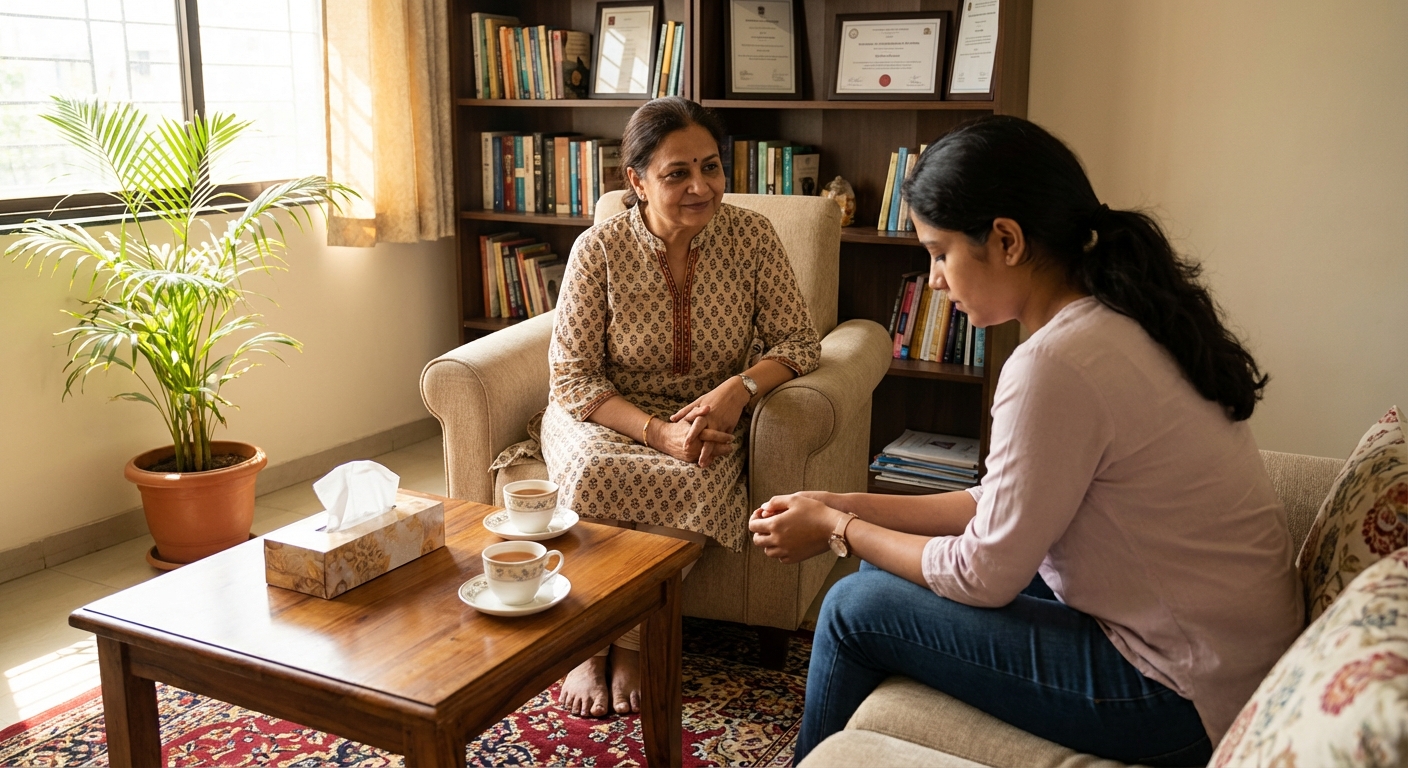
Sometimes, low self-esteem is deeply rooted in past experiences that are difficult to process alone. Working with a trained psychologist can provide the safe space and professional guidance needed to heal these wounds.
There is no shame in seeking help. In fact, recognizing that you need support and taking steps to get it is itself an act of self-respect.
The Journey, Not the Destination
Building self-esteem is not a linear process. There will be good days and difficult days. There will be moments when old patterns resurface and you feel like you are back at square one. This is normal and expected.
What matters is your commitment to the journey. Each time you choose self-compassion over self-criticism, each time you set a boundary, each time you challenge a negative thought, you are rebuilding the foundation of your self-worth.
I think of Priya, whom I mentioned at the beginning. After six months of therapy, she told me, "I still have moments of doubt. But now I have tools to handle them. And more importantly, I finally believe that I am worthy of my own kindness."
That transformation is possible for you too.

Taking the First Step
If you have recognized yourself in any part of this article, I want you to know that change is possible. You are not defined by your past experiences or current struggles. The very fact that you are reading this, seeking to understand and improve, shows remarkable strength.
Building self-esteem takes time, patience, and often professional guidance. If you are ready to begin this journey, I invite you to reach out. At my practice in Hyderabad, I work with individuals to uncover the roots of low self-esteem and develop personalized strategies for building a healthier relationship with themselves.
You deserve to feel worthy. You deserve to value yourself. And you deserve support on this journey.
---Sudheer Sandra is a licensed psychologist and career counselor based in Hyderabad, India, with over 15 years of experience helping individuals overcome personal and professional challenges. He specializes in self-esteem building, career counseling, and helping clients navigate life transitions with greater confidence and clarity.