Building Resilience in Children: A Parent's Complete Guide


As a psychologist working with families in Hyderabad for over fifteen years, I have witnessed something remarkable: children who face similar challenges often have vastly different outcomes. Some crumble under pressure, while others seem to bounce back stronger than before. The difference? Resilience.
If you are reading this, you are probably wondering how to help your child develop this invaluable quality. Perhaps your child struggles with disappointment, gets easily frustrated, or finds it hard to cope with change. I want you to know that resilience is not a trait some children are simply born with—it is a skill that can be nurtured, developed, and strengthened over time.
In this guide, I will share practical strategies drawn from my clinical experience and the latest research in child psychology. These are the same approaches I discuss with parents in my counseling sessions, and I have seen them transform countless families.
What Is Resilience and Why Does It Matter?
Resilience is often described as the ability to bounce back from adversity, but I prefer to think of it as something deeper. True resilience is the capacity to adapt, grow, and even find meaning in difficult experiences. It is not about avoiding pain or pretending everything is fine—it is about developing the inner resources to navigate life's inevitable storms.
In my practice, I have seen resilient children:
- Recover more quickly from disappointments and setbacks
- Maintain healthier relationships with peers and family
- Perform better academically, not because they are smarter, but because they persist
- Show lower rates of anxiety and depression as they grow older
- Develop stronger problem-solving skills
The Five Pillars of Childhood Resilience
Through my years of working with children and families, I have identified five foundational elements that contribute to resilient children. Think of these as the building blocks upon which emotional strength is constructed.
1. Secure Attachments and Emotional Safety
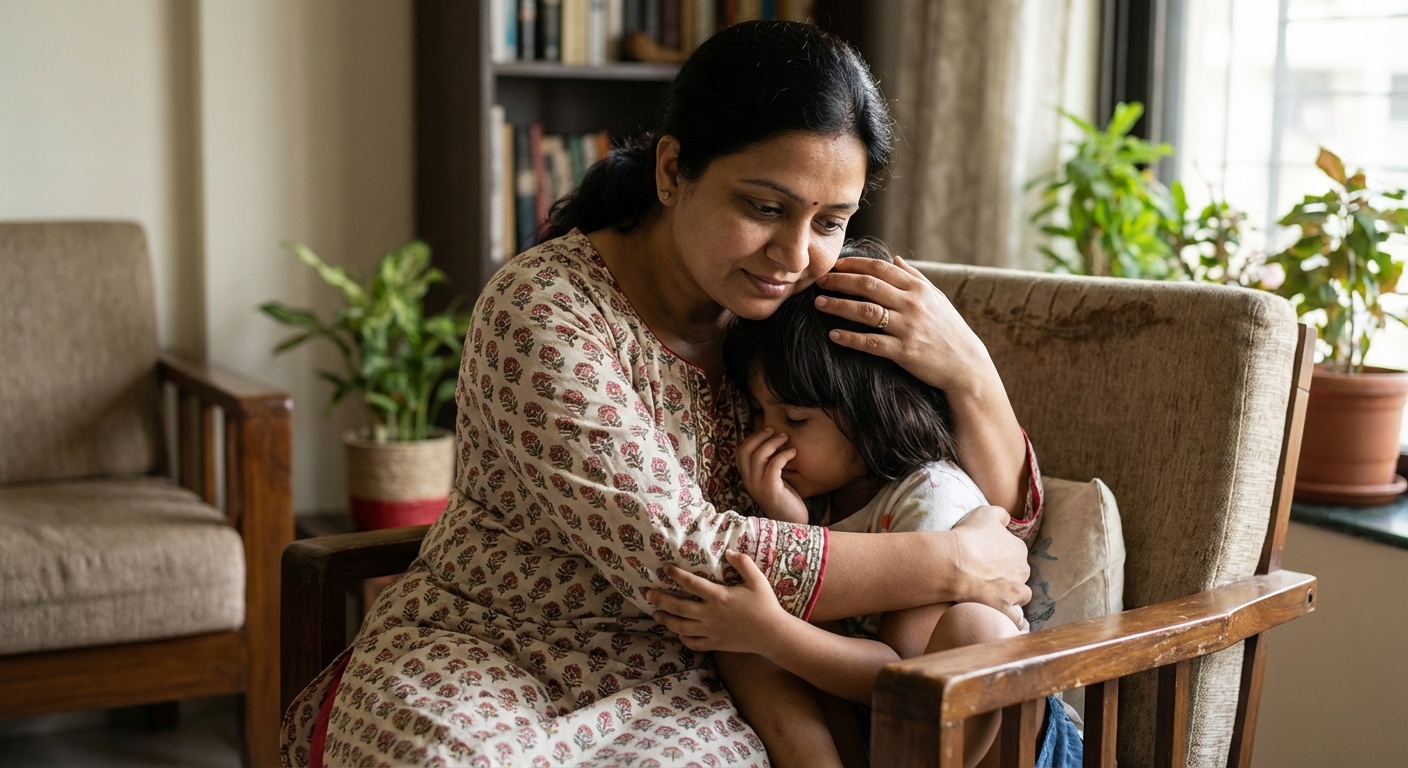
Before a child can face the world's challenges, they need to know they have a safe harbor to return to. This does not mean shielding your child from all difficulties—it means ensuring they know, deep in their bones, that they are loved unconditionally.
Practical steps you can take:
- Practice daily rituals of connection, even if brief (morning hugs, bedtime conversations)
- When your child is upset, resist the urge to fix the problem immediately—first, validate their feelings
- Use phrases like "I am here with you" and "We will figure this out together"
- Be physically present during difficult moments—sometimes sitting quietly beside them is enough
2. Emotional Intelligence and Expression
Many parents I counsel in Hyderabad come from backgrounds where emotional expression was not encouraged. "Be strong" often meant "do not show weakness." But research consistently shows that children who can identify, express, and regulate their emotions are far more resilient.
How to nurture emotional intelligence:
- Name emotions for young children: "It looks like you are feeling frustrated because your tower fell down"
- Create an "emotion vocabulary" by discussing feelings during stories, movies, or daily events
- Model healthy emotional expression yourself—let your child see that adults have big feelings too
- Avoid dismissing emotions with phrases like "stop crying" or "it is not a big deal"
- Teach that all emotions are valid, even uncomfortable ones
3. Problem-Solving Skills and Agency
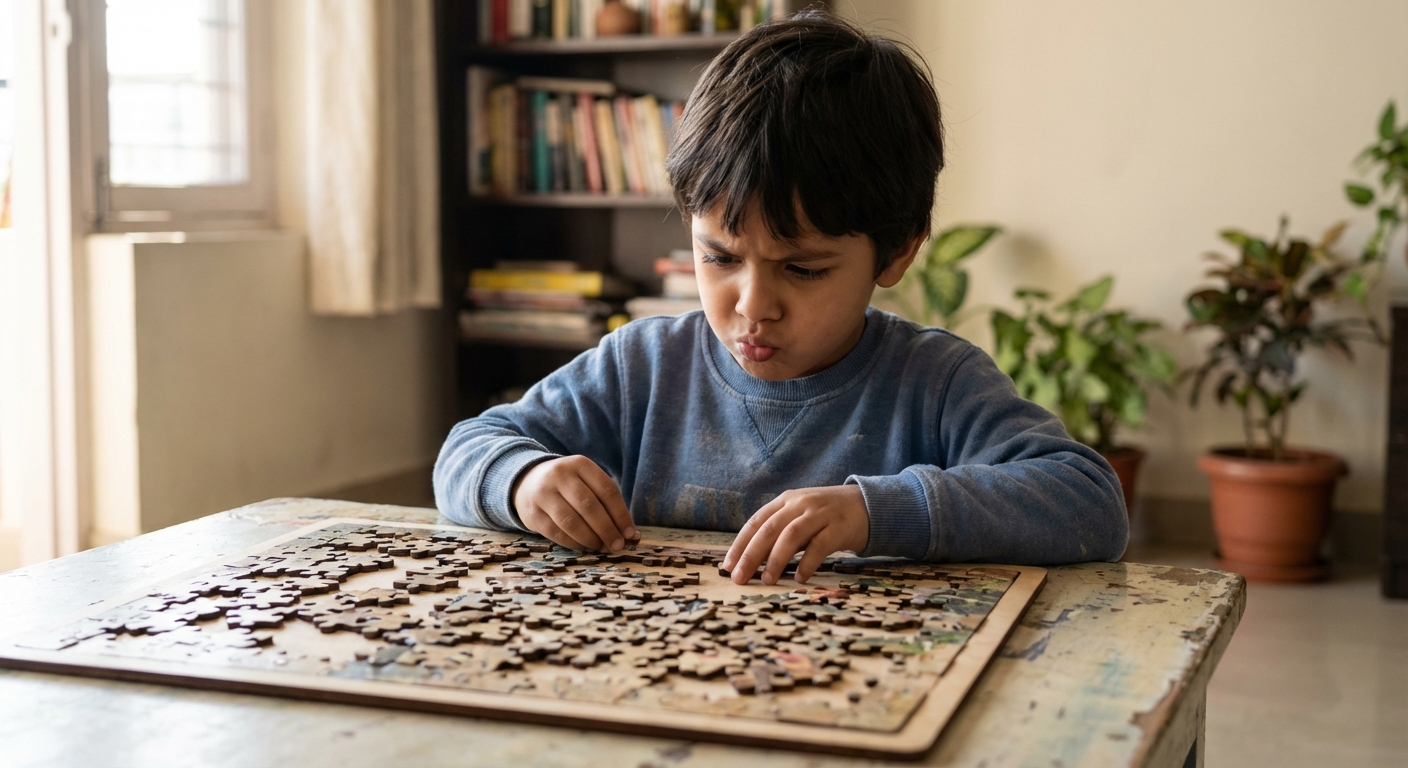
Resilient children believe they have some control over their circumstances. They see challenges as problems to be solved rather than insurmountable obstacles. This sense of agency is crucial.
Building problem-solving skills:
- When your child faces a challenge, ask "What do you think we could try?" before offering solutions
- Break big problems into smaller, manageable steps together
- Celebrate effort and strategy, not just outcomes
- Allow age-appropriate independence—let them struggle a little before stepping in
- Share stories of times you faced challenges and how you worked through them
4. Realistic Optimism
There is an important distinction between blind optimism ("everything will be fine") and realistic optimism ("this is hard, but I can handle it"). Resilient children develop the latter—a hopeful outlook grounded in their actual capabilities and past experiences of overcoming difficulties.
Cultivating realistic optimism:
- Help your child recall times they successfully navigated challenges
- Reframe setbacks as temporary and specific, not permanent and pervasive
- Teach the concept of "yet"—"I cannot do this yet" instead of "I cannot do this"
- Discuss what can be learned from difficult experiences
- Point out their growth and progress over time
5. Strong Social Connections
Humans are inherently social beings, and this is especially true for children. Having supportive relationships outside the family—with friends, teachers, extended family, or community members—provides additional resources during difficult times.
Strengthening social connections:
- Encourage participation in group activities aligned with your child's interests
- Teach and model healthy friendship skills
- Maintain connections with extended family and community
- Help your child identify trusted adults they can turn to
- Discuss what makes a good friend and how to be one
Common Mistakes Parents Make (And How to Avoid Them)
In my counseling practice, I see well-meaning parents inadvertently undermining their children's resilience. Here are patterns I frequently encounter:
Over-Protecting
When we rush to remove every obstacle from our child's path, we rob them of opportunities to develop coping skills. A child who has never experienced disappointment will be devastated by their first real setback.
Instead: Allow age-appropriate challenges. Let your child experience natural consequences when it is safe to do so. Be there to support, not to rescue.
Dismissing Emotions
"You are fine" or "stop making a big deal out of nothing" teaches children that their feelings are wrong or unimportant. This leads to suppression rather than healthy processing.
Instead: Validate first, problem-solve later. "I can see you are really upset about this. That makes sense."
Focusing Only on Achievement
When we praise only outcomes—grades, wins, achievements—children learn that their worth is conditional. They become afraid to take risks or try new things for fear of failure.
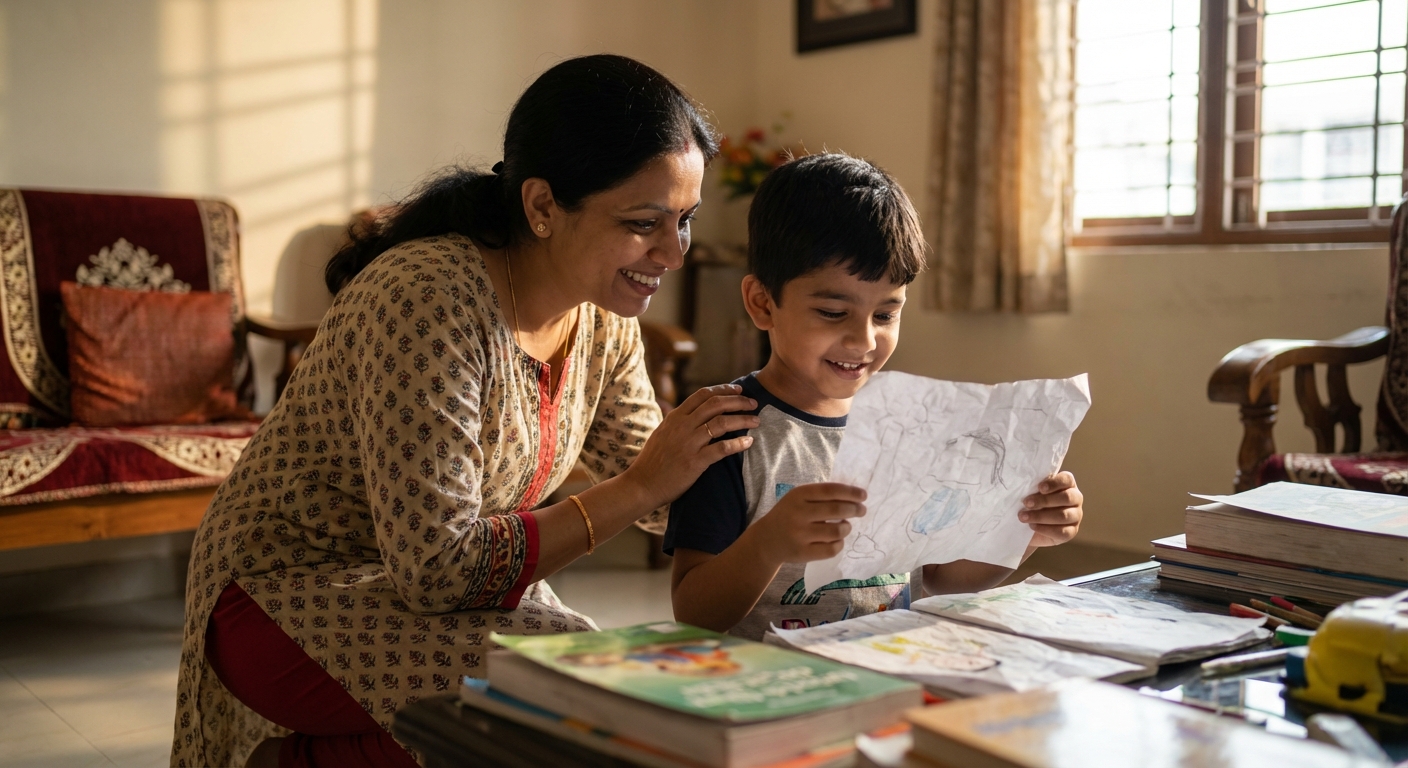
Instead: Praise effort, strategy, and improvement. "I noticed how hard you worked on that" or "You tried a different approach when the first one did not work—that is great problem-solving."
Age-Appropriate Resilience Building
Resilience-building looks different at various developmental stages. Here is a brief guide:
Toddlers and Preschoolers (2-5 years)
- Focus on emotional labeling and co-regulation
- Provide consistent routines that create security
- Offer simple choices to build a sense of control
- Read books about characters who face and overcome challenges
- Celebrate small acts of bravery and independence
School-Age Children (6-12 years)
- Encourage problem-solving with guidance
- Discuss emotions and coping strategies openly
- Allow them to experience and recover from minor failures
- Support friendships and social skill development
- Involve them in family discussions and decisions
Teenagers (13-18 years)
- Respect their growing need for autonomy
- Be available without being intrusive
- Help them develop long-term thinking and planning
- Discuss real-world challenges and how people cope
- Support identity exploration and healthy risk-taking
When Professional Help Is Needed
While all children face challenges, some struggles indicate a need for professional support. Consider seeking help from a child psychologist or counselor if your child:
- Shows persistent anxiety or sadness that interferes with daily life
- Has experienced trauma or significant loss
- Demonstrates extreme difficulty with emotional regulation
- Shows sudden changes in behavior, sleep, or appetite
- Talks about hopelessness or harming themselves
Building Your Own Resilience as a Parent
Here is something I always tell parents: you cannot pour from an empty cup. Your own emotional regulation, stress management, and coping skills directly impact your child's development. Children learn more from watching us than from listening to our instructions.
Take time to:
- Process your own stress and emotions
- Maintain connections with supportive adults
- Practice self-compassion when you make parenting mistakes
- Model healthy coping strategies
- Seek your own support when needed
Conclusion: The Gift of Resilience
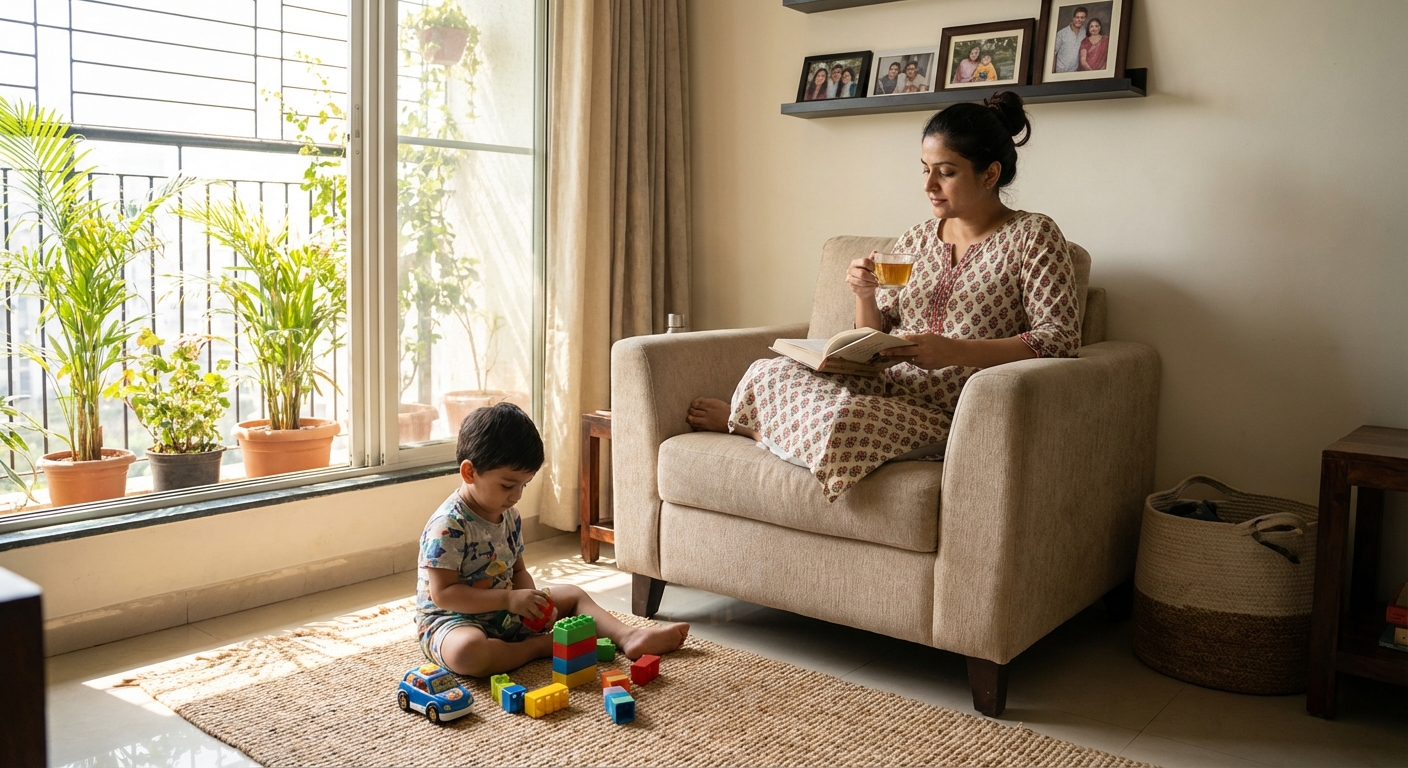
Building resilience in your child is not about a single conversation or technique—it is about creating an environment where they feel safe enough to struggle, supported enough to try again, and confident enough to believe in their own capacity to cope.
In my fifteen years of practice, I have learned that resilient children are not those who never face hardship. They are the ones who have learned, through experience and support, that they can survive difficult moments and emerge stronger on the other side.
Start small. Choose one or two strategies from this guide and begin implementing them today. Be patient with yourself and your child—resilience takes time to develop. And remember, every time you help your child navigate a challenge rather than avoiding it, you are giving them a gift that will serve them for a lifetime.
If you would like personalized guidance on building resilience in your child, or if you are concerned about your child's emotional well-being, I am here to help. Feel free to reach out for a consultation at my Hyderabad practice.
---Sudheer Sandra is a licensed psychologist and career counselor based in Hyderabad, India, with over 15 years of experience helping children, adolescents, and families thrive. He specializes in child psychology, parenting support, and career guidance.