Overcoming Negative Body Image: Building a Healthier Relationship with Your Body

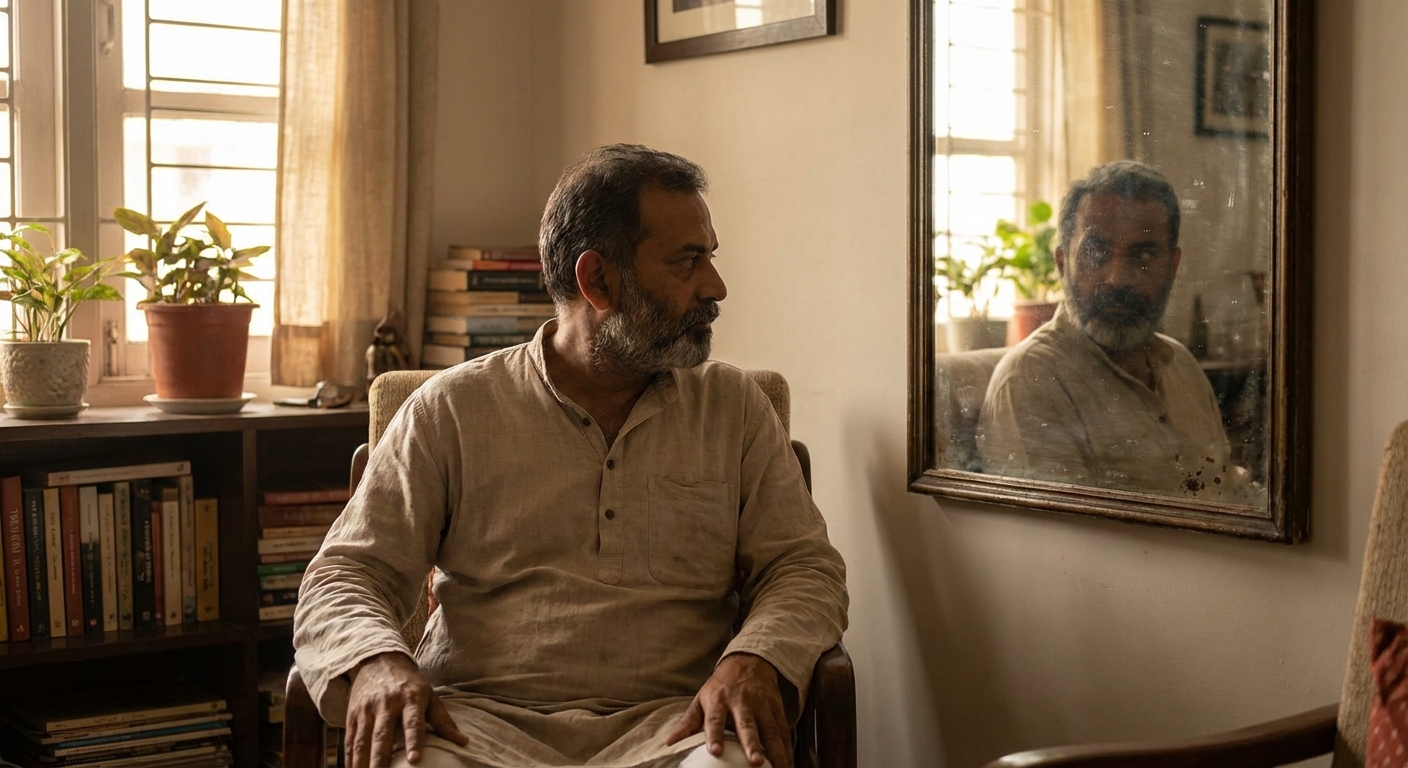
Meera sat in my clinic in Hyderabad, her eyes fixed on the floor. At 28, she was a successful architect with a promising career, yet she had spent the last decade at war with her own reflection. "I cannot remember the last time I looked in a mirror without feeling disgusted," she confessed. "I skip family functions, avoid photographs, and have turned down promotions because they required client presentations. My body has become my prison."
Meera's struggle is far more common than most people realize. In my 15 years as a psychologist and career counselor, I have witnessed how negative body image silently devastates lives, affecting everything from career choices to intimate relationships. It does not discriminate based on age, gender, profession, or actual body size. I have worked with underweight clients who felt "too fat" and athletes who saw only flaws in their reflection.
Today, I want to share what I have learned about body image, its psychological roots, and most importantly, the path toward building a healthier relationship with the body you inhabit.
Understanding Body Image: More Than What You See
Body image is not simply about how you look. It is the mental picture you have of your body, combined with the thoughts, feelings, and behaviors that arise from that picture. You might be surprised to learn that body image has very little correlation with actual appearance. Some of the most conventionally attractive individuals I have treated have had severely negative body image, while others who do not fit society's narrow standards have developed a peaceful, appreciative relationship with their bodies.
Body image exists on a spectrum. On one end, there is body positivity, where a person genuinely appreciates and celebrates their body. On the other end lies body dysmorphia, a clinical condition where perceived flaws become obsessive preoccupations that significantly impair daily functioning. Most people fall somewhere in between, experiencing what we call negative body image, a persistent dissatisfaction with their physical appearance that affects their quality of life.
The Four Components of Body Image
Research in psychology identifies four key dimensions of body image:
Perceptual: How you see your body (which can differ significantly from how others see it or how it actually appears)
Affective: The feelings you have about your body, including satisfaction or dissatisfaction
Cognitive: The thoughts and beliefs you hold about your body
Behavioral: The actions you take as a result of your body image, such as avoiding social situations or excessive exercise
When working with clients like Meera, I assess all four dimensions to understand the full picture of their struggle.
The Roots of Negative Body Image
Understanding where body image issues originate is crucial for healing. In my practice, I have identified several common sources that shape how we perceive our bodies.
Childhood Messages and Family Dynamics
Our earliest messages about bodies often come from family. Well-meaning relatives who comment on a child's weight, parents who criticize their own bodies in front of their children, or the subtle comparisons between siblings can plant seeds of body dissatisfaction that grow over decades.
I worked with Vikram, a 35-year-old engineer who could not trace his body shame to any single event. Through our sessions, he recalled how his mother would pinch his stomach and say "getting chubby, no?" at every family gathering. These comments, delivered casually and even affectionately, had accumulated into a deep-seated belief that his body was something to be monitored and criticized.
Cultural and Social Influences
In India, we face a unique intersection of traditional beauty standards and globalized media influence. Fair skin, specific body types, and certain physical features are celebrated while others are marginalized. Matrimonial advertisements still commonly specify "fair, slim" as requirements, reinforcing the message that only certain bodies are worthy of love.
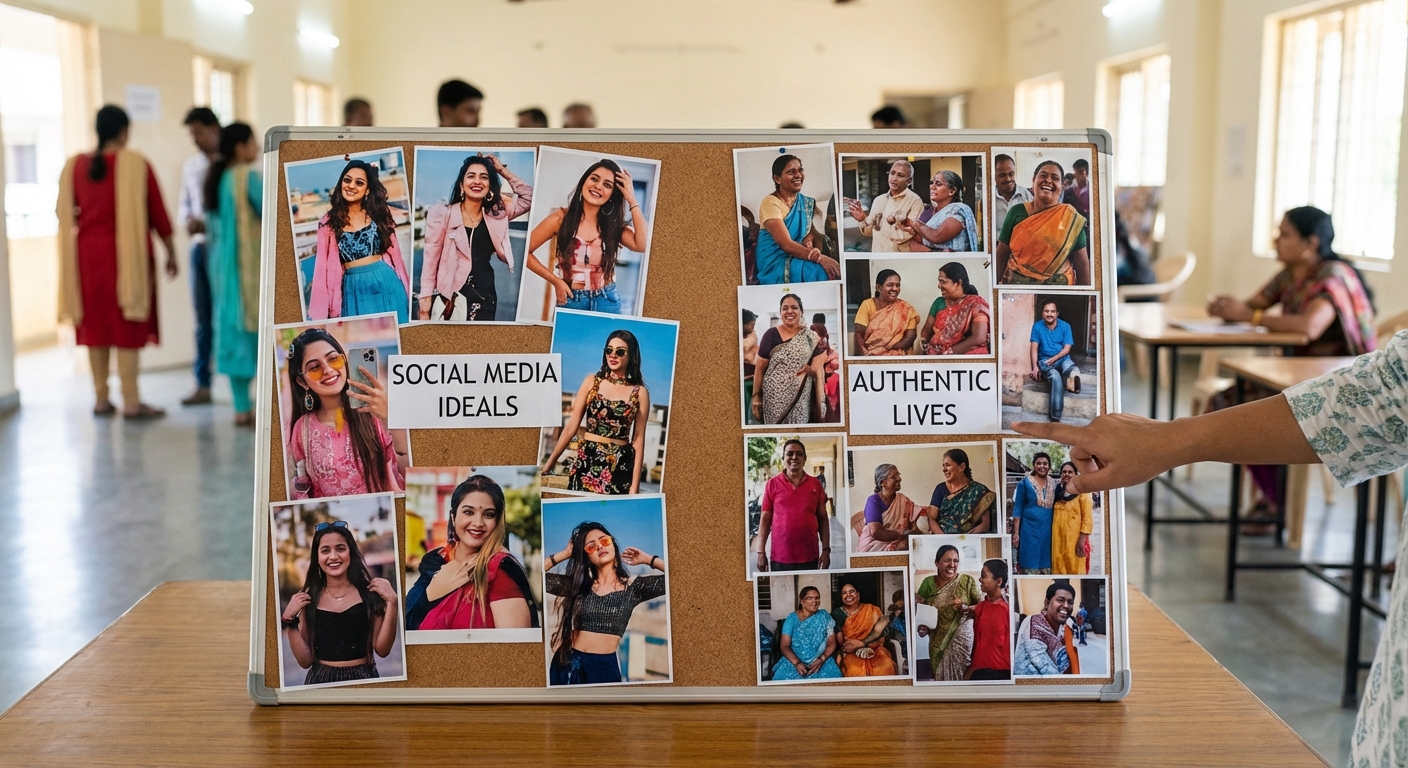
The rise of social media has intensified these pressures exponentially. We are now exposed to hundreds of carefully curated, filtered, and edited images daily, each one silently suggesting that our natural bodies are not good enough.
Traumatic Experiences
Body image can be significantly impacted by trauma, including bullying, sexual harassment or assault, medical procedures, or any experience where the body became a site of pain or vulnerability. These experiences can create a disconnection from the body or a sense that it has betrayed us.
Diet Culture and the Wellness Industry
We live in an era where "wellness" has become a multi-billion rupee industry that often profits from our insecurities. The constant messaging that we should be thinner, more toned, or eating a certain way creates a perpetual sense of inadequacy. What is marketed as health is often just another form of body criticism wrapped in virtuous language.
The Mental Health Impact of Negative Body Image
Negative body image is not merely a cosmetic concern. It has profound implications for mental health and overall wellbeing.
Anxiety and Depression
Research consistently shows a strong correlation between negative body image and both anxiety and depression. When you are at war with your body, you carry a constant undercurrent of distress. Social situations become minefields of comparison and judgment. The mental energy spent criticizing yourself leaves little room for joy or peace.
Disordered Eating
Negative body image is one of the strongest predictors of eating disorders, including anorexia nervosa, bulimia nervosa, and binge eating disorder. Even without a clinical diagnosis, many people engage in disordered eating patterns driven by body dissatisfaction, cycling between restriction, guilt, and overconsumption.
I have seen clients who have spent years trapped in this cycle, their relationship with food entirely controlled by their hatred of their bodies.
Relationship and Career Impacts
Body image issues ripple outward into every area of life. Intimate relationships suffer when someone cannot accept being seen or touched. Career opportunities are declined because of fear of visibility. Social connections wither as events are avoided. The life shrinks to accommodate the shame.
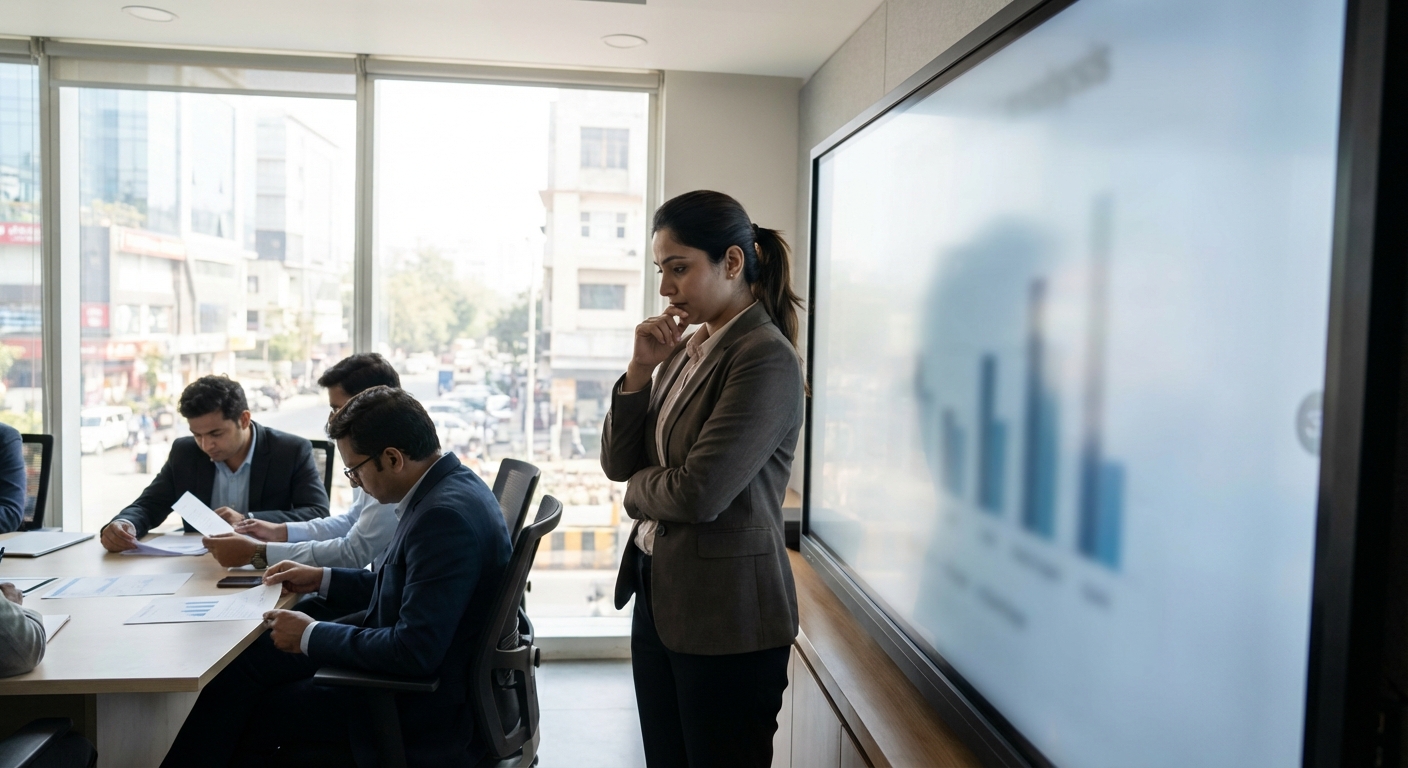
Meera, whom I mentioned earlier, had turned down a senior architect position because it required presenting to clients. Her technical skills were exceptional, but her body shame had convinced her that no one would take her seriously in a leadership role.
Building a Healthier Relationship with Your Body
Healing from negative body image is possible. It requires patience, practice, and often professional support, but I have witnessed remarkable transformations in my practice. Here are the strategies that have proven most effective.
1. Move Toward Body Neutrality
The concept of body positivity, while well-intentioned, can feel unreachable for many people. If you have spent years hating your body, jumping to love can seem impossible. Instead, I recommend aiming for body neutrality, a state where your body simply is, without intense positive or negative judgment.
Body neutrality means acknowledging your body's existence and function without making it the center of your self-worth. Your body is the vehicle that carries you through life. It does not need to be perfect or beautiful to be worthy of care.
Start by shifting your language from appearance to function. Instead of "I hate my thick thighs," try "My legs carry me through my day." This is not about lying to yourself or forcing positivity. It is about expanding the conversation beyond aesthetics.
2. Practice Critical Media Literacy
Begin noticing and questioning the images you consume. Ask yourself: Is this image edited? Does this person have a team of makeup artists, lighting professionals, and photo editors? How does consuming this content make me feel?
Consider conducting a social media audit. Unfollow accounts that make you feel inadequate and follow those that represent diverse bodies and promote realistic expectations. Your feed is not a neutral space; it shapes your perception of normal.
3. Challenge Negative Body Thoughts
Cognitive restructuring, a technique from Cognitive Behavioral Therapy, can be powerful in addressing body image distortions. When you notice a negative body thought, try these steps:
First, identify the thought specifically. "My stomach is disgusting" is more workable than a vague sense of unease.
Second, examine the evidence. What proof do you have for this thought? What evidence contradicts it?
Third, consider what you would say to a friend who expressed this thought about themselves.
Fourth, generate a more balanced alternative thought. Perhaps: "I am having a critical thought about my stomach. Bodies come in many shapes, and my worth is not determined by the flatness of my abdomen."
4. Reconnect with Your Body's Sensations
Many people with negative body image are disconnected from their physical sensations. They live in their heads, relating to their bodies as objects to be evaluated rather than as the living, sensing vessels they inhabit.
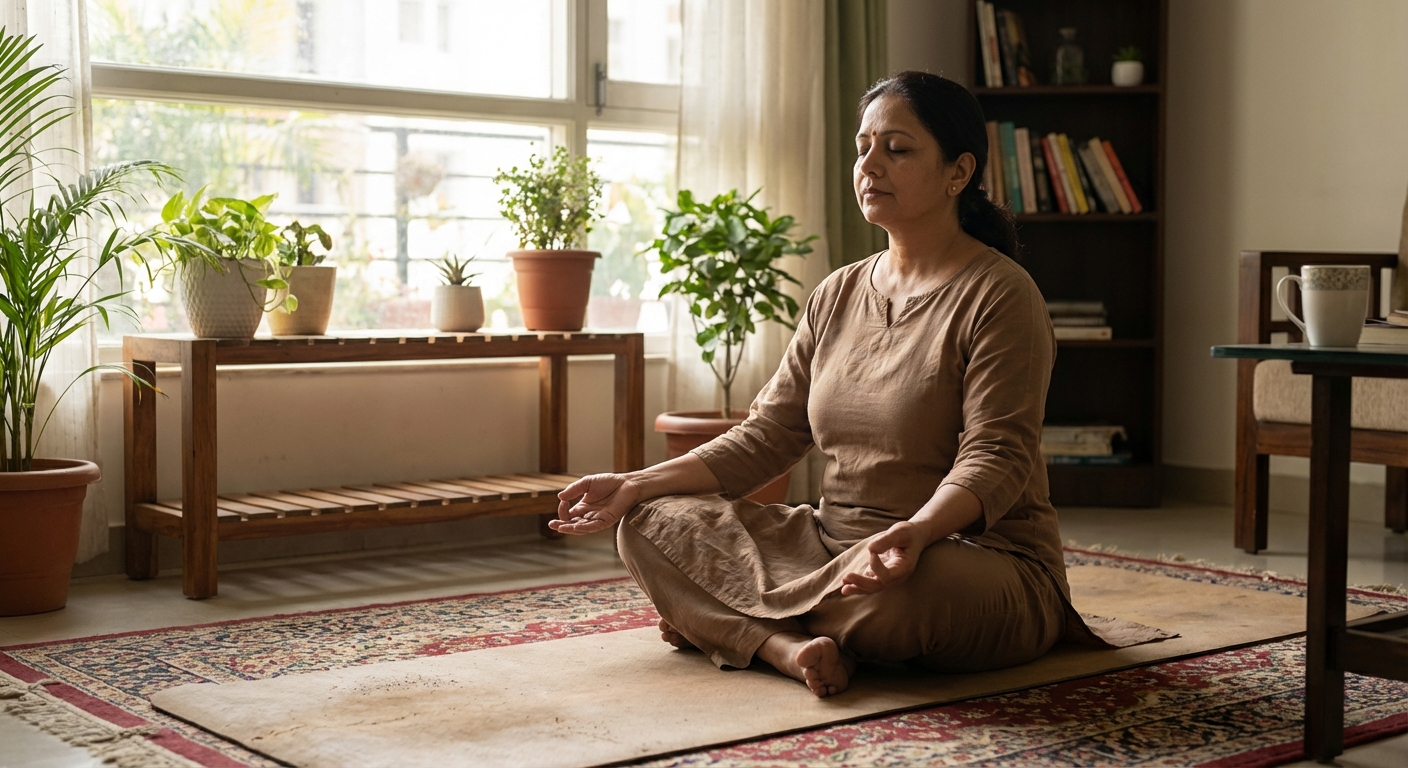
Practices like yoga, mindful walking, or body scan meditations can help rebuild this connection. The goal is not to achieve a certain physical outcome but to be present in your body, noticing sensations without judgment.
I often recommend that clients spend a few minutes each day simply noticing what their body feels like from the inside, the warmth of their hands, the rhythm of their breath, the sensation of their feet on the ground.
5. Diversify Your Definition of Beauty
Actively expose yourself to diverse representations of bodies. Follow people of different sizes, ages, abilities, and appearances on social media. Notice beauty in people around you who do not fit conventional standards. The more we expand our visual diet, the more we recognize that beauty was never meant to be narrow.
6. Address the Function of Body Criticism
Sometimes, negative body image serves a psychological function. It might be a way of explaining why life is not going as hoped ("If I were thinner, I would be happier"). It might provide a sense of control in a chaotic world. It might be a familiar form of self-punishment.
Exploring what your body criticism is really about can reveal deeper needs that can be addressed more constructively.
7. Set Boundaries Around Body Talk
Many social situations include casual body criticism, whether of oneself or others. "I've been so bad with my eating" or "Have you lost weight? You look great!" These comments reinforce the idea that bodies are appropriate topics for evaluation.
Practice setting gentle boundaries. You might say, "I'm trying to focus less on bodies and more on how I feel" or simply redirect the conversation. You can also model different behavior by complimenting people on things unrelated to appearance.
8. Seek Professional Support
If negative body image is significantly impacting your life, professional help can be transformative. A trained psychologist can help you uncover the roots of your body image issues, develop personalized coping strategies, and address any related conditions like eating disorders, depression, or trauma.
Therapies that have shown effectiveness for body image issues include Cognitive Behavioral Therapy, Acceptance and Commitment Therapy, and body-focused approaches like somatic experiencing.
A Different Relationship is Possible
After eight months of therapy, Meera sent me a photograph. It was from her cousin's wedding, and she was standing right in the middle of the family group, smiling. "I almost hid in the back like I always do," she wrote. "But then I remembered what we talked about. My body deserves to be in photographs. My body deserves to celebrate with my family."
She had not transformed into someone who loved every inch of her reflection. But she had moved from active warfare to something like a truce, and increasingly, toward appreciation. She had accepted the promotion she had previously declined and was thriving in her new role.
This is what healing looks like. It is not about achieving the "perfect" body or even perfect body positivity. It is about freeing yourself from the prison of constant self-criticism. It is about living your life fully, in the body you have, right now.
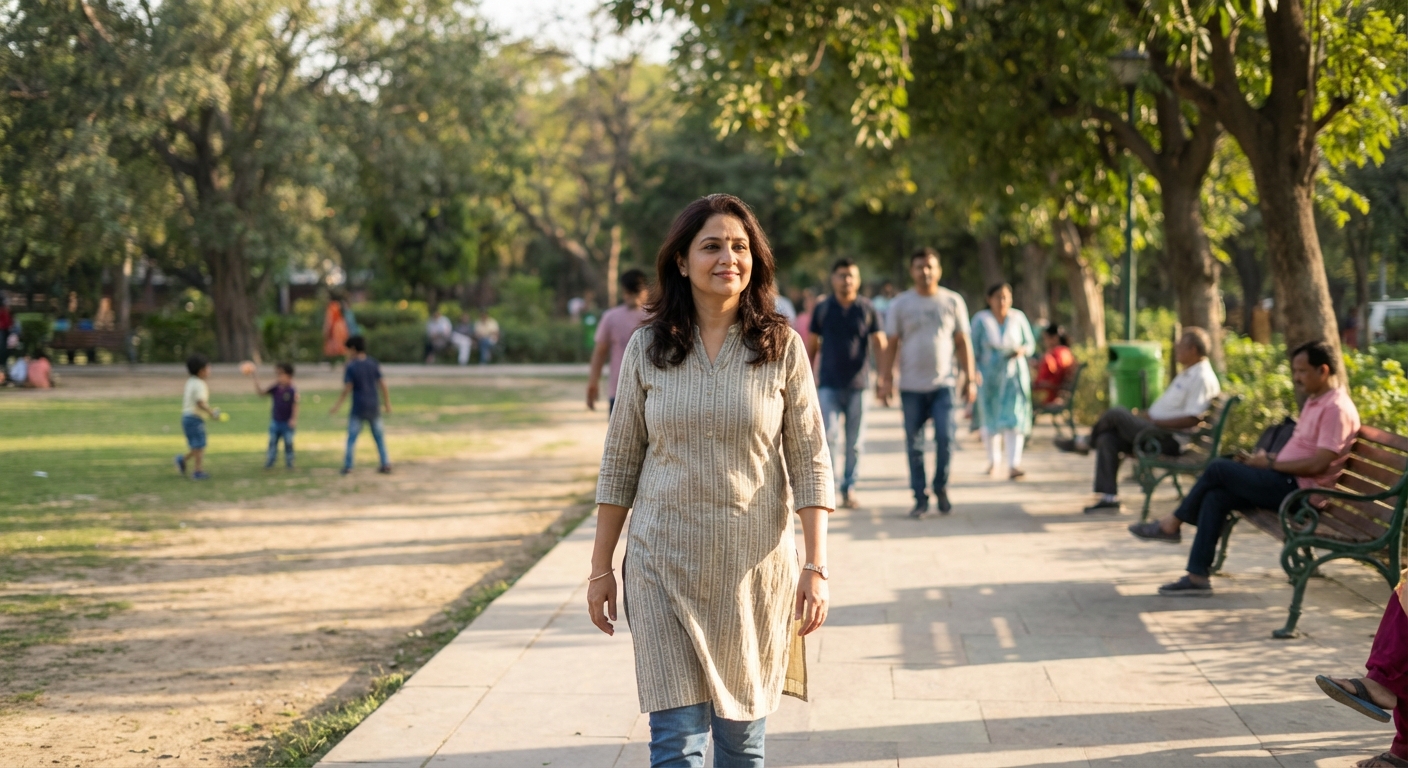
Taking the First Step Toward Body Acceptance
If you recognized yourself in this article, please know that you are not alone, and change is possible. The relationship you have with your body developed over years or decades. It will not transform overnight. But with consistent effort and the right support, you can build a foundation of acceptance that allows you to live more freely.
Body image issues often intertwine with other challenges like anxiety, depression, relationship difficulties, and career blocks. Addressing them can unlock progress in multiple areas of your life.
If you are ready to begin this journey, I invite you to reach out. At my practice in Hyderabad, I work with individuals to understand the unique roots of their body image struggles and develop personalized strategies for building a healthier relationship with their bodies. You deserve to make peace with the body that carries you through this life.
Your body is not your enemy. It never was.
---Sudheer Sandra is a licensed psychologist and career counselor based in Hyderabad, India, with over 15 years of clinical experience. He specializes in anxiety, depression, relationship issues, and career counseling, helping clients navigate personal and professional challenges with greater understanding and resilience.