The Art of Work-Life Balance: A Practical Guide for Indian Professionals


Last month, a senior IT manager walked into my Hyderabad clinic looking utterly exhausted. Rajesh, as I will call him, had not taken a single vacation in three years. He missed his daughter's annual day function, forgot his wedding anniversary twice, and could not remember the last time he had a meal with his family without checking his phone. "I am doing everything right at work," he told me, his voice cracking slightly, "but I feel like I am failing everywhere else."
Rajesh's story is not unique. In my fifteen years as a psychologist and career counselor, I have witnessed a troubling pattern emerge among Indian professionals. We have embraced the global hustle culture with such enthusiasm that we have forgotten something fundamental: success without well-being is not success at all.
Today, I want to share with you what I have learned from helping hundreds of professionals like Rajesh find their way back to balance. This is not about working less or caring less about your career. It is about working smarter and living fuller.
Understanding the Indian Professional's Unique Challenge
Before we dive into solutions, we must acknowledge something important: the work-life balance challenge in India has distinct cultural dimensions that Western self-help books often miss.
We operate within a framework of collective responsibility. Our success is not just ours; it belongs to our parents who sacrificed for our education, our spouses who manage households, and our children who look up to us. This beautiful sense of interconnectedness, however, can become a source of immense pressure.
Add to this the reality of our work environment: longer commutes in cities like Hyderabad, Bangalore, and Mumbai; the expectation to be available on WhatsApp even after office hours; and the cultural hesitation to say "no" to seniors. The global standard of work-life balance advice often falls short because it does not account for these realities.
The Cost of Imbalance
In my practice, I have observed that chronic work-life imbalance manifests in predictable ways. Professionals report persistent fatigue that weekends cannot cure. Relationships become transactional rather than nurturing. Many develop what I call "presence absence"—they are physically present at family gatherings but mentally still at work.
The psychological toll is significant. Anxiety disorders, burnout, and depression are increasingly common among Indian professionals aged 28 to 45. But here is what concerns me most: many do not seek help because they believe exhaustion is the price of success.
It is not. And I am here to show you another way.
The Four Pillars of Sustainable Balance
Through my years of counseling, I have developed a framework that I call the Four Pillars of Sustainable Balance. These are not quick fixes but foundational shifts that create lasting change.
Pillar One: Intentional Boundaries
The most transformative change I have witnessed in clients comes from learning to set boundaries—not just with others, but with themselves.
Consider Meera, a chartered accountant who came to me during tax season, completely overwhelmed. She believed that being constantly available made her indispensable. Together, we discovered that her availability was actually making her less effective. She was so fragmented by constant interruptions that her actual productive hours were minimal.
We worked on what I call "boundary rituals." For Meera, this meant establishing a firm rule: no work calls after 8 PM unless it was a genuine emergency, and she defined what "emergency" meant clearly with her team. Initially, she feared backlash. Instead, her team began respecting her time, and her productivity during work hours actually improved.
Here is a practical exercise I recommend: Identify your three non-negotiable personal boundaries. Write them down. These could be "dinner with family without phones," "Sunday mornings for myself," or "no emails before 7 AM." Start with just these three and protect them fiercely.
Pillar Two: Quality Over Quantity
One of the most liberating realizations for my clients is that balance is not about equal time distribution. It is about being fully present wherever you are.
I often share this insight: thirty minutes of completely present time with your child—where you are playing, listening, and engaging fully—is more valuable than three hours of distracted presence where you are checking emails between conversations.
This requires a mental shift that I call "compartmentalization with presence." When you are at work, be fully at work. When you are home, be fully home. The constant mental straddling between both worlds is what creates exhaustion.
A technique I teach is the "transition ritual." Before leaving office, spend five minutes writing down pending tasks for tomorrow. This act of "closing the loop" mentally signals to your brain that work is complete for the day. Similarly, before entering your home, take three deep breaths and consciously decide to leave work concerns outside.
Pillar Three: Strategic Rest
Rest is not laziness. I cannot emphasize this enough. In a culture that often glorifies the "always grinding" mentality, rest is a radical act of self-preservation.
But not all rest is equal. Scrolling through Instagram for an hour might feel like rest, but it often leaves you more drained. What I recommend is "active rest"—activities that genuinely replenish you.
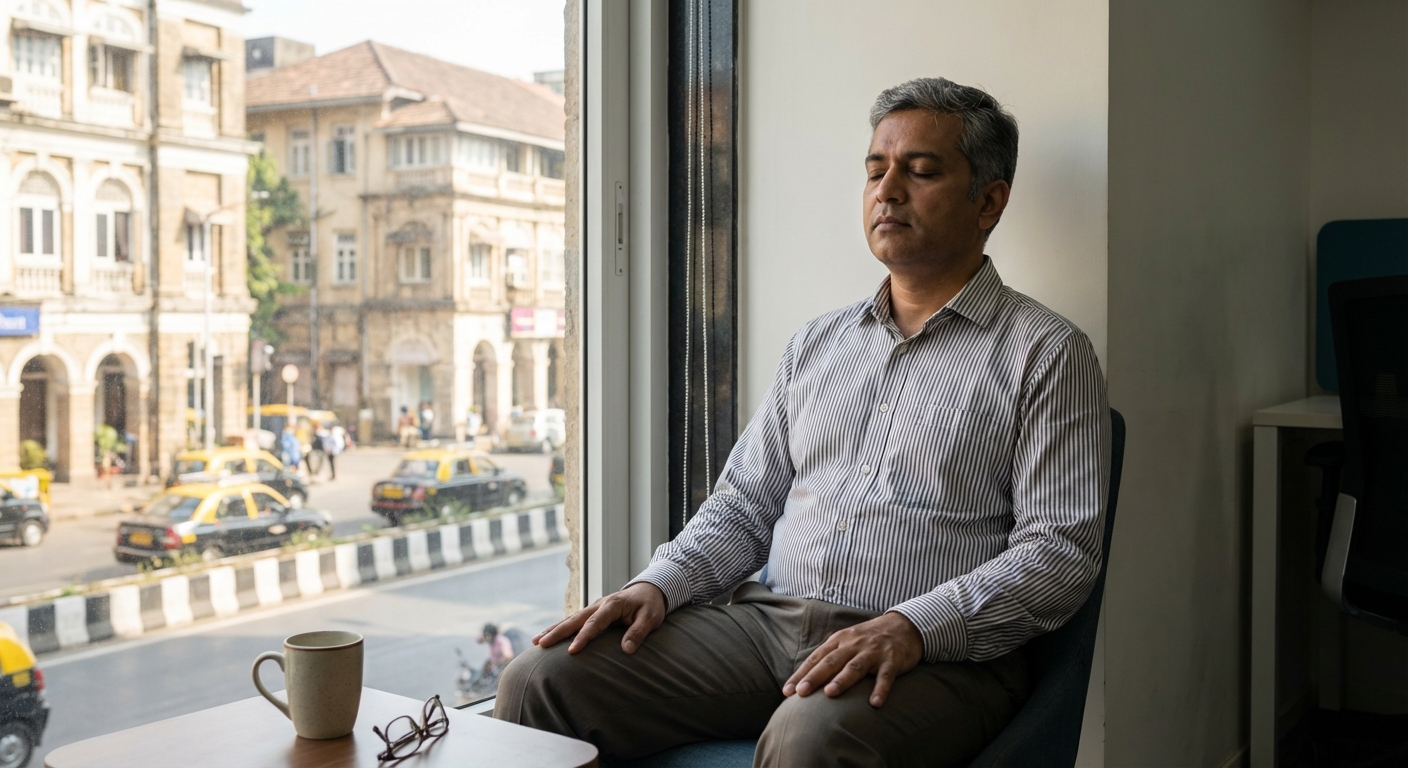
For some clients, this is a morning walk. For others, it is cooking a meal without rushing, reading a physical book, or spending time in prayer or meditation. The key is identifying what genuinely restores you, not what simply distracts you.
I also advocate for what I call "micro-recoveries" throughout the workday. These are brief five-minute breaks every ninety minutes where you step away from screens, stretch, or simply breathe. Research in occupational psychology consistently shows that these breaks enhance rather than diminish productivity.
Pillar Four: Support Systems
No one achieves balance in isolation. Yet, I find that many professionals, especially men, hesitate to ask for help or admit they are struggling.
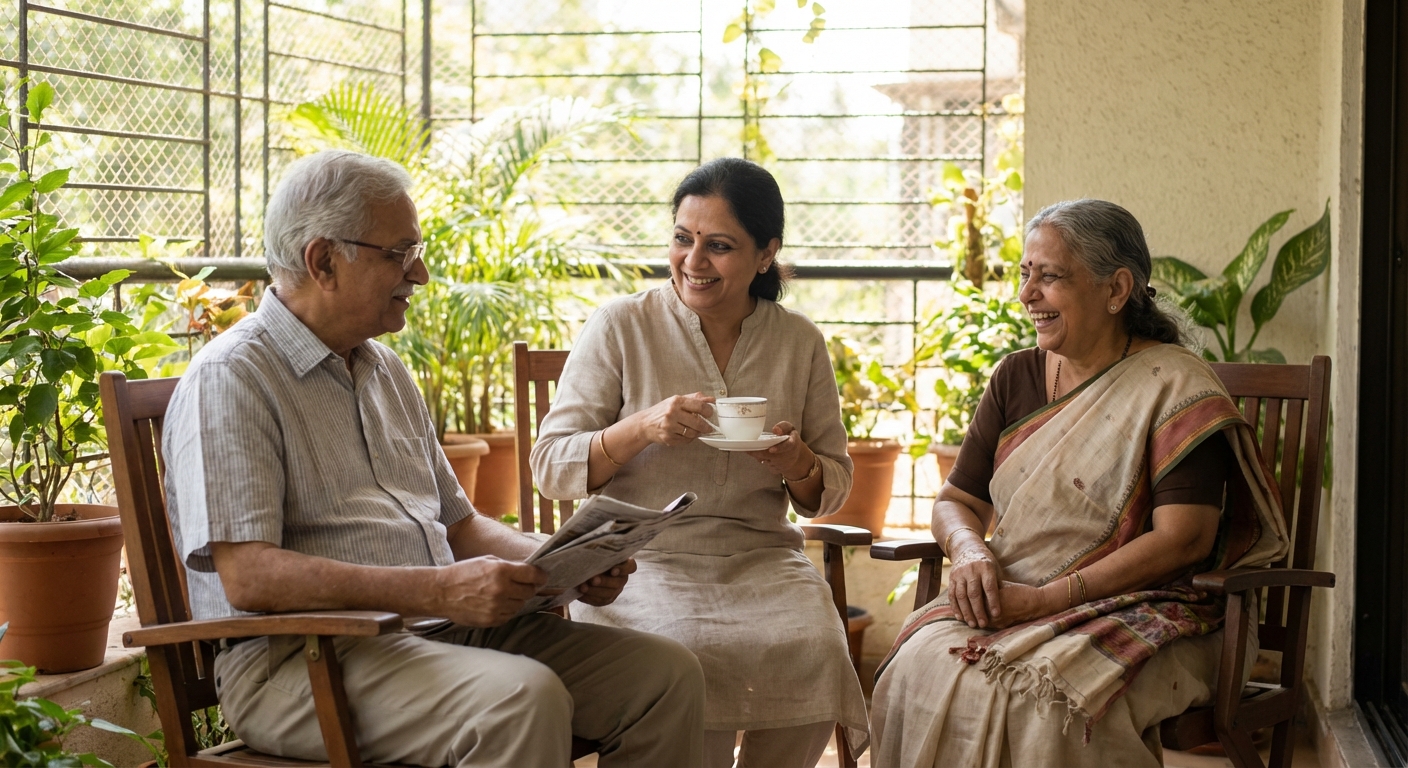
Your support system might include a spouse who understands your work pressures, friends outside your professional circle who offer perspective, or a counselor who provides objective guidance. It could also be practical support: a domestic helper who reduces household burden, or flexible arrangements with family for childcare.
I encourage my clients to have honest conversations with their families about work demands. Often, spouses feel excluded from the professional world of their partners. Including them—explaining what a stressful project entails, why a deadline matters—creates understanding and support rather than resentment.
Practical Strategies for Everyday Implementation
Theory must translate into practice. Here are specific strategies I recommend to my clients:
The Weekly Planning Ritual
Every Sunday evening, spend twenty minutes planning your week. Not just work tasks, but personal commitments too. Put your child's school event in your calendar with the same priority as a client meeting. Block time for exercise, for that coffee with a friend, for simply doing nothing.
What gets scheduled gets done. This simple practice has transformed how many of my clients experience their weeks.
The Art of Saying No
Saying no is a skill, and like any skill, it improves with practice. Start small. Decline one non-essential meeting this week. Politely refuse one request that does not align with your priorities.
Remember, every yes to something is a no to something else. When you agree to work late, you are saying no to time with family. When you agree to every social obligation, you are saying no to rest. Choose your yeses consciously.
Digital Boundaries
Our phones have become leashes that tether us to work around the clock. I recommend these practical steps: Turn off work email notifications after a certain hour. Create phone-free zones in your home—the dining table, the bedroom. Use the "Do Not Disturb" feature liberally.
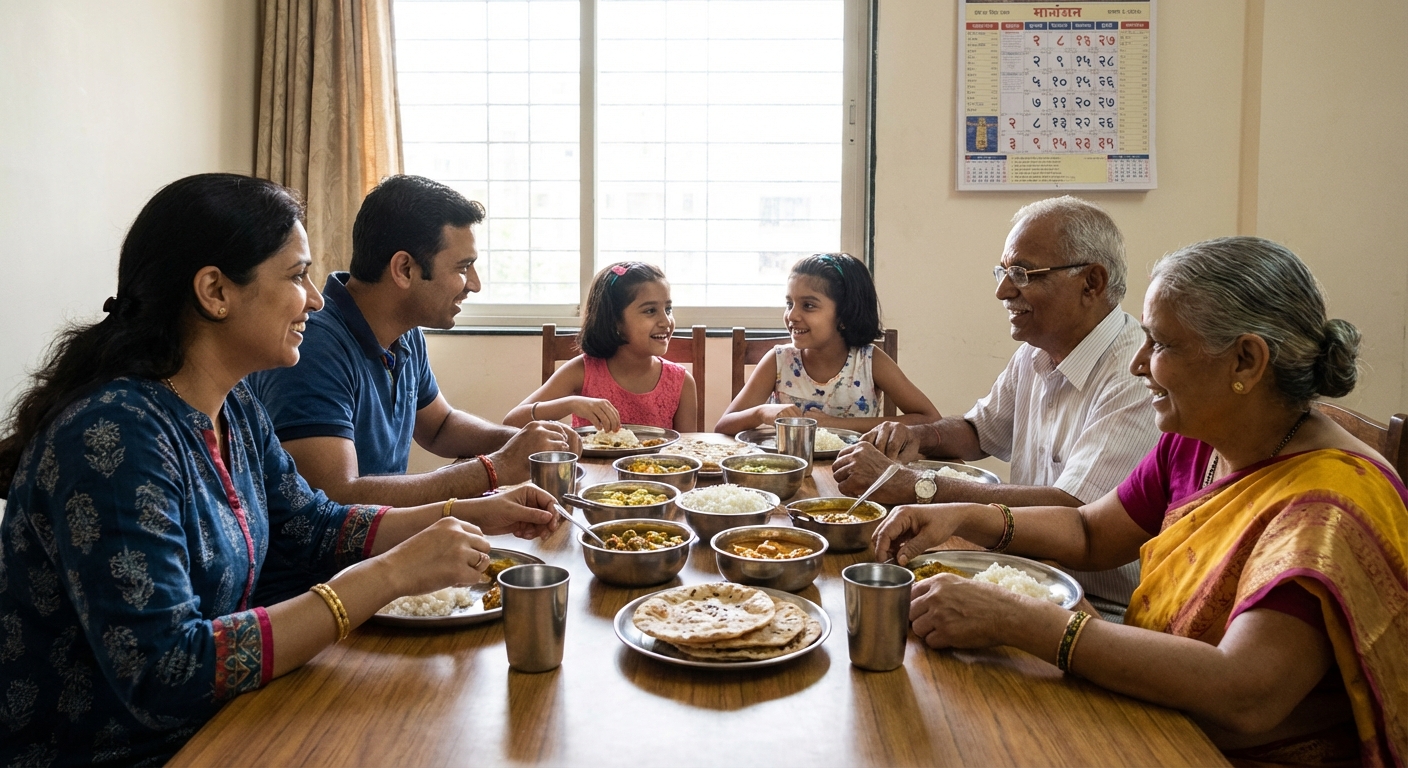
One client told me that keeping his phone in a drawer during family dinner initially felt uncomfortable, almost like withdrawal. Within two weeks, he realized those thirty minutes of undistracted family time became the highlight of his day.
When to Seek Professional Help
There are times when self-help strategies are not enough. If you are experiencing persistent feelings of hopelessness, if your relationships are deteriorating despite your efforts, if you are using alcohol or other substances to cope with stress, or if you are having thoughts of self-harm, please seek professional help immediately.
There is no shame in consulting a psychologist or counselor. Just as you would see a doctor for persistent physical symptoms, seeing a mental health professional for persistent emotional distress is a sign of wisdom, not weakness.
The Journey, Not the Destination
I want to leave you with an important truth: work-life balance is not a destination you arrive at but a continuous journey of adjustments. There will be seasons of life when work demands more—a product launch, a promotion opportunity, a critical project. There will be seasons when family needs more—a child's illness, a parent's care, a personal crisis.
Balance is not about rigid equality but about conscious choices aligned with your values and current life season.

Rajesh, the IT manager I mentioned at the beginning, came to see me for six months. Today, he has set firm boundaries at work, takes his family on quarterly short trips, and has breakfast with his daughter every morning before school. His performance reviews have not suffered—if anything, his clarity and focus have improved.
"I thought I was building a better life for my family," he told me in our final session. "I realized I was missing the life I was trying to build."
That realization is the beginning of transformation. I hope this guide serves as a starting point for your own journey toward balance.
If you are struggling with work-life balance and would like personalized guidance, I invite you to visit my practice in Hyderabad. Together, we can develop strategies tailored to your unique circumstances, helping you build a career you are proud of and a life you truly enjoy living.
Your well-being is not a luxury—it is the foundation upon which everything else is built.
---Sudheer Sandra is a licensed psychologist and career counselor based in Hyderabad, India, with over 15 years of experience helping professionals navigate the complexities of career development and personal well-being. He specializes in workplace stress management, career transitions, and helping individuals achieve sustainable success without sacrificing their mental health or relationships.