Managing Anger in Relationships: From Conflict to Connection

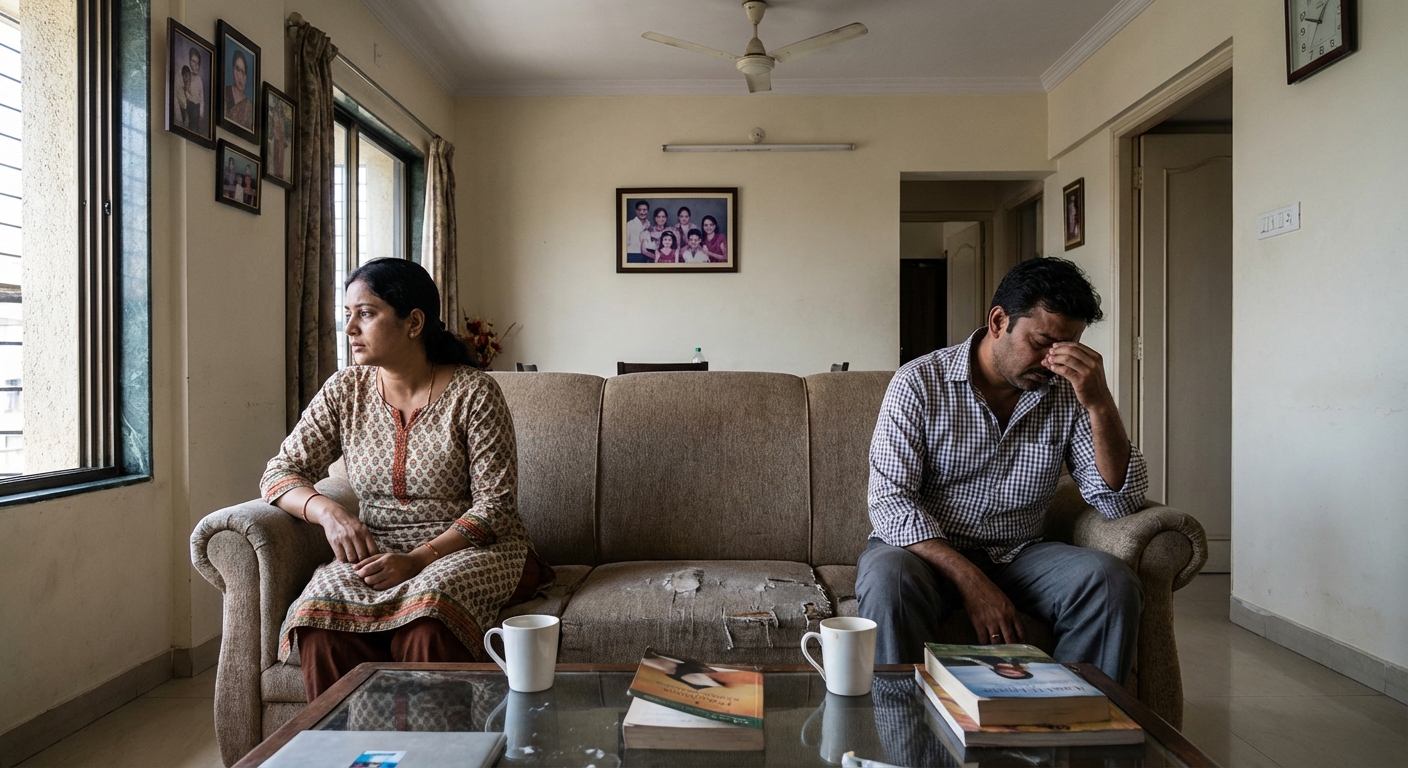
In my fifteen years of practicing psychology in Hyderabad, I have witnessed countless couples and families struggle with the same invisible force that threatens to tear them apart: unmanaged anger. Anger, when left unchecked, can erode the strongest foundations of love and trust. Yet, when understood and channeled properly, it can become a powerful catalyst for deeper intimacy and connection.
I recall Ramesh and Priya (names changed), a couple who came to my clinic after a particularly explosive argument that left them questioning their ten-year marriage. Ramesh had thrown a glass against the wall, and Priya had not spoken to him for three days. "I don't know what happens to me," Ramesh admitted, his voice heavy with shame. "One moment I'm fine, and the next I'm saying things I don't mean." This pattern, so familiar to many Indian households, is not a character flaw but a psychological process that can be understood and transformed.
Understanding Anger as a Secondary Emotion
One of the most important concepts I teach my clients is that anger is rarely the primary emotion. It is almost always a protective response to more vulnerable feelings beneath the surface. When Ramesh shouted at Priya for coming home late from work, his anger was actually masking deep-seated fear of abandonment and feelings of inadequacy as a provider.
In Indian culture, where emotional expression is often discouraged, particularly for men, anger becomes the socially acceptable outlet for a range of suppressed emotions. Fear, hurt, disappointment, loneliness, and shame often hide behind the aggressive mask of anger. Understanding this fundamental truth is the first step toward transformation.
Think of anger as the tip of an iceberg. What you see on the surface is the shouting, the criticism, the cold silence. But beneath the waterline lies a vast landscape of unacknowledged pain. When we learn to dive below the surface, we discover what we truly need from our relationships.
Common Anger Patterns in Indian Relationships
Over the years, I have observed several recurring anger patterns that are particularly prevalent in Indian family dynamics:
The Pressure Cooker Pattern: This is perhaps the most common pattern I encounter. One partner suppresses their frustrations day after day, maintaining peace and family harmony, until the pressure becomes unbearable. Then, a minor trigger causes an explosive release that seems disproportionate to the situation. The other partner is left confused and hurt, unable to understand the intensity of the reaction.
The Critical Parent Pattern: Often inherited from our own upbringing, this pattern involves one partner constantly criticizing, correcting, or lecturing the other. In joint family settings, this can extend to in-laws who express their displeasure through persistent criticism, creating an atmosphere of tension and resentment.
The Silent Treatment Pattern: In many traditional households, anger is expressed not through words but through withdrawal. Days of cold silence, refusal to eat together, or sleeping in separate rooms become weapons of emotional warfare. While this may seem less destructive than shouting, the emotional damage can be equally profound.
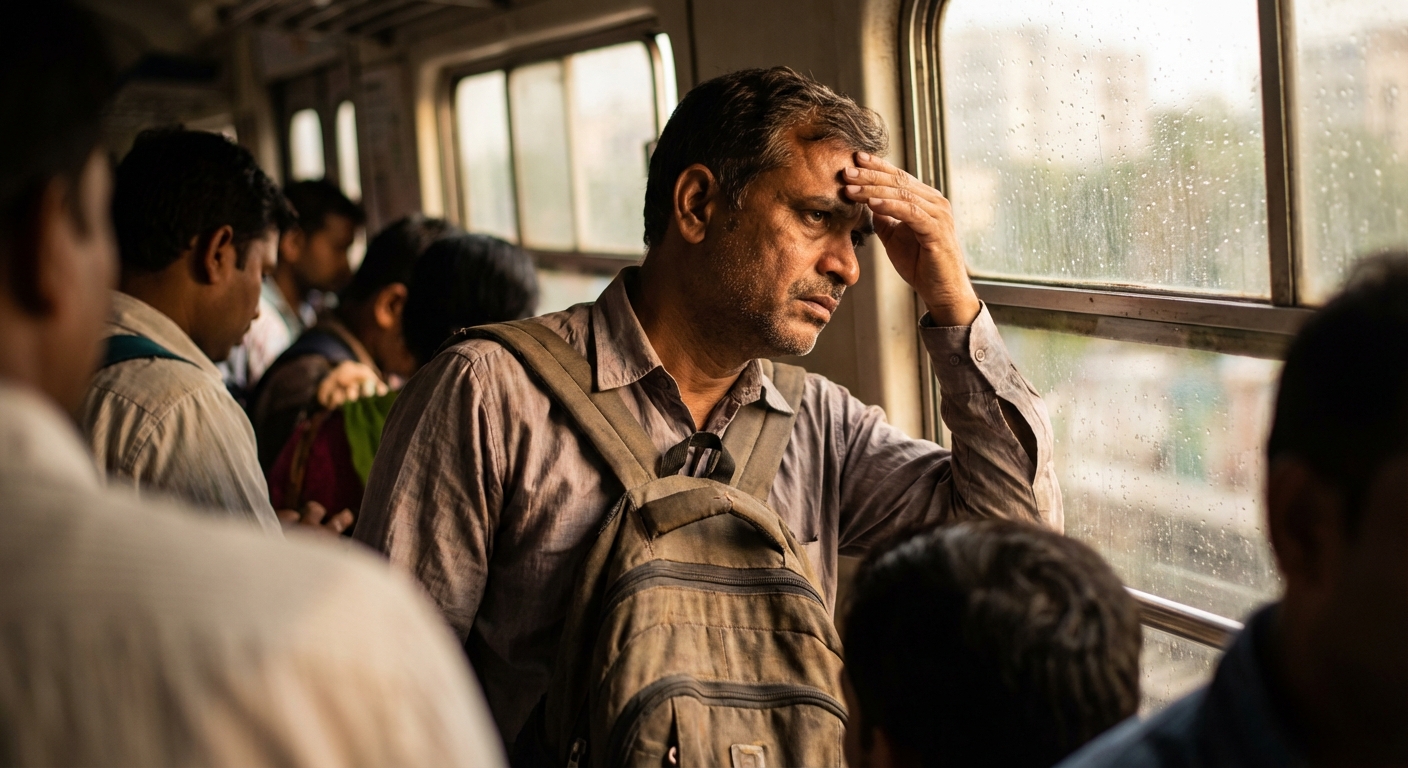
The Displaced Anger Pattern: Stress from work, financial pressures, or extended family conflicts often get displaced onto the spouse or children. Suresh, a software professional I counseled, would come home and snap at his wife and children, not because of anything they had done, but because of the humiliation he faced from his manager.
The Anger Cycle and Triggers
Anger follows a predictable cycle that, once understood, can be interrupted at various points. The cycle typically moves through these stages: trigger, escalation, explosion, aftermath, and reconciliation (or further conflict).
Triggers are the events or situations that initiate the anger response. These can be external, such as a spouse's comment or behavior, or internal, such as memories, interpretations, or physical states like hunger or fatigue. What many people fail to realize is that the same trigger can produce different responses depending on our physical and emotional state.
Lakshmi, a homemaker and mother of two, noticed that her arguments with her husband almost always occurred late in the evening when both were tired. By simply recognizing this pattern, she was able to suggest that they postpone difficult discussions to weekend mornings when both were rested and more resilient.
The escalation phase is where intervention is most crucial. This is when your heart rate increases, your muscles tense, and your thoughts become more rigid and hostile. Learning to recognize these physiological warning signs gives you a window of opportunity to choose a different response.
Healthy vs. Unhealthy Anger Expression
Anger itself is not the problem. It is a natural human emotion that serves important functions. It alerts us to boundary violations, injustice, and unmet needs. The challenge lies in how we express and manage this powerful emotion.
Unhealthy anger expression includes:
- Name-calling, insults, or character attacks
- Bringing up past grievances unrelated to the current issue
- Threatening divorce, abandonment, or physical harm
- Physical aggression, including throwing objects or blocking exits
- Contempt, mockery, or dismissive body language
- Stonewalling or complete emotional withdrawal
- Using "I" statements to express feelings ("I feel hurt when...")
- Focusing on specific behaviors rather than character
- Taking responsibility for your own emotions
- Requesting specific changes rather than demanding compliance
- Maintaining respect even during disagreement
- Being willing to take breaks when emotions become too intense

Communication Techniques During Conflict
One of the most effective frameworks I teach couples is the Speaker-Listener Technique. This structured approach ensures that both partners feel heard before solutions are discussed.
For the Speaker:
- Speak for yourself using "I" statements
- Keep statements brief and focused
- Stop and allow the listener to paraphrase
- Paraphrase what you heard
- Focus on understanding, not rebutting
- Do not offer solutions until you have fully understood
Taking Time-Outs Effectively
When emotions escalate beyond the point of productive conversation, a time-out becomes necessary. However, many couples misuse this tool, turning it into another form of stonewalling or punishment.
An effective time-out follows these guidelines:
1. Agree on a signal beforehand: Choose a word or gesture that either partner can use to call a time-out. This should be respected immediately without argument.
2. State your intention: Say something like, "I need to calm down so we can discuss this properly. I'll be back in thirty minutes."
3. Specify a return time: Open-ended departures create anxiety. Commit to a specific time to resume the conversation.
4. Use the time for self-soothing: This is not the time to rehearse your arguments or stew in resentment. Practice deep breathing, go for a walk, or engage in any activity that helps you return to a calm state.
5. Return and re-engage: Honor your commitment to return. If you need more time, communicate this clearly.
Repair After Angry Outbursts
Even with the best intentions, angry outbursts will sometimes occur. What distinguishes healthy relationships from troubled ones is not the absence of conflict but the presence of effective repair.
Repair begins with a genuine apology that acknowledges the impact of your behavior without making excuses. "I'm sorry I raised my voice. I can see that it frightened you, and that was not okay" is far more effective than "I'm sorry, but you provoked me."
Vikram and Anjali, a couple I worked with for several months, developed a repair ritual that served them well. After any significant conflict, once both had calmed down, they would sit together and each share three things: what triggered them, what they wished they had done differently, and what they appreciated about their partner. This simple practice transformed their relationship.
When Anger Becomes Abuse
It is essential to distinguish between normal relationship conflict and abuse. While all couples argue and occasionally say hurtful things, abuse involves a pattern of behavior designed to control, dominate, or instill fear.
Warning signs that anger has crossed into abuse include:
- Physical violence or threats of violence
- Destruction of property as intimidation
- Controlling behavior regarding finances, social contacts, or movement
- Persistent humiliation or degradation
- Using children as weapons in conflict
- Refusing to allow the partner to leave during arguments
Couples Therapy for Anger Issues
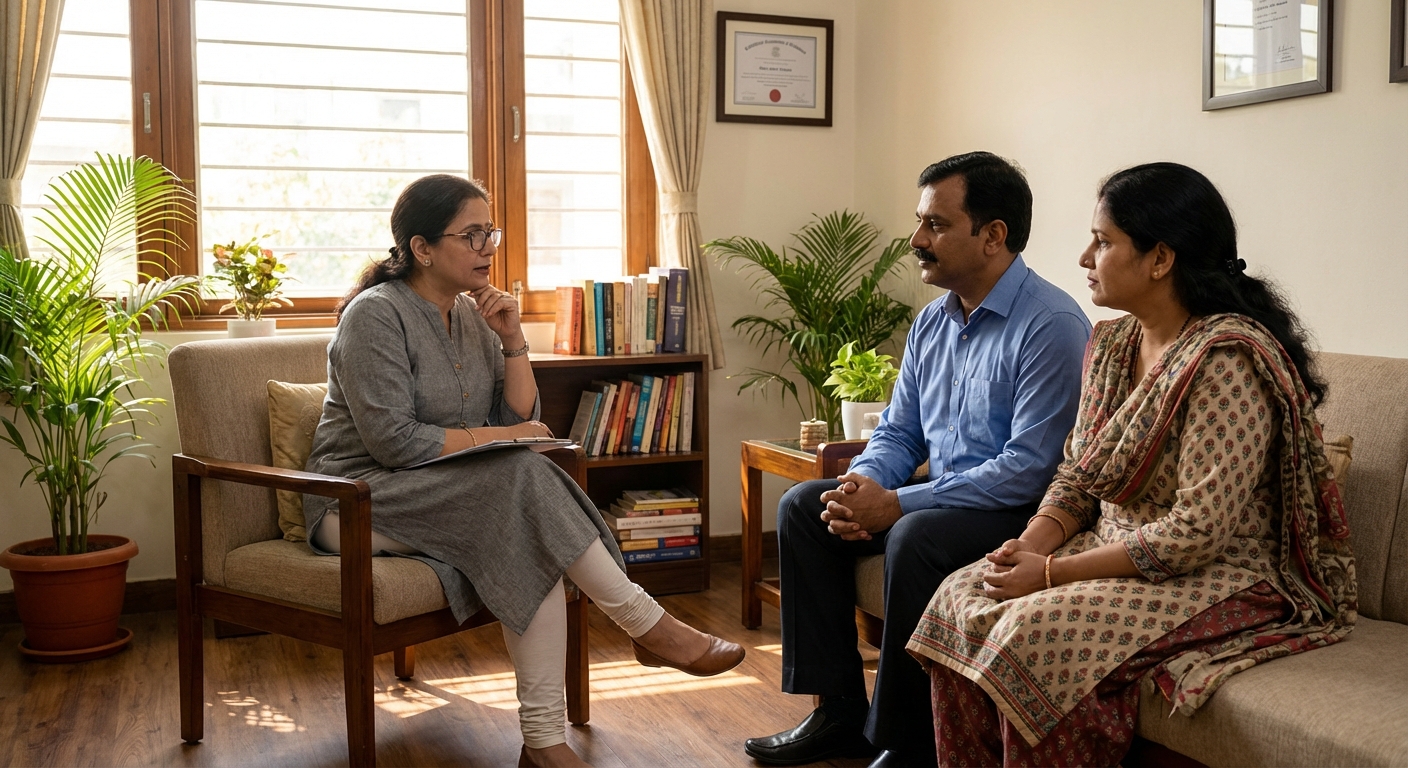
Many couples wait far too long before seeking professional help, arriving at my clinic only when the relationship is in crisis. I often tell my clients that coming to therapy is not an admission of failure but an investment in your most important relationship.
In therapy, couples learn to:
- Identify their unique anger patterns and triggers
- Understand the attachment needs driving their conflicts
- Develop new communication skills and repair strategies
- Process past hurts that fuel present reactivity
- Build a shared vision for their relationship
Moving Forward: From Conflict to Connection
Transforming anger patterns is not a quick fix. It requires patience, practice, and often professional guidance. But I have witnessed remarkable transformations in my years of practice. Couples who once could not be in the same room without fighting have learned to navigate disagreements with respect and even humor. Parents who once terrified their children with their rage have become sources of safety and emotional regulation.
The goal is not to eliminate anger but to transform it. When we learn to recognize anger as a signal that something important needs attention, when we can pause before reacting and choose our response, when we can express our needs without attacking our partner's character, anger becomes not a destructive force but a pathway to deeper understanding.
If you recognize yourself or your relationship in this article, I encourage you to take the first step toward change. Whether through self-help resources, workshops, or professional therapy, the skills of anger management can be learned at any age and any stage of relationship.
---Take the Next Step
If anger is creating distance in your most important relationships, you do not have to navigate this challenge alone. At my practice in Hyderabad, I offer individual and couples therapy focused on helping you understand your anger patterns and develop healthier ways of connecting. The patterns that have developed over years will not change overnight, but with commitment and proper guidance, lasting transformation is possible.
To schedule a consultation, please contact my clinic. Together, we can work toward turning your conflicts into opportunities for deeper connection and understanding.
---About the Author
Sudheer Sandra is a licensed clinical psychologist based in Hyderabad with over 15 years of experience in individual and couples therapy. He specializes in relationship issues, anger management, and family dynamics. His approach integrates evidence-based techniques with cultural sensitivity, helping clients from diverse backgrounds navigate their emotional challenges. Sudheer is committed to making mental health support accessible and effective for the Indian context, drawing on both Western psychological research and an understanding of local family systems and values.