Dealing with Academic Failure: Rebuilding Confidence and Moving Forward


Academic failure is one of the most painful experiences a student can face. In a society that often measures worth through grades and academic achievements, receiving a failing mark or not clearing an important examination can feel like the ground has been pulled from beneath your feet. As a psychologist who has worked with countless students over the past fifteen years, I want you to know something important: you are not alone, and this moment does not define your entire future.
Understanding the Emotional Impact
When Priya, a 20-year-old engineering student, first walked into my clinic in Hyderabad, she could barely make eye contact. She had failed two subjects in her third semester—something she had never imagined possible. "I've always been a good student," she whispered. "My parents sacrificed so much for my education. I feel like I've let everyone down."
Priya's response is incredibly common. Academic failure triggers a cascade of difficult emotions:
Shame and Embarrassment: Many students feel a deep sense of shame, especially in cultures where academic achievement is highly valued. The fear of judgment from family, peers, and society can be overwhelming.
Loss of Identity: For students who have always identified as "the smart one" or "the achiever," failure can create an identity crisis. Who am I if not the successful student?
Anxiety and Fear: Worries about the future, career prospects, and what this means for long-term goals can spiral into persistent anxiety.
Depression and Hopelessness: Some students experience genuine depressive symptoms—loss of interest in activities, sleep disturbances, and feelings that things will never improve.
Anger: This might be directed at oneself, at teachers perceived as unfair, or at circumstances that seemed to work against success.
The First Step: Allowing Yourself to Grieve

Before we can move forward, we must first acknowledge the pain. Many students make the mistake of immediately jumping into "fix-it" mode or, alternatively, avoiding their feelings entirely through distraction or denial.
I always tell my clients: give yourself permission to feel disappointed. This isn't about wallowing or self-pity—it's about honest acknowledgment. Take a few days to process what has happened. Talk to someone you trust. Write in a journal. Cry if you need to. These emotions are valid, and suppressing them will only delay healing.
Rahul, a medical aspirant who didn't clear NEET on his second attempt, initially tried to pretend everything was fine. "I told everyone I was okay and immediately started studying again," he shared. "But within two weeks, I had a complete breakdown. I couldn't focus, couldn't sleep, and started having panic attacks."
Only after Rahul allowed himself to acknowledge his disappointment—and the grief of watching his friends move on to medical colleges—could he begin the real work of recovery and planning.
Separating Performance from Self-Worth
One of the most crucial psychological shifts you must make is separating what you did from who you are. A failed exam reflects a moment in time, a specific performance under specific circumstances. It does not reflect your intelligence, your potential, or your value as a human being.
Consider this: some of the most successful people in history experienced significant academic failures. Albert Einstein's teachers considered him slow. J.K. Rowling failed her exams. APJ Abdul Kalam was rejected from the Indian Air Force before becoming one of India's greatest scientists and presidents.
This isn't to minimize your pain by pointing to exceptional success stories. Rather, it's to illustrate a fundamental truth: academic performance is just one narrow measure of human capability, and a single result—or even several results—cannot capture the fullness of who you are and what you can become.
Practical Strategies for Rebuilding Confidence

1. Conduct an Honest Assessment
Once the initial wave of emotion has passed, it's time for honest reflection. This isn't about blame—it's about understanding. Ask yourself:
- Were there specific topics or concepts I struggled with?
- Did I have effective study strategies, or was I simply putting in hours without direction?
- Were there external factors—health issues, family problems, mental health challenges—that affected my preparation?
- Did I seek help when I needed it, or did I struggle in silence?
- Was this the right path for me, or was I pursuing it for external reasons?
2. Develop a Growth Mindset
Psychologist Carol Dweck's research on mindset has profound implications for how we handle failure. A "fixed mindset" believes intelligence and ability are static—you either have it or you don't. A "growth mindset" understands that abilities can be developed through effort, good strategies, and input from others.
Students with a growth mindset see failure as information, not condemnation. They ask, "What can I learn from this?" rather than concluding, "I'm not smart enough."
Cultivating a growth mindset takes practice. Start by noticing your self-talk. When you catch yourself thinking, "I'm terrible at mathematics," reframe it: "I'm still developing my mathematics skills, and I can improve with the right strategies and support."
3. Create a Realistic Action Plan
Vague intentions to "study harder" rarely lead to different outcomes. Instead, create a specific, realistic plan:
- Identify knowledge gaps: Work with teachers, tutors, or peers to pinpoint exactly where your understanding broke down.
- Set process goals, not just outcome goals: Instead of just "pass the exam," focus on "complete two practice problems daily" or "attend study group twice weekly."
- Build in accountability: Share your plan with someone who can check in on your progress regularly.
- Include self-care: Sustainable academic success requires adequate sleep, physical activity, social connection, and time for activities you enjoy.
4. Seek Support
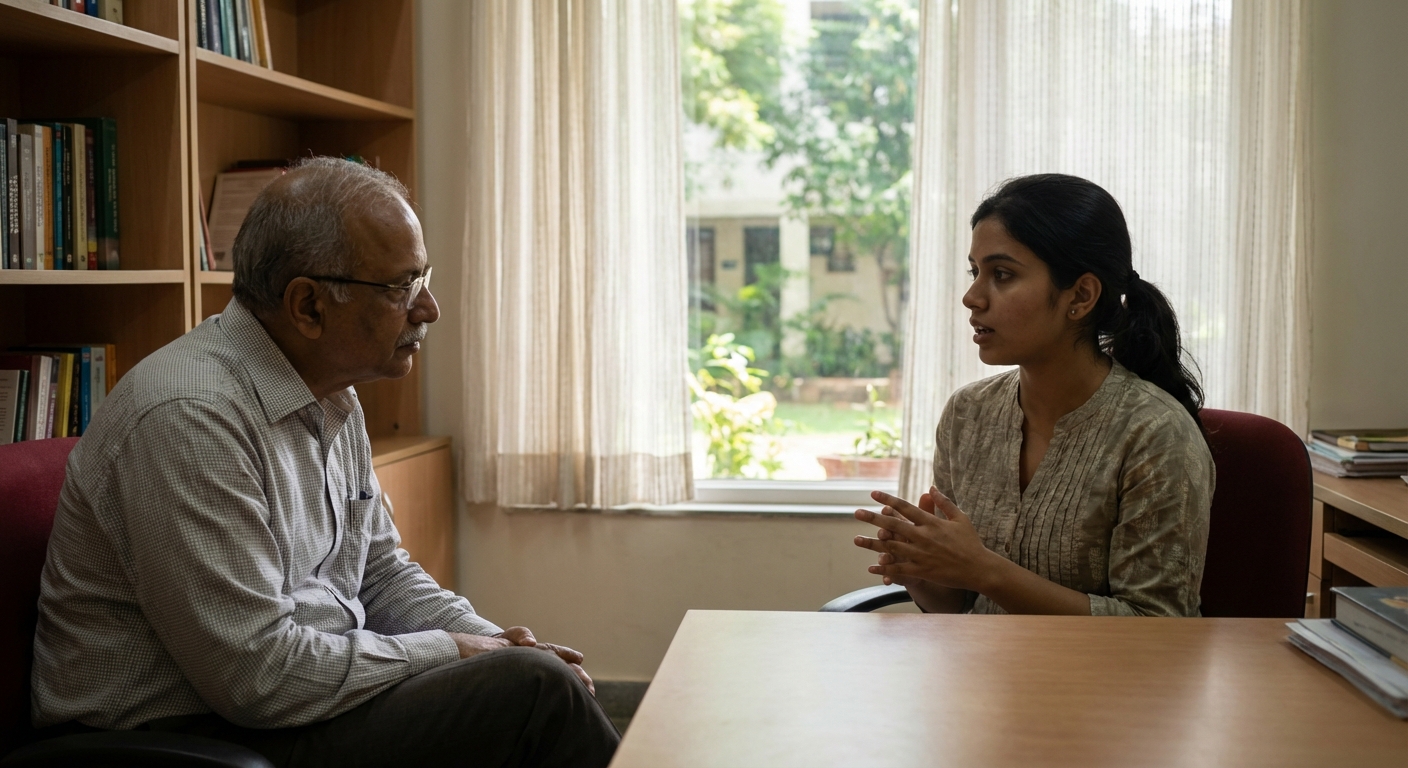
There is no shame in asking for help. In fact, successful people are often distinguished by their willingness to seek support when needed. This might include:
- Academic support: Tutoring, study groups, office hours with professors
- Emotional support: Trusted friends, family members, or professional counseling
- Professional guidance: Career counselors who can help you evaluate your path and options
- Peer support: Connecting with others who have faced similar challenges
5. Practice Self-Compassion
Dr. Kristin Neff's research on self-compassion shows that being kind to yourself during difficult times is not weakness—it's actually associated with greater resilience, motivation, and eventual success.
Self-compassion involves three elements:
- Self-kindness: Treating yourself with the same understanding you would offer a good friend
- Common humanity: Recognizing that failure is a universal human experience
- Mindfulness: Observing your painful emotions without over-identifying with them
When to Consider Alternative Paths
Sometimes academic failure is an invitation to reconsider whether you're on the right path. This doesn't mean giving up at the first sign of difficulty—persistence is valuable. But if you've repeatedly struggled in a particular field, or if you're pursuing a path primarily due to parental expectations or societal pressure, it may be worth exploring alternatives.
Kavitha came to me after failing her medical entrance exam three times. Through our work together, she realized she had been pursuing medicine to fulfill her family's expectations rather than her own calling. Today, she's thriving as a clinical psychologist—a career that allows her to help others in ways that align with her natural strengths and genuine interests.
There is no shame in changing direction. The shame lies only in living a life that isn't authentically yours.
Moving Forward: The Long View

Academic failure, as painful as it is, often becomes one of the most important learning experiences in a person's life. It builds resilience. It develops empathy for others who struggle. It teaches that our worth isn't determined by external achievements. It reveals our true support systems and our own inner strength.
Priya, the engineering student I mentioned earlier, did eventually pass her subjects. More importantly, she developed a healthier relationship with success and failure. "I used to think my value as a person depended on my grades," she reflected in one of our final sessions. "Now I know that my worth comes from who I am, how I treat others, and the effort I put in—not from a number on a marksheet."
If you're reading this in the aftermath of an academic disappointment, please know that this moment will pass. You will recover. And with the right support and strategies, you can emerge from this experience stronger, wiser, and more compassionate—both toward yourself and others.
A Personal Invitation
If you're struggling with the emotional aftermath of academic failure, or if you're finding it difficult to move forward, I encourage you to seek professional support. Sometimes, talking with a trained counselor can help you process difficult emotions, develop effective coping strategies, and create a realistic plan for the future.
At my practice in Hyderabad, I work with students of all ages who are navigating academic challenges, career decisions, and the anxiety and depression that often accompany these struggles. You don't have to face this alone.
If you'd like to schedule a consultation, please reach out through my website or contact my clinic directly. Together, we can work through this difficult time and help you rediscover your confidence and sense of direction.
Remember: failure is not falling down. Failure is refusing to get back up. And getting back up is always possible—one small step at a time.
---Sudheer Sandra is a licensed psychologist and career counselor based in Hyderabad, India, with over 15 years of clinical experience. He specializes in anxiety, depression, relationship issues, and career counseling. Names and identifying details in case examples have been changed to protect client confidentiality.